⚠️new paper: artif tidepools increase #Biodiversity but their community was distinct from natural habitats and prone to introduced species. We think that eco-eng. has no true value for restoration but could be considered as marine green space akin to parks
https://t.co/BzMcWsvRMb
Todays contender for overly clever article titles:
"Insects and the city: what island biogeography tells us about insect conservation in urban areas"
https://t.co/qerHoeL5Jd
Happy to announce that I started working as Researcher at the @Ifremer_fr at Seyne Sur Mer! I will be studying ecological restoration and eco-engineering and how we can use them to foster #biodiversity in natural and urban coastal habitats :)
Eco-engineering helps little for ecol. restoration, but still increases biodiversity. Let's think differently and actually design beautiful marine urban green spaces with humans in mind! We can make these areas attractive for recreational activities and increase human wellbeing.
⚠️PAPER ALERT⚠️: We simulated a strong intensity heatwave in a harbor, which did...nothing! The community was unchanged, as was the metabolome of a Bryozoan. The harbor community had a high resistance to the disturbance (which is often observed for them)
https://t.co/zYleZfYLPw
A key problem: in a competitive work environment, taxonomy does not bring enough to the table. Taxon. are highly specialized and thus publish in low IF journals which hurts career prospects. Young researchers thus privilege other more 'profitable' subjects like community ecology.
Preparing a lesson on human impacts on ecosystems for an ecology course... and I might need to see a psychologist after that... at least until I can purposefully ignore/forget again how bad it really is
New Research: Distribution of native and non-indigenous bivalves and their settlers along an urban gradient https://t.co/E5pg8Pl7jT #FrontiersIn#MarineScience
New Article⚠️Introduced species are common in the most disturbed parts of urban gradients. This might be because post settlement processes constrain them to those. This is suggested by a mismatch between adults and settlers abundances such introduced sp.
https://t.co/Ghq5AY7rgj
Marine heatwave experiments are important to understand mechanisms that drive organismal response.
But they have to be set up in an ecologically relevant way.
Some guidelines to achieve this. @AarhusUni_int@BaydenRussell@SWIMSHKU@EcoscienceAU
https://t.co/7OxpYZ3HAp
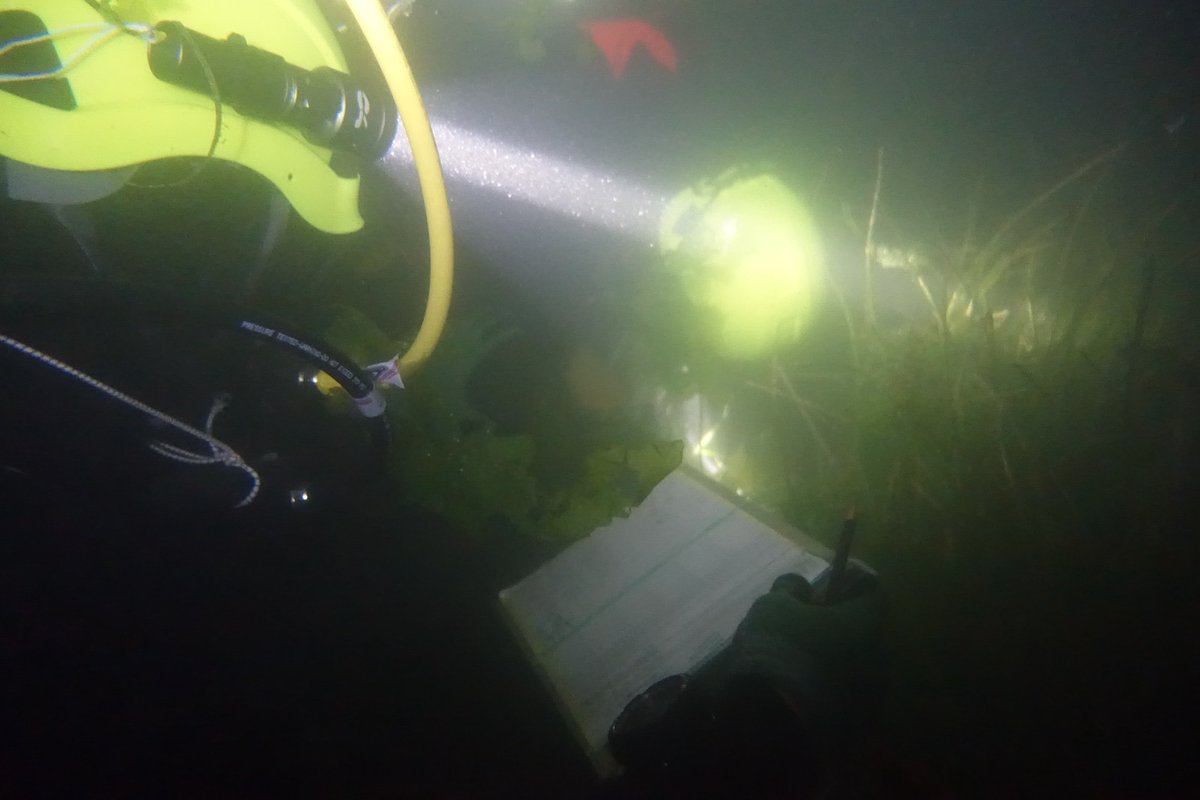
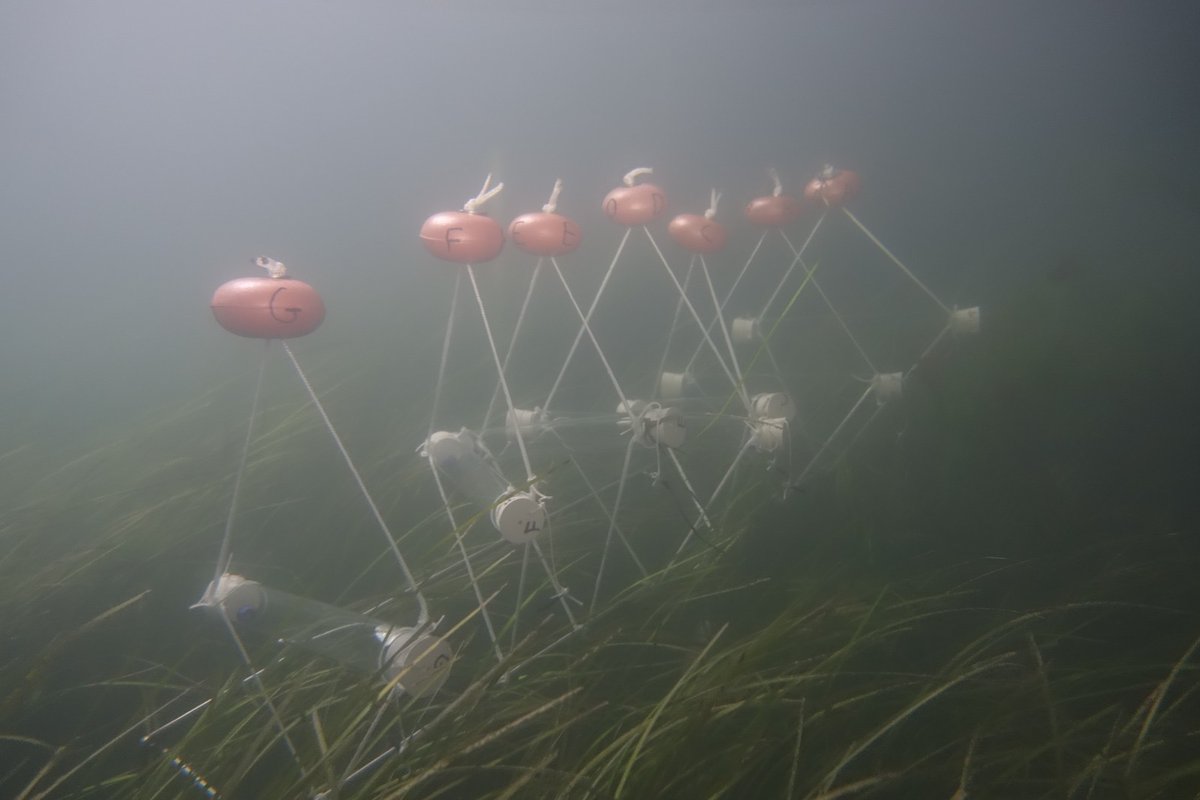
Last week with @laura_airoldi and @davide_deba we did an all-nighter diving to see how #seagrass is doing under artificial light at night #ALAN We measured photosynthetic activity (left) and oxygen production in benthic chambers (right) during this #fieldwork@ArtificialGLOW
We're just 3 short of cracking the ⚠️500⚠️ identified species. Amazing work from @GiadaRiva22 and Hassan! Just a little frustrated about the shyness of Bryos in this dataset.