This is Headline USA editor-in-chief Ken Silva, and you’re about to hear an interview I conducted on Feb. 9, 2022, with the late great Roger Charles, a U.S. Marine, an award-winning journalist, and an investigator whose work included a stint on OKC bomber Timothy McVeigh’s defense team—a job that led him to writing one of the best books on the subject: Oklahoma City: What the Investigation Missed, and Why it Matters
As a print journalist, I don’t typically release my recorded interviews. But I want the public to hear this one because it is near and dear to me for several reasons, not the least being the fact that Roger tragically died less than 10 days after our interview—making it the last one he gave in his storied career.
I first started corresponding with Roger in late 2021. At the time, I had a simple goal: To write a story about then-Attorney General Merrick Garland’s role in prosecuting McVeigh, and helping cover up for the others who were involved in that deadly April 19, 1995, attack.
Little did I know that my interview with Roger would change my career—and in many ways, my life. Indeed, after years later, dozens of articles, and numerous hours of interviewing everyone from FBI agents like Bob Ricks to victims like Kathy Wilburn Sanders, all the way to alleged conspirators like the notorious Andreas Strassmeir, and I’m still writing aobut this case.
Sadly, Roger never got to see any of that. However, one of Roger’s closest friends and allies in the fight for OKC truth, Jesse Trentadue, told me that Roger would frequently say “OUT-FUCKING-STANDING” when he thought someone did a good job. I’d like to think Roger would have said that of my work.
God willing, one day I’ll be able to ask him.
Until then, rest in peace, Roger, and thank you again for the generous time and guidance you gave me in our brief time knowing each other.
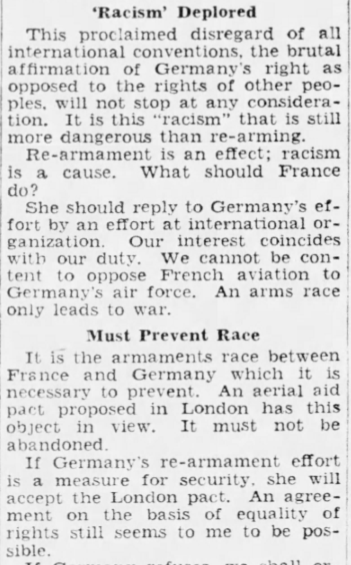
@MorlockP In 1935, the modern usage was sufficiently obscure jargon that the United Press published an article trying to coin the term "racism" to refer to the arms race.
Like most who have read Dave McGowan’s Programmed to Kill, I was generally aware of the ritual child abuse scandal at the West Point Child Development Center, but was somewhat stymied in learning more about it by the lack of publicly available records and rather sparse reporting