Mark your calendars! On Thursday, June 9th, I begin my 174-mile, 3-day bike ride to Daytona, FL. With the ambition to raise as much money as possible through Web3 to combat C-PTSD.
Our mission is to make a true difference in the world by using creative and innovative methods that will inspire our generous community to make an impact globally.
We aim to connect individuals worldwide and educate our community about animals. Utilizing our social platforms, we provide our community with knowledge and a space to connect.
Male platypuses have a hollow spur on each hind leg connected to a venom secreting gland, and while their venom is lethal, there are no recorded deaths from platypuses or from platypus stings.
The platypus uses electronic impulses to detect underwater prey and locate objects in the darkest depths of the creeks and rivers they call home. They feed on insect larvae, freshwater shrimps, worms and yabbies, which they bring to the surface to eat.
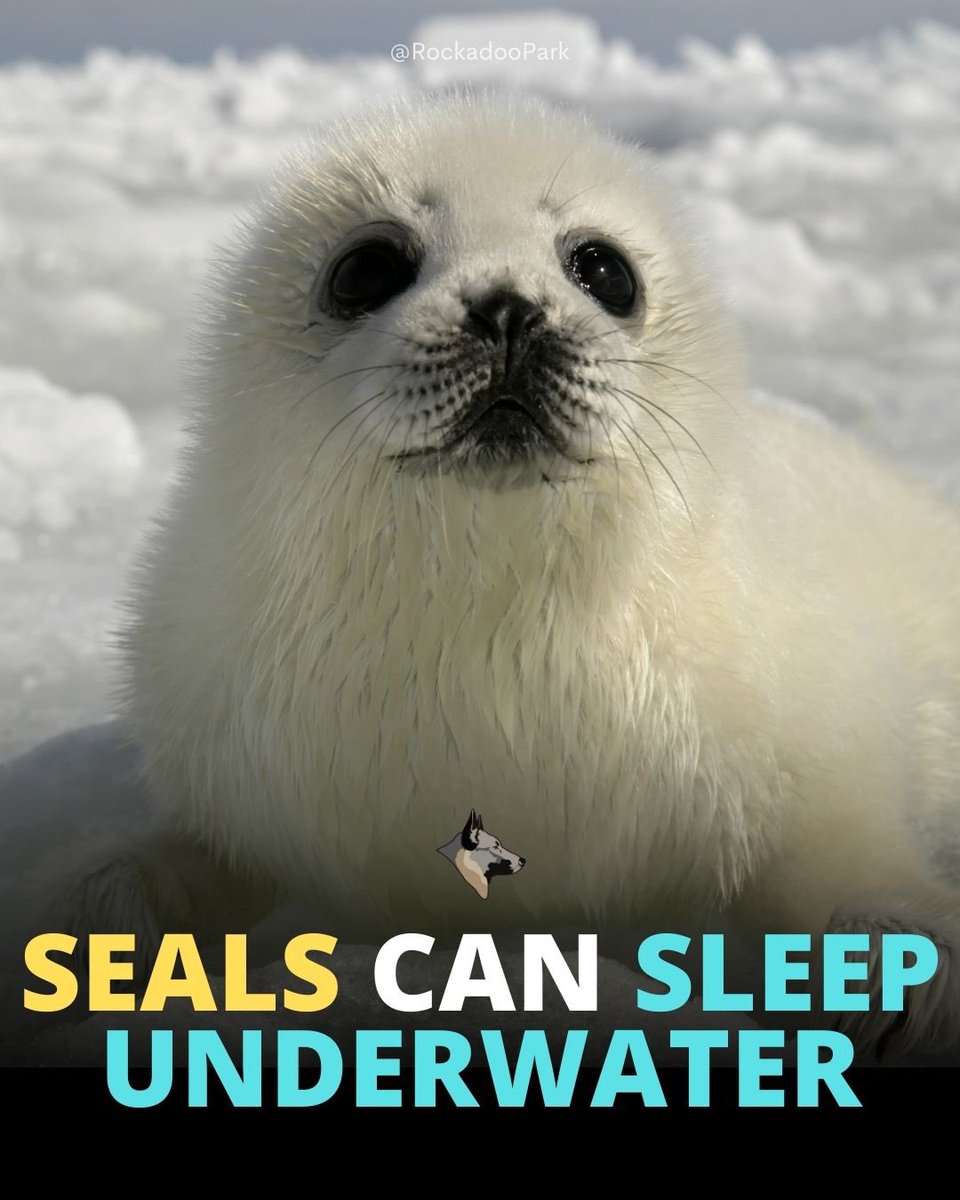
Some species of seals sleep completely submerged but remain close to the surface of the water. Seals usually only come on land to escape predators like whales and sharks, as well as to mate, give birth, feed and moult.
When seals sleep in the water, they sleep in a position known as bottling. This is a position in which their bodies float but remain completely underwater except for their snouts, which remain above water at all times.
The honey badger is not necessarily immune to these venoms, but rather the badger's skin is so thick and tough that most bee stingers and snake fangs cannot penetrate it.
The Honey Badger will seek out and attack honey bee hives with incredible determination, accepting hundreds of stings while they eat honey. They can also handle bites from the world's deadliest snakes, like puff adders, mambas, and cobras, which they happily hunt, kill & devour.