$TEL spent years looking completely dead.
But sometimes the strongest moves begin where nobody is looking.
The chart is now approaching three levels that have defined almost the entire history of $TEL.
The first objective sits at 0.012555.
I’ve labeled this the Key Level.
This zone marked the last major rejection before the long bear market fully took control.
Reclaiming it would signal that buyers are no longer fighting for survival.
They would be taking back control of the trend.
The second target stands at 0.036269.
This is the “New Life” Level.
Why?
Because a breakout above this area would place $TEL far beyond anything seen during the last several years of consolidation.
At that point, the market would no longer be discussing whether the recovery is real.
The recovery would already be happening.
The final objective sits at 0.064894.
This is the ATH Level.
The zone where previous cycle euphoria reached its peak and where some of the largest historical reactions occurred.
Markets have a tendency to revisit important liquidity zones once momentum returns.
For $TEL, this remains the ultimate long-term destination.
The roadmap is simple:
0.012555 - Key Level
The first major confirmation that the trend is changing.
0.036269 - “New Life” Level
The breakout zone that could completely reshape market perception.
0.064894 - ATH Level
The long-term objective and the level that would place $TEL back among the strongest recovery stories in crypto.
What makes this chart fascinating is the amount of time spent building the base.
Most traders underestimate how powerful multi-year accumulation can become.
Price spends years preparing for a move.
Then delivers it in months.
If $TEL continues reclaiming historical levels one by one, this chart may go from forgotten altcoin to one of the most surprising comeback stories of the cycle.
The market stopped paying attention years ago.
That might be exactly why it’s worth paying attention now.
Telcoin is praising Japan's new stablecoin regulation.
@Telcoin has expressed excitement at Japan's recently implemented foreign stablecoin framework.
The regulation, introduced on June 1 by The Financial Services Agency (FSA) of Japan paves the way for the recognition of some foreign-issued stablecoins as official electronic payment instruments.
Crucially, it will ensure that certain stablecoin are not treated as securities.
For $TEL, the excitement revolves around its $eJPY stablecoin, which is likely now recognised as an electronic payment instrument in the region.
As of today, Japan's FSA recognizes foreign stablecoins as electronic payment instruments.
We're excited to see how we can bring eJPY to market under this framework.
https://t.co/DAnELfUYhF
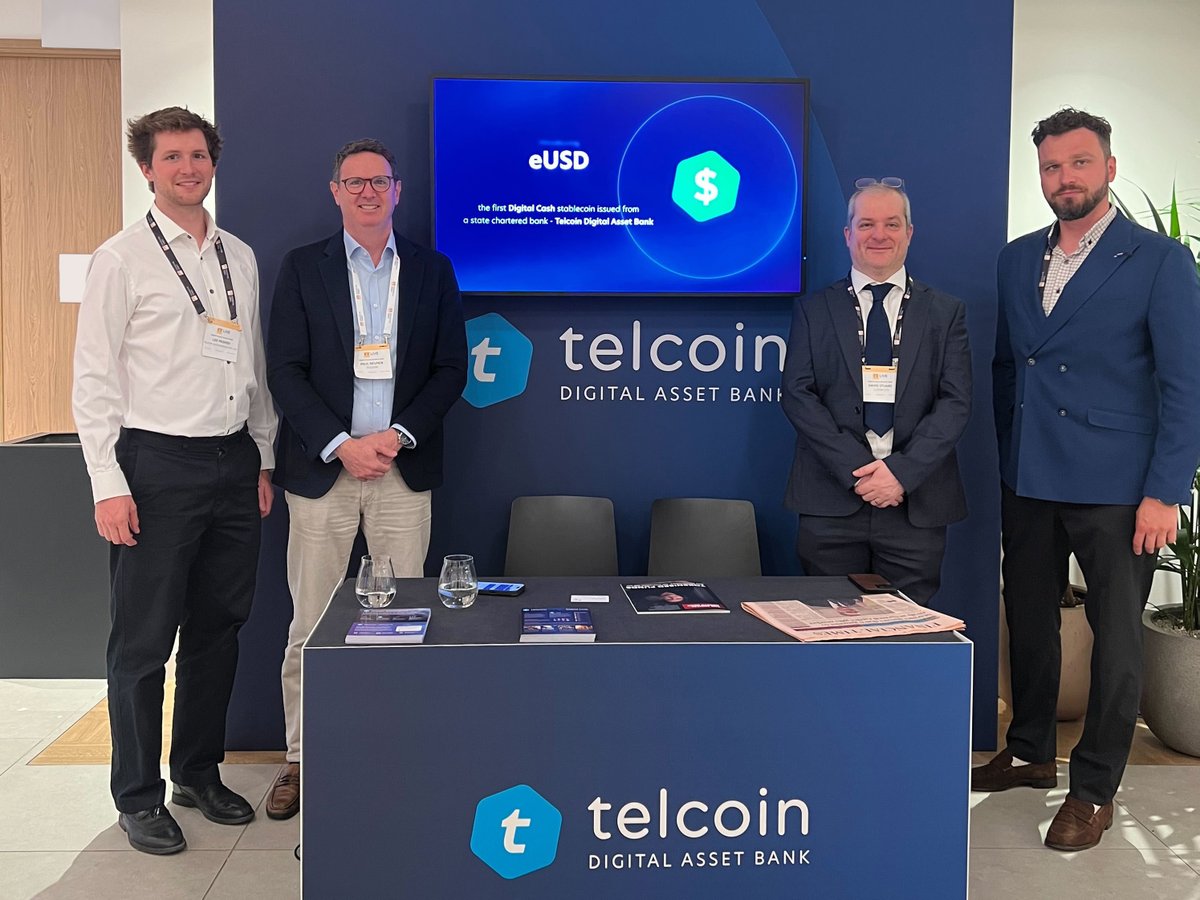
“How does a small community bank get into stablecoins?”
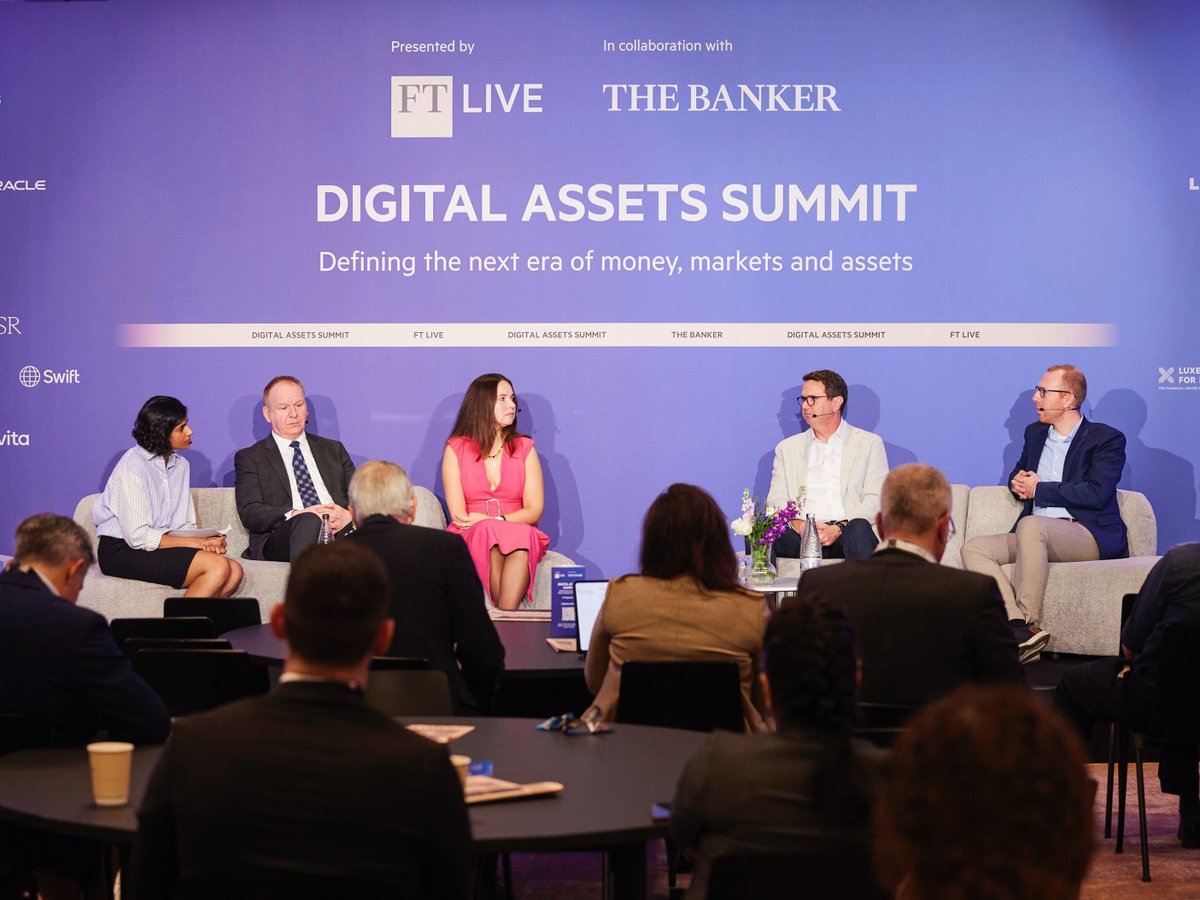
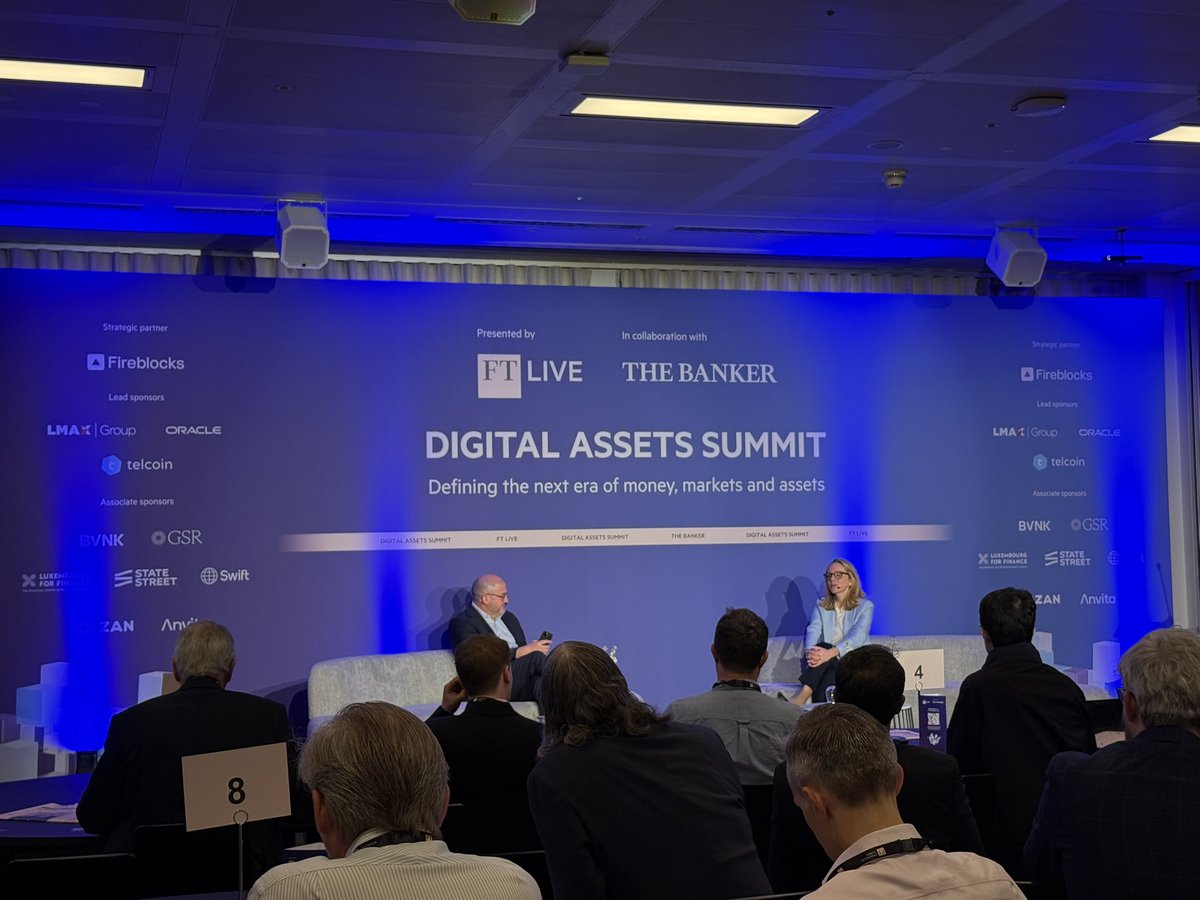
At his @FT Digital Assets Summit panel, CEO Paul Neuner shared our vision for eUSD as unbranded digital dollars.
With the CLARITY Act advancing to the Senate floor this month, compliant yield for bank-issued stablecoins is one step closer to law.
Telcoin Digital Asset Bank already operates within this framework with eUSD.
https://t.co/UUokVK0PF7
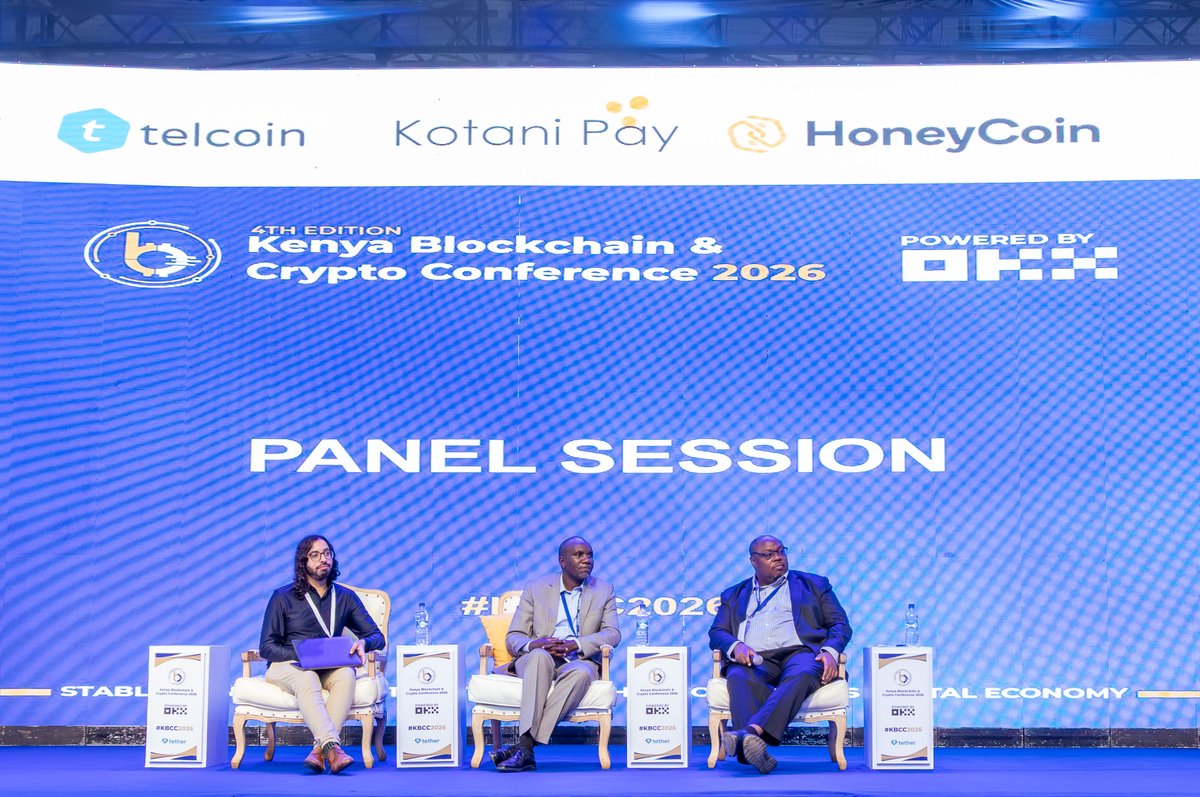
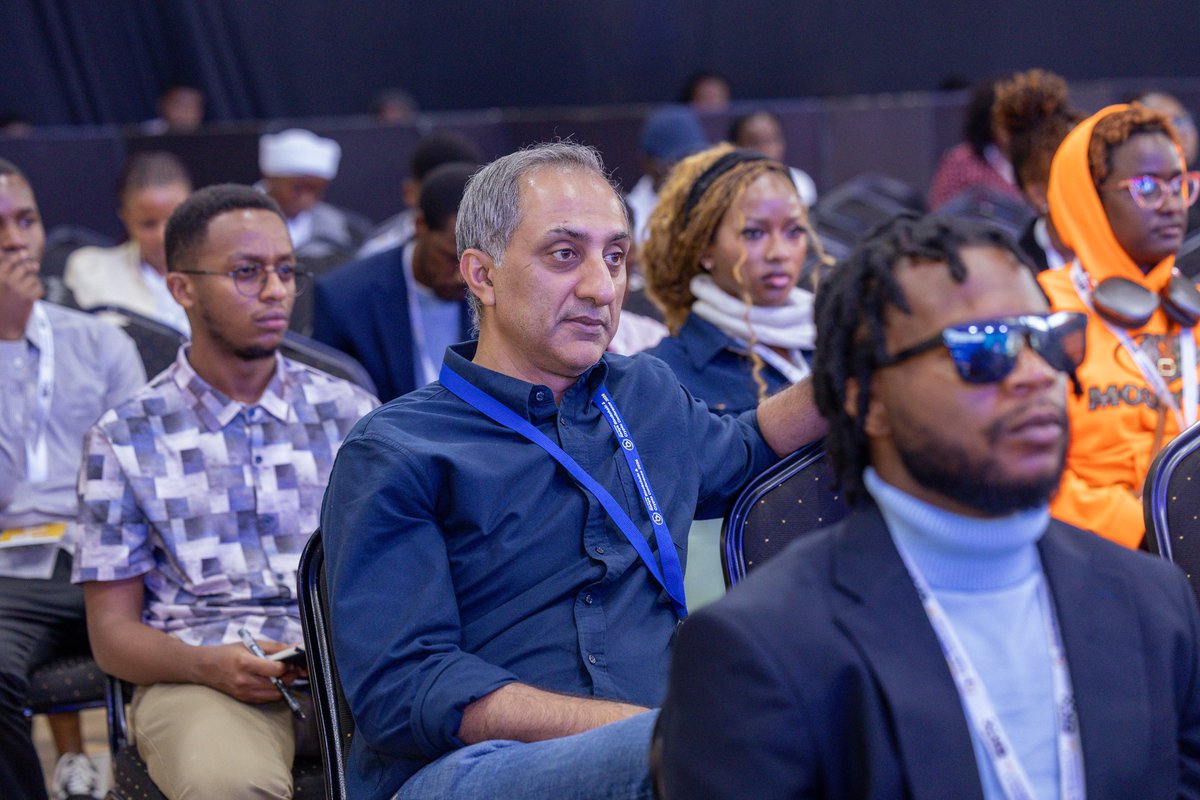
We were pleased to sponsor @KBCC_01 in Nairobi for the second consecutive year.
Two decades after putting mobile money on the map, Kenya is primed for the next evolution in mobile financial services, with local stablecoins powering remittances and direct merchant payments.
$TEL : Review 📜
What if the first federally regulated crypto bank in America was built not by Wall Street bankers but by telecom engineers who spent 20 years connecting the world's unbanked to mobile networks?
Meet Telcoin - a blockchain-powered mobile financial platform that just made U.S. banking history. First Digital Asset Depository Institution charter in America. Bank-backed eUSD stablecoin. Connected to Federal Reserve payment rails. Remittances to 20+ countries at under 2% fees.
An EVM-compatible L1 validated by mobile network operators. GSMA member since 2018. Regulated in 6 countries. Targeting the $700 billion remittance market through the phones already in people's pockets.
Let's explore how Telcoin is building the Internet of Money. 👇
⚪ Telcoin at a Glance
Telcoin (TEL) is a blockchain-based fintech project that integrates telecommunications and regulated banking to deliver accessible, low-cost financial services to mobile users globally. The platform partners with mobile network operators to distribute wallet services, cross-border remittances, and token swaps.
The $TEL token has a maximum supply of 100 billion with ~96 billion in circulation (~96%). TEL functions as the gas token for the upcoming Telcoin Network, staking asset, and governance token.
As of May 2026, $TEL trades around $0.003 with a market cap of approximately $280M.
ATH was $0.064 in May 2021. Telcoin Digital Asset Bank received a final charter from Nebraska in November 2025, making it the first regulated digital asset depository institution in the US.
Marketplace Insight: Telcoin CEO participated in a private MWC roundtable hosted by Accenture and GSMA alongside executives from Mastercard, Huawei, and Standard Bank, discussing Accenture's report predicting up to $13 trillion in transaction volume could shift from traditional banking to alternatives like telecom finance and stablecoins by 2030. The Nebraska bank charter, eUSD stablecoin, and Telcoin Network mainnet make TEL one of the most regulatory-forward projects in crypto.
⚪ Mission
Telcoin's mission is to provide fast, affordable, and user-owned financial products to every mobile phone user in the world. The company's mission is to provide financial products to mobile phone users worldwide, targeting the estimated 1.7 billion unbanked individuals. By leveraging existing telecom infrastructure (5 billion+ subscribers globally), Telcoin bypasses the need to build new distribution networks, instead turning mobile operators into the on-ramps for decentralized finance.
🔵 A Brief History
Telcoin operates as a platform that combines mobile telecommunications networks with blockchain-based financial services. Founded in July 2017 by Paul Neuner, who has over 20 years of experience in telecommunications and cybersecurity, and Claude Eguienta, the company started in Singapore as Telcoin Pte. Ltd.
Paul Neuner's background in telecommunications, cybersecurity, and telecom fraud management, having founded Mobius Wireless Solutions, is central to Telcoin's strategy of partnering with mobile network operators to reach a broad user base. Eguienta brought deep technical expertise from distributed systems and crypto startups including CyberAgent and Kabotip.
In 2018, Telcoin became the first blockchain firm to join the GSMA, the global telecom industry body, signaling serious intent to operate within the existing telecom ecosystem rather than against it.
By 2020, Telcoin had integrated with mobile money services across 20+ countries, maintaining fees under 2% while traditional money transfer services charge 6-10%. The Telcoin Wallet launched on iOS and Android, enabling users to store, send, and swap 100+ digital assets.
In 2021, the company raised $10 million in a Series A funding round to support expansion. Telcoin also supported the Nebraska Financial Innovation Act, which created the framework for digital asset bank charters.
Everything changed in 2023-2024 as Telcoin pivoted from pure remittances toward comprehensive digital banking. The company secured regulatory licenses across six countries: US (Money Services Business), Singapore (Major Payment Institution), Canada, Australia, Lithuania, and Argentina.
In November 2025, Telcoin Digital Asset Bank received a final charter from Nebraska, making it the first regulated digital asset depository institution in the US. The bank can take deposits, connect to Federal Reserve payment rails, and issue the FDIC-insured eUSD stablecoin. TEL surged 95% on the announcement.
Earlier in 2025, Telcoin secured $25 million in additional funding specifically to capitalize the Digital Asset Bank. The Adiri testnet launched in December 2025, with full mainnet launch expected in 2026.
By May 2025, Telcoin achieved SOC 2 Type I certification, validating its security infrastructure. In March 2026, CEO Paul Neuner joined a Mobile World Congress roundtable alongside Mastercard, Huawei, and Standard Bank executives discussing the $13 trillion payment migration opportunity.
🔵 Ecosystem Narrative
Telcoin's ecosystem is built on a simple but powerful insight: 5 billion people already have mobile phones. Instead of building new infrastructure, use the telecom networks they're already on as the distribution layer for decentralized financial services.
Key dynamics include:
➛ Telcoin Digital Asset Bank (Nebraska charter) is the first federally regulated Digital Asset Depository Institution in the U.S. Can accept crypto deposits, connect to Federal Reserve payment rails, and issue eUSD stablecoin backed by USD deposits and short-term Treasuries.
➛ eUSD is a bank-issued, regulated stablecoin designed for cross-border remittances and mobile payments. Unlike algorithmic stablecoins, eUSD is backed by actual bank deposits and Treasuries with regulatory oversight.
➛ Telcoin Wallet is a self-custodial mobile app for storing, sending, and swapping 100+ digital assets. Remittances to 40+ e-wallets across 20+ countries at under 2% fees.
➛ Telcoin Network is an EVM-compatible Layer-1 blockchain validated by mobile network operators (MNOs). Turning telecom companies into blockchain validators aligns the incentives of the existing mobile infrastructure with DeFi.
➛ TEL burn mechanism activates with mainnet launch: TEL used for gas fees is burned, creating deflationary pressure tied directly to network usage.
➛ GSMA membership since 2018 gives Telcoin access to the global telecom industry body representing 750+ mobile operators and 400+ companies. Telcoin is the only blockchain project with this level of telecom industry access.
➛ Regulated in 6 countries (US, Singapore, Canada, Australia, Lithuania, Argentina) with additional corridors expanding.
➛ SOC 2 Type I certified, validating enterprise-grade security and compliance controls.
⚪ Token Utilities
$TEL powers the mobile-first financial ecosystem:
➛ Gas Token (Telcoin Network) - TEL pays for all transaction fees on the Telcoin Network. Gas fees are burned, creating deflationary pressure as usage scales.
➛ Staking & Validation - Stake TEL into the validator and liquidity layers of the Telcoin Network. MNOs serve as primary validators, with TEL stakers supporting network security.
➛ Governance - TEL holders participate in governance through the Telcoin Association and decentralized Miner Councils.
➛ Liquidity Mining - Provide liquidity on TELx (decentralized exchange) and earn fees from global exchange activity.
➛ Remittance Medium - TEL facilitates cross-border transfers through the Telcoin Wallet, with fees under 2%.
⚪ Key Features
➛ First U.S. Digital Asset Bank - Nebraska DADI charter (November 2025). Can accept deposits, connect to Federal Reserve rails, and issue regulated eUSD stablecoin. Historic.
➛ eUSD Stablecoin - Bank-issued, FDIC-insured, backed by USD deposits and short-term Treasuries. Designed for compliant cross-border payments at scale.
➛ Remittances to 20+ Countries - Telcoin Wallet sends money to 40+ e-wallets globally at under 2% fees. Targeting the $700 billion remittance market.
➛ Telcoin Network (L1) - EVM-compatible blockchain validated by mobile network operators. Turns existing telecom infrastructure into blockchain validators.
➛ GSMA Member Since 2018 - First and only blockchain project as a GSMA Associate Member. Access to 750+ mobile operators and 400+ companies globally.
➛ Regulated in 6 Countries - US (MSB), Singapore (MPI), Canada, Australia, Lithuania, Argentina. One of the most regulatory-forward crypto projects in existence.
➛ SOC 2 Certified - Enterprise-grade security and compliance validation.
➛ TEL Burn Mechanism - Gas fees burned on mainnet usage, creating deflationary pressure tied to real transaction volume.
🔵 Meet the Telcoin Team
Telcoin is led by telecom and fintech veterans who spent decades inside the mobile infrastructure industry before applying blockchain to solve its biggest problem: financial exclusion.
▶️ Core Members:
➛ Paul Neuner [ @TelcoinPaul ] - Co-Founder & CEO | 20+ years in telecommunications, cybersecurity, and telecom fraud management. Founded Mobius Wireless Solutions, providing solutions for mobile network operators globally. Championed the Nebraska Financial Innovation Act. Speaks at MWC, DIGITAL BANKING, and Flyover Fintech alongside executives from Mastercard, Citi, and Standard Chartered. His vision: telecom operators as the primary gateway for mainstream DeFi adoption.
➛ Claude Eguienta - Co-Founder | Master's degree in Computer Science with a focus on distributed systems. Previously co-founded Kabotip and served as lead systems architect at CyberAgent. Brings deep fintech and blockchain technical expertise that balances Neuner's telecom vision.
➛ Patrick Gerhart - President of Banking Operations | Formerly at P4Cap. Spearheads U.S. regulatory initiatives and Telcoin Digital Asset Bank operations. Leads the eUSD stablecoin rollout and Federal Reserve payment rail integration.
➛ Jeff Quigley - EVP Business Development & Communications | Former regional manager for Southeast Asia at Fenox Venture Capital. Drives partnerships, exchange listings, and ecosystem communications.
➛ Ryan Neuner - Core Team | Contributes to Telcoin's operational and strategic initiatives.
➛ Telcoin Association (Lugano, Switzerland) - Swiss non-profit overseeing the Telcoin platform through decentralized Miner Councils and governance.
🔵 Ratings
➛ Use Case: ★★★★✦ (4.5/5) - Telcoin has what almost no other crypto project can claim: a federally regulated U.S. bank charter, a working remittance app in 20+ countries, and GSMA membership giving access to 750+ mobile operators globally. The use case is tangible and massive: $700 billion remittance market, 1.7 billion unbanked people, 5 billion mobile subscribers. eUSD as a bank-issued, regulated stablecoin connected to Federal Reserve rails is a genuine innovation.
The Telcoin Network with MNO validators is a unique architecture. The 0.5 deduction is because despite 8+ years of development, actual user adoption remains modest relative to the vision. The mainnet hasn't launched yet. The bank hasn't begun full operations. The regulatory moat is real, but the execution gap between "chartered" and "scaling" is significant.
➛ Tokenomics: ★★★✦ (3.5/5) - 100 billion max supply with ~96% already circulating is a double-edged sword: there's minimal future dilution (positive), but the massive float at a sub-$0.01 price creates psychological barriers for retail investors. The upcoming burn mechanism (TEL burned as gas on mainnet) ties deflationary pressure directly to network usage, which is the right design.
Staking and validator participation will lock supply. However, the burn mechanism isn't live yet (mainnet pending), and TEL is down ~95% from ATH. The tokenomics become genuinely strong IF mainnet launches and transaction volume scales, but until then, the value capture remains theoretical.
➛ Audits: ★★★★ (4/5) - Telcoin's security posture is uniquely strong for a crypto project because it operates under actual banking regulation. SOC 2 Type I certified. Nebraska DADI charter required rigorous compliance validation. Regulated as a Major Payment Institution in Singapore, MSB in the US and Canada.
The Telcoin Wallet has operated since 2020 without a major fund-loss incident. The codebase is open-source. The 1-point deduction is because the Telcoin Network mainnet hasn't launched yet (and therefore hasn't been battle-tested), and the transition from Polygon to a custom L1 introduces new smart contract risk that will need comprehensive auditing.
➛ Community: ★★★★★ (5/5) - Telcoin has one of the most loyal, patient, and active communities in all of crypto. The "TEL Marines" have held through a 95% drawdown from ATH for 5+ years with unwavering conviction in the mission. The community rallied 95% on the Nebraska charter announcement and 76% on the MWC news, proving they respond to real catalysts, not hype cycles. Extremely active on X with constant engagement, technical discussions, and ecosystem updates.
The community spans crypto natives, telecom enthusiasts, and financial inclusion advocates who genuinely believe in connecting the unbanked. Active across Discord, Telegram, and X. When the bank charter was announced, the community didn't just celebrate the price pump, they celebrated the regulatory milestone. That's the difference between a community built on speculation and one built on mission. 8+ years of loyalty through a bear market, a delayed mainnet, and a 95% drawdown. That's conviction that rivals Bitcoin's early believers.
🔵 Conclusion
Telcoin is the most regulatory-forward crypto project in the world, and it just made American banking history. The first Digital Asset Depository Institution charter in the United States. A bank-backed stablecoin connected to Federal Reserve payment rails. Remittances to 20+ countries at under 2% fees. GSMA membership since 2018. Regulated in 6 countries. SOC 2 certified. And an EVM-compatible L1 where mobile operators serve as validators.
All built by a team that spent 20 years inside the telecom industry before deciding that blockchain was the missing piece.
The patience required to invest in Telcoin has been extraordinary. 8+ years of development. A 95% drawdown from ATH. A mainnet that keeps getting pushed back. Slow user adoption despite a massive addressable market. The gap between "we have a bank charter" and "we have a million daily users" is measured in years, not months.
But here's the fundamental case: 1.7 billion people are unbanked. 5 billion have mobile phones. The $700 billion remittance industry charges 6-10% fees for what should cost 2% or less. Traditional banks won't solve this because the unit economics don't work at their cost structure. Telcoin's model, using existing telecom infrastructure as distribution, a regulated bank as the compliance layer, and blockchain as the settlement rail, is the only architecture that connects all three pieces.
If mainnet launches, eUSD scales, and even a fraction of the $13 trillion projected payment migration materializes through telecom rails, the project trading at $280M market cap with a U.S. bank charter is either the most patient long-term play in crypto or the most frustrating. The charter is real. The app works. The regulation is done. The only question left is execution.
$TEL spent years moving inside a massive downtrend after the cycle top
Every rally created another lower high
Every breakout failed beneath resistance
But something important is happening now
Price has stopped making aggressive new lows while volatility continues compressing near the historical base
That’s usually how long-term reversals begin
The chart already shows the roadmap clearly:
First reclaim the nearest key level
Then attack the major breakdown zone
After that, the market starts targeting the original expansion area from the previous cycle
What makes this setup interesting is the amount of time spent near the lows
Long accumulation phases create powerful repricing moves once momentum finally returns
Most traders only become interested after a breakout already confirms
But the biggest percentage expansions often come from assets that spent years being ignored while structure quietly stabilized underneath
The trendline from the ATH controlled price for multiple years
If $TEL finally breaks out of that structure, the market could move much faster than people expect because almost nobody is positioned for a major reversal yet
📡 Telcoin Wants To Break The Radar
A new forecast puts telcoin:native under the spotlight, and the scenario it lays out could surprise more than a few holders.
📰 Full Article:
https://t.co/l3KGL7gnIX
HOW IS $TEL STILL NOT GETTING MORE ATTENTION?
The direction is right there in front of people. Telcoin is expanding regulated banking, stablecoin-powered commerce, telecom-backed validation, and mobile banking services inside one ecosystem.
That matters because it connects crypto to something normal people already understand:
Payments, transfers, and access to banking tools from a phone.
If the mission is to build the internet of money at global scale, then TEL is not aiming small.
And that is exactly why I think this thing still has room.
You holding $TEL?
Proud to lead the conversation at Digital Assets Summit as stablecoins reshape traditional banking and everyday finance.
Thanks to @FT and @TheBanker for hosting.
The stablecoin debate takes center stage at @FT Digital Assets Summit in London today, with CEO Paul Neuner joining to outline why bank-issued eUSD stands apart.
Huge $TEL news update just dropped over on the @CrusadersGroup's YouTube channel
Now is the best time to be locked in on what @telcoin is building.
https://t.co/mVH9hPTFl9
At Consensus Miami last week, Parker Spann spoke with @Genfinity about Telcoin Digital Asset Bank's regulatory journey, stablecoin-powered agentic commerce, and Telcoin Network development.
Paul Neuner (@TelcoinPaul), Founder and CEO of @Telcoin, will be speaking Thursday at the Financial Times Digital Assets Summit 2026 in London.
Stage 1 - Panel: The Stablecoin wars - tokenised deposits, CBDCs, and the treasury vehicle boom - Speaker
As stablecoins, tokenised deposits and CBDCs jostle for dominance, the question is no longer if digital money will scale - but who will win, and at what cost?
Who will lead: banks, states, or private stablecoin issuers?
Are treasury vehicles the next wave of financial risk?
How should insurers and investors price exposure?
What services will corporations, insurers and asset managers need to safely scale these new products?
Speakers:
• Paul Neuner, Founder & CEO, Telcoin
• Thomas Moser, Alternate Member of the Governing Board, Swiss National Bank
• Alexander Bechtel, Global Head of Digital Products, DWS Asset Management
• Larisa Yarovaya, Director & Advisor, Centre for Digital Finance / British Blockchain Association
Moderator:
• Jill R. Shah, US Trading & Crypto Correspondent, Financial Times
That is a serious panel.
Central bank money.
Tokenised bank deposits.
CBDCs.
Stablecoins.
Treasury vehicles.
And right in the middle of that conversation is Telcoin, a company that now operates a regulated digital asset bank and has launched eUSD, its bank-issued stablecoin.
This is exactly the conversation Telcoin belongs in. telcoin:native
Yesterday, we hit the most important milestone in our journey so far #TELfam
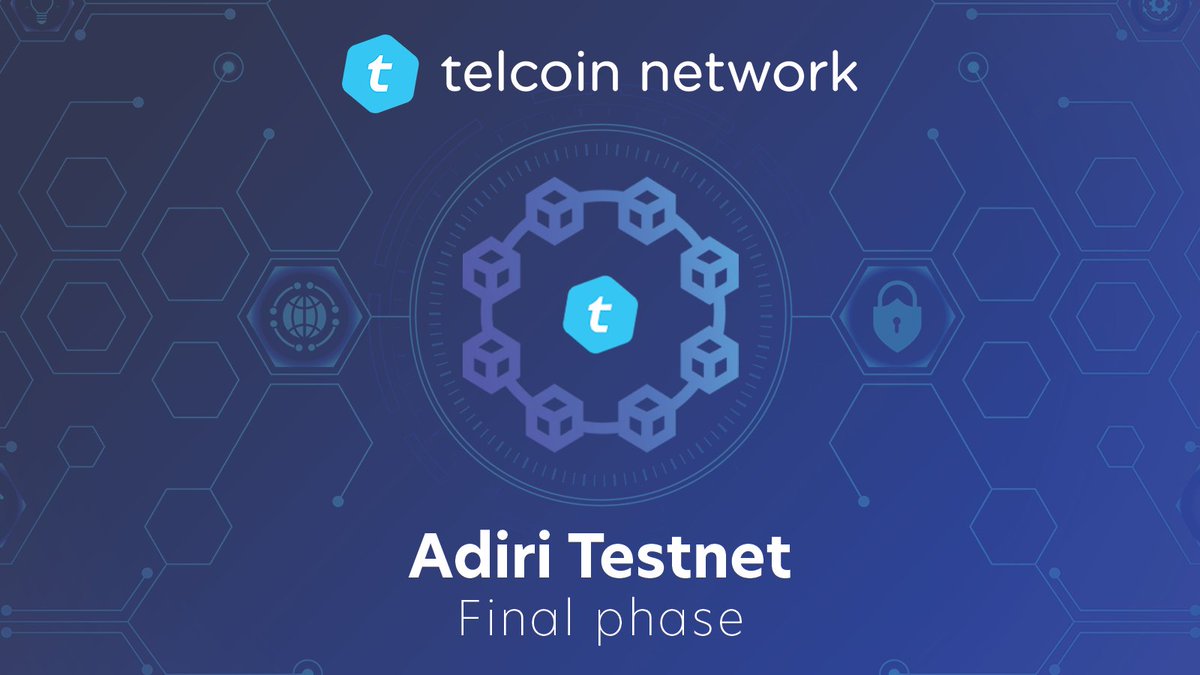
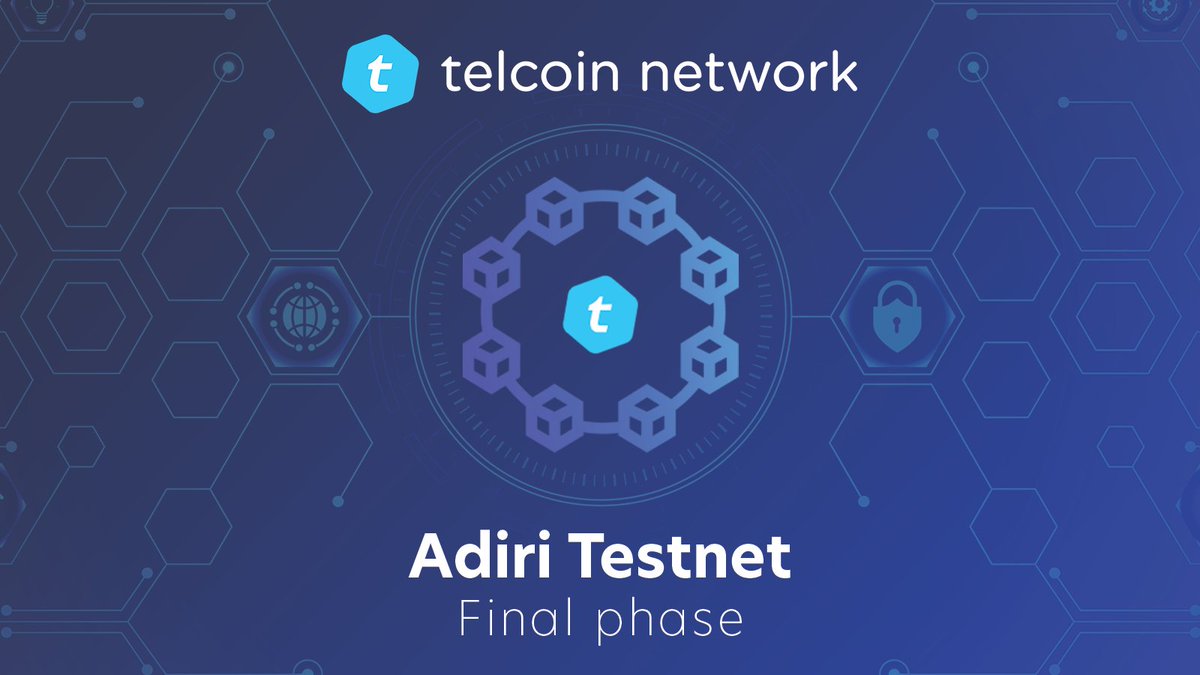
Telcoin Network Adiri Testnet is officially LIVE
For years, TN was an abstract concept. Now it's stable and tangible:
→ MNOs onboarding to run the Internet of Money
→ Devs building on a network designed for 8B+ mobile users
→ Partners integrating for global reach
Devs: start building on Adiri today!
👉 https://t.co/fycihQ9YQZ
We're methodically working through security hardening before mainnet. $TEL the 🌎
Telcoin Network’s Adiri Testnet is relaunching today as a stable release.
This build – the final phase before Mainnet – is ready for MNOs to onboard as validators and developers to build dApps.












![0xchainink's tweet photo. $TEL : Review 📜
What if the first federally regulated crypto bank in America was built not by Wall Street bankers but by telecom engineers who spent 20 years connecting the world's unbanked to mobile networks?
Meet Telcoin - a blockchain-powered mobile financial platform that just made U.S. banking history. First Digital Asset Depository Institution charter in America. Bank-backed eUSD stablecoin. Connected to Federal Reserve payment rails. Remittances to 20+ countries at under 2% fees.
An EVM-compatible L1 validated by mobile network operators. GSMA member since 2018. Regulated in 6 countries. Targeting the $700 billion remittance market through the phones already in people's pockets.
Let's explore how Telcoin is building the Internet of Money. 👇
⚪ Telcoin at a Glance
Telcoin (TEL) is a blockchain-based fintech project that integrates telecommunications and regulated banking to deliver accessible, low-cost financial services to mobile users globally. The platform partners with mobile network operators to distribute wallet services, cross-border remittances, and token swaps.
The $TEL token has a maximum supply of 100 billion with ~96 billion in circulation (~96%). TEL functions as the gas token for the upcoming Telcoin Network, staking asset, and governance token.
As of May 2026, $TEL trades around $0.003 with a market cap of approximately $280M.
ATH was $0.064 in May 2021. Telcoin Digital Asset Bank received a final charter from Nebraska in November 2025, making it the first regulated digital asset depository institution in the US.
Marketplace Insight: Telcoin CEO participated in a private MWC roundtable hosted by Accenture and GSMA alongside executives from Mastercard, Huawei, and Standard Bank, discussing Accenture's report predicting up to $13 trillion in transaction volume could shift from traditional banking to alternatives like telecom finance and stablecoins by 2030. The Nebraska bank charter, eUSD stablecoin, and Telcoin Network mainnet make TEL one of the most regulatory-forward projects in crypto.
⚪ Mission
Telcoin's mission is to provide fast, affordable, and user-owned financial products to every mobile phone user in the world. The company's mission is to provide financial products to mobile phone users worldwide, targeting the estimated 1.7 billion unbanked individuals. By leveraging existing telecom infrastructure (5 billion+ subscribers globally), Telcoin bypasses the need to build new distribution networks, instead turning mobile operators into the on-ramps for decentralized finance.
🔵 A Brief History
Telcoin operates as a platform that combines mobile telecommunications networks with blockchain-based financial services. Founded in July 2017 by Paul Neuner, who has over 20 years of experience in telecommunications and cybersecurity, and Claude Eguienta, the company started in Singapore as Telcoin Pte. Ltd.
Paul Neuner's background in telecommunications, cybersecurity, and telecom fraud management, having founded Mobius Wireless Solutions, is central to Telcoin's strategy of partnering with mobile network operators to reach a broad user base. Eguienta brought deep technical expertise from distributed systems and crypto startups including CyberAgent and Kabotip.
In 2018, Telcoin became the first blockchain firm to join the GSMA, the global telecom industry body, signaling serious intent to operate within the existing telecom ecosystem rather than against it.
By 2020, Telcoin had integrated with mobile money services across 20+ countries, maintaining fees under 2% while traditional money transfer services charge 6-10%. The Telcoin Wallet launched on iOS and Android, enabling users to store, send, and swap 100+ digital assets.
In 2021, the company raised $10 million in a Series A funding round to support expansion. Telcoin also supported the Nebraska Financial Innovation Act, which created the framework for digital asset bank charters.
Everything changed in 2023-2024 as Telcoin pivoted from pure remittances toward comprehensive digital banking. The company secured regulatory licenses across six countries: US (Money Services Business), Singapore (Major Payment Institution), Canada, Australia, Lithuania, and Argentina.
In November 2025, Telcoin Digital Asset Bank received a final charter from Nebraska, making it the first regulated digital asset depository institution in the US. The bank can take deposits, connect to Federal Reserve payment rails, and issue the FDIC-insured eUSD stablecoin. TEL surged 95% on the announcement.
Earlier in 2025, Telcoin secured $25 million in additional funding specifically to capitalize the Digital Asset Bank. The Adiri testnet launched in December 2025, with full mainnet launch expected in 2026.
By May 2025, Telcoin achieved SOC 2 Type I certification, validating its security infrastructure. In March 2026, CEO Paul Neuner joined a Mobile World Congress roundtable alongside Mastercard, Huawei, and Standard Bank executives discussing the $13 trillion payment migration opportunity.
🔵 Ecosystem Narrative
Telcoin's ecosystem is built on a simple but powerful insight: 5 billion people already have mobile phones. Instead of building new infrastructure, use the telecom networks they're already on as the distribution layer for decentralized financial services.
Key dynamics include:
➛ Telcoin Digital Asset Bank (Nebraska charter) is the first federally regulated Digital Asset Depository Institution in the U.S. Can accept crypto deposits, connect to Federal Reserve payment rails, and issue eUSD stablecoin backed by USD deposits and short-term Treasuries.
➛ eUSD is a bank-issued, regulated stablecoin designed for cross-border remittances and mobile payments. Unlike algorithmic stablecoins, eUSD is backed by actual bank deposits and Treasuries with regulatory oversight.
➛ Telcoin Wallet is a self-custodial mobile app for storing, sending, and swapping 100+ digital assets. Remittances to 40+ e-wallets across 20+ countries at under 2% fees.
➛ Telcoin Network is an EVM-compatible Layer-1 blockchain validated by mobile network operators (MNOs). Turning telecom companies into blockchain validators aligns the incentives of the existing mobile infrastructure with DeFi.
➛ TEL burn mechanism activates with mainnet launch: TEL used for gas fees is burned, creating deflationary pressure tied directly to network usage.
➛ GSMA membership since 2018 gives Telcoin access to the global telecom industry body representing 750+ mobile operators and 400+ companies. Telcoin is the only blockchain project with this level of telecom industry access.
➛ Regulated in 6 countries (US, Singapore, Canada, Australia, Lithuania, Argentina) with additional corridors expanding.
➛ SOC 2 Type I certified, validating enterprise-grade security and compliance controls.
⚪ Token Utilities
$TEL powers the mobile-first financial ecosystem:
➛ Gas Token (Telcoin Network) - TEL pays for all transaction fees on the Telcoin Network. Gas fees are burned, creating deflationary pressure as usage scales.
➛ Staking & Validation - Stake TEL into the validator and liquidity layers of the Telcoin Network. MNOs serve as primary validators, with TEL stakers supporting network security.
➛ Governance - TEL holders participate in governance through the Telcoin Association and decentralized Miner Councils.
➛ Liquidity Mining - Provide liquidity on TELx (decentralized exchange) and earn fees from global exchange activity.
➛ Remittance Medium - TEL facilitates cross-border transfers through the Telcoin Wallet, with fees under 2%.
⚪ Key Features
➛ First U.S. Digital Asset Bank - Nebraska DADI charter (November 2025). Can accept deposits, connect to Federal Reserve rails, and issue regulated eUSD stablecoin. Historic.
➛ eUSD Stablecoin - Bank-issued, FDIC-insured, backed by USD deposits and short-term Treasuries. Designed for compliant cross-border payments at scale.
➛ Remittances to 20+ Countries - Telcoin Wallet sends money to 40+ e-wallets globally at under 2% fees. Targeting the $700 billion remittance market.
➛ Telcoin Network (L1) - EVM-compatible blockchain validated by mobile network operators. Turns existing telecom infrastructure into blockchain validators.
➛ GSMA Member Since 2018 - First and only blockchain project as a GSMA Associate Member. Access to 750+ mobile operators and 400+ companies globally.
➛ Regulated in 6 Countries - US (MSB), Singapore (MPI), Canada, Australia, Lithuania, Argentina. One of the most regulatory-forward crypto projects in existence.
➛ SOC 2 Certified - Enterprise-grade security and compliance validation.
➛ TEL Burn Mechanism - Gas fees burned on mainnet usage, creating deflationary pressure tied to real transaction volume.
🔵 Meet the Telcoin Team
Telcoin is led by telecom and fintech veterans who spent decades inside the mobile infrastructure industry before applying blockchain to solve its biggest problem: financial exclusion.
▶️ Core Members:
➛ Paul Neuner [ @TelcoinPaul ] - Co-Founder & CEO | 20+ years in telecommunications, cybersecurity, and telecom fraud management. Founded Mobius Wireless Solutions, providing solutions for mobile network operators globally. Championed the Nebraska Financial Innovation Act. Speaks at MWC, DIGITAL BANKING, and Flyover Fintech alongside executives from Mastercard, Citi, and Standard Chartered. His vision: telecom operators as the primary gateway for mainstream DeFi adoption.
➛ Claude Eguienta - Co-Founder | Master's degree in Computer Science with a focus on distributed systems. Previously co-founded Kabotip and served as lead systems architect at CyberAgent. Brings deep fintech and blockchain technical expertise that balances Neuner's telecom vision.
➛ Patrick Gerhart - President of Banking Operations | Formerly at P4Cap. Spearheads U.S. regulatory initiatives and Telcoin Digital Asset Bank operations. Leads the eUSD stablecoin rollout and Federal Reserve payment rail integration.
➛ Jeff Quigley - EVP Business Development & Communications | Former regional manager for Southeast Asia at Fenox Venture Capital. Drives partnerships, exchange listings, and ecosystem communications.
➛ Ryan Neuner - Core Team | Contributes to Telcoin's operational and strategic initiatives.
➛ Telcoin Association (Lugano, Switzerland) - Swiss non-profit overseeing the Telcoin platform through decentralized Miner Councils and governance.
🔵 Ratings
➛ Use Case: ★★★★✦ (4.5/5) - Telcoin has what almost no other crypto project can claim: a federally regulated U.S. bank charter, a working remittance app in 20+ countries, and GSMA membership giving access to 750+ mobile operators globally. The use case is tangible and massive: $700 billion remittance market, 1.7 billion unbanked people, 5 billion mobile subscribers. eUSD as a bank-issued, regulated stablecoin connected to Federal Reserve rails is a genuine innovation.
The Telcoin Network with MNO validators is a unique architecture. The 0.5 deduction is because despite 8+ years of development, actual user adoption remains modest relative to the vision. The mainnet hasn't launched yet. The bank hasn't begun full operations. The regulatory moat is real, but the execution gap between "chartered" and "scaling" is significant.
➛ Tokenomics: ★★★✦ (3.5/5) - 100 billion max supply with ~96% already circulating is a double-edged sword: there's minimal future dilution (positive), but the massive float at a sub-$0.01 price creates psychological barriers for retail investors. The upcoming burn mechanism (TEL burned as gas on mainnet) ties deflationary pressure directly to network usage, which is the right design.
Staking and validator participation will lock supply. However, the burn mechanism isn't live yet (mainnet pending), and TEL is down ~95% from ATH. The tokenomics become genuinely strong IF mainnet launches and transaction volume scales, but until then, the value capture remains theoretical.
➛ Audits: ★★★★ (4/5) - Telcoin's security posture is uniquely strong for a crypto project because it operates under actual banking regulation. SOC 2 Type I certified. Nebraska DADI charter required rigorous compliance validation. Regulated as a Major Payment Institution in Singapore, MSB in the US and Canada.
The Telcoin Wallet has operated since 2020 without a major fund-loss incident. The codebase is open-source. The 1-point deduction is because the Telcoin Network mainnet hasn't launched yet (and therefore hasn't been battle-tested), and the transition from Polygon to a custom L1 introduces new smart contract risk that will need comprehensive auditing.
➛ Community: ★★★★★ (5/5) - Telcoin has one of the most loyal, patient, and active communities in all of crypto. The "TEL Marines" have held through a 95% drawdown from ATH for 5+ years with unwavering conviction in the mission. The community rallied 95% on the Nebraska charter announcement and 76% on the MWC news, proving they respond to real catalysts, not hype cycles. Extremely active on X with constant engagement, technical discussions, and ecosystem updates.
The community spans crypto natives, telecom enthusiasts, and financial inclusion advocates who genuinely believe in connecting the unbanked. Active across Discord, Telegram, and X. When the bank charter was announced, the community didn't just celebrate the price pump, they celebrated the regulatory milestone. That's the difference between a community built on speculation and one built on mission. 8+ years of loyalty through a bear market, a delayed mainnet, and a 95% drawdown. That's conviction that rivals Bitcoin's early believers.
🔵 Conclusion
Telcoin is the most regulatory-forward crypto project in the world, and it just made American banking history. The first Digital Asset Depository Institution charter in the United States. A bank-backed stablecoin connected to Federal Reserve payment rails. Remittances to 20+ countries at under 2% fees. GSMA membership since 2018. Regulated in 6 countries. SOC 2 certified. And an EVM-compatible L1 where mobile operators serve as validators.
All built by a team that spent 20 years inside the telecom industry before deciding that blockchain was the missing piece.
The patience required to invest in Telcoin has been extraordinary. 8+ years of development. A 95% drawdown from ATH. A mainnet that keeps getting pushed back. Slow user adoption despite a massive addressable market. The gap between "we have a bank charter" and "we have a million daily users" is measured in years, not months.
But here's the fundamental case: 1.7 billion people are unbanked. 5 billion have mobile phones. The $700 billion remittance industry charges 6-10% fees for what should cost 2% or less. Traditional banks won't solve this because the unit economics don't work at their cost structure. Telcoin's model, using existing telecom infrastructure as distribution, a regulated bank as the compliance layer, and blockchain as the settlement rail, is the only architecture that connects all three pieces.
If mainnet launches, eUSD scales, and even a fraction of the $13 trillion projected payment migration materializes through telecom rails, the project trading at $280M market cap with a U.S. bank charter is either the most patient long-term play in crypto or the most frustrating. The charter is real. The app works. The regulation is done. The only question left is execution.](https://pbs.twimg.com/media/HIm1lLWakAABImW.jpg)