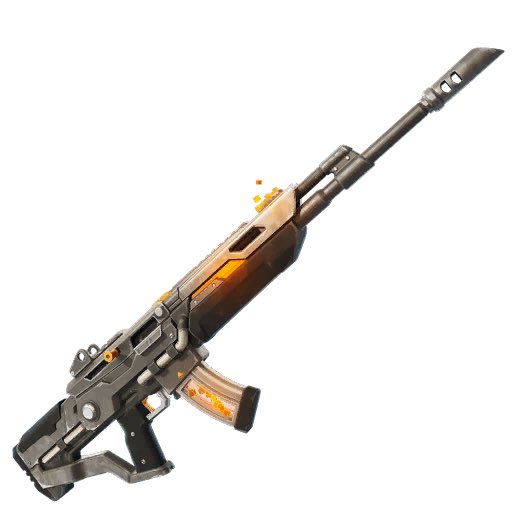
J'suis passé 2 min dans l'film mais c pas pour ça j'suis ap bg 😎
on ne regarde pas un 🥪 juste au pain + Je suis apparemment aigri à vous de voir
@Fcbagnole
@FrostyQuinn94 J’adore ! Mais ultra perturbant, on as pas la sensation d’une nouvel saison mais d’un nouveau chapitre. On reconnais un peu les POI mais tout le reste est nouveau Mais c’est vraiment du poulet cette saison 👌
Après une journée à jouer à la saison quel est votre avis dessus ?
Perso j'aime beaucoup ! On dirait presque un nouveau chapitre MAIS MON CHATEAU DE GLACE ME MANQUE !!!!!!!
#Fortnite
Those only exist in English, and came tens of thousands of years later once everyone had a more complete grasp of the language.
Fun fact about Japanese, you can make a sentence in Japanese without a noun, or a verb! And their words contain dozens of multiple meanings.
Hashi means chopsticks, but also a small bridge that goes over a creek. So depending on the use of the prefix and the following suffix, you could create a sentence like "Pass me the chopsticks on the bridge."
Hashi no tokoro ni aru hashi o watashi ni totte kudasai- Where Hashi is both Chopsticks, and bridge; the literal translation bring "Chopsticks(eating) - Possessive linking verb, to a distance not far from me/bridge. The item in question, give it to me (polite)."
Not all the languages are the same. And we know about earlier language structure and syntax because of how modern languages evolved from them. The English we speak is less than 300 years old.
https://t.co/YdxmrK9mPY
@T_wontmiss Before words were shared, actions were the universal language. Pointing or indicating was the first bridge. By pointing at an object (like a rock or a piece of fruit) and making a specific sound, early humans could associate a vocalization with an object.