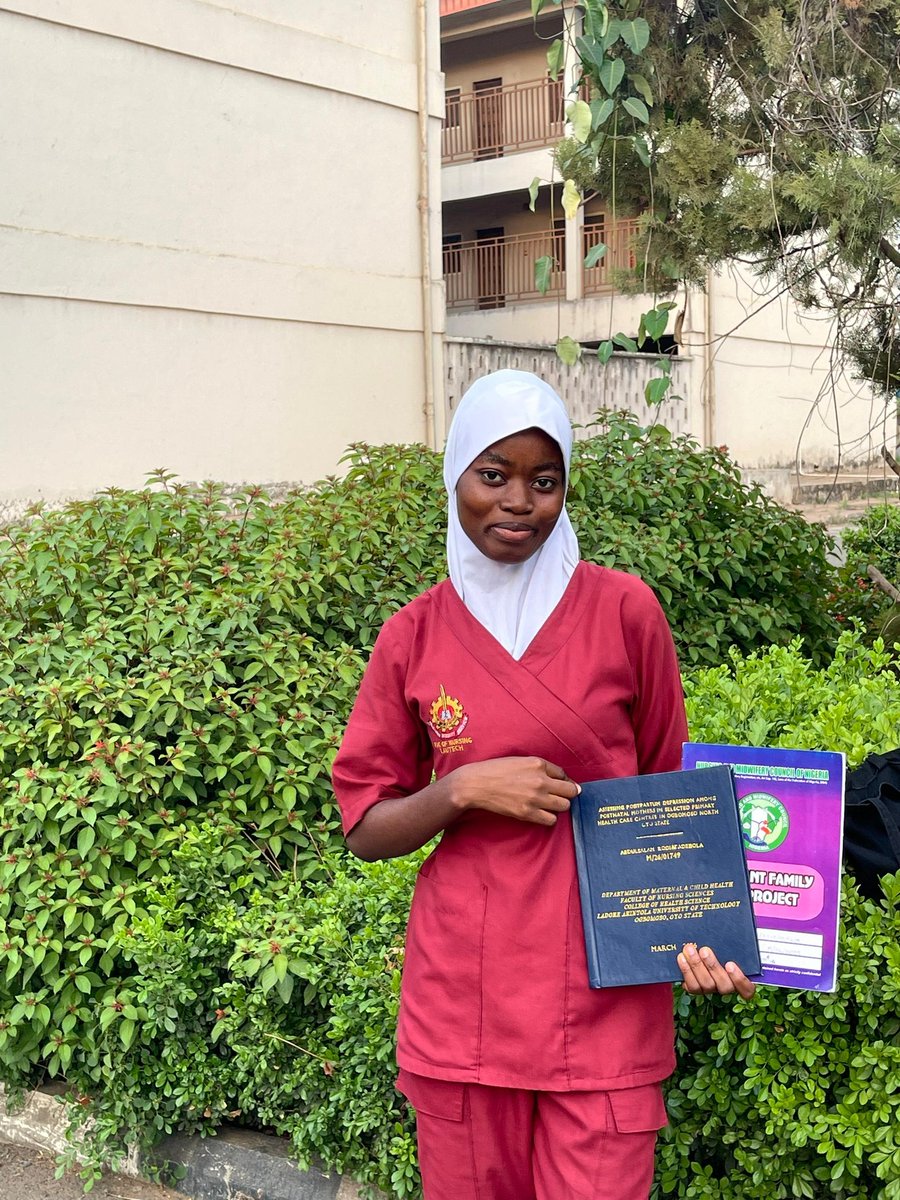
I'm beginning to become enthusiastic about research. ‘Research is not easy', I know right, I used to find it uninteresting.
What am I trying to say in essence? My research journey will not end with my professional exam projects.
Putting this here for reference.
So I was doing a study on the experiences of students who had distinctions in medical school because I wanted to get distinctions myself.
And I began to find out something very interesting.
Most people think that students who get distinctions in medical school are people who read for 12 hours every day.
People who read for 13 hours.
16 hours.
People who do all-nighters every night.
People who read like superheroes.
That was what I thought too.
But what shocked me was something entirely different.
Most of the students I came across who consistently got distinctions read for about four hours every day.
Now, the shocking part was not that they read for four hours.
The shocking part was that they read every single day.
It was more of a consistency thing than an intensity thing.
So I began looking deeper into how these people actually studied.
And honestly, it was surprisingly simple.
Every class they attended, they made sure they understood that lecture that same day.
They reviewed the slides.
They revised the notes.
They tried to understand everything that had been taught before the day ended.
The next day, they would read it again.
Then move on to whatever new material had been taught.
They usually had a plan.
A structure.
A system.
And they simply followed it.
What stood out to me was that they started reading from the beginning of the semester.
Not two weeks before exams.
Not one month before exams.
From the beginning.
Think about that for a second.
If a semester lasts four months or six months, and you've been reading consistently from the very first week, what exactly is left for you to cram when exams arrive?
Nothing.
By the time examinations were approaching, most of them had already covered virtually everything.
While other students were beginning to panic and trying to learn entire courses from scratch, these students were mostly revising and practicing past questions.
That was the first thing I noticed.
The second thing was even stranger.
The students who got distinctions did not seem to have a "time to read."
That completely confused me.
I had always assumed that serious students had strict reading schedules.
Maybe they read from 6 p.m. to 10 p.m.
Or from 8 p.m. to midnight.
Or woke up by 4 a.m. every day.
That was my picture of discipline.
But many of these students seemed to operate differently.
Instead of having a time to read, they had a time for everything else.
Reading was the default.
Reading was normal.
Reading was what they naturally drifted towards.
You would see them lying down with their phones.
Not scrolling social media.
Just casually reviewing slides.
Looking at a pathway.
Studying a diagram.
Reading a note.
Going through a lecture.
Nothing dramatic.
Nothing intense.
Just reading.
It was part of their normal day.
Then they scheduled the other activities.
They had time for TikTok.
Time for football.
Time for movies.
Time for friends.
Time for resting.
Time for fun.
Their timetables were not built around work.
Their timetables were built around everything that was not work.
Work was already assumed.
And that realization hit me hard.
Because most of the suffering associated with studying isn't actually the studying itself.
Most of the struggle comes before the studying.
The real battle is convincing yourself to sit down.
Convincing yourself to open the book.
Convincing yourself to start.
That internal mental resistance is where most people lose.
Once you get past that stage, the difficulty drops dramatically.
Reading a book is not physically strenuous.
The difficult part is beginning.
And these distinction students had solved that problem.
Because studying had become normal to them.
It wasn't an event.
It wasn't something they prepared for.
It wasn't a special activity.
It was simply what they did.
So they could read for an hour and not even feel like they had studied.
They would get tired.
Drop the phone.
People love to glorify the person who writes the prescription but ignore the one who makes sure it doesn’t kill the patient
Nurses don’t just assist they intercept errors, question unsafe orders, and monitor reactions
Happy Nurses Week to the frontline of the healthcare system
It’s Convocation Season at @lautechofficial.
Earning a Nursing Degree has been the most challenging commitment of my life. Now it’s over, I’m headed for greater heights!
Bolarinwa R.T — RN; RM; RPHN; BNSc…⏳
2nd Class (Upper Division).
Soo grateful to my Lord for this one!🥹
Nurses Week is May 6th - 12th. Gift your favorite nurse, student nurse or retired nurse something special.
If you're a nurse, participate in some self care or treat yourself! We deserve it.