mTORC1 underlies age-related muscle fiber damage and loss by inducing oxidative stress and catabolism
Wait, doesn't mTORC1 (or just mTOR) promote anabolism, necessary for muscle growth?
Yes, but chronic activation drives muscle loss.
This is something that many people, both in life extension and in fitness circles, get wrong.
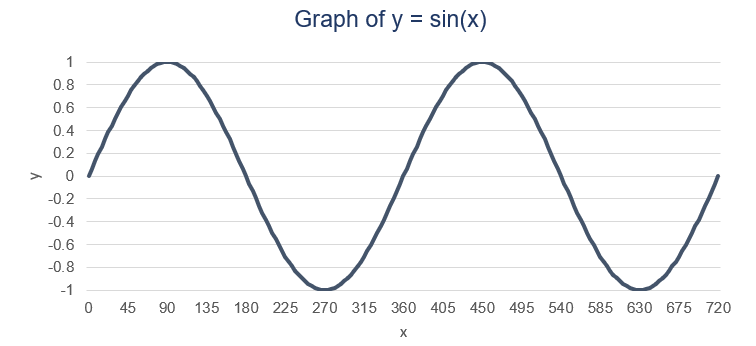
Cyclical, or on and off, activation of mTOR is what you want.
Like a sine wave
To activate mTOR and promote muscle growth: do resistance training, eat protein.
To deactivate mTOR and promote autophagy: fasting, caloric restriction, carb restriction, exercise, heat stress (sauna), cold exposure (cold water), dietary polyphenols (main sources: coffee, tea, red wine, chocolate).
Chronic activation is seen in obesity and insulin resistance, because insulin activate mTOR.
Muscle loss here is evidence for the late @Blagosklonny 's theory that chronic mTOR activation is the main driver of aging.
https://t.co/RFMClf3pcw
No gym ? No excuses❗️Just 5 progressive plank abs moves that target upper, lower, and obliques.
Hold strong, control the movement, feel the burn. Save it and try!
📊 Pandas Cheatsheet Every Data Analyst Should Save
Pandas is one of the most important tools for data analysis. Master these core operations to work faster and more efficiently:
🔹 Read & Inspect Data
head(), shape, dtypes, describe()
🔹 Select & Filter Data
Extract relevant rows and columns with ease.
🔹 Row Selection
Use loc[] (labels) and iloc[] (positions).
🔹 Handle Missing Values
isnull(), dropna(), fillna()
🔹 Group & Aggregate
Summarize data using groupby() and aggregation functions.
🔹 Merge & Join Data
Combine datasets with merge() using different join types.
💡 Key Insight :
Strong Pandas skills help transform raw data into actionable insights faster and more effectively.
🚀 Whether you're a beginner or an experienced analyst, mastering these fundamentals is essential for data analytics success.










![gudanglifehack's tweet photo. 📊 Pandas Cheatsheet Every Data Analyst Should Save
Pandas is one of the most important tools for data analysis. Master these core operations to work faster and more efficiently:
🔹 Read & Inspect Data
head(), shape, dtypes, describe()
🔹 Select & Filter Data
Extract relevant rows and columns with ease.
🔹 Row Selection
Use loc[] (labels) and iloc[] (positions).
🔹 Handle Missing Values
isnull(), dropna(), fillna()
🔹 Group & Aggregate
Summarize data using groupby() and aggregation functions.
🔹 Merge & Join Data
Combine datasets with merge() using different join types.
💡 Key Insight :
Strong Pandas skills help transform raw data into actionable insights faster and more effectively.
🚀 Whether you're a beginner or an experienced analyst, mastering these fundamentals is essential for data analytics success.](https://pbs.twimg.com/media/HQ4lxEbbQAAld-n.png)


