💡Implication: the true burden of the smallest, and potentially most harmful plastics has been severely underestimated.
This is a step toward understanding how micro- and nanoplastics affect human health.
#placenta#publichealth#nanoplastics
Why did we miss this before?
Most methods only detect particles >5 µm and lose tissue context.
👉 Our workflow detects down to ~400 nm, avoids contamination, and preserves histology and letting us map plastics.
#fluorescence#clearing
🌍Microplastics don’t just surround us, they’re inside us. And they’re plentiful.
Our new method reveals thousands to millions of particles per cm³ in human placenta, not just a handful.
Preprint 👉 https://t.co/f6Ih89jSXl
#microplastics#health#toxicology
Gisteren op factcheckers : Zitten er microplastics in kartonnen drinkbekers?
Onderzoek in Roeffaers Lab geeft verduidelijking : https://t.co/8AnMXT6TpX
Herbekijk de uitzending : https://t.co/MzQsCWm2Dw
#microplastics#factcheckers#Research
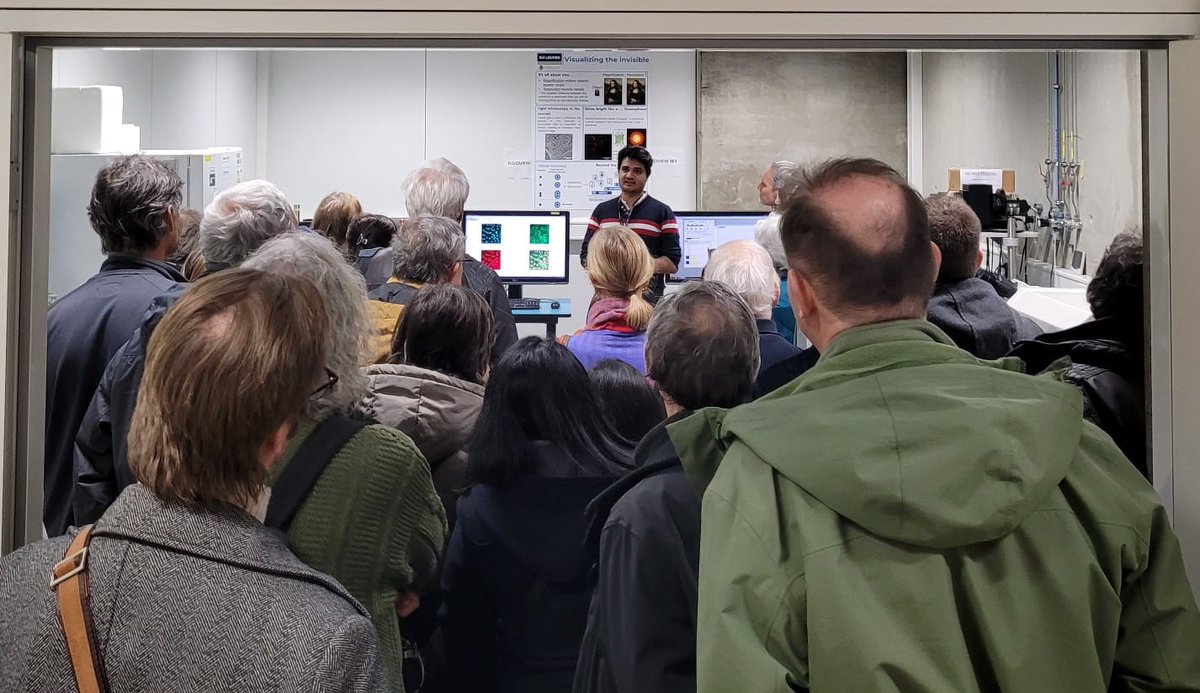
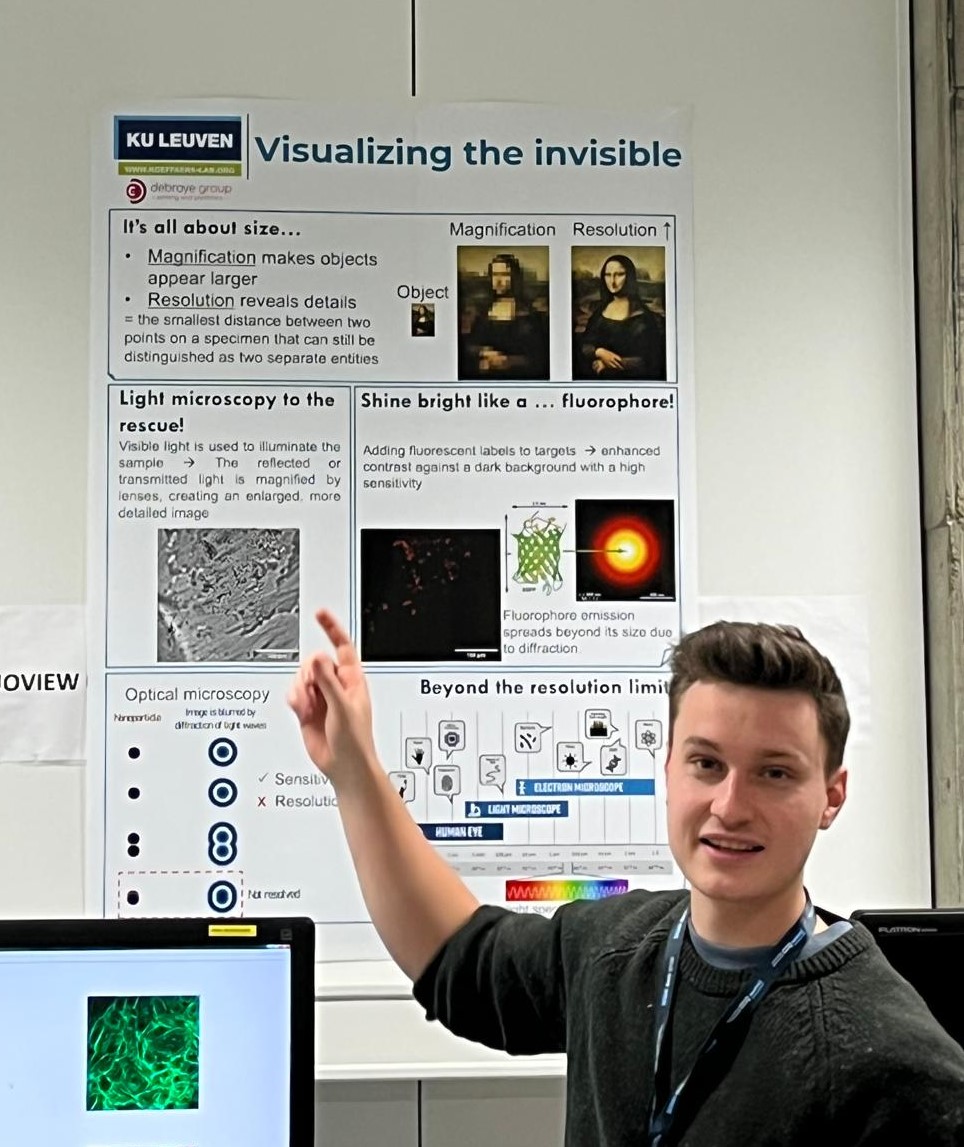
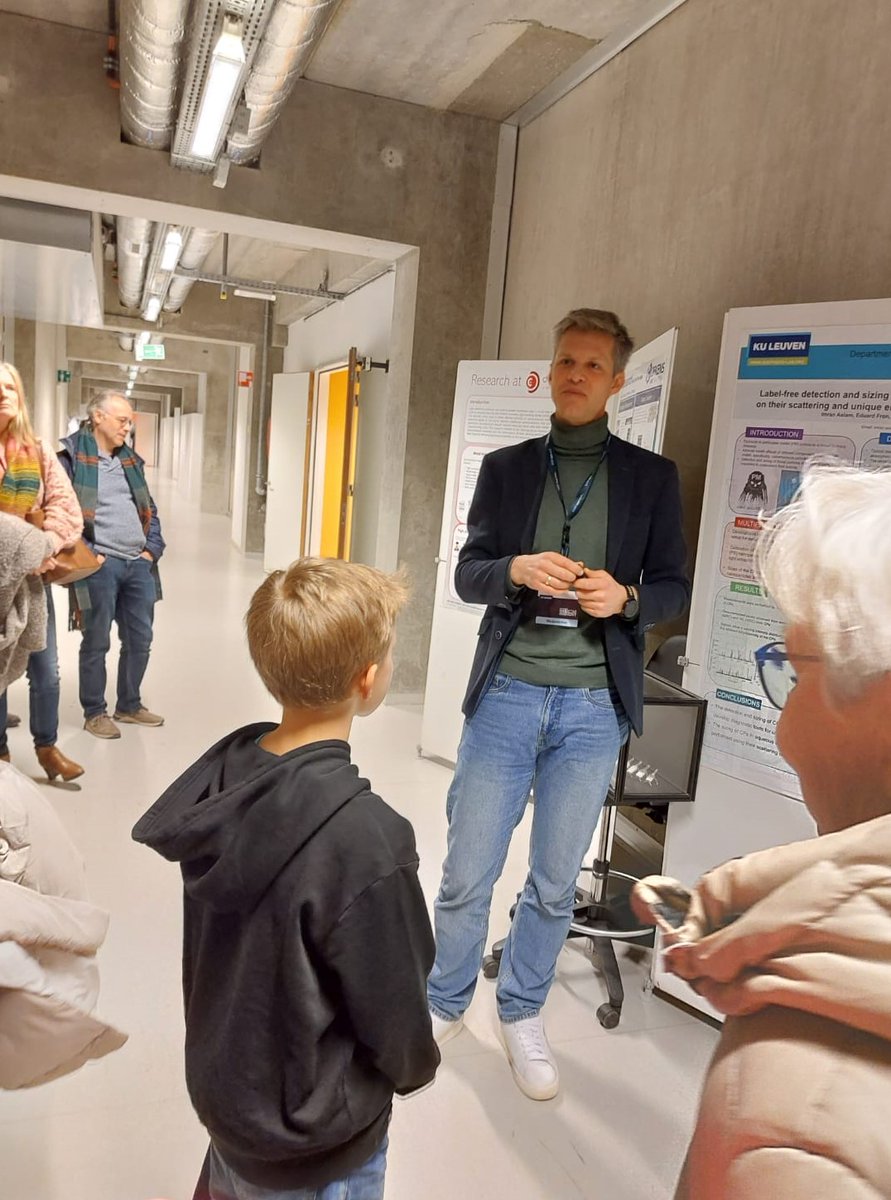
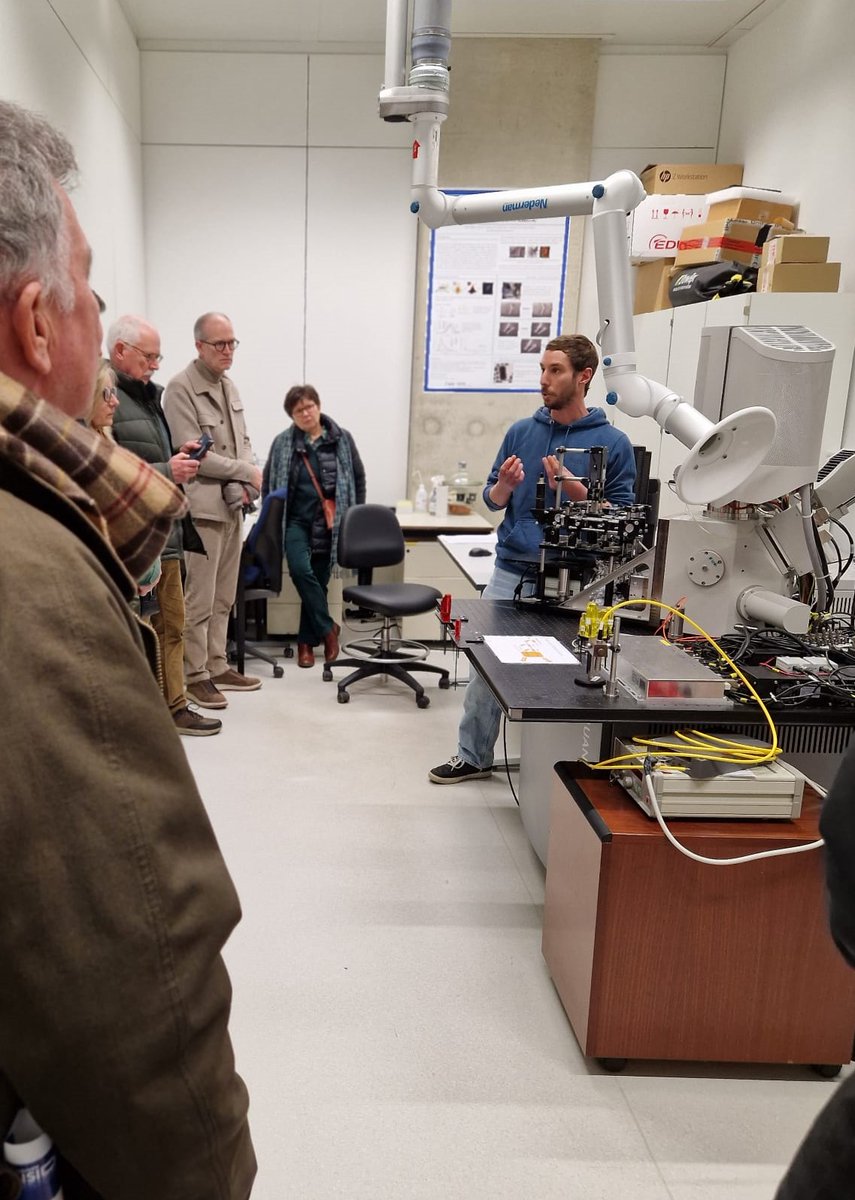
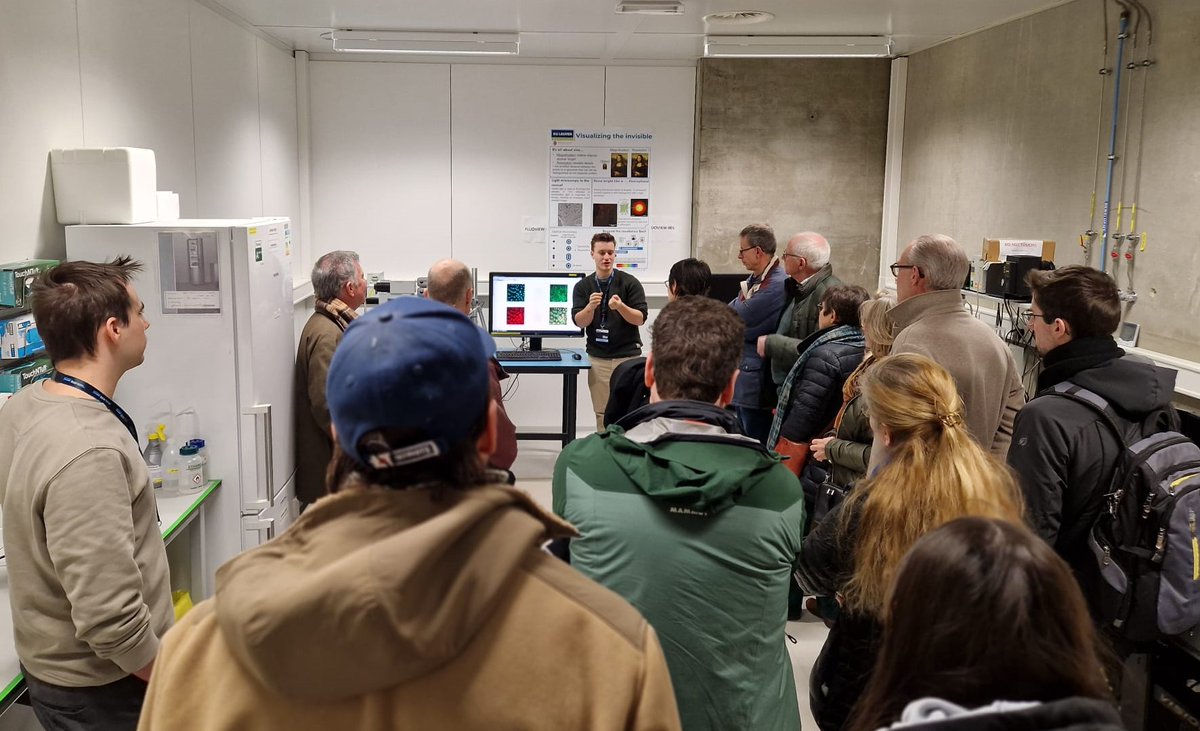
With KU Leuven Inside, the idea to give our students, alumni, and the public at large a unique insight into our university was brought to fruition. And what a success it was!
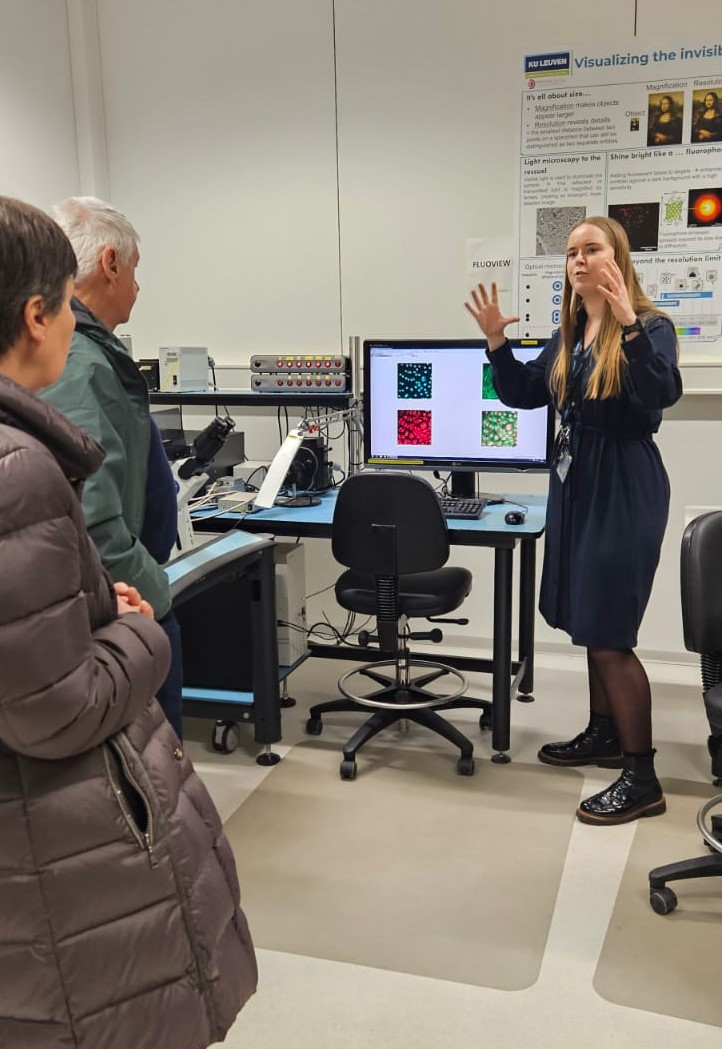
🔬 Nanoparticles under the microscope – KU Leuven Inside. This weekend, we had the pleasure of welcoming a few hundred curious guests to Nanondeeltjes onder de loep 🔍, part of KU Leuven Inside – a celebration of our university’s 600th anniversary 🎉. #KULeuven600#Nanomaterials
Advanced microscopy helps us not only design better materials but also better understand their potential risks.
Centuries old, full of life – and still pushing the boundaries of science.
From phosphors for energy-efficient LEDs 💡 to solar cell layers ☀️, catalysts for cleaner chemistry ⚗️, and the presence of soot and microplastics in food, drinks, and even human tissues 🌱🧬 – we explored the fascinating world of nanomaterials.
Last Friday Dr Michiel De Ras successfully defended his PhD "Electrochemical Nitrogen Conversion". Promotor Prof Hofkens (right) and co-promotor Prof Roeffaers (left) were very impressed by his excellent work!!
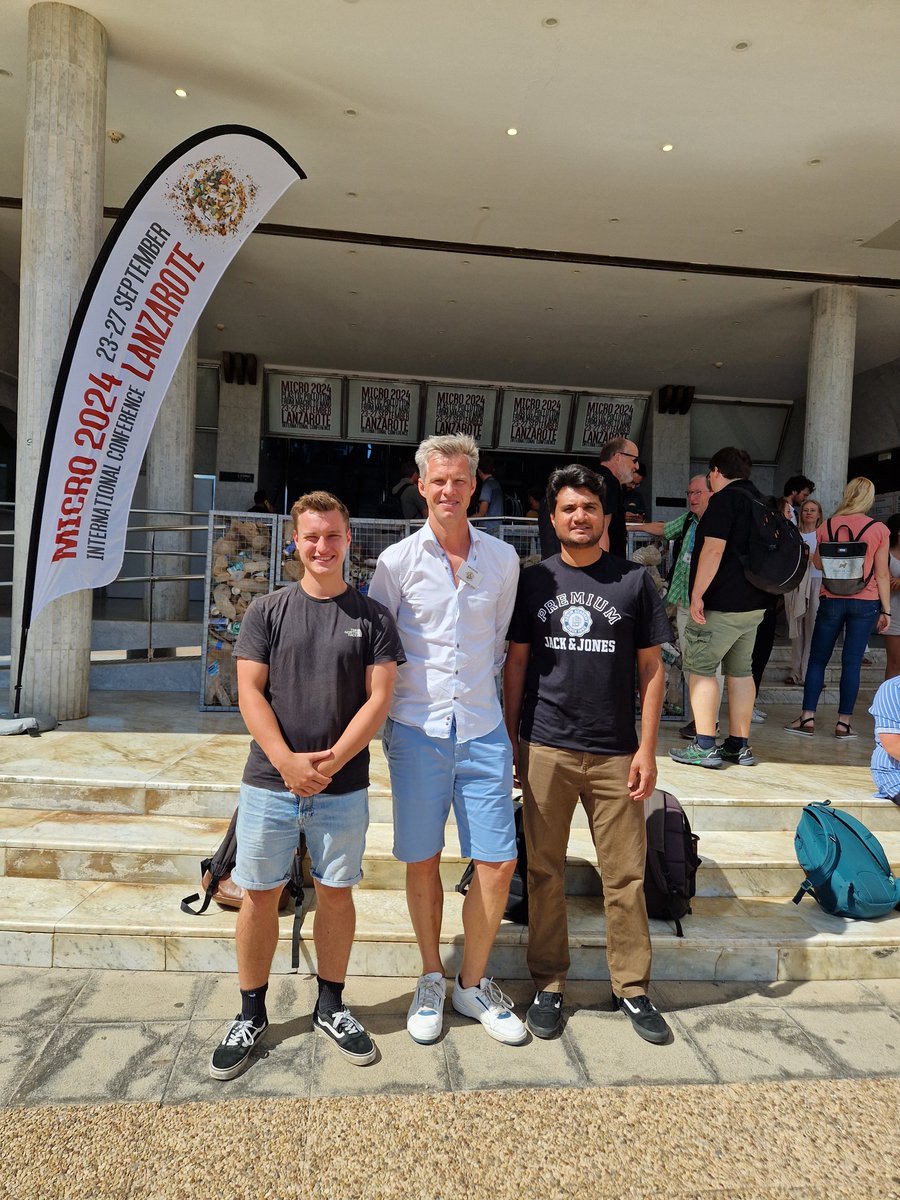
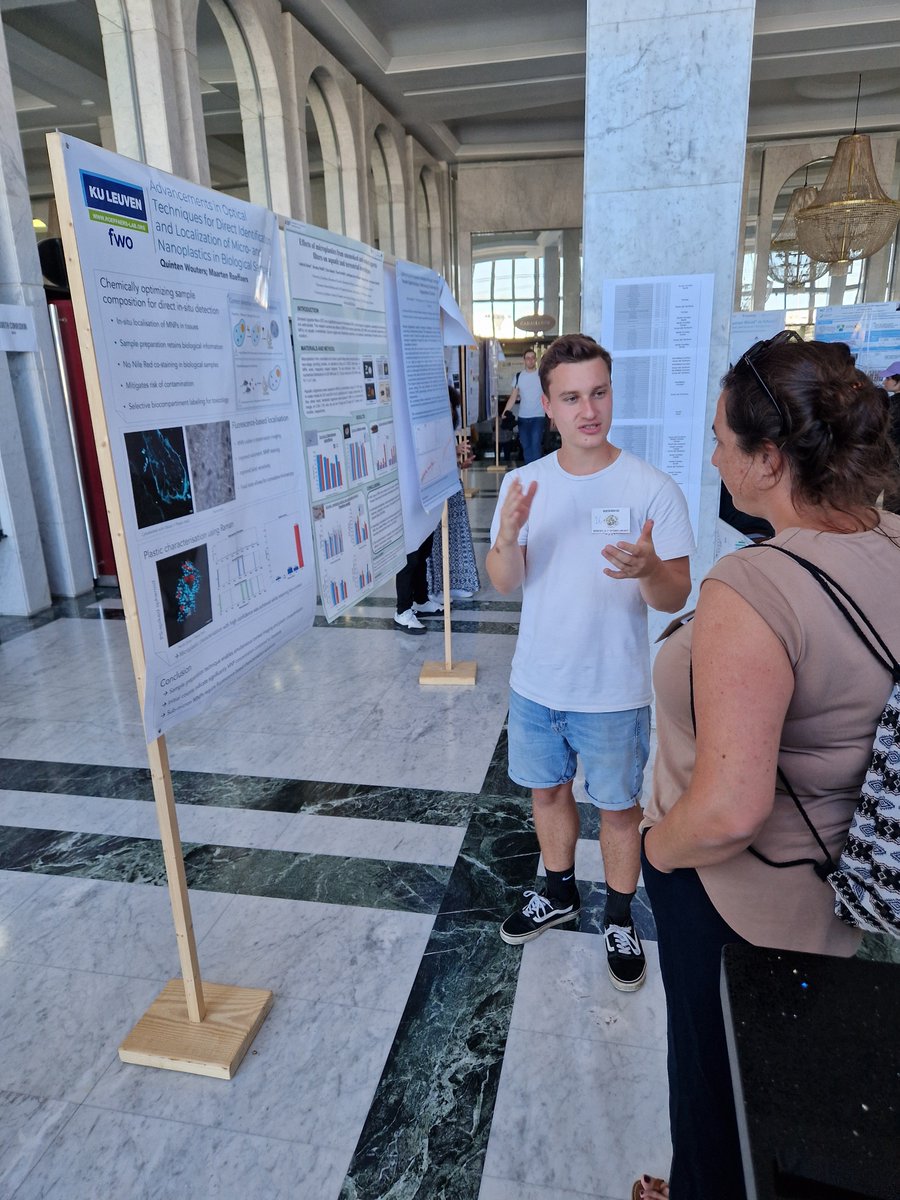
Our team just returned from the inspiring #Micro2024 conference! 🎉 Quinten was the poster king 👑 with his popular work on detecting microplastics in human tissues. Microplastics may be tiny, but the discussions were HUGE! #Microplastics
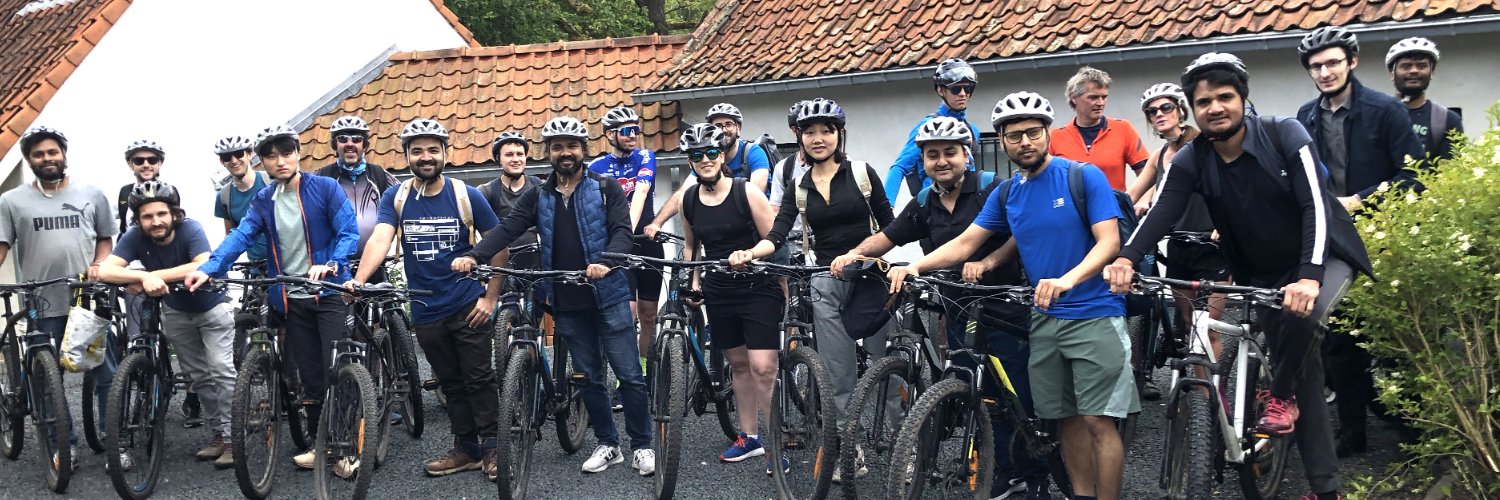
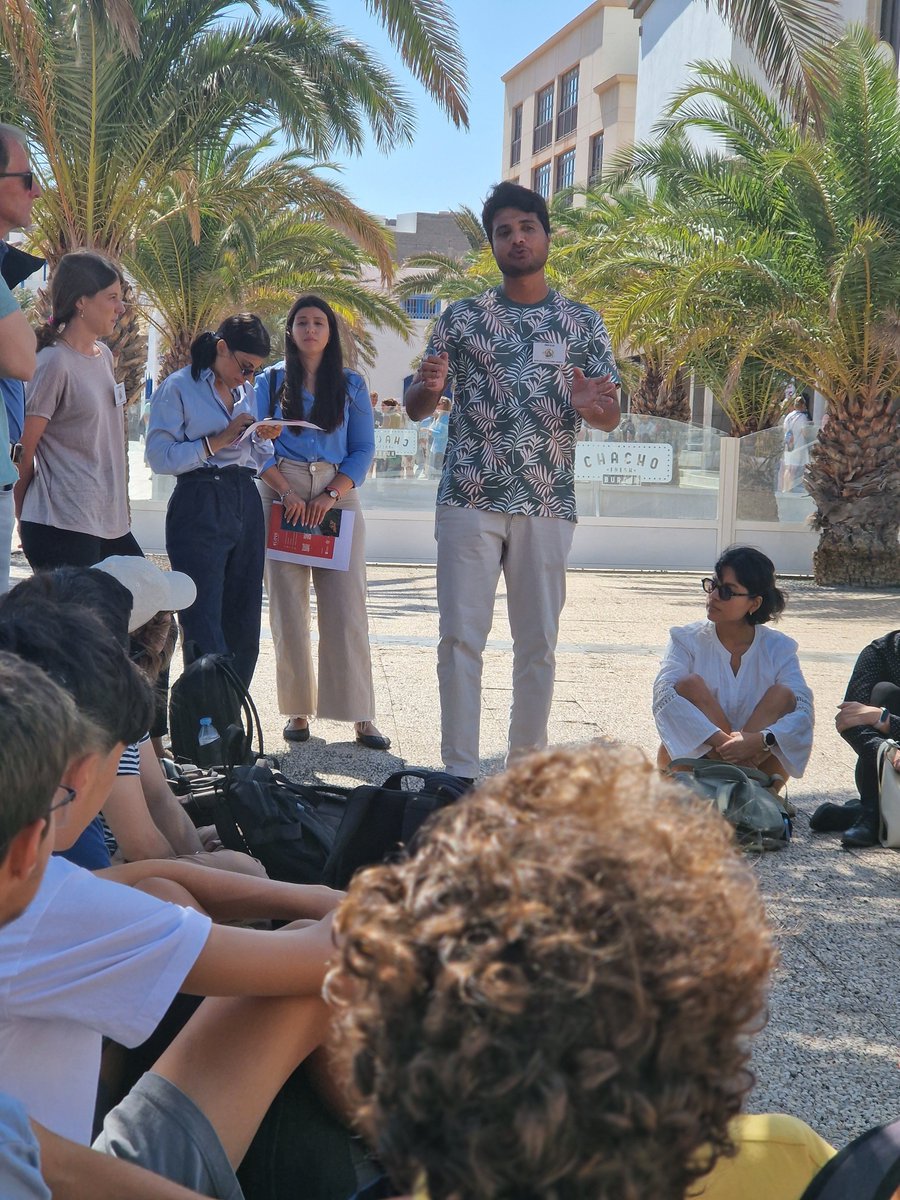
Our team just returned from the inspiring #Micro2024 conference! 🎉 Imran impressed everyone with his walking talks on microplastics detection in drinking water—literally walking and talking science! 🏃♂️💧#Microplastics
Last Friday's lunch was a science feast! We were thrilled to have Prof. H. Zhang (Hong Kong City University) and Prof. N. Yan (UHasselt) join us for delicious food and lively scientific discussions with Prof. J. Hofkens and Prof. F. De Schryver. Great minds, great conversations!
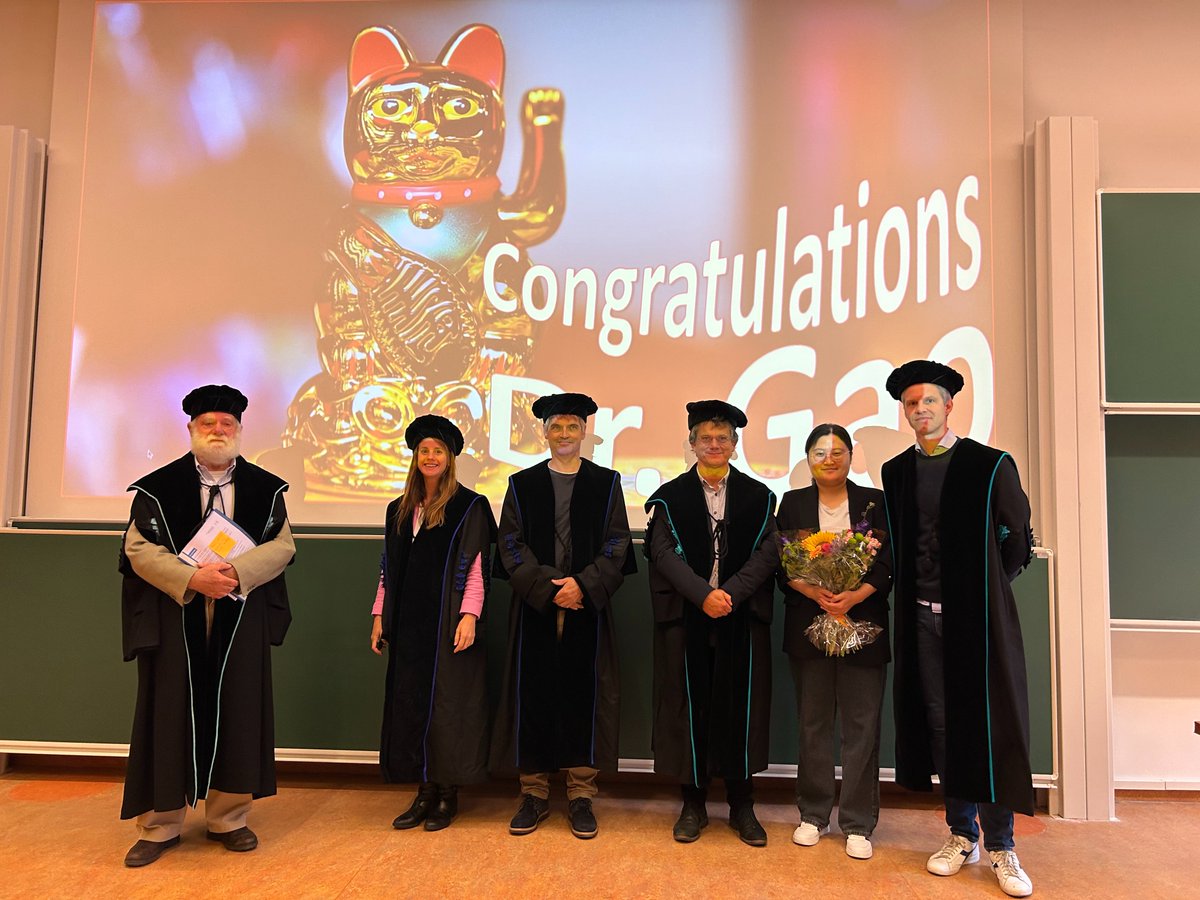
Friday the 13th is unlucky? Yujie Gao turned superstition on its head with a fantastic PhD defense! A huge thanks to the jury:M. De Proft (chair), I. Vankelecom, E. Debroye, S. Defeyter (all KU Leuven), and J. Long (Fuzhou University) and co-promoter J. Hofkens for his guidance!
Electrochemical reduction of nitrate to hydroxylamine on gold electrode : The efficacy of gold (Au) as a selective electrocatalyst for the reduction of nitrate to hydroxylamine, a valuable nitrogen-based chemical, while also evaluating the by-product formation of ammonia.
On Thursday 11th of November, Wouter Vandezande successfully defended his PhD : "Experimental and theoretical development of FO-SPR sensors for monitoring the formation of MOF recognition layers to sense vocs." Big congratulations to Dr. Ir. Wouter Vandezande!!
On Wednesday 8th of November, Harshita Bhatia successfully defended her PhD entitled : "Designing Synthetic Strategies Toward Water-Compatible Perovskite Nanocrystals for LED Application"
Big congratulations to Dr. Harshita Bhatia !! https://t.co/6NbzN3e8YY