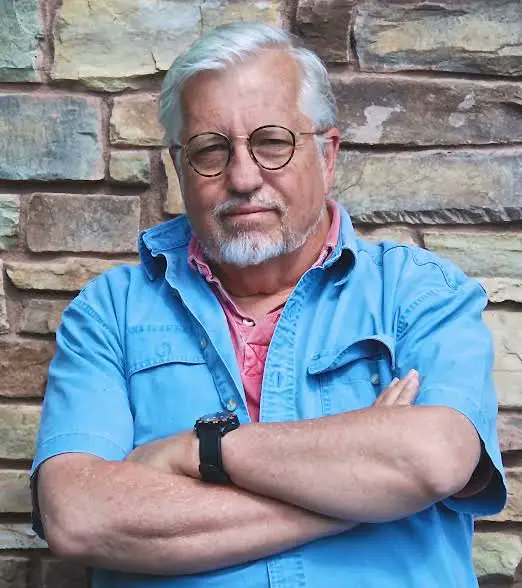
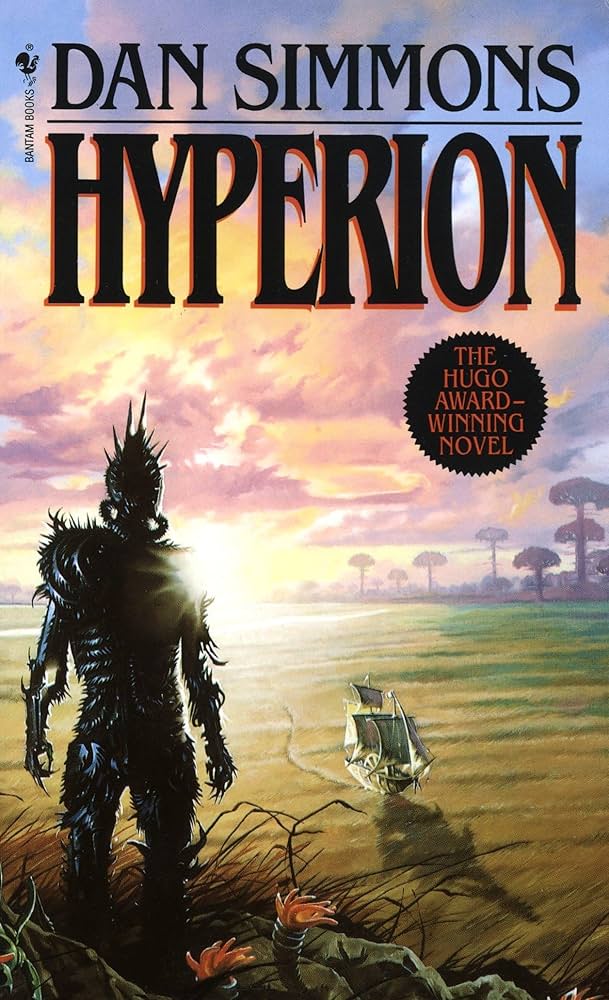
We are saddened to hear of the passing of Dan Simmons. His complex and genre-bending stories such as Hyperion Cantos will have a lasting impact on SFF for generations to come 💚
Legendary sci-fi writer Dan Simmons has passed away of a stroke.
Hyperion is one of science fiction's greatest literary works. He was amazing and inspirational, and he kept out of the public eye in recent years after the left went after him for questioning climate change.
He will be missed.
Legendary sci-fi writer Dan Simmons has passed away of a stroke.
Hyperion is one of science fiction's greatest literary works. He was amazing and inspirational, and he kept out of the public eye in recent years after the left went after him for questioning climate change.
He will be missed.
@binding_broken TBB:
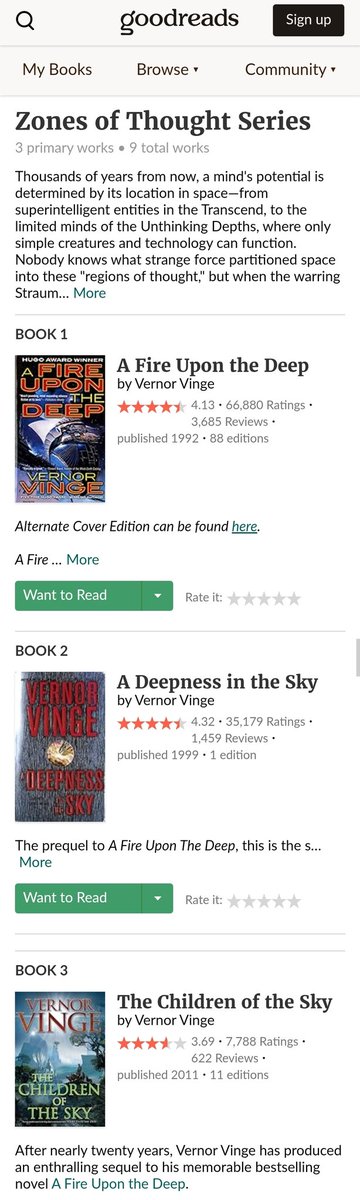
Please consider "Zones of Thought Series" as a special To the Stars addition to complement series like Hyperion and Sun Eater, etc..
We think revitalising Vernor Vinges work in Premium Hardcover would be a great addition to the SciFi collectors bookshelves 🙏
What Elon Musk just did in his $97 billion bid for OpenAI is genius.
The previous go-private price was $40 billion.
He’s playing chess.
Here’s why.
Delaware courts apply something called the “Revlon” rule to M&A bidding situations.
When a board decides to sell a company, their legal fiduciary duty shifts to getting the highest price for shareholders.
But OpenAI isn’t a normal company.
It started as a nonprofit, then created a for-profit arm, OpenAI LP, to raise investment. That structure creates a legal gray area.
Musk’s bid isn’t just about buying OpenAI. It’s about forcing a decision.
If OpenAI’s board even considers transitioning fully into a for-profit company, Musk’s bid puts them in a position where they might have to apply Revlon rules, maximizing value just like any other corporate sale.
It’s a strategic move that could expose whether OpenAI is still mission-driven or if it’s already just another big tech company playing by Wall Street rules.
And that’s the real play.
Musk is challenging OpenAI’s leadership on both a legal and ethical level, testing whether their decisions align with their original vision or the financial incentives of investors like Microsoft.
Sam Altman and OpenAI’s board rejected Musk’s offer outright. But that response raises more questions than it answers.
You see, they probably have a duty to create a special committee, consider all offers and entertain an auction.
If OpenAI isn’t a company that can be bought, why did they take billions in investment?
If they are a company that can be bought, why turn down $97 billion?
Either way, Musk has put them in a position where they have to justify their existence, not just to him, but to the Delaware Chancery Court.