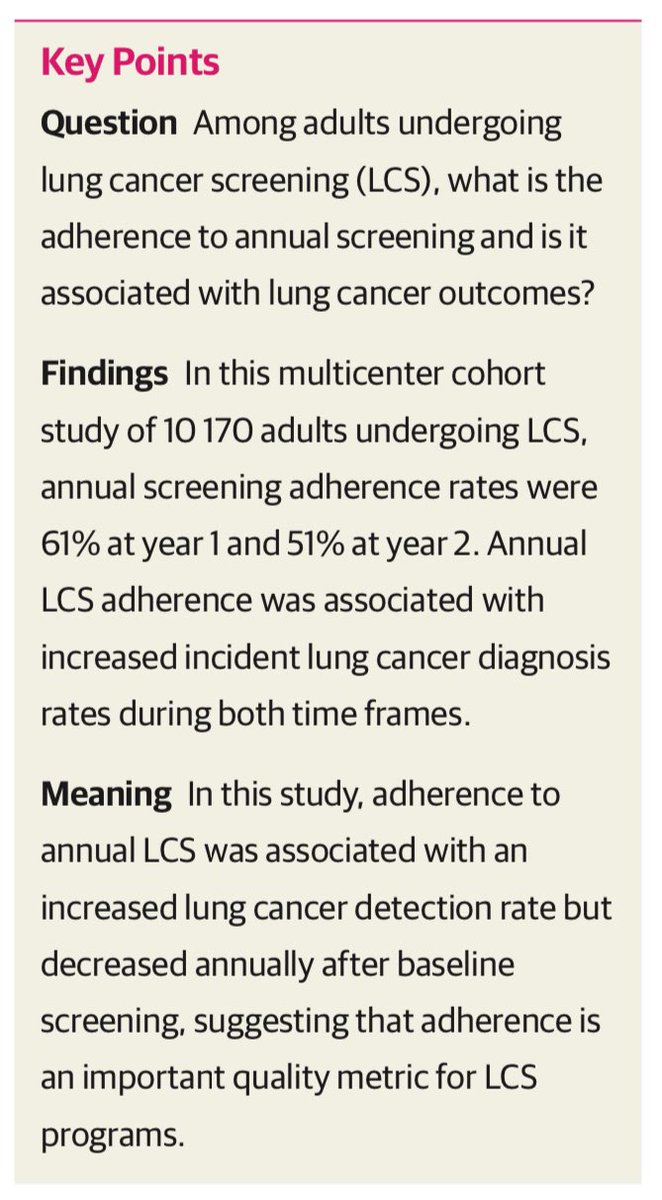
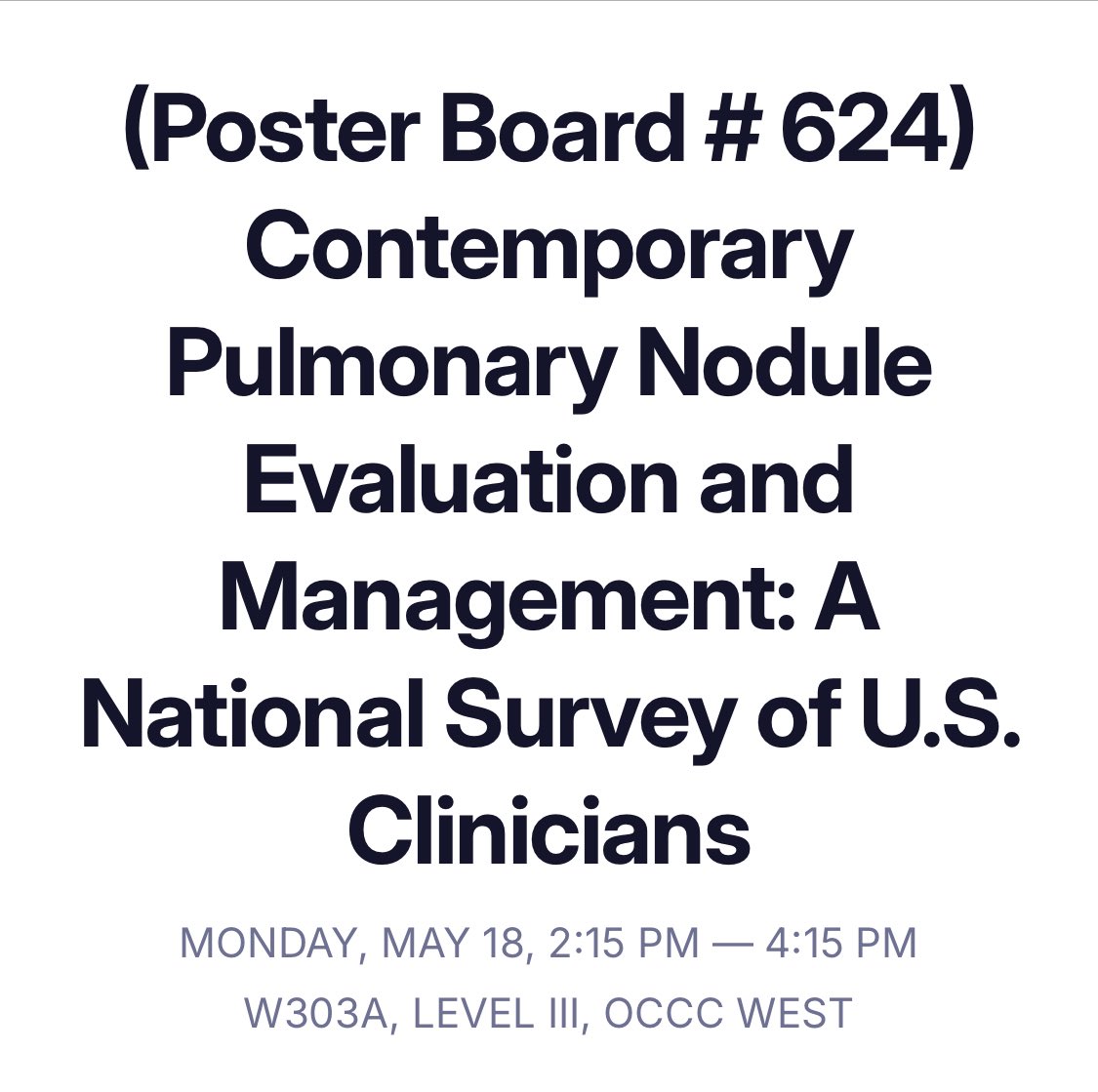
Annual #LungCancer screening is associated with an increased lung cancer detection rate but decreases annually after baseline screening. @RogerKimMD@dpritzwoller@LungPRC https://t.co/1rbj6P33M8
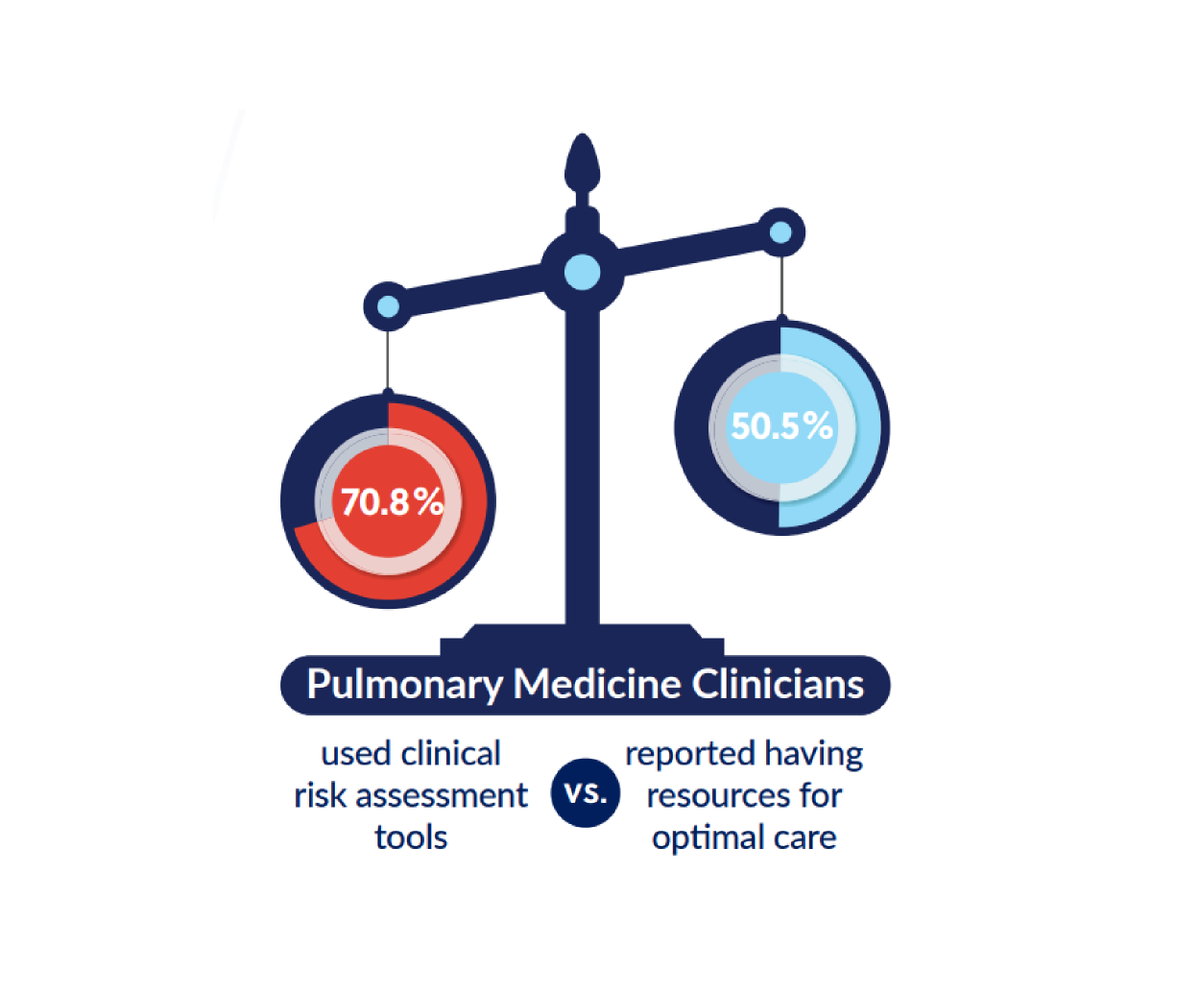
ICYMI from our Impact Report: A national survey led by @RogerKimMD & @kate_rendle found that only half of pulmonary clinicians reported having the resources needed to provide optimal care, despite most reporting use of clinical risk assessment tools.
https://t.co/B6gEWTBt7q
Here’s my hot take: genAI should have absolutely NO ROLE in scientific writing (manuscripts or grant proposals). Instead, humans should spend time researching, thinking, and writing about topics they care about and hope to improve.
A study published in @journal_CHEST found that the use of an #AI radiomics-based computer-aided diagnosis tool by advanced practice providers increased diagnostic accuracy & procedure recommendation for Pulmonary Nodules.
Led by PC3I Faculty @RogerKimMD
https://t.co/MVG31DQv2l
🫁 Lung cancer screening saves lives, but only when the full pathway works efficiently.
A new review in Current Opinion in Pulmonary Medicine highlights how lung cancer screening diagnostic efficiency can be improved across three key domains:
📌 Eligibility and uptake
📌 Adherence to annual screening
📌 Diagnostic evaluation of concerning findings
Low-dose CT screening has reduced lung cancer mortality in major trials, but real-world implementation remains complex.
The goal is not only to detect early-stage lung cancer.
It is also to avoid diagnostic harm.
That means reducing:
➡️ False negatives
➡️ False positives
➡️ Unnecessary invasive testing
➡️ Nonmalignant surgical resections
➡️ Overdiagnosis of indolent lesions
➡️ Unnecessary workup of incidental findings
The review emphasizes several practical opportunities:
✅ Better identification of eligible patients
✅ Improved smoking history documentation
✅ Centralized screening programs to support adherence
✅ Standardized follow-up after positive screens
✅ Better pulmonary nodule risk assessment
✅ More coordinated invasive diagnostic pathways
✅ Careful management of subsolid nodules and incidental findings
The takeaway:
The future of lung cancer screening quality will depend not only on how many people are screened, but on how safely and efficiently patients move from eligibility to diagnosis, treatment, or surveillance.
Reference: Caruso and Kim, Current Opinion in Pulmonary Medicine, 2026.
@RogerKimMD
🚨@AAB_IP Podcast Ep 81 is out! @bertsalguero & @criticalMD dive into the future of peripheral bronchoscopy ablation — why it matters and where the field is headed. Now on Spotify, SoundCloud, and Apple Podcasts! @ucsdpccm@ColumbiaMed
📢🚨Hot Off The Press🚨📢
Dr. Bischin's abstract won a scholarship from the Thoracic Oncology Assembly 🏆 Congratulations, we are proud of you!!!! @Yalepccsmfellow@caroymalo#Bestfellows#ATS2026
Had fun sharing insights on “Finding Your Niche” at the #ATS2026 New Faculty Bootcamp! We discussed 1) having a scientific identity and 2) getting others excited about your work.
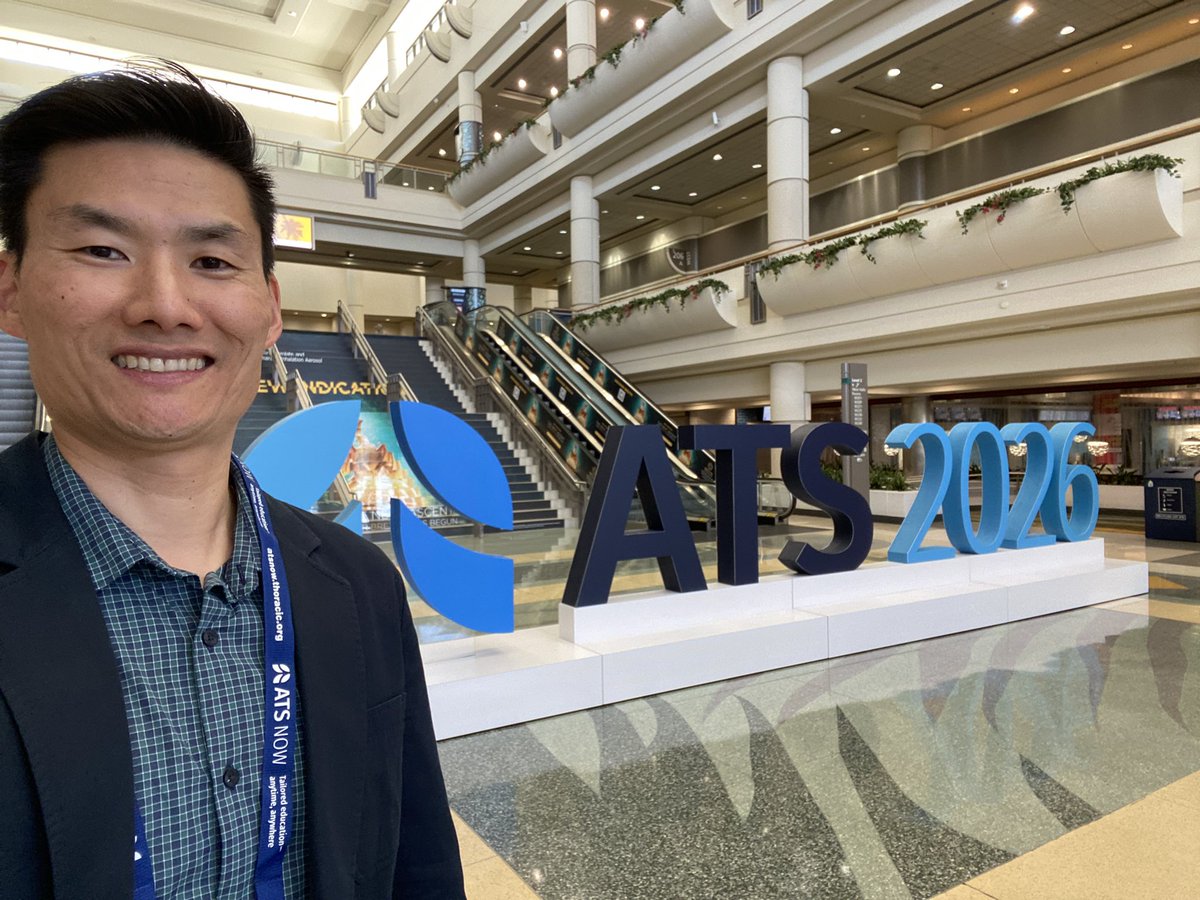
First meeting of #ATS2026 complete!
Proud to be part of the @AnnalsATS editorial team, helping to disseminate timely, rigorously performed impactful clinical research study findings to the clinical and scientific communities.
Grateful to have participated in the @NLCRTnews#ImpSci summit, where #LungCancerScreening leaders/experts shared our work, collaborated, and workshopped issues, aims, & strategies to guide future efforts + best practices 🫁
Thx to the program committee for bringing us together!