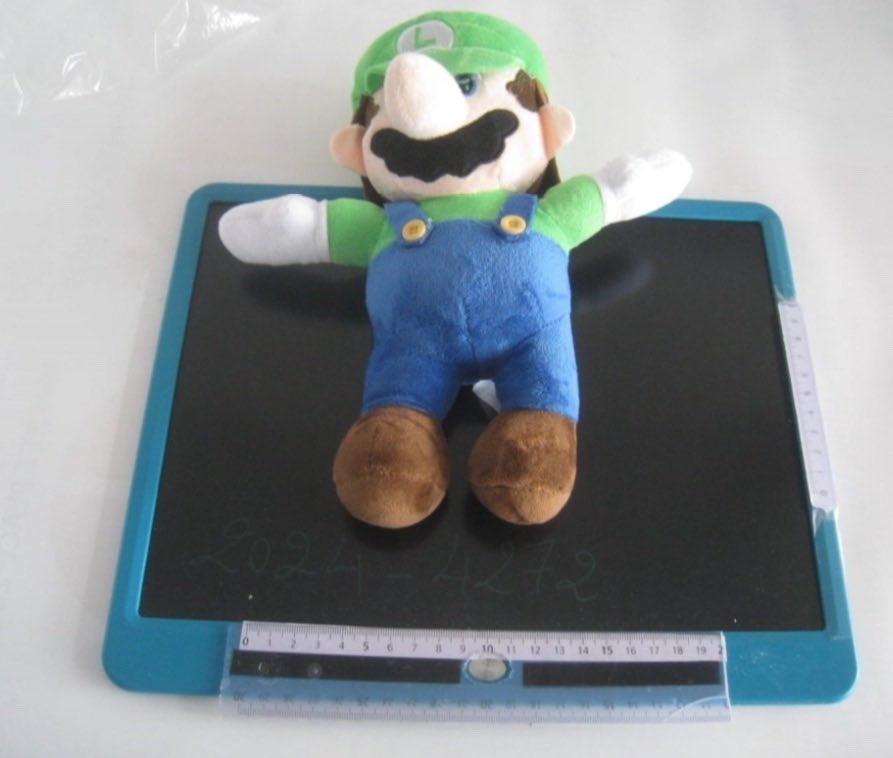
#RappelProduit Peluche - Peluche
Risques : Arrêt respiratoire
Motif : Peluche non conforme et dangereuse , en raison de la présence de petits éléments ( 2 boutons) qui se détachent trop facilement
https://t.co/yZO5NHYifv
In ancient Mesopotamia, around 1750 BC, an interesting incident occurred involving the first documented complaint, albeit in the form of a clay tablet. The complaint was composed by a man named Nanni and addressed to a merchant named Ea-nasir. Nanni expressed his frustration regarding the merchant's delivery of the incorrect grade of copper, despite having already made the payment. Additionally, Nanni highlighted his displeasure with Ea-nasir's disrespectful behavior towards Nanni's servant during their confrontation.
Curiously, this was not an isolated incident involving Ea-nasir. Archaeologists discovered over a dozen similar "letters" within Ea-nasir's residence. It became evident that Ea-nasir had gained a reputation for failing to deliver products that had been paid for or for mistakenly sending them to the wrong recipients. Moreover, whenever his business ventures faced challenges, he would promptly initiate a new enterprise.
These clay tablets, serving as historical evidence, shed light on early consumer complaints and the unethical practices of certain merchants during that era. The discovery of multiple complaint tablets offers a glimpse into the frustrations and grievances faced by customers, emphasizing the importance of fair trade and ethical business practices, even in ancient times.