I'm proud to be Catholic I have mental health and anxiety and depression adhd saints of the day love England catholic 8th of April 2023 love England and Wales
Two English saints, one timeless lesson: no earthly authority stands above the truth.
Ss Thomas More and John Fisher chose conscience over comfort and God above all else.
Nearly five centuries later, their witness still challenges us to ask where our deepest loyalty truly lies.
Saint Thomas More (1478-1535) and Saint John Fisher (1469-1535)
Feast day: June 22 (New), July 9 (Trad)
They resisted King Henry VIII's royal supremacy over the Church of England. They were tried, convicted, and killed. https://t.co/KFZTpSOJIv
Pope Leo XIV says prayer and contemplation are essential for authentic Christian witness, helping believers reflect Christ in everyday life.
https://t.co/GWGjT4IQmT
St. Aloysius Gonzaga, pray for us. He practiced severe penances, yet with the spiritual guidance of St. Robert Bellarmine, obediently toned them down. He died while caring for plague victims. https://t.co/APLx7lQv03
Pope Leo XIV says caring for creation is not optional but a requirement of faith, urging believers to recognize the moral and spiritual dimensions of environmental stewardship.
https://t.co/9JUxCVv4Os
St. Florentina, pray for us. She was the sister of three bishops, St. Leander, St. Isidore of Seville, and St. Fulgentius. She embraced the ascetic life & with St. Leander founded a convent for her, where she became abbess as a cloistered nun. https://t.co/d1kl4MgYPB
O God, by whose grace Saint Alban
gave himself up for his friend
and received the martyr’s crown
as the first in this land to shed his blood for Christ,
grant, we pray,
that, following his example
and supported by his prayers,
we may worship you, the living God,
and give true witness to Christ our Lord.
Who lives and reigns with you in the unity of the Holy Spirit,
God, for ever and ever.
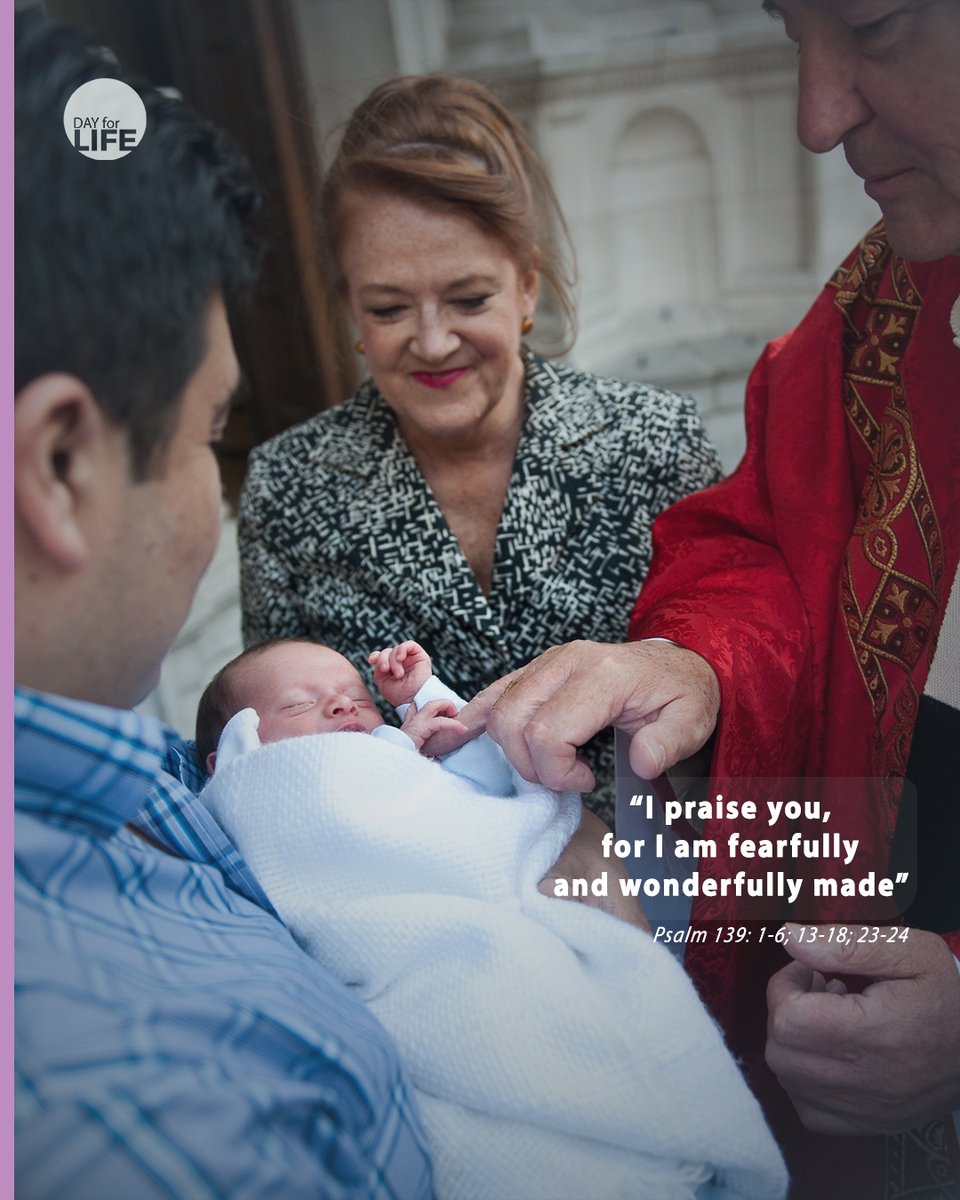
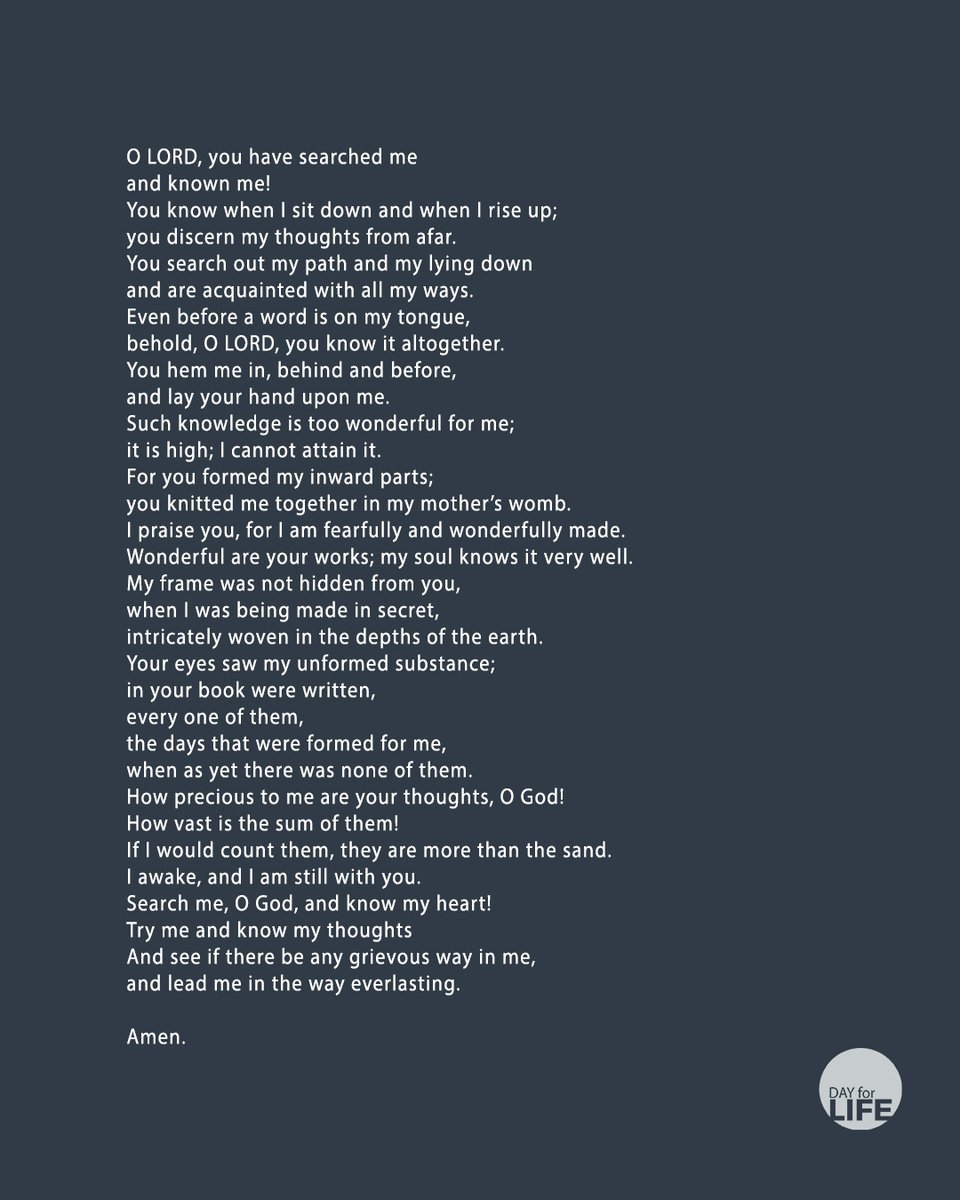
On Sunday 21 June, the Church across Britain and Ireland will unite for Day for Life 2026.
In a joint message, the bishops remind us of the dignity of every human life and the unique gift that every child brings to a family.
Read more ⬇️
From a Eucharistic miracle to the hymn that still accompanies adoration throughout the world today: the story of the Tantum Ergo and the mystery of Christ’s Real Presence in the Eucharist.
WATCH HERE 👉 https://t.co/lcG1AuajXZ
Saint Juliana Falconieri, pray for us. She founded the Servite Tertiary Sisters, who dedicate their life to prayer, penance, & caring for the sick and those in need. https://t.co/InlpGJh2HX
O God, who through Saint Romuald renewed
the manner of life of hermits in your Church,
grant that, denying ourselves and following Christ,
we may merit to reach the heavenly realms on high.
Through our Lord Jesus Christ, your Son,
who lives and reigns with you in the unity of the Holy Spirit,
God, for ever and ever.
Peruvian President José María Balcázar said Pope Leo XIV has given him “permission” to confirm to reporters the pope’s intention to visit five cities in the country — Lima, Chiclayo, Piura, Pucallpa, and Cusco — during the first half of November.
“He has confirmed to us that he will be in Peru in the first half of November. From Lima, he will go to Chiclayo, from Chiclayo to Piura, from Piura to Pucallpa, in the jungle, and he would also visit Cusco,” he said, following a private meeting with Pope Leo XIV at the Vatican on June 18.
The president noted that the team responsible for organizing papal flights will ultimately determine the route.
He also did not rule out a possible stop in Arequipa: “As [Pope Leo] will handle it, according to his team of cardinals and the way he plans everything, it’s possible that he could also be in Arequipa.”
Balcázar also said he offered the pontiff several suggestions. Among them, he proposed that after his visit to Chiclayo, he could travel by helicopter “to the Andean area of Incahuasi and Cañaris, which is a very poor, Quechua-speaking region that he knows very well.”
“We have offered him a helicopter to reach any place he wishes quickly, because he wants to cover as many small towns as possible in the north and also in the jungle and Cusco,” he told the group of journalists, among them EWTN News, waiting for him after his private audience with the Holy Father.
The president described the meeting as “magnificent and friendly” and highlighted as a meaningful detail that he is a “congressman for Lambayeque, Chiclayo,” the city where the pope lived from 2015 to 2023.
“We have known each other before,” he explained, referring to the reason why the private audience, held in the Vatican’s Apostolic Library, lasted “almost two hours.”
Balcázar’s visit coincided with the vote count from the second round of Peru’s presidential elections. According to the president, they discussed the country’s political situation, especially the need for the transition of power after the election to be “as orderly as possible, without major conflicts, and for the loser to recognize the winner.” He added that the pope “is concerned that we are still in the middle of this vote.”
The official proclamation of the winner is expected in mid-July.
During the meeting, they also discussed the encyclical Magnifica Humanitas, published May 25, which focuses on issues such as artificial intelligence and human rights. “We went through his entire encyclical, which, of course, I have read, and what comes through is a powerful call to the common good,” he said.
They also spoke about migration. The pope, Balcázar explained, is “aware that there are criminals who migrate from one country to another,” but at the same time is “even more aware that we should not persecute migrants moving from one country to another, because the world has always been marked by migration everywhere, and those migrants must be given the right to life, especially, as he emphasizes, in a very important chapter on human rights.”
“Those human rights must have concrete substance, not just a lyrical declaration, but must be translated into material and objective realities,” he added.
After leaving the Apostolic Palace around 1 p.m. Rome time, the president went to the Vatican Gardens, where he stopped to pray before the image of St. Rose of Lima, enthroned in a historic ceremony presided over by the pope in January.
According to the Vatican, in the subsequent meeting with Secretary of State Cardinal Pietro Parolin and the secretary for relations with states and international organizations, Archbishop Paul Richard Gallagher, “satisfaction” was expressed over the good relations between the Holy See and Peru, along with a desire to strengthen them further.
They also discussed “matters of common interest, including socioeconomic developments, illegal mining activity, the promotion of the common good and dialogue, and efforts to foster social cohesion.”
Likewise, “there was an exchange of views on the regional and international sociopolitical situation, with particular attention to migration, organized crime, and the repercussions of conflicts.”
At the beginning of June, Balcázar stated that Leo XIV would visit Peru on Nov. 10, though several months remain before the trip and the Holy See has not yet officially confirmed the final itinerary.
https://t.co/RLzDUR7oTZ
18 June 1815 - Today marks the anniversary of the Battle of Waterloo.
On this day, the British Army under the Duke of Wellington, fighting alongside its allies, defeated Napoleon and brought an end to his ambitions in Europe. Waterloo became one of the greatest victories in British military history. British infantry stood firm under relentless attack throughout the day, enduring artillery bombardment, cavalry charges and repeated assaults before finally driving the French army from the field.
The name Waterloo became synonymous with courage, discipline and determination. It cemented Wellington's place among Britain's greatest commanders and remains one of the defining moments of the British Army's history.
We remember today the soldiers who fought and died on the fields of Waterloo on 18 June 1815. 🇬🇧
On this day in 1815, British forces and their European allies stood together at Waterloo in one of history's most decisive battles.
Facing sustained artillery fire and fierce close-quarters fighting, thousands of soldiers endured immense hardship and sacrifice. With the arrival of Prussian forces, the battle was won, bringing an end to the Napoleonic Wars.
Today, we remember all those who served at Waterloo and honour the sacrifices they made. Their service remains an enduring part of our shared history.🌺
Photo: Thomas Jones Barker, Public domain, via Wikimedia Commons






![EWTNews's tweet photo. Peruvian President José María Balcázar said Pope Leo XIV has given him “permission” to confirm to reporters the pope’s intention to visit five cities in the country — Lima, Chiclayo, Piura, Pucallpa, and Cusco — during the first half of November.
“He has confirmed to us that he will be in Peru in the first half of November. From Lima, he will go to Chiclayo, from Chiclayo to Piura, from Piura to Pucallpa, in the jungle, and he would also visit Cusco,” he said, following a private meeting with Pope Leo XIV at the Vatican on June 18.
The president noted that the team responsible for organizing papal flights will ultimately determine the route.
He also did not rule out a possible stop in Arequipa: “As [Pope Leo] will handle it, according to his team of cardinals and the way he plans everything, it’s possible that he could also be in Arequipa.”
Balcázar also said he offered the pontiff several suggestions. Among them, he proposed that after his visit to Chiclayo, he could travel by helicopter “to the Andean area of Incahuasi and Cañaris, which is a very poor, Quechua-speaking region that he knows very well.”
“We have offered him a helicopter to reach any place he wishes quickly, because he wants to cover as many small towns as possible in the north and also in the jungle and Cusco,” he told the group of journalists, among them EWTN News, waiting for him after his private audience with the Holy Father.
The president described the meeting as “magnificent and friendly” and highlighted as a meaningful detail that he is a “congressman for Lambayeque, Chiclayo,” the city where the pope lived from 2015 to 2023.
“We have known each other before,” he explained, referring to the reason why the private audience, held in the Vatican’s Apostolic Library, lasted “almost two hours.”
Balcázar’s visit coincided with the vote count from the second round of Peru’s presidential elections. According to the president, they discussed the country’s political situation, especially the need for the transition of power after the election to be “as orderly as possible, without major conflicts, and for the loser to recognize the winner.” He added that the pope “is concerned that we are still in the middle of this vote.”
The official proclamation of the winner is expected in mid-July.
During the meeting, they also discussed the encyclical Magnifica Humanitas, published May 25, which focuses on issues such as artificial intelligence and human rights. “We went through his entire encyclical, which, of course, I have read, and what comes through is a powerful call to the common good,” he said.
They also spoke about migration. The pope, Balcázar explained, is “aware that there are criminals who migrate from one country to another,” but at the same time is “even more aware that we should not persecute migrants moving from one country to another, because the world has always been marked by migration everywhere, and those migrants must be given the right to life, especially, as he emphasizes, in a very important chapter on human rights.”
“Those human rights must have concrete substance, not just a lyrical declaration, but must be translated into material and objective realities,” he added.
After leaving the Apostolic Palace around 1 p.m. Rome time, the president went to the Vatican Gardens, where he stopped to pray before the image of St. Rose of Lima, enthroned in a historic ceremony presided over by the pope in January.
According to the Vatican, in the subsequent meeting with Secretary of State Cardinal Pietro Parolin and the secretary for relations with states and international organizations, Archbishop Paul Richard Gallagher, “satisfaction” was expressed over the good relations between the Holy See and Peru, along with a desire to strengthen them further.
They also discussed “matters of common interest, including socioeconomic developments, illegal mining activity, the promotion of the common good and dialogue, and efforts to foster social cohesion.”
Likewise, “there was an exchange of views on the regional and international sociopolitical situation, with particular attention to migration, organized crime, and the repercussions of conflicts.”
At the beginning of June, Balcázar stated that Leo XIV would visit Peru on Nov. 10, though several months remain before the trip and the Holy See has not yet officially confirmed the final itinerary.
https://t.co/RLzDUR7oTZ](https://pbs.twimg.com/media/HLH_KujX0AAvg8k.jpg)


