The Sack of Rome in 410: The result of years of failed negotiations between Alaric, his Goths, and the western imperial court, and not a sudden event, led to the sack of Rome in 410. #RomanEmpireHistoricalFacts#romanempire
Seneca the Elder: Before Seneca the Philosopher: Before Seneca the philosopher, there was Seneca the Elder: the Roman writer who preserved the speeches, exercises, and remembered voices of declamatory culture. #RomanEmpireHistoricalFacts#romanempire
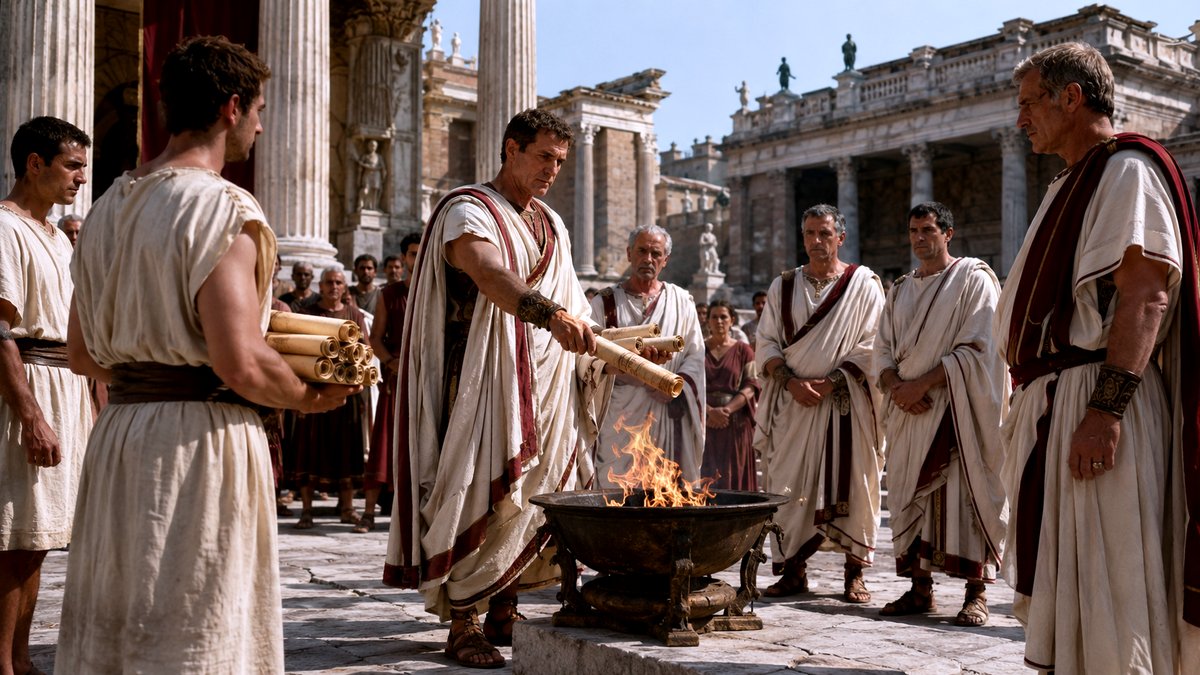
When Rome Burned Books: Ancient Rome did not burn books constantly. But when it did, the flames revealed what certain writings could do: authorize rites, predict the future, wound reputations, preserve memory, or prove dangerous truths. #RomanEmpireAnecdotes#romanempire
The Strange Necromancy Case of Libo Drusus in Ancient Rome: In AD 16, Libo Drusus was accused before the Senate in a case involving necromancy, astrology, informers, marked names, and fears around Tiberius’ rule. #RomanEmpireAnecdotes#romanempire
When Rome Went Dark: Life After Sunset in the Ancient City: Ancient Rome after dark was noisy, dangerous, and unequal. Martial heard bakers and crowds from his bed, while watchmen, taverns, lamps, and night workers kept another city… #RomanEmpireHistoricalFacts#romanempire
How Did Romans Cool Their Homes: Surviving a Heatwave with Ancient Strategies: From shaded courtyards to the cooling splash of impluviums, Romans designed their homes to fight the summer heat. Long before air conditioning, they used… #RomanEmpireHistoricalFacts#romanempire
Debt and Disgrace in Ancient Rome: In ancient Rome, debt could expose property, reputation, friendship, and political ambition. To owe money was often to stand inside a relationship of power. #RomanEmpireHistoricalFacts#romanempire
Catullus: The Roman Poet of All Life has to Give: Catullus wrote of love, betrayal, friendship, obscenity, politics, myth, and grief. His poems reveal a learned and fiercely personal voice shaped by the final years of the Roman Republic. #RomanEmpireAnecdotes#romanempire
The Philosopher-King Who Never Came: How Rome Succeeded Where Plato Failed: Plato believed that justice was impossible without a philosopher-king—a ruler who grasped the Form of the Good and governed by wisdom rather than appetite. He spent much of his… #Opinion#romanempire
What Made the Ancient Romans Laugh?: Roman laughter could mock emperors, expose fools, ward off evil, reverse social roles, and turn myth into spectacle. What made Romans laugh was rarely simple – and not always harmless. #RomanEmpireHistoricalFacts#romanempire
The Most Dangerous Place in Rome? Beside the Emperor: Near the emperor, influence could bring honours, wealth, office, and command – but it also exposed courtiers, freedmen, jurists, relatives, and guards to suspicion, rivalry, and sudden… #RomanEmpireAnecdotes#romanempire
Ulpian: The Roman Lawyer Who Helped Define Justice: Ulpian rose from Tyre to the heart of Roman power, giving Roman law a language of justice, freedom, and dignity before dying in the violence of imperial politics. #RomanEmpireAnecdotes#romanempire
Did Ovid Change the Greek Medusa Myth Forever?: Ovid did not invent Medusa, but he gave her myth a powerful new shape: beauty, violation, punishment, snakes, and the making of a monster. #RomanEmpireAnecdotes#romanempire
The Empire behind Rome: How Society Really Worked: Behind Rome’s marble monuments was a working society of families, slaves, soldiers, engineers, roads, food, baths, festivals, and daily systems. #RomanEmpireHistoricalFacts#romanempire
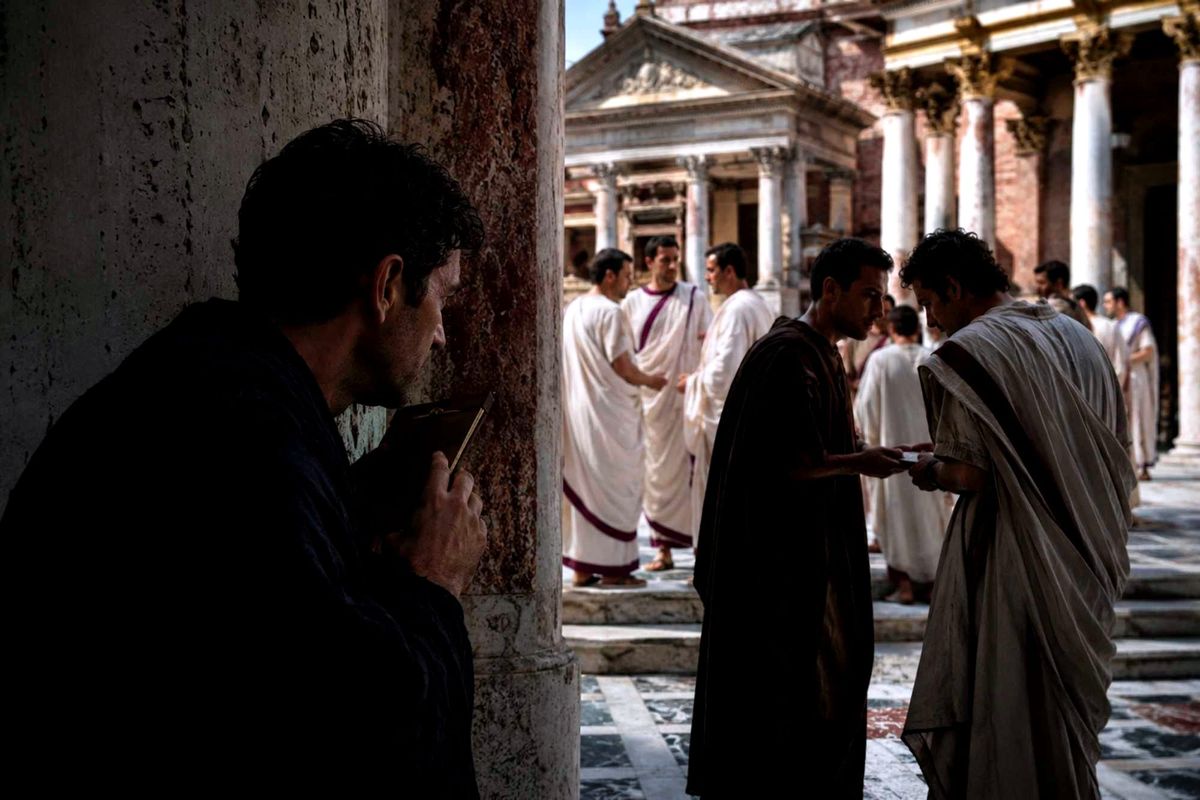
Before the CIA: How Ancient Rome Built Its World of Spies and Informers: Rome had no modern intelligence agency, but its spies, scouts, informers, couriers, and imperial agents helped the state watch enemies, cities, provinces, and its… #RomanEmpireHistoricalFacts#romanempire
Augustus’ Secret Syracuse: The Mystery of the Emperor’s Private Room: Augustus called one private retreat “Syracuse,” a strange nickname that opened onto Archimedes, conquest, tyranny, Sicily, and imperial memory. #RomanEmpireAnecdotes#romanempire
Sextus Pompeius: The Last Pompeian Who Challenged Octavian: Sextus Pompeius was dismissed by his enemies as a pirate, but Pompey’s son used Sicily, sea power, refugees, and memory to become Octavian’s last Pompeian rival. #RomanEmpireAnecdotes#romanempire
The Roman Navy: The Forgotten Force That Helped Rule the Sea: Rome is remembered for roads and legions, but its navy helped defeat Carthage, protect sea routes, move armies, and turn the Mediterranean into a Roman highway. #RomanEmpireHistoricalFacts#romanempire
Valens: The Emperor Rome Remembered Through Disaster: Valens is remembered for Adrianople, but his reign reveals a harsher story of religion, manpower, imperial pressure, and Roman control. #RomanEmpireAnecdotes#romanempire
Claudian: The Last Great Poet of the Western Roman Court: Claudian turned late Roman politics into poetry, shaping a world of heroes, monsters, fragile power, and Rome’s last western court. #RomanEmpireAnecdotes#romanempire