🌍 HOW U.S.–IRAN TENSIONS COULD HIT THE WORLD
Rising tensions in the Middle East are sending shockwaves through global markets.
🛢️ Oil prices are surging, raising fears of higher fuel and transportation costs.
📈 Inflation could accelerate as energy becomes more expensive.
📉 Global stocks and other risk assets could face pressure.
₿ Bitcoin and crypto markets may see increased volatility as investors move toward safer assets.
🚢 Shipping and insurance costs could rise if disruptions continue around the Strait of Hormuz.
🇵🇰 Oil-importing countries like Pakistan could face higher fuel prices, import costs and inflation.
The key question now: How long will the disruption last?
One prolonged supply shock could affect markets far beyond the Middle East. 🌍
🚨 MARKETS: Global stocks are under pressure as oil prices surge and bond yields climb.
Rising energy costs are reviving inflation fears, while investors are watching the possibility of further U.S.–Iran escalation.
Risk assets are getting hit. 📉
🚨 UKRAINE: 🇺🇦 Russian strikes in eastern Ukraine have reportedly killed 30 people and injured at least 18.
The attacks come as Ukraine faces worsening power outages ahead of winter.
Zelenskyy is calling for additional air-defense support.
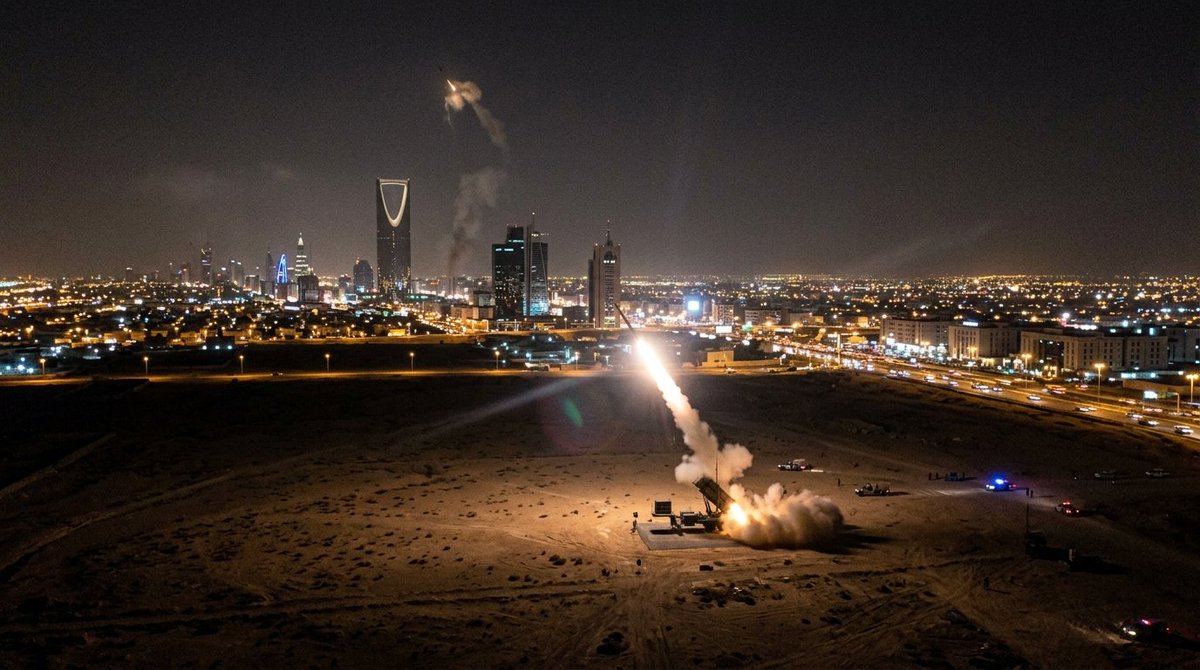
🚨 BREAKING: 🇸🇦🇾🇪 Houthi attacks are escalating against Saudi Arabia.
Missile strikes have disrupted flights around Riyadh, while Saudi Arabia seeks additional military support from allies.
The conflict threatens to further destabilize the Red Sea and global shipping routes.
🚨 OIL ALERT: 🛢️ Brent crude jumps above $105/barrel as Middle East tensions escalate.
Growing attacks on shipping routes and concerns around the Strait of Hormuz are fueling fears of further supply disruptions.
🌍 Energy prices could become the next major inflation shock.
🚨 BREAKING: 🇺🇸🇮🇷 The Pentagon has reportedly been ordered to prepare for possible renewed U.S. military operations against Iran.
No final decision or strike date has been announced yet.
Markets are already reacting as tensions escalate.