@WaddleandSilvy@TWaddle87 tuned into #WSwouldyourather and the sleep question. FYI waking up at a consistent time and going to bed when sleepy (rather than a set bedtime) is our typical recommendation!
Wow!
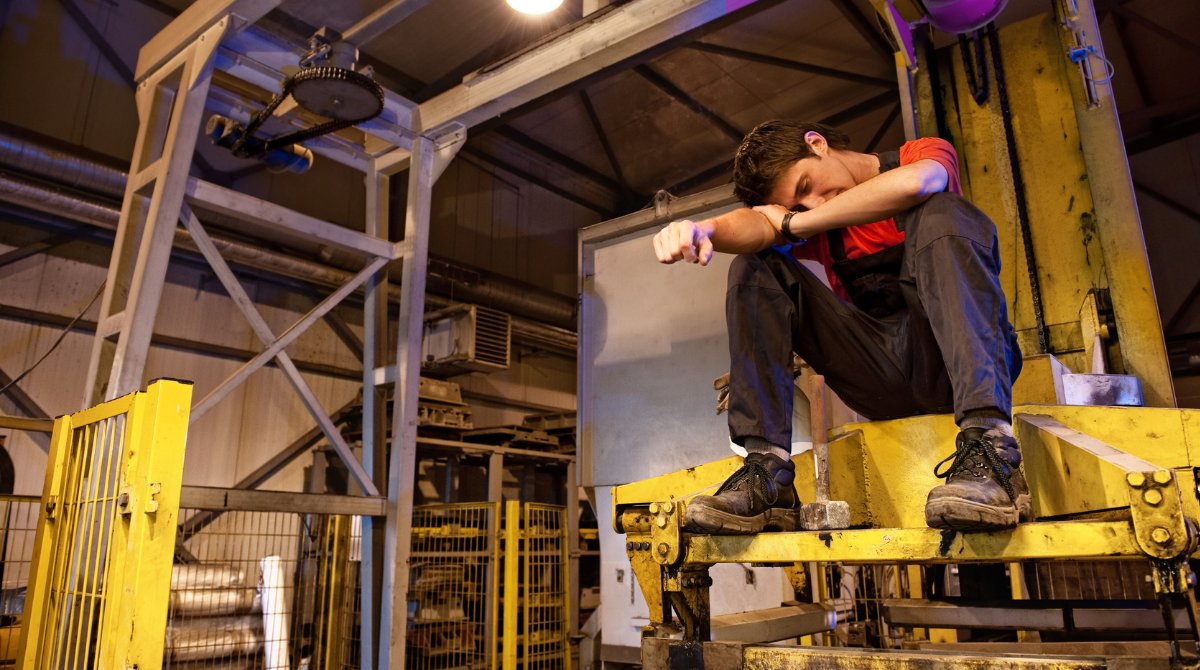
“The link between lack of sleep and cancer is now so strong that the World Health Organization has classified any form of nighttime shift work as a probable carcinogen."
High intensity interval training (3 days of 10 intervals of 60 sec each, total workout =26 min) mitigates some of the negative health impacts of 5 nights of sleep restriction of 4h time in bed.
In this cross-sectional study, both short and long #sleep durations were associated with worse outcomes for older adults, such as greater Aβ burden, greater depressive symptoms, higher body mass index, and #cognitive decline. https://t.co/ks7uYPmH6t #aging#Alzheimers
A meta-analysis of 38 studies revealed that #ShiftWork was associated with a 30% increased risk of metabolic syndrome as compared with non-shift work. https://t.co/YbORUPyRyp
Interested in sleep, the biological clock and the influence of light? ☀️
Today, we're very excited to release our new open-access and science-based comic book "Enlighten your clock: How your body tells time" suitable (13+ years)
Free download: https://t.co/YOaE05RHcj
Sleep interventions improved depression, anxiety, rumination, stress, and positive psychosis symptoms. Further, there was a dose-response relationship, with greater improvements in 💤 equalling more beneficial impacts on mental health.
New paper led by student Chloe Wills just published! (with @atubbs_sleep@AmyAthey@robertturnerphd@rebeccasrobbins@UA_SCAN_Lab et al).
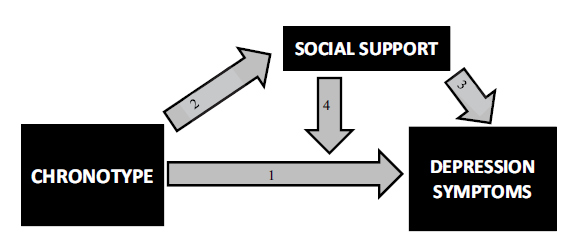
Why is late chronotype is linked to depression? Maybe partly due to lack of social support (everyone is asleep).
https://t.co/COSVjvGekM
The question is not “why treat insomnia,” but rather “when isn’t insomnia treatment indicated?”
A fantastic article on why primary #healthcare needs to make #insomnia treatment a priority! https://t.co/XK3wpqNMTB
Several attempts just in the last day to emphasize that sleep quantity =/= quality, and that other variables (consolidation of time slept, circadian alignment, and as @BrandonPetersMD suggests, role of organic comorbidities like untreated sleep apnea) matter and can be addressed!
“Experts said they couldn’t think of scientific explanations for why long sleep would increase dementia risk and that it might reflect another underlying health condition.” Huh? Can we not? Maybe sleep apnea is what they are grasping for... via @NYTimes https://t.co/ibLQ8w3Xij
What's your Sleep Reactivity? It's #StressAwarenessMonth, and this week's video is all about why some people struggle to #sleep when they're under #stress, and other snooze through..😴
I talk about 3 Steps to tackle those sleepless nights..
4min video - https://t.co/yLqmXaQaYl
Cool new study in @researchsleep journal led by @DarlynnR and @adamspira --
Personality and Insomnia Symptoms in Older Adults: The Baltimore Longitudinal Study of Aging
https://t.co/XpbFRjXleZ
Pleased to share our new paper showing that neighborhood safety in childhood partially explains racial disparities in sleep among young adults.
Addressing inequities in childhood neighborhood safety is an important step toward reducing health disparities. https://t.co/7mOMIASkGT
I’ve been having very fulfilling conversations with patients re: chronic pain and sleep disruption cycle. Feedback from adapted CBT-I: taking pain flare breaks somewhere besides the bed is helpful and not something previously considered. Other tips from #sleeppeeps#sleeptwitter?
You may think the change to DST is benign, but there are big health implications. We lose an hour of sleep & also suffer from circadian misalignment. In the few days after DST we see more: heart attacks, strokes, car accidents, and hospital visits.
#enddst#DaylightSavingTime
One study showed that car accidents increased as much as 17% after the transition to #DaylightSavingTime. Drowsy driving seemed to be the culprit. Maybe #DST should stand for "Drive Safe Tomorrow"?
https://t.co/sC1Ib4BSEE
Really appreciated @SarahEmertPhD for sharing her expertise and research in insomnia identity during @BehavioralMed Sleep SIG Research Webinar. Shame, resistance to treatment, hopelessness, etc all may come back to insomnia identity... and should be talked about in CBT-I!