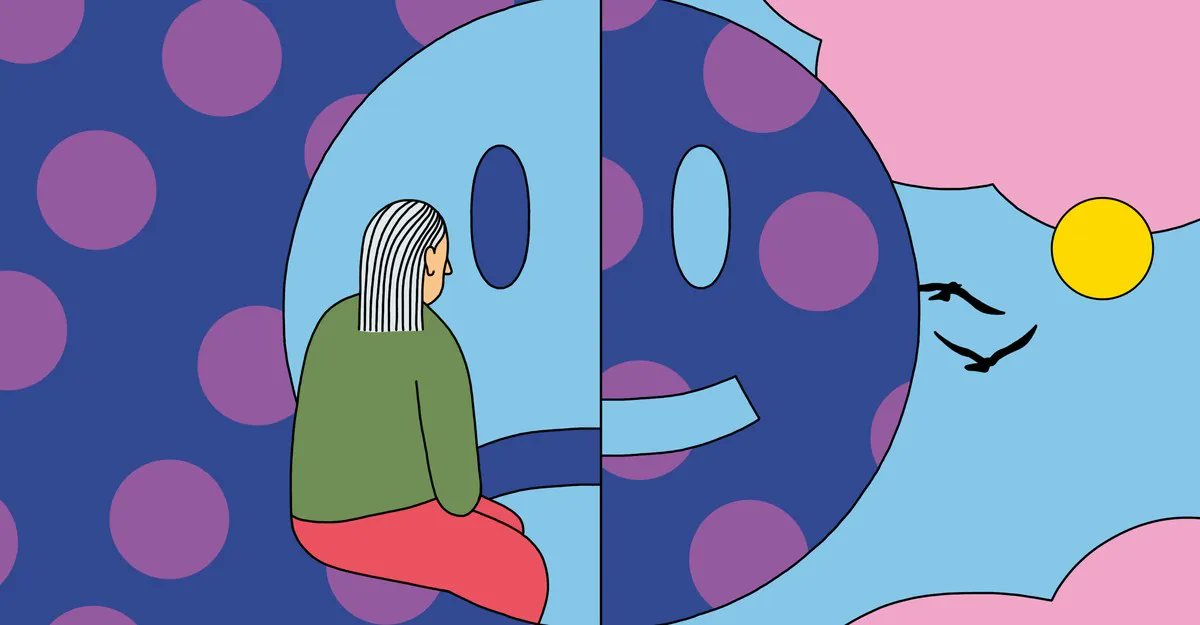
Bad teams:
1. Information gets hoarded.
2. Saying no gets you labeled difficult. 3. People are accountable to the boss, not each other.
Great teams:
1. Everyone is in the loop.
2. Saying no is a sign of someone who knows what matters.
3. Teammates are accountable to each other.
Same job. Completely different life.
10 quiet signs you're on a great team:
1. Your manager has your back.
2. You can say no without it costing you.
3. Credit lands with the person who earned it.
4. You leave on time without guilt.
5. You don't dread Monday morning.
6. Your teammates want you to succeed.
7. You don't check messages on vacation.
8. You have a colleague who gives honest feedback.
9. You feel calm about your job security.
10. You feel safe enough to say "I don't know."
Most people have never had all ten. Some have never had five.
Busyness deceives us into feeling like progress.
Every response requested, every meeting scheduled triggers that satisfied feeling.
Real productivity doesn't give you that rush. It just compounds quietly until one day you look up and realize you've built something.
Feeling good isn’t something you earn at the finish line. Treat it like the thing that gets you there.
Sleep, food, exercise, and a little margin. Everything else gets easier after that.
Most leaders treat burnout like it’s an individual problem.
“They need better boundaries.”
“More resilience.”
“A vacation.”
But when your best people keep burning out, the problem usually isn’t them.
It’s you.
Praise nights and weekends, and you reward exhaustion.
Praise great work done sustainably, and you reward excellence.
The difference is what you reward.
Burnout isn’t a badge of honor.
It’s a failure in leadership.
The secret to great meetings is canceling the ones that shouldn’t exist.
Before you schedule anything, ask:
Do we need to think together in real time?
If not, it’s not a meeting.
It’s an email.
Your setbacks don’t define you but how you respond to them does.
The trick is to identify one thing your setback has taught you to do differently next time.
Focus on development, not defeat.
The brain plays a crucial role in the way we experience pain and anxiety. Because of this, remarkable new research suggests listening to music can alleviate side effects and enhance the benefits of treatment, including ones as intensive as chemotherapy.
https://t.co/OV83WafolY
Based on the concept of "via negativa," which emphasizes removing negative elements rather than adding positive ones, this article makes a compelling case that we can all achieve more by first identifying things we need to stop doing.
https://t.co/c0ntu8PLot by @arthurbrooks
When we burn through all of our energy, we eventually experience burnout. Creating an ‘energy budget’ can help you prevent this. It starts with tracking your activities and noting which bring you energy and which deplete your reserves.
https://t.co/z2wbM1LSqQ by @THEWORDSMITHM
If someone hassles you about buying expensive tickets to a sporting event, tell them it’s an investment in your health. A new study found that attending live sporting events can decrease loneliness and increase your sense that “life is worthwhile.”
https://t.co/OKPFZ2zejn
To actually improve our health, we need to be realistic. For many people, that starts with simply packing a healthier sandwich for lunch. Discover how simple changes can help you avoid unnecessary salt, preservatives, and sugar.
https://t.co/uHL7WohwUi by @andreaapetersen