In 2008, Femi Otedola controlled 93% of Nigeria’s diesel market.
He placed a $500 million order for one million tons of diesel when crude oil was at $147 per barrel.
While his diesel was still on the high seas, three things happened at once:
1. Oil prices crashed from $146 to $34
2. Naira was devalued from N120/$ to N167/$
3. The 2008 stock market crash hit
When the dust settled:
→ $480 million lost to oil price crash
→ $258 million lost to naira devaluation
→ $320 million lost to skyrocketing interest
→ $160 million lost to the stock crash
Total: $1.218 billion in debt.
The same banks that once sent “elegant ladies” to court him for deposits started sending hefty, barrel-chested men to his Ikoyi home at dawn.
He surrendered 184 flats. Filling stations. Tank farms in Apapa. A Bombardier private jet.
Today he chairs FBN Holdings. The man who lost it all built it all back.
Disaster turned into a comeback story.
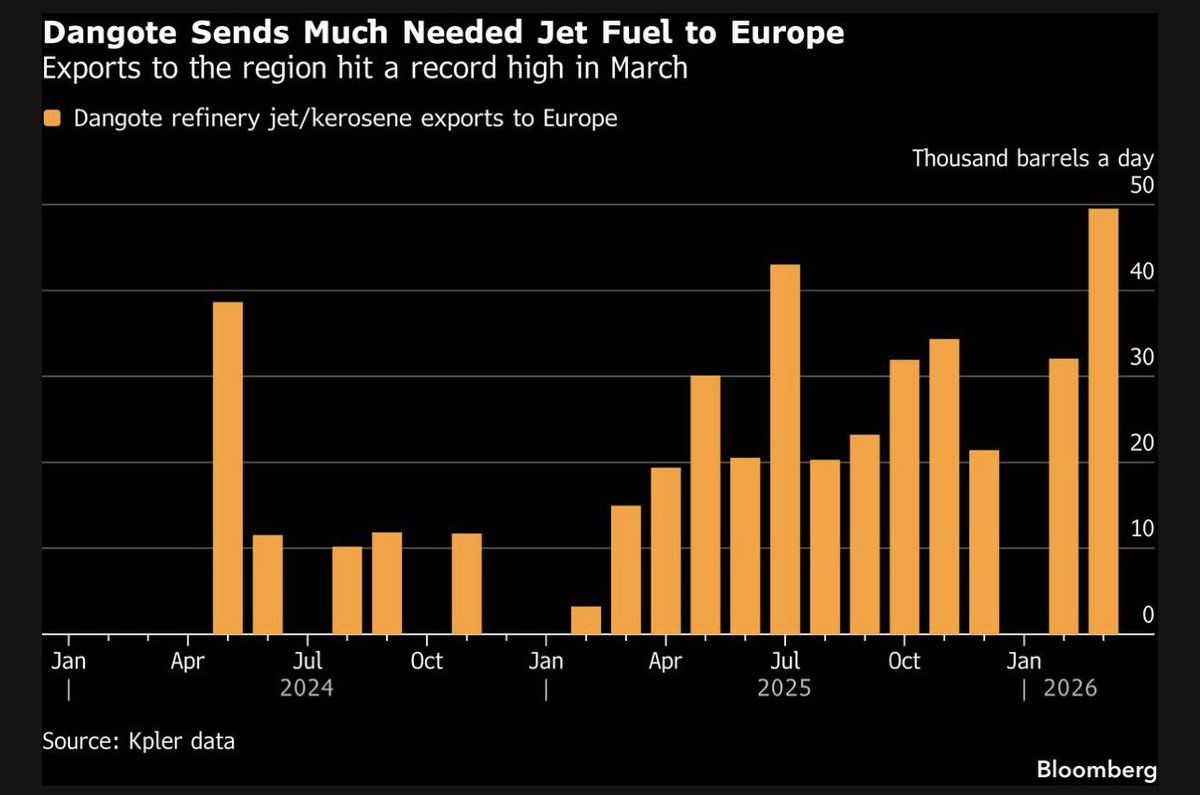
Dangote is finally winning
It’s “highly profitable,” said Alan Gelder, VP Wood Mackenzie. He assessed the facility’s gross margin was over $30 a barrel based on crude and product pricing for early April, compared with about $15 for refineries in Europe.
1/
Three counterintuitive findings from Kenya’s macro data analyzed 🧵
📈 GDP growth is highly persistent
📈 Higher policy rates correlate with higher short-run growth
📊 Growth is strongest in moderate inflation regimes
Here’s why this makes sense 👇
4/
Third: growth peaks in mid-inflation regimes.
Not ultra-low inflation. Not high inflation.
Moderate, predictable inflation often coincides with:
• Stronger nominal income growth
• Healthier pricing power
• Manageable debt dynamics
Stability ≠ minimal inflation.