Director: Inter-University Institute for Data-Intensive Astronomy; Professor of Astronomy: University of Cape Town; Extraordinary Prof: University of Pretoria
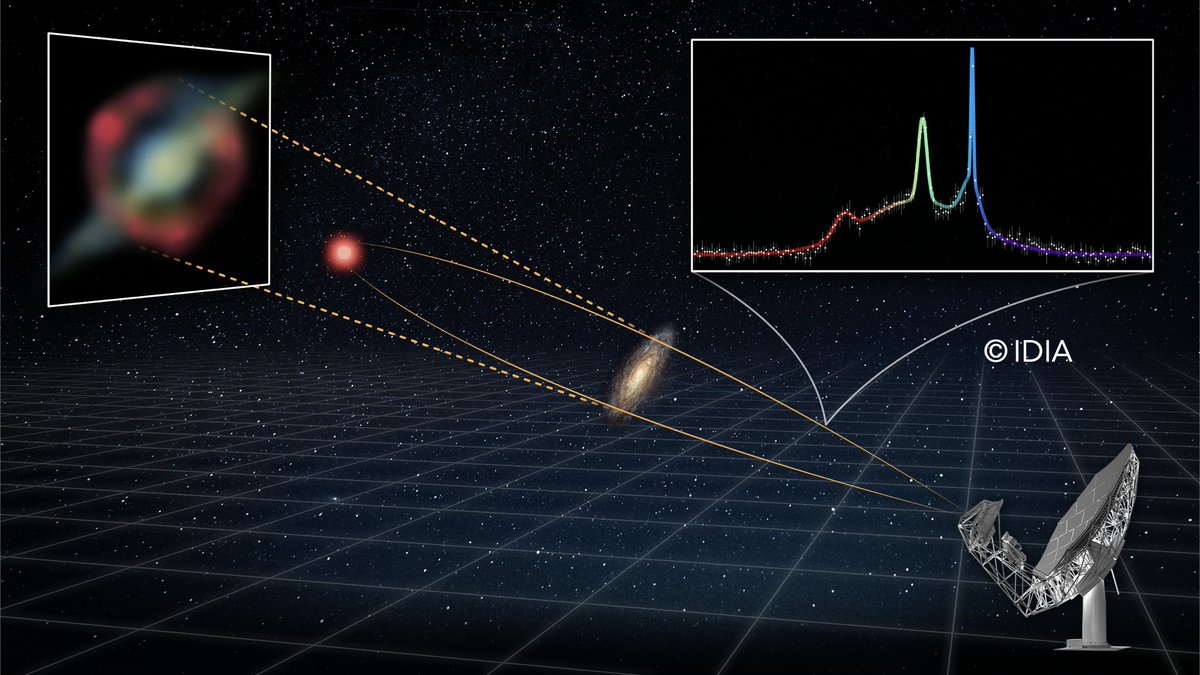
RECORD-BREAKING DETECTION: With the help of the MeerKAT telescope, a UP-led team of South African astronomers has detected the most distant hydroxyl megamaser ever, a natural radio “laser” produced by merging galaxies more than 8 billion light-years away. Read more: https://t.co/LBujvEqfCj
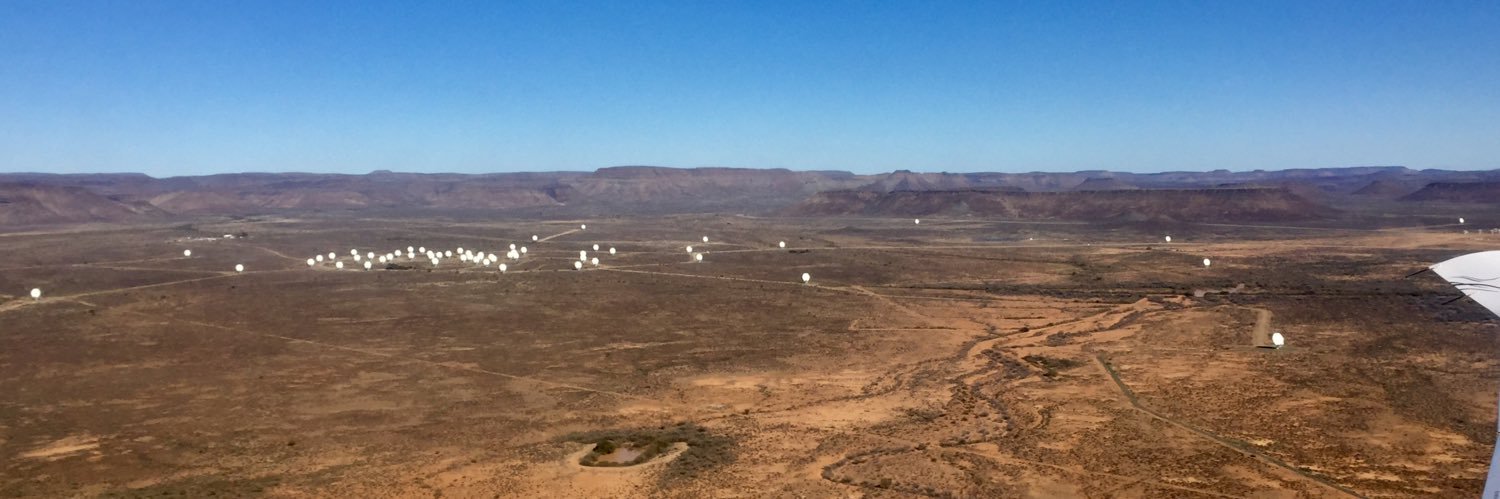
Photo credit: South African Radio Astronomy Observatory
#UPResearchMatters #MeerKAT
MeerKAT discovers record-breaking cosmic laser halfway across the universe
University of Pretoria-led team opens a new frontier using the power of MeerKAT and strong gravitational lensing
Astronomers using the MeerKAT radio telescope in South Africa have discovered the most distant hydroxyl megamaser ever detected. It is located in a violently merging galaxy more than 8 billion light-years away, opening a new radio astronomy frontier.
Read full article
https://t.co/Y6dP50qU2w
#meerkat #radioastronomy #science #radiotelescope
Proud of Dr Thato Manamela who led our paper reporting MeerKAT’s discovery of a record-breaking “cosmic laser” announced today. He was the first postgraduate student to join the @UPTuks astronomy group I started in 2018, and I'm grateful he stuck with me until now as a postdoc!
MeerKAT discovers record-breaking cosmic laser halfway across the universe
University of Pretoria-led team opens a new frontier using the power of MeerKAT and strong gravitational lensing
Astronomers using the MeerKAT radio telescope in South Africa have discovered the most distant hydroxyl megamaser ever detected. It is located in a violently merging galaxy more than 8 billion light-years away, opening a new radio astronomy frontier.
Read full article
https://t.co/Y6dP50qU2w
#meerkat #radioastronomy #science #radiotelescope
Great to attend my first South Pole Telescope SMG Annual Collaboration Meeting in Vancouver last week. We explored the strong synergies between MeerKAT and the SPT in studying the distant universe (and enjoyed this spectacular view over Vancouver from our meeting room @UBC)
A huge congrats to my former PhD student (now postdoc), Dr Charissa Button, the first PhD graduate from the @UPTuks Astrophysics group I started in 2018.
Huge congratulations, indeed! Using rapidly spinning neutron stars spread throughout our Milky Way galaxy to measure gravitational waves generated by orbiting pairs of supermassive black holes in the more distant universe - experiments just don't get cooler than this.
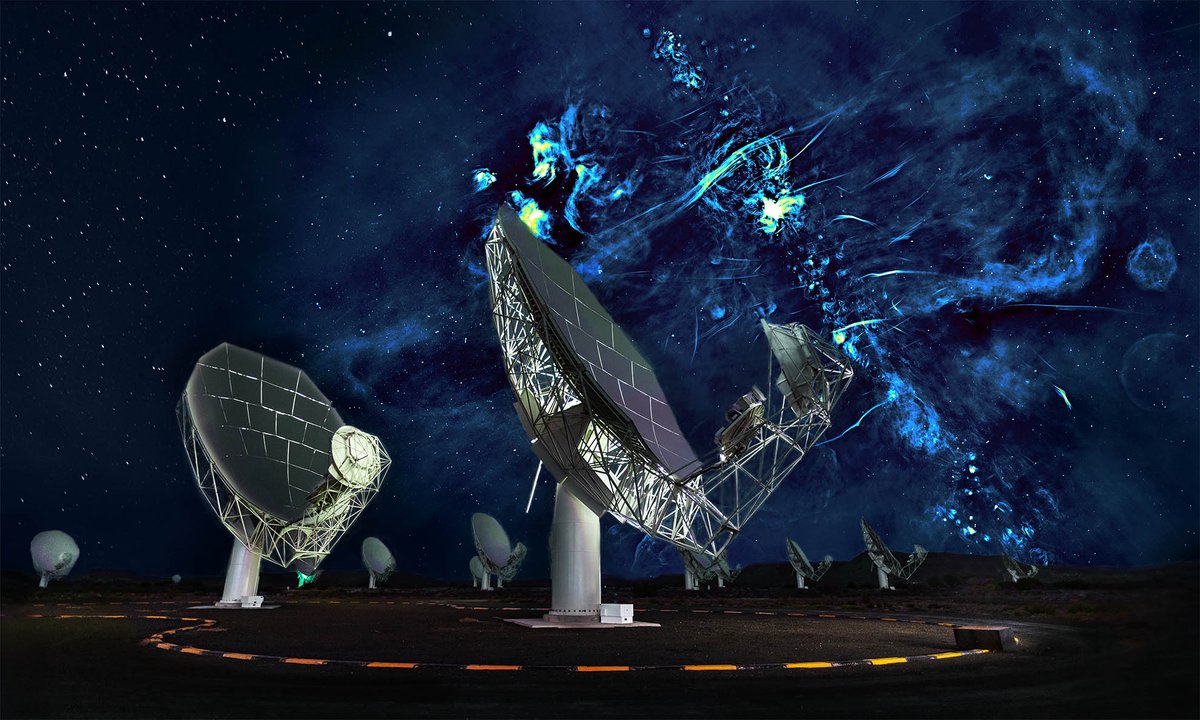
Congratulations to @CSIRO_ATNF's Parkes Pulsar Timing Array, @NANOGrav , the #EPTA and #CPTA on their advances towards nanohertz gravitational wave astrophysics using supermassive black hole binaries! Can't wait to finish manicuring the @SKA_Africa MeerKAT data to join the party!
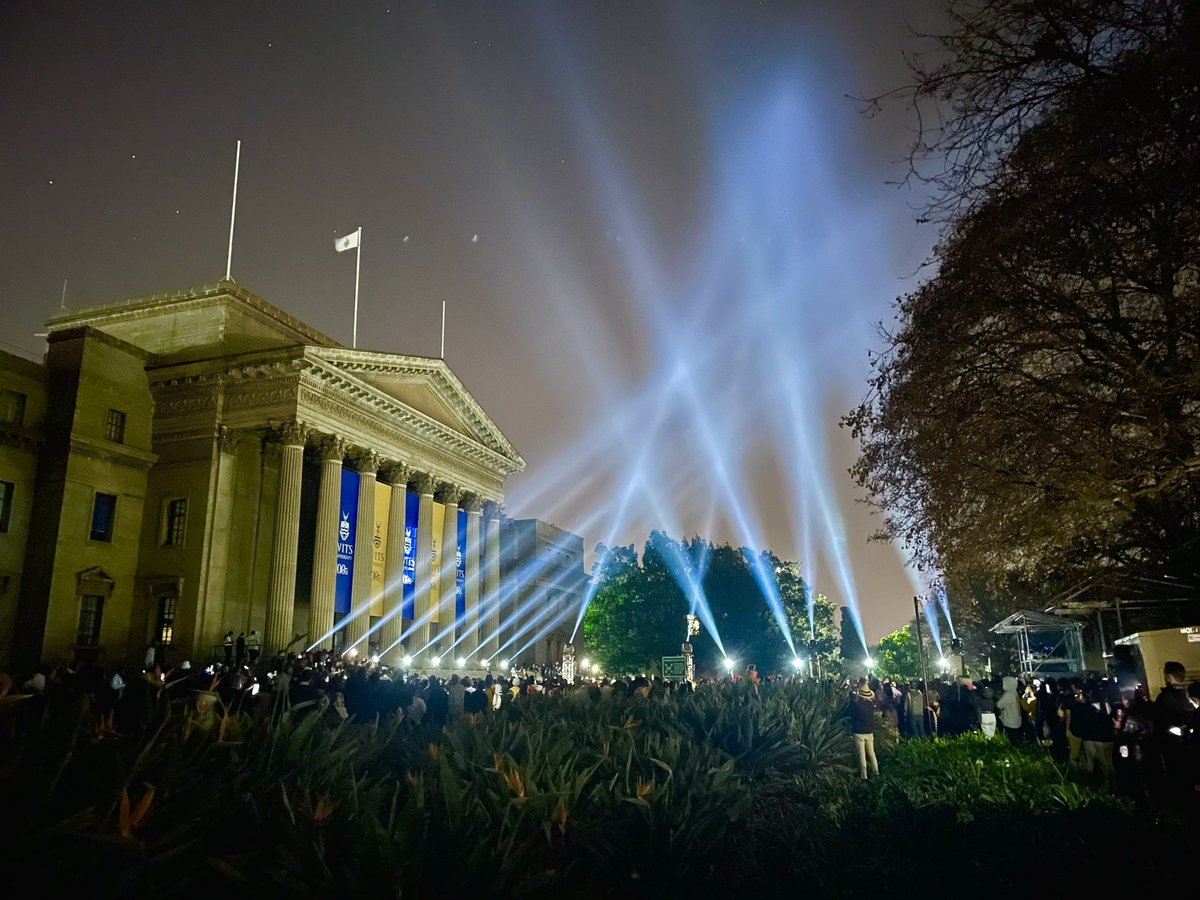
A new, future-savvy world is coming to Wits University. Prepare to be immersed in a world of new experiences.
Follow Wits University’s digital channels on November 21st to find out more.
Are you ready?
#Wits100#WitsForGood
Bernie Fanaroff is a world-renowned radio astronomer who, while working on his PhD at Cambridge University in the early 1970s, made a breakthrough discovery about radio galaxies https://t.co/jbuOSmiXLN
I cannot imagine how much grit, determination, and passion it must take to go from the dusty streets of the Katlehong township in Apartheid South Africa to being honoured by the Royal Society and count Newton, Darwin, and Hawking as peers.
(1/2) The Royal Society (UK) announced today, 10 May 2022, that Wits Vice-Chancellor & Principal, Prof. Zeblon Vilakazi has been appointed as a Fellow of one of the world’s most prestigious scientific academies. Read more: https://t.co/QX945iiH22
The EHT has telescopes in some of the most remote areas of the world, including the south pole! Here the @SPTelescope with its friend @BICEP_KECK during the #EHT2022 campaign. Video credit @aman_chokshi
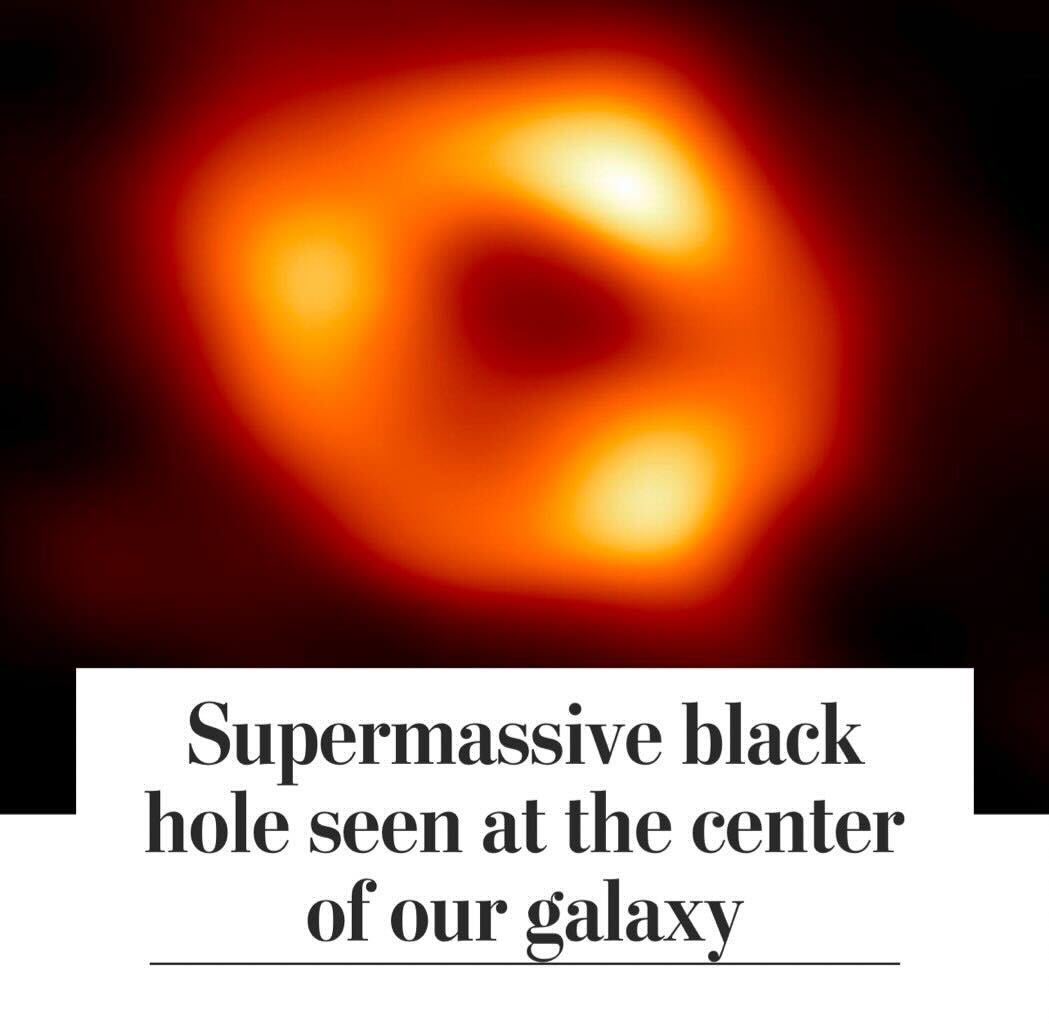
Indeed, an African station would greatly enhance the black hole imaging enterprise pioneered by our globe-spanning @ehtelescope Collaboration, particularly for the black hole at the centre of our Milky Way.