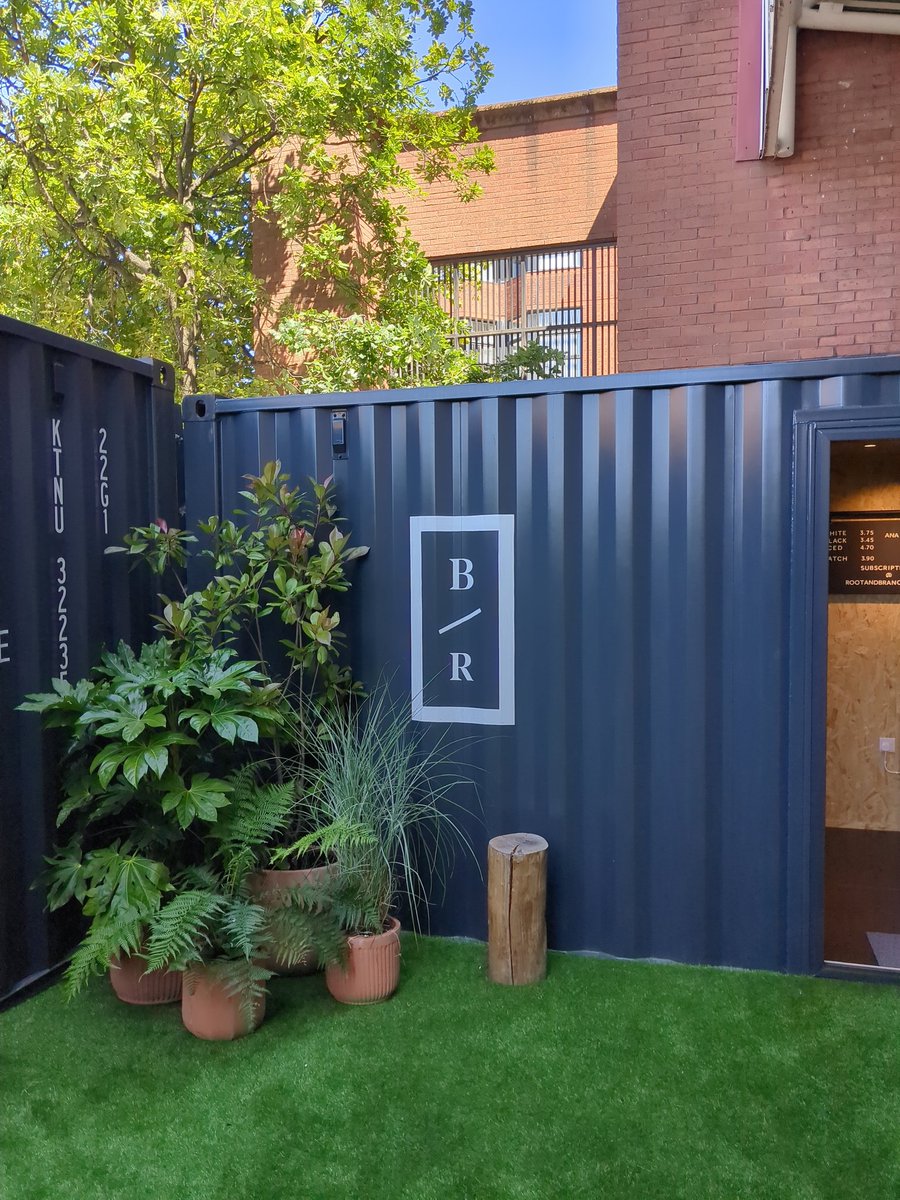
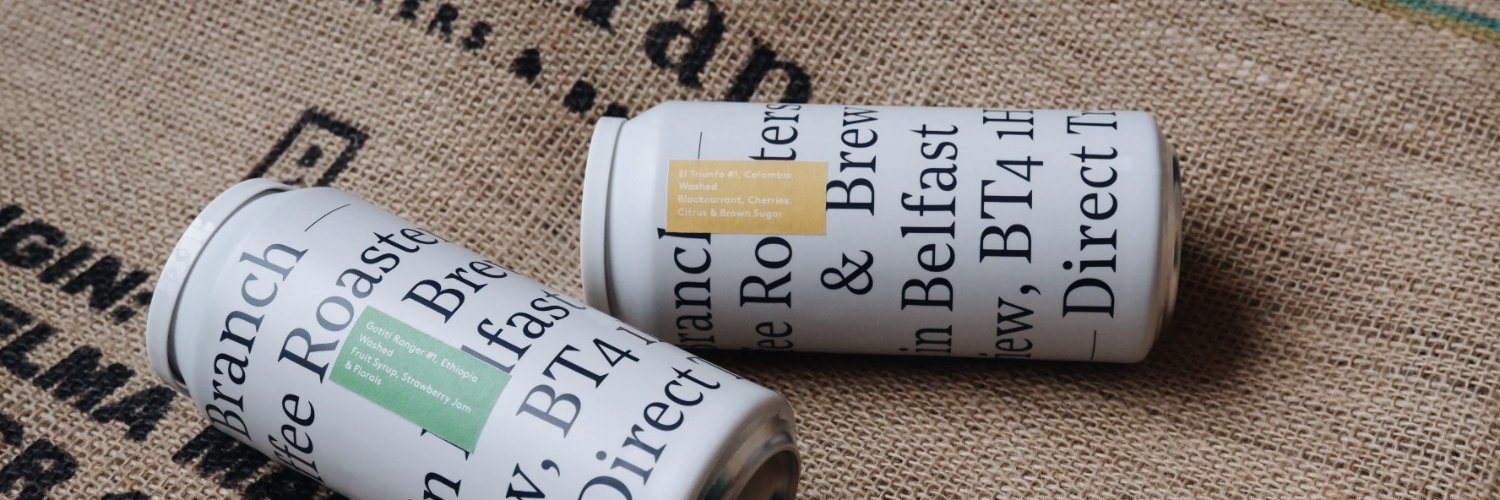
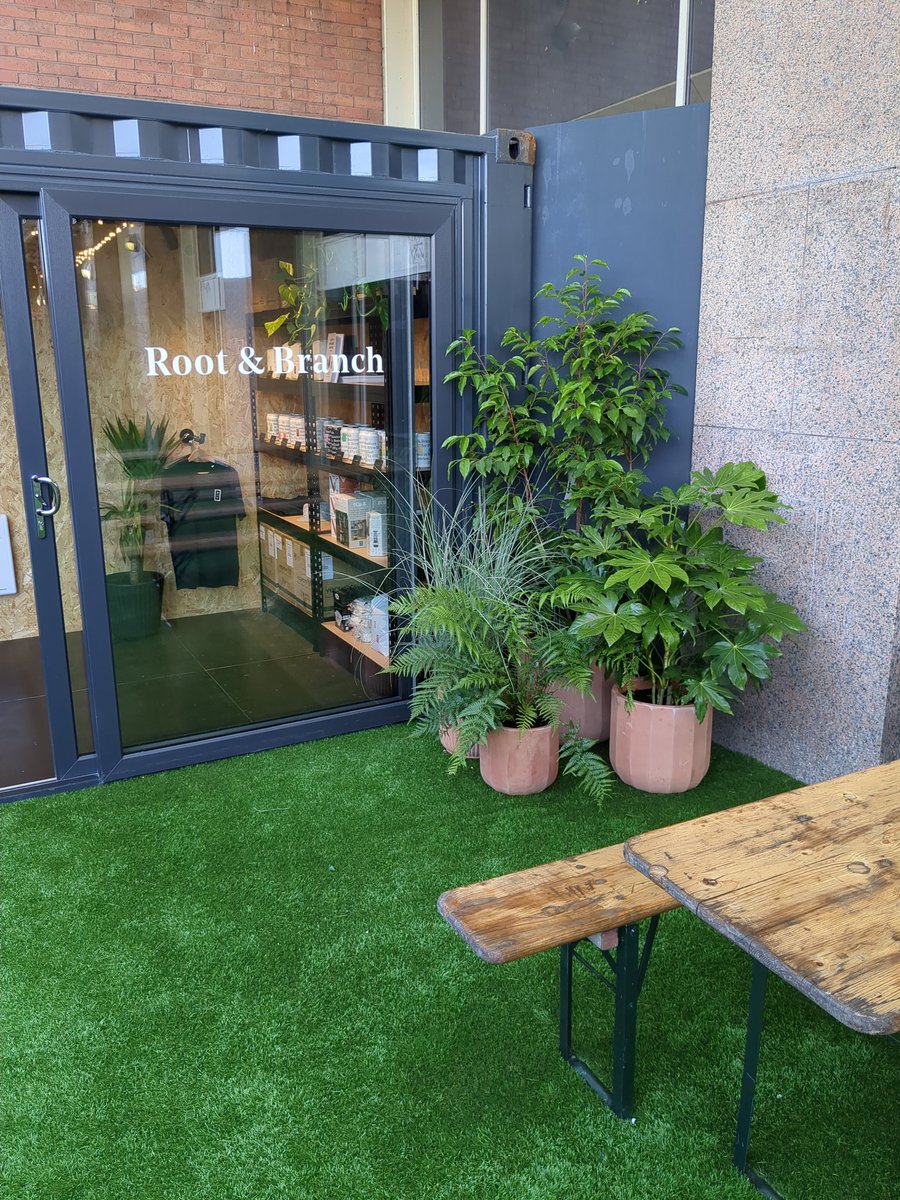
Coffee Roasters & Espresso Bar in Portview Trade Centre, East Belfast. Roastery doors open Monday to Friday, from 8.30am to 3pm. A #Bitcoin Standard Company.
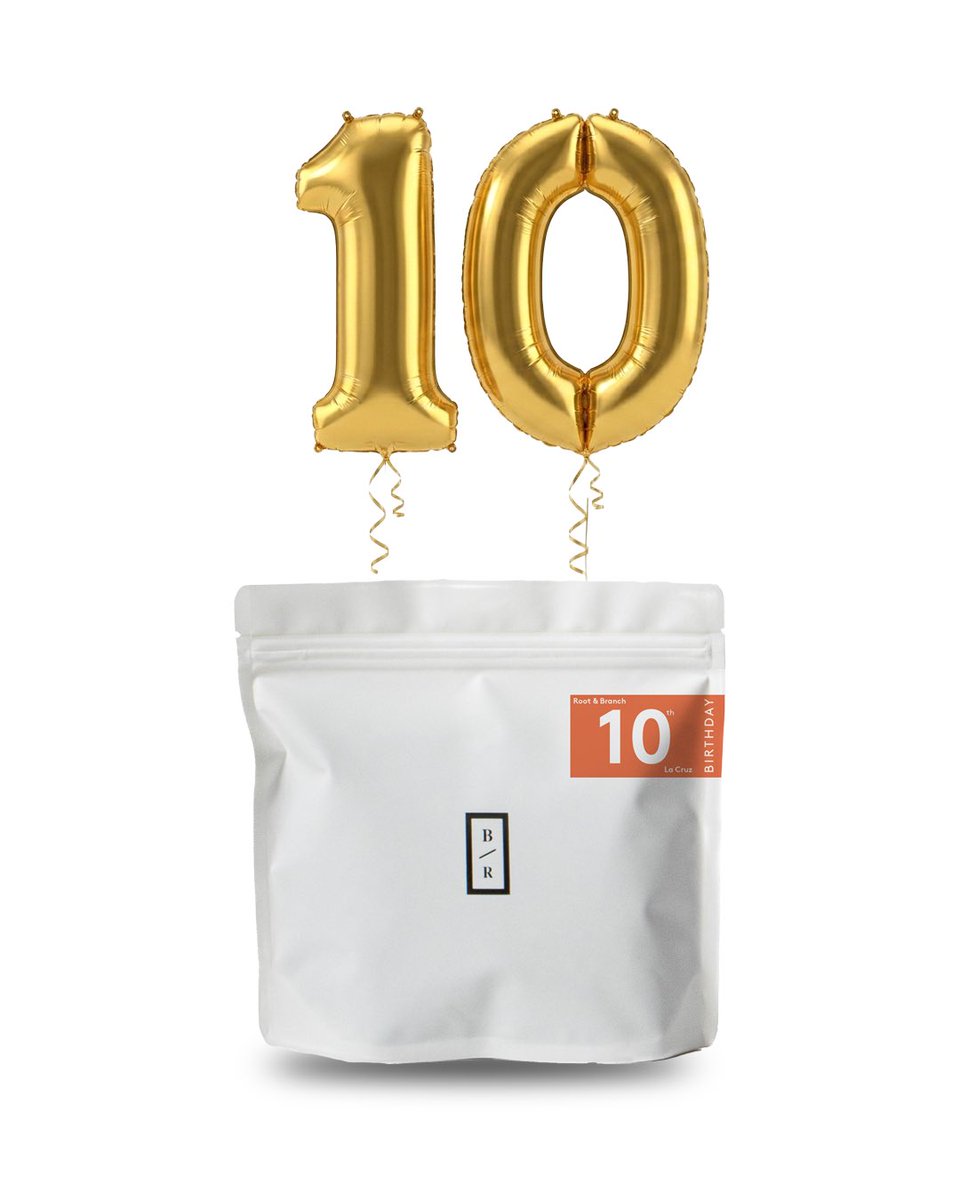
Today we turn 10.
We celebrate with the release of our collab with @lacruzboss in El Salvador.
Settling specialty coffee from farm (labourers/farm) to cup (customer/baristas) exclusively via bitcoin (ex shipping) has been a long time wish.
Today we achieved it.
@BitcoinColl@englishlakes@BenBrry Ben, we would like to supply you guys with coffee bought from a coffee farm in El Salvador (which pays their labourers in bitcoin) & whom we pay in bitcoin. Happy to chat about it.
Contrary to @Keir_Starmer's projected digital panopticon policies, we will never require anyone to produce a digital ID to work for us. In fact, we'd rather you didn't have one at all.
Bitcoin and the Independent Baker
Few thoughts from the coal face. Let me know what you think
Thank you for inspiration @JeffBooth@allenf32@sacha_meyers
https://t.co/zYlcTigSlB
Bitcoin on the Balance Sheet: A Report by CoinCorner
More companies are adding #Bitcoin to their balance sheets, reflecting growing confidence in its long-term value.
Our new report delves into key trends, adoption patterns, and demographics of these companies.
Thread 👇
🚀 New Episode Alert! 🎙️ with @hodleye & @ChrisMc_L
Bitcoin is transforming business, and in Ep. 13 of The Emerge21 Show, we chat with or guest @sijohnston from Root & Branch Coffee & NIBitcoin. on:
⚡ Bitcoin for global trade & fair payments
☕ Cutting out middlemen in the coffee industry
📈 Bitcoin pensions for employees
🏴☠️ The rise of decentralisation in finance
A must-listen for entrepreneurs & Bitcoiners! 🎧👇
🔗 Watch Now: https://t.co/rA3GKPItdt
#Bitcoin #Emerge21 #BitcoinBusiness #Decentralization #FinancialFreedom
VIDEO COLUMN: Coffee inflation.
I cannot live without my caffeine fix, particularly since my efforts to clone the looks of George Clooney hooked me into the world of capsules.
Sadly, my espresso is going to get expensive in 2025. Very, very expensive.
@DavidFBailey Our Christmas coffees are outstanding this year & we ship to the US. Currently only accept BTC in store though. @john_zaprite gonna help us fix this! https://t.co/QO9bpi0uIG
🫡👏 @bitcoinpolicyuk hammering the message home on behalf of the UK.
@freddienew and @DecentraSuze both commit far more time than is humanly possible to the cause, so if your a UK Bitcoiner and you want people fighting to remove the regulatory barriers, remove the tax burdens and state to get out of our way - consider becoming a member and give a little dirty fiat to keep the organisation fuelled up!
You can go to any number of specialty coffee symposiums & you still won't hear about how farmers get destroyed by their local currency debasement, or how they receive a small % because of the friction from banking & FX payment rails. You will, however, hear about coffee cocktails
I grew up thinking Italy was the center of great coffee
It took me decades to understand that like French, Portuguese and Spanish coffee, Italian coffee too is overly burnt and bitter and most of it is made from the inferior Robusta beans, instead of the Arabica beans which are full of flavor and not bitter and (usually) burnt:
"In Italy, coffee usually has some Robusta beans in the blend, or is roasted really dark, or both. These factors result in overly bitter-tasting coffee, but do nothing to change the strength of a standard espresso shot."
"France had a similar story. Though there was no economic isolation, imports from its colonies were subsidised, and this was again largely Robusta coffee. And so, as the roads and kingdoms post linked above explains, coffee in France is bad."
"During the years of the Salazar dictatorship, Portugal was economically isolated. This meant that it could only turn to its colonies for coffee. And the Portuguese colonies (not Brazil!) exclusively produced Robusta coffee. And Robusta coffee, being inferior to Arabica, is roasted slowly, and produces a bitter brew. Which is what we uniformly got in our trip to Lisbon"
"In Spain, coffee is made by the process of torrefacto (similar to Portugal). Torrefacto is the practice of adding sugar to coffee beans during the roasting process,” explained Patricia. The sugar burns and the beans wind up coated in a shiny black film. glossy coating protects the beans from oxidisation and torrefacto was originally a preservation method. But there are side effects. The process makes the resulting drink much darker and more bitter. It also masks the true, rich flavour and aroma of good coffee."
So where do you find good 100% Arabica coffee full of flavur that's not burnt?
In places with lots of specialty coffee like the United States, Canada, Sweden, Norway, Finland, Australia, New Zealand, Thailand, Taiwan, Korea, Japan and Brazil
Consumption of 100% Arabica coffee is most prevalent in regions with a strong café culture and a high demand for specialty coffee. These typically include:
- United States - Especially in urban centers and regions with a robust specialty coffee scene, like the Pacific Northwest.
- Northern Europe - Countries like Norway, Sweden, and Finland have some of the highest per capita coffee consumption rates, favoring high-quality, lightly roasted coffee.
- Australia - Known for its discerning coffee culture, especially in cities like Melbourne and Sydney, where espresso-based drinks dominate.
- South Korea and Japan - These countries have seen growing specialty coffee scenes with a preference for high-quality Arabica beans in urban areas.
- Thailand - Particularly in Bangkok and Chiang Mai, where there's a vibrant café scene with a focus on high-quality, locally sourced Arabica beans.
- Canada - Urban centers like Vancouver, Toronto, and Montreal have a thriving coffee scene with numerous specialty cafes serving 100% Arabica.
- United Kingdom - London, along with other major cities, hosts a growing number of specialty coffee shops focusing on quality and the nuances of Arabica coffee.
- New Zealand - Known for a highly developed coffee culture with a strong preference for premium, Arabica-based espresso drinks.
- Taiwan - The specialty coffee scene is booming here, with a focus on high-quality Arabica beans, particularly in Taipei.
- Brazil - Despite being a major producer, the domestic consumption of high-quality Arabica is also on the rise, particularly in metropolitan areas like São Paulo and Rio de Janeiro.