In 10 years of research, I’ve heard the term “age related decline” so many times that I’ve never questioned it.
Until yesterday.
I was on a walk, and I had the following thought:
“If you can speed up, slow down or reverse the ‘signs of aging’, then is it really aging?”
A few things to unpack here:
1. What is aging?
2. What are the ‘signs’ of aging?
3. What does ‘speed up/slow down/reverse’ mean?
The first thing is (as far as I am aware) we haven’t been able to reverse time.
So, we are talking about biological age vs chronological age.
Biological age is determined by overall health and physiological condition. This is distinct from chronological age, which is the number of years you’ve been on earth.
Alright, so then what are the signs associated with biological ‘aging’?
Things that come to mind are:
• Reduced physical mobility
• Loss of cognitive function
• Mental health issues
Notice that the ‘signs’ – are usually negative.
If you take a minute to think about how aging is portrayed in the media, you’ll quickly see that it often lines up with images of deficit. A time of physical, cognitive and social decline. A time of dependence.
So, by this logic, reversing aging means being in better health.
The inverse of this is that aging equates to poor health.
But, is that true?
Personally, I don’t think so.
Do we see people 60+ that are less mobile, less sharp, less social? Yes, all the time.
BUT — this doesn't mean that this is what aging is.
My belief is that the lack of mobility, cognitive slow down, social isolation, etc. observed later in life are symptoms of our society.
Aging is not the cause.
What we commonly call aging is the byproduct of how our lives have been socially constructed.
Our lives often involve sitting down for 8 hours at a desk every day. Our leisure is sitting down on a couch for 3+ hours. Lots of sitting. This daily cycle is repeated for 40+ years.
63% of North Americans are sedentary, and this number rises as we age.
Add to this poor eating and an identity shaped by a 40 year career that is suddenly removed. Our actions shape our identity, so the loss of work can equate to the loss of meaning in life.
With all of this, we expect ourselves to be healthy, mobile, social, and have purpose as we grow in chronological age.
And if we show signs of poor health – then we’re aging?
Seems off to me. But it’s the norm.
We use statements like: ‘Well, I guess that’s just what happens when you get older!’
I disagree.
Statements like the one above normalize aging as a period of inevitable decline – physical and otherwise. Statements like these are said in passing and never really questioned.
But they should be questioned.
My belief is that we have socially disguised the effects of a life of sedentarism and poor diet as ‘aging’.
We attribute our failings to care for our health to senescence.
My research has made me more aware of the sociocultural aspects of aging. And it’s complex. Add in genetics and sociodemographics and it gets even more complex.
But, if I were to quickly summarize a recipe for longevity – it would look like this:
• Eat well
• Move more
• Do things together
• Have a sense of purpose
It’s time to question how we think of aging and begin to care for ourselves, and others, all life long.
Stay well!
-
What are your thoughts on aging?
Community engagement matters.
But are organizations doing it right?
Here are 8 evidence-based principles to create meaningful engagement:
1. Lead with transparency
Staff must provide supportive leadership that builds trust.
2. Create a safe space
Foster an environment where citizens feel comfortable sharing input.
3. Involve early
Engage community from the beginning, not as an afterthought.
4. Be aware of power
Collaborate on decisions and governance to give citizens a real voice.
5. Address power imbalances
Acknowledge tensions between professionals and citizens—and actively address them.
6. Build confidence
Invest in those who feel they lack skills to contribute meaningfully.
7. Focus on small wins
Quick, tangible successes maintain momentum and trust.
8. Align motivations
Understand what drives both citizens and organizations to participate.
-
Research shows these principles help organizations go beyond token engagement to create collaborative, lasting solutions.
Community engagement means sharing power and building trust.
Apply this to transform your community development project!
Source: https://t.co/56cuvzXEft
#CommunityEngagement #HealthCareLeadership #SocialImpact #foodsecurity #foodinsecurity #health #aging #aginginplace #community #communitydevelopment #longevity #foodsystems #foodjustice #foodsovereignty #localfood #eatlocal
There is no free lunch.
This makes me wonder: What are the hidden costs of charity?
I recently read this quote:
❝No one is handed freedom on a platter. You must make your own freedom. If someone hands it to you, it is not freedom at all, but the alms of a benefactor who will invariably ask a price of you in return.❞ — Wayne Dyer
I've worked in the charitable sector for 10+ years.
I've seen many well-intentioned people working in non-profits fighting for the freedom for others.
While they are serving and connected to their community, often decisions can be made that don't fully reflect the community's needs.
Top down decisions.
But it's for the greater good, right?
We think we know what will 'free' others from their situations.
So we do our best.
But is that truly freedom?
If we hand it to someone without their engagement and involvement:
What is the cost to that person?
As I've worked to build community, and spent the last 5 years researching what works and doesn't, I've come to a different conclusion:
Agency matters.
Agency is the control you feel you have over your life.
Your capacity to choose and control your life's outcomes.
In 10 years in non-profit, I rarely if ever heard about agency.
I always felt like the organization knew the right way to fix the problem, so we did our darnedest to fix it.
Poured our blood, sweat and tears into it.
Then we asked for a feedback survey...
...after the work was done.
And nothing changes.
The grind continues while the voices of those we serve remain absent.
This is not a blanket statement, there are organizations that take a community-led approach.
But it's not the status quo.
The overarching ethos of charitable work is to 'fix' a problem for people without engaging them and building them up in the process.
This approach denies people of:
• Sense of worth
• Community
• Healing
• Agency
• Dignity
And I feel like there is a better way.
It takes time, effort, and resources. But it's worth it if we are looking to lead people to lasting change.
Simple ways to start:
Be humble.
Talk to your community.
Engage them in meaningful decision-making.
Stop the hustle and grind. Slow down to seek and learn if your actions are meeting your community needs.
Approach the discussions with humility and an openness to change.
Agency is what leads to lasting change.
👉🏾 What do you think?
♻️ Reshare if this sparked any ideas!
#foodsecurity #foodinsecurity #health #community #communitydevelopment #longevity #foodsystems #foodjustice #foodsovereignty #localfood #eatlocal #agency #charity #nonprofit
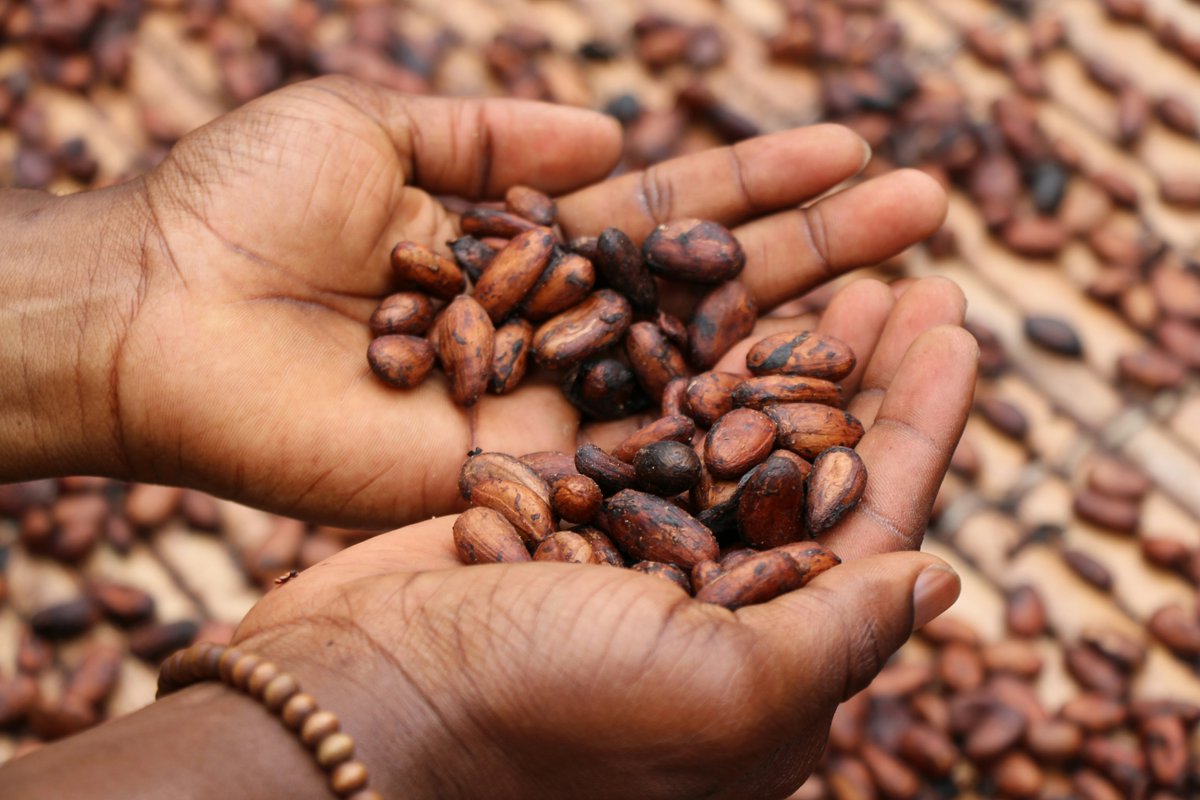
Does food taste the same as it did 50 years ago?
Today, varieties of fruits and vegetables are selected not for flavour or nutrition, but for:
• Higher yields 🌾
• Longer shelf life 🛒
• Durability for transportation 🚚
A 2004 study highlighted this shift, showing that modern agriculture prioritizes efficiency over taste and nutrients.
Produce today often lacks:
• Flavour
• Biodiversity
• Nutrient density
Compared to foods from 50 years ago.
Even today, this becomes clear when you compare grocery store produce to fresh, locally grown fruits and veggies.
You can taste the difference.
It's a reminder to think about what we prioritize when it comes to our food.
👉🏾 Have you noticed this difference?
♻️ Reshare if this resonates!
#foodsecurity #foodinsecurity #health #community #communitydevelopment #longevity #foodsystems #foodjustice #foodsovereignty #localfood #eatlocal
49% of people over 65 are lonely.
30% of people under 30 are lonely.
A thought:
Diversify the age of your friendships.
Regardless of your age, make friends that are:
• Younger (5-10 years younger)
• Semi-older (5-10 years older)
• Older (25+ years older)
• Same age
Loneliness impacts people of all ages.
Everyone benefits from a meaningful friendship.
-
👉🏾 Would you add anything?
♻️ Reshare if this tip was helpful!
#SocialImpact #foodsecurity #foodinsecurity #health #aging #aginginplace #community #communitydevelopment #longevity #foodsystems #foodjustice #foodsovereignty #localfood #eatlocal
8 principles to create community engagement
(backed by research)
1. Lead with transparency
2. Create a safe space
3. Involve community early
4. Be aware of power
5. Address power imbalances
6. Build up citizen confidence
7. Celebrate small wins
8. Align motivations
-
These principles go beyond token engagement to create collaborative, lasting solutions.
Community engagement means sharing power and building trust.
Use these to build your community development project!
👉🏾 Would you add anything?
♻️ Reshare if these tips were helpful!
Source: https://t.co/56cuvzXEft
#CommunityEngagement #HealthCareLeadership #SocialImpact #foodsecurity #foodinsecurity #health #aging #aginginplace #community #communitydevelopment #longevity #foodsystems #foodjustice #foodsovereignty #localfood #eatlocal
5 reasons NOT to eat alone:
(backed by science)
Food is more than ingredients: it's a powerful social connector.
A healthy social life is linked to longevity.
My personal belief: the company around the table is as important to your health as what's on your plate.
But it's not just me - there's data to back up that claim.
Here are 5 Benefits of Eating together (backed by science):
1. Reduced risk of depression
2. Increased social cohesion
3. Learn about new cultures
4. Improved well-being
5. Better eating habits
It's not always possible, but try to eat socially at least 2-3 times per week.
You could live longer!
-
👉🏾 Do you eat socially?
♻️ Reshare if this resonates!
#foodsecurity #foodinsecurity #health #community #communitydevelopment #longevity #foodsystems #foodjustice #foodsovereignty #localfood #eatlocal
4 things that will kill your community project
(and how to avoid them):
1️⃣ Ignoring local leadership
When decisions come from the outside, or top-down, projects fail.
Solution: Engage trusted local leaders from the start.
2️⃣ Lack of a clear purpose
Vague goals lead to confusion and burnout.
Solution: Co-define your mission and measurable outcomes.
3️⃣ Overpromising without resources
Big promises with no follow-through erode trust.
Solution: Align your goals with available funding and capacity.
4️⃣ Failing to adapt
Community needs change over time.
Solution: Regularly assess and adjust your approach.
Trust builds engagement.
Engagement builds agency.
Agency leads to lasting action.
Lasting action leads to real change.
👉🏾 What do you think: did I miss anything?
♻️ Reshare if this resonates!
#foodsecurity #foodinsecurity #health #community #communitydevelopment #longevity #foodsystems #foodjustice #foodsovereignty #localfood #eatlocal
I felt lost.
And in an afternoon - my life changed.
In 2022, I was being pulled in a million directions:
• Husband & father of 2 kids under age 3
• Sold house & bought vacant land
• Moved to a new (small) town
• Planning to build a house
• Full time PhD student
• Full time employee
It was a lot.
One fall morning, at a conference, I was asked to help an Indigenous elder with a project. I didn't know what I was volunteering for, but just went along.
As we pulled out small Beech trees from the back of his pickup truck, I asked:
"What are we doing?"
"We're building a smoker. To dry moose meat," he replied.
For the next two hours, I followed Elder Mark's instructions.
I barely spoke, mainly listened.
Every detail was brought to life with 70+ years of his story.
He told me that his grandfather taught him how to build the smoker we were working on.
He told me stories of how food used to be prepared, shared and revered.
Listening to Elder Mark taught me:
• The power of being on the land
• The importance of stories
• The value of teaching
We all have a cultural heritage deeply rooted in food. And our culture is connected to our history.
We transfer this culture through stories of how we procure, produce and prepare the foods we eat.
This history isn't far removed - only a generation.
But, we have stopped asking our elders for how things were done.
We turn to Google for answers instead of older generations.
And, our ancestral wisdom at risk of being lost forever...
This realization opened my eyes and reminded me of a different way of life.
That day I made a decision:
I scrapped my 10,000 word proposal on health.
I told my supervisor I was going to start fresh.
I decided to honour the voices of our elders.
I shifted my research to focus on the perspectives of older adults, seeing how we can learn from their lived experiences to reshape our food systems.
Because, I believe stories from our past can improve our future.
Without them, we are lost.
-
👉🏾 My vision is to re-think and re-build our food system by sharing stories like this. Follow along as I share the journey.
♻️ Reshare if this resonates!
#foodsecurity #foodinsecurity #health #community #communitydevelopment #longevity #foodsystems #foodjustice #foodsovereignty #localfood #eatlocal #health #aging #society
5 hidden signs of food sovereignty in action:
1. Local seeds
Communities grow crops from native seeds instead of buying commercial ones.
2. Farmers control their land
Land is owned by those who grow food, not large corporations.
3. Culturally relevant foods are accessible
People have the right to eat foods that reflect their traditions.
4. Food is grown sustainably
Practices like crop rotation, cover cropping, rotational grazing, seed saving and organic methods protect the soil, water and living systems.
5. Fair prices for farmers
Small-scale producers receive fair pay for their hard work.
-
Food sovereignty is about people regaining control of their food systems.
It protects communities, traditions, and the planet.
The fight for good food can feel overwhelming.
But there are (hidden) signs of hope.
Change takes time.
👉🏾 Are you seeing any signs in your community?
--
♻️ Reshare if this resonates!
#foodsecurity #foodinsecurity #health #community #communitydevelopment #longevity #foodsystems #foodjustice #foodsovereignty #localfood #eatlocal #farmersmarket
Climate-proofing your diet is a needed life skill.
Here are 3 free tools to get started:
1️⃣ Food Miles Calculator
Estimate the distance your food travels and its and emissions and environmental impact.
Food Miles https://t.co/m2kLAlUmNZ
(enter info into the green pane on the right)
2️⃣ Local Food Maps
Find fresh, local food from farmers, wholesalers, small producers, and CSA boxes nearby. Then shop there.
Map for 🇨🇦: https://t.co/iuyhfWBPKO
Map for 🇺🇸: https://t.co/pxDxsHN2q0
3️⃣ Food Waste Calculator
Assess your food waste to understand the financial and environmental costs. Learn tips to reduce it effectively.
Food waste calculator: https://t.co/FCm8dKJjAq
-
Change starts with small decisions.
Awareness leads to action.
👉🏾 Have any tips and tools helped you shift how you shop or eat?
♻️ Reshare if these tools were helpful!
#foodsecurity #foodinsecurity #health #aging #aginginplace #community #communitydevelopment #longevity #foodsystems #foodjustice #foodsovereignty #localfood #eatlocal
One of the most common mistakes I hear:
"Organic food is expensive."
The problem with this statement is that it is relatively true.
Organic food is more expensive than the alternative...
...if you only consider the price YOU pay.
BUT
The truth is - cheap food has hidden costs:
• Health impacts of diet quality
• Environmental hazards - pesticides
• Exploitative labour practices (cheap labour)
So, why is conventional food cheaper?
$540 BILLION a year in subsidies.
These funds flow from governments to producers of conventional agricultural products.
This distorts price.
The result?
Cheap(er) prices at the grocery.
Small scale local farmers do NOT receive these subsidies. What you pay goes directly to the farmer, reflecting a truer cost of food.
So - the farmer's market vs grocery store comparison isn't..."apples to apples"
You have to take into account the full, true cost.
But, with hidden costs, we focus only on price.
Some good questions to ask yourself the next time you're at the checkout.
Is saving money worth the cost of:
• Poor health?
• Environmental impacts?
• Supporting unfair labour?
With the cost of everything rising, it's easy to overlook these questions. But they matter.
The alternative:
Get to know local growers.
Support them. Keep your dollars local. Improve your physical and mental health. Build your community.
👉🏾What do you think: Is the added cost of 'local' food worth it?
--
Check out this article that breaks down the true cost of food: https://t.co/IsKVrtjcvf
♻️ Reshare if this resonates!
#foodsecurity #foodinsecurity #health #aging #aginginplace #community #communitydevelopment #longevity #foodsystems #foodjustice #foodsovereignty #localfood #eatlocal
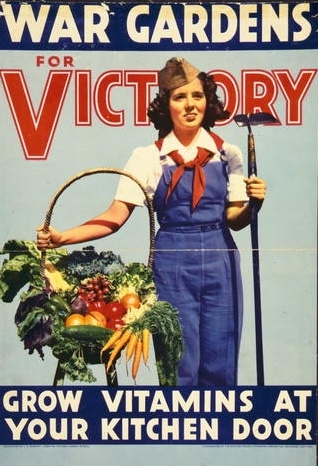
Can a wartime practice help the fight for food security today?
During WWII, Americans grew nearly 40% of their vegetables in "Victory Gardens."
These gardens were built in yards and:
• Parks
• Vacant lots
• School grounds
Victory Gardens freed up agricultural resources for the war and reduced labour shortages.
They were also incredibly productive:
• In 1939: $200 million worth of vegetables grown
• By 1944: 18.5 million people joined the effort
• 1944: Gardens grew 40% of US veggies
• By 1945: Gardens produced 8 to 10 million tons
These home and community gardens helped address food shortages during the war.
They also:
• Boosted morale
• Improved health & nutrition
• Encouraged self-sufficiency
• Brought communities together
The majority of the 18+ million gardeners were new. But, they created a support system with experienced gardeners to keep morale (and productivity) high.
There was a role for everyone - those unable to garden helped preserve produce, and deliver flowers to hospitals.
The "Victory Gardens" were a testament to community coming together towards a common goal.
They also made a tangible impact on a country's food supply.
👉🏾 Can gardens help in today's fight against food insecurity?
--
♻️ Reshare if this resonates!
Source: https://t.co/we3iLv6RDD
Image credit: National Library of Congress
Title: War gardens for victory--Grow vitamins at your kitchen door / lithographed by the Stecher-Traung Lithograph Corporation, Rochester, New York.
Date Created/Published: c.1939 and 1945
Link: https://t.co/r6OugWTO0X
#victorygardens #rememberanceday #lestweforget #foodsecurity #foodinsecurity #health #community #communitydevelopment #longevity #foodsystems #foodjustice #foodsovereignty #localfood #eatlocal #farmersmarket
This concept transformed how I view health:
The Roseto Effect.
The core of the concept:
Your diet won't necessarily help you live longer.
The effect is named after a small town called Roseto in Pennsylvania.
In the 1950's, heart disease was becoming a leading cause of death in America.
But, not in Roseto.
This small town had:
• Lower rates of heart attacks
• Lower rates of high blood pressure
• HALF the national average death rate
This was an outlier compared to neighbouring towns, which had 3X higher rates of heart disease.
The residents of Roseto were dying old age.
Researchers wanted to know what was different.
So, they visited.
Roseto's population were mainly Italian immigrants from Roseto Valfortore, Italy.
After their initial immigration in 1882, more Rosetans came, eventually building a small community.
Researchers thought their health was due to their Mediterranean diet.
But that wasn't the case.
Their diet was:
• About 41% fat
• Cooked in lard
• High in carbs
• High in meat
They also loved wine.
They didn't really exercise.
And smoked cigars semi-frequently.
Everything they were doing was the opposite of 'healthy' recommendations.
So, it wasn't their diet.
While the researchers were in Roseto, they also were baffled that the town had:
• no suicides
• no alcoholism
• no drug addiction
• basically no crime
So, what was contributing to their health?
The Rosetans lived in close-knit communities.
They took care of each other.
Connected with each other.
Engaged with each other.
Supported each other.
Loved each other.
Their relationships were different than what we see socially today.
They often had several generations of a single family living together. Neighbours connected with one another. They thought beyond themselves, making sure others were okay. They cared.
This meant less stress.
Especially for older adults.
The sense of community meant that there was always someone to keep an eye out for them.
They didn't feel alone.
They had deep, lasting, personal relationships.
Some of the activities that characterized their community:
• Backyard bingo
• Shared cooking and meals
• Storytelling and song-singing
• Home fruit and vegetable gardens
The lifestyle caused stress levels to be really low - which likely led to their longer lifespans.
It wasn't their diet that led to their longevity.
It was their culture, their connections.
It was their community.
Who is at the table matters more than what's on your plate.
To live a life of health:
• Cultivate deep and meaningful connections.
• Get to know new people in your community.
• Care for people of every and any age.
• Eat together, live life together.
You may live longer!
👉🏾 What does community mean to you?
--
♻️ Reshare if this resonates!
#foodsecurity #foodinsecurity #health #community #communitydevelopment #longevity #foodsystems #foodjustice #foodsovereignty #localfood #eatlocal #farmersmarket
86% of adults 65+ want to age at home.
The problem?
Food insecurity can be a barrier.
The decision to leave home and live in residential care has been linked to food insecurity (Chen et al., 2016).
So, what can be done?
Access to food helps - but it's not enough.
Community matters.
Community-connections can help:
• Reduce isolation
• Strengthen social networks
• Provide access to food/transit
All of this boosts food security.
The reason?
Food is a social activity. Connection helps older adults eat better food, more frequently. This is backed by tons of evidence.
Providing food alone, isn't enough.
We need meaningful connection.
Aging at home is possible - but, it takes a village.
👉🏾 Have you seen community programs that connect older adults to food AND community?
-
♻️ Reshare if this resonates!
#foodsecurity #foodinsecurity #health #aging #aginginplace #community #communitydevelopment #longevity #foodsystems #foodjustice #foodsovereignty #localfood #eatlocal
Quitting my job was one of my best decisions:
It taught me 11 lessons to live with purpose.
When I was 25, I:
Got a master's degree.
Got a fancy job.
Hated it.
8 months later, I quit.
To work on a farm.
Earning $100 a month.
It was one of the best decisions of my life.
I learned:
1. Good food heals.
2. Nature stills the mind.
3. Hard work reveals character.
4. Society has overcomplicated life.
5. Play is an essential part of living well.
6. Soil health = body health = planet health.
7. We have boundless energy (if you stop sitting).
8. Our food system is not designed for good food.
9. Accepting food covered in poison is insanity.
10. Complaining doesn't help, action does.
11. Resilience is built through hardships.
At the time, my decision made no sense.
It confused everyone (myself included).
But, it reshaped my life.
It changed my view of the world and my place in it.
It challenged what I accepted as 'normal' in life.
The best part?
It gave me a sense of purpose.
I now have an unwavering faith that we can fix our food system.
It might take time - but, all good things do.
✏️ Have you had an experience that made you rethink life?
--
👉🏾 My vision is to re-think and re-build our food system by sharing stories like this. Follow along as I share the journey.
♻️ Reshare if this resonates!
#foodsecurity #foodinsecurity #health #community #communitydevelopment #longevity #foodsystems #foodjustice #foodsovereignty #localfood #eatlocal
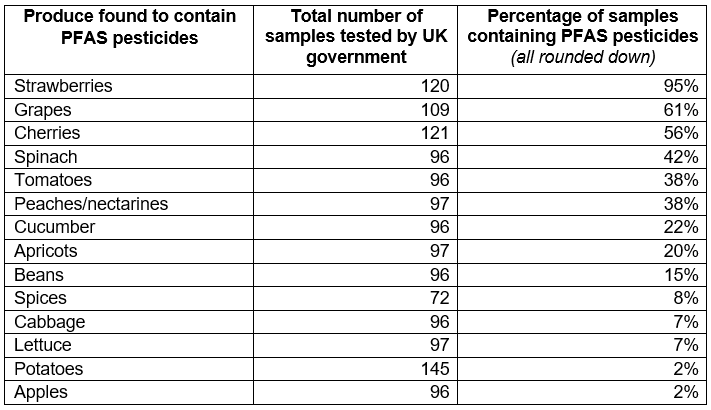
I'm not sure why this doesn't bother more people:
Forever chemicals in your food.
What's a forever chemical?
• Takes up to 1,000 years to break down.
• Accumulates in the blood, bones and tissue of living organisms, including humans.
And - they're in our food.
Given the prevalence in common foods, forever chemicals are likely already present in most people's blood.
They've been linked to:
• Increased risk of cancer
• Immune dysfunction
• Decreased fertility
We should refuse to accept this as 'normal.'
That's the first step to reshaping our food system.
3 ways to act:
1. Vote with your dollars - support local/organic
2. Build consciousness and confidence - learn about food & food systems - knowledge = power.
3. Build community agency - join local advocacy groups to impact policy.
👉🏾 Have you taken any steps to resist chemicals in food?
*The findings from the report linked are from the UK, however practices in many countries are similar.
--
♻️ Reshare if this resonates!
Report: https://t.co/nhahspppCI
#foodsecurity #foodinsecurity #health #community #communitydevelopment #longevity #foodsystems #foodjustice #foodsovereignty #localfood #eatlocal #farmersmarket #eatlocal
60% of food-insecure seniors DON'T get help.
Why? It’s not lack of access.
It’s about perception.
Older adults opt-out of food assistance due to:
• Stigma around social assistance
• Ingrained values of self-sufficiency
• Not identifying as ‘needy’ or ‘food insecure’
What's interesting?
A higher percent take part in garden programs.
Gardening is a proactive, empowering and community-minded option.
To support food-insecure older adults, food assistance has to be reframed as a service rather than charity.
This means food access that is:
• Destigmatized
• Socially acceptable
• Connected to community
• Supportive of local food economy
The emphasis has to be community and dignity.
👉🏾 How can we reimagine support to reduce stigma?
--
♻️ Reshare if this resonates!
Source: https://t.co/BQSCRlkEAj
#foodsecurity #foodinsecurity #health #community #communitydevelopment #longevity #foodsystems #foodjustice #foodsovereignty #localfood #eatlocal #farmersmarket #eatlocal
A farmer once told me a story:
(Read this if you eat food)
There was a competition for the world's best peach.
The first year the competition was in Ontario.
That year, the peach from Ontario won it.
The next year, the contest was in Japan.
That year, the Japanese peach won.
The peach that won, didn’t travel.
The best peach was ripe.
The moral of the story:
Eat local peaches.
Eat local food.
I'm not sure if this was a real story, or if it was something like a parable. But, given how we consume food from foreign places - there's truth in it. I think about this all the time.
Local food:
• Tastes better
• Is more nutritionally dense
• Reduces our carbon footprint
• Helps consumers eat seasonally
• Supports community economies
-
👉🏾 My vision is to re-think and re-build our food system by sharing stories like this. Follow along as I share the journey.
♻️ Reshare if this resonates!
#foodsecurity #foodinsecurity #health #community #communitydevelopment #longevity #foodsystems #foodjustice #foodsovereignty #localfood #eatlocal
A new food trend is growing:
(and it's not a diet)
Repeasantization.
It's a snazzy word, so, let's break it down:
Re-: to return to
-peasant-: people in local agriculture
-ization: the process of doing or becoming
People are going 'back to the land.'
In his book, 'The New Peasantries' - J.D. van der Plog defines it as: increasing quantity & quality of local agriculture.
Some key features:
• Reducing capital intensification
• Advocating for increased autonomy
• Sustainable food production and distribution
Repeasantization (if you can say it) has the potential to:
• Build local economies
• Address global food security
• Strengthen community development
This lifestyle benefits both people and the planet.
It's been considered “strategic to future world food security.”
Sounds great!! But - is it feasible?
The agrarian life is often romanticized. It's a hard life. So, it's no longer seriously considered as a career.
Paired with growth of corporate agriculture, it is a tall-task that localized food systems face.
👉🏾 What do you think: Does repeasantization have a chance?
--
♻️ Reshare if this was interesting!
#foodsecurity #foodinsecurity #health #community #communitydevelopment #longevity #foodsystems #foodjustice #foodsovereignty #localfood #eatlocal #farmersmarket #eatlocal