I write posts and try to do them daily or at least weekly. Check out my site (https://t.co/pusGJRoChn) for my latest posts. I often write about topics like ARM, RISC-V, NixOS, and things I am interested in or involved in.
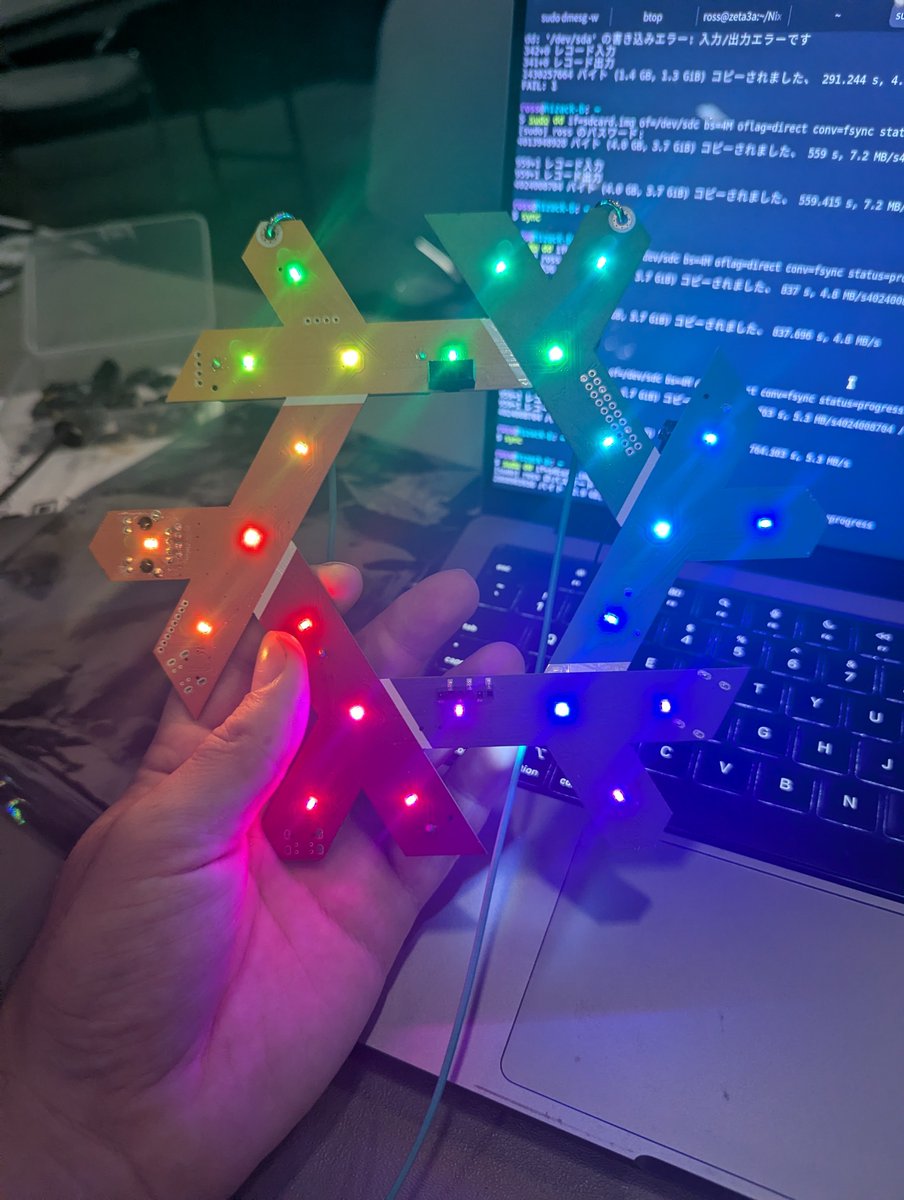
The @NixVegas team is going to do a few posts debriefing about the different parts of this year's event once we get a little post-DEF CON sleep. Badge, CTF, and network were all extremely unique engineering challenges with Nix at the forefront. Amazing teamwork from everyone
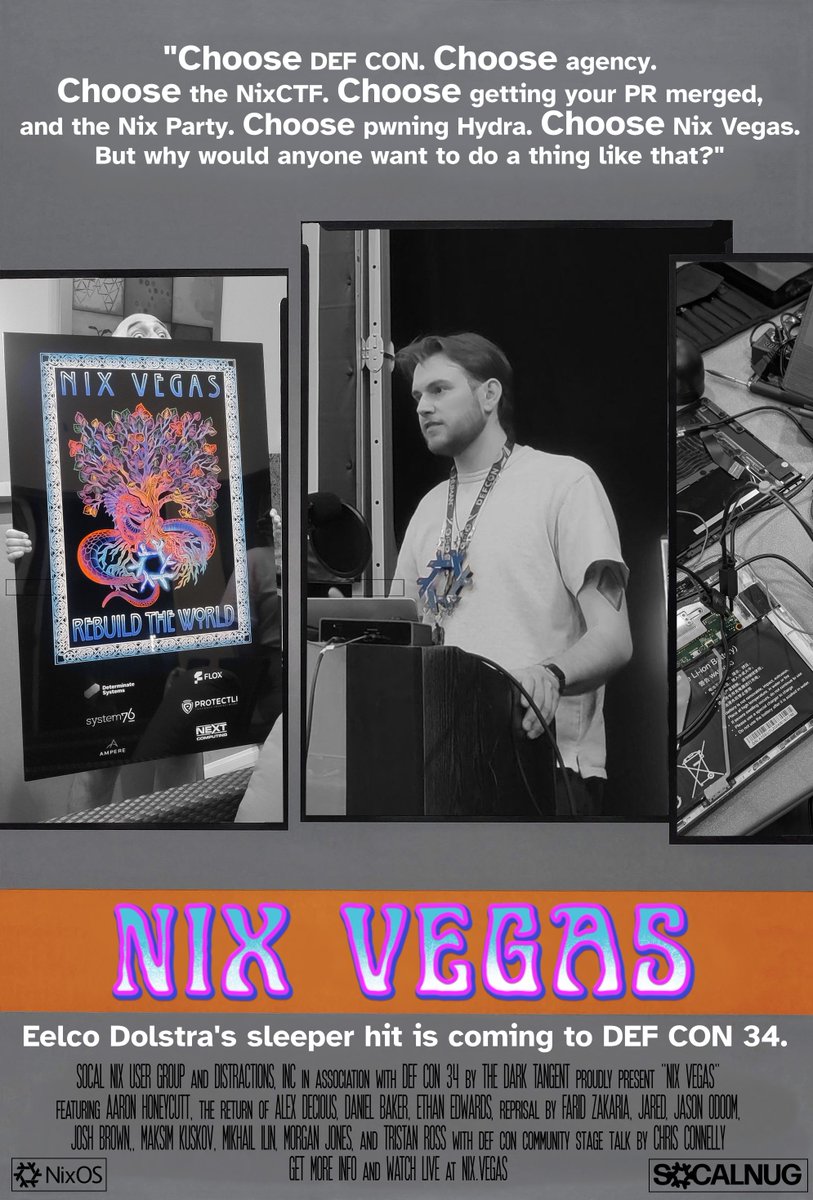
Thank you to @DeterminateSys for the Closure tier sponsorship of Nix Vegas at DEF CON 34! Your support helped pay for sponsor badges, and will support our artist, Kenz Tobias (https://t.co/f2XwjoOxMK)
Ofc this is something which I updated in claude-for-hardware. I'm really hoping that tools like Claude can help figure out these weird edge cases. It does take someone knowing how this stuff works to direct an LLM. However, LLM's are becoming a very powerful and useful tool. For hardware things, LLM's have allowed me to do complex hardware engineering tasks. I've always been a software person but I do have a decent understanding of hardware.
Tools like Claude aren't going to replace experienced engineers, they're going to make those experienced engineers more capable. As well, to some degree, these tools can make capable engineers more efficient and faster.
There will always be edge cases where LLM's will not perform that well or have missing context. But as this technology improves and more capable models come out, along with improving skills and harnesses, they will become increasingly more useful.
I never thought in 100 years that I would use an LLM to design hardware or complex software. It's just this year that LLM's have become useful.
https://t.co/YliYvcGL2S
Claude and I spent like 4 or 5 hours yesterday diving into why DDR wasn't working. It led to the serdes not working with nextpnr. Vivado built bitstreams worked but not when done through nextpnr. Disassembled the pre built Vivado bitstream for UberDDR3 and did some research. The problem is that the serdes aren't properly fuzzed. Using pre-route and pre-place hooks to place the serdes on X0Y145/X0Y141 fixed them. Now I'm just running the last fixes for the DDR3 controller and PHY in Harbor and I should be able to boot Linux on River soon.
Claude and I spent like 4 or 5 hours yesterday diving into why DDR wasn't working. It led to the serdes not working with nextpnr. Vivado built bitstreams worked but not when done through nextpnr. Disassembled the pre built Vivado bitstream for UberDDR3 and did some research. The problem is that the serdes aren't properly fuzzed. Using pre-route and pre-place hooks to place the serdes on X0Y145/X0Y141 fixed them. Now I'm just running the last fixes for the DDR3 controller and PHY in Harbor and I should be able to boot Linux on River soon.