This is clear proof that the Ministry of Finance has released over GH¢1.6 billion to the Ministry of Food and Agriculture, representing 85% of MOFA’s 2026 budget allocation for Goods and Services and Capital Expenditure (CAPEX).
In fact, releases for Goods and Services stand at 94.73%, while CAPEX releases have reached 74.66%.
For Goods and Services, all the requests were initiated by MOFA itself, with the exception of the release made to the National Food Buffer Stock Company.
As shown in the spreadsheet, every transaction is backed by a requisition date, journal number, approval date, and warrant number. The journal and warrant numbers are system generated (GIFMIS). This is the standard process through which all ministries, departments, and agencies generate and process requests on GIFMIS.
The records are clear, verifiable, and leave no room for dispute.
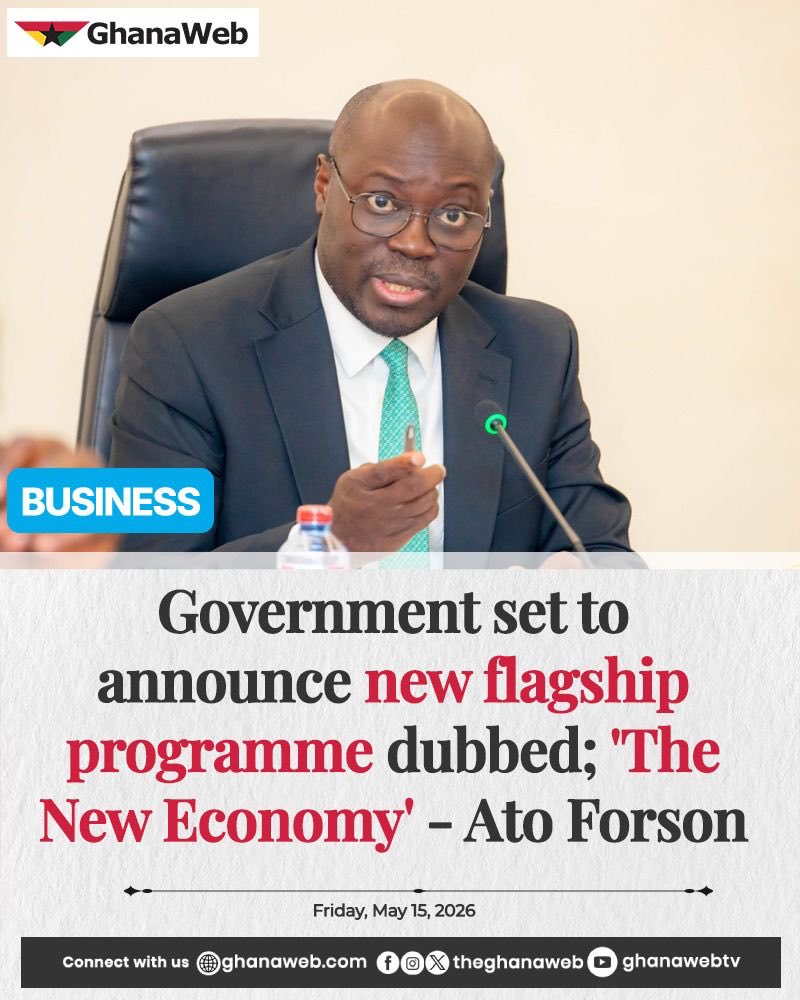
Contrary to claims that Dr. Cassiel Ato Forson is not releasing funds to key ministries such as Agriculture, the Ministry of Finance has already released GH¢1.677 billion to the Ministry of Food and Agriculture this year alone, representing 85% of its budget for Goods and Services and Capital Expenditure.
The funds released include:
• GH¢581.4 million for 50 Farmer Service Centres • GH¢110 million for irrigation infrastructure projects • GH¢515.3 million for fertilisers and certified seeds • GH¢244.9 million for the Nkoko Nkitinkiti programme • GH¢200 million for the National Food Buffer Stock Company
Government is backing its agricultural transformation agenda with real investments and timely budget releases.
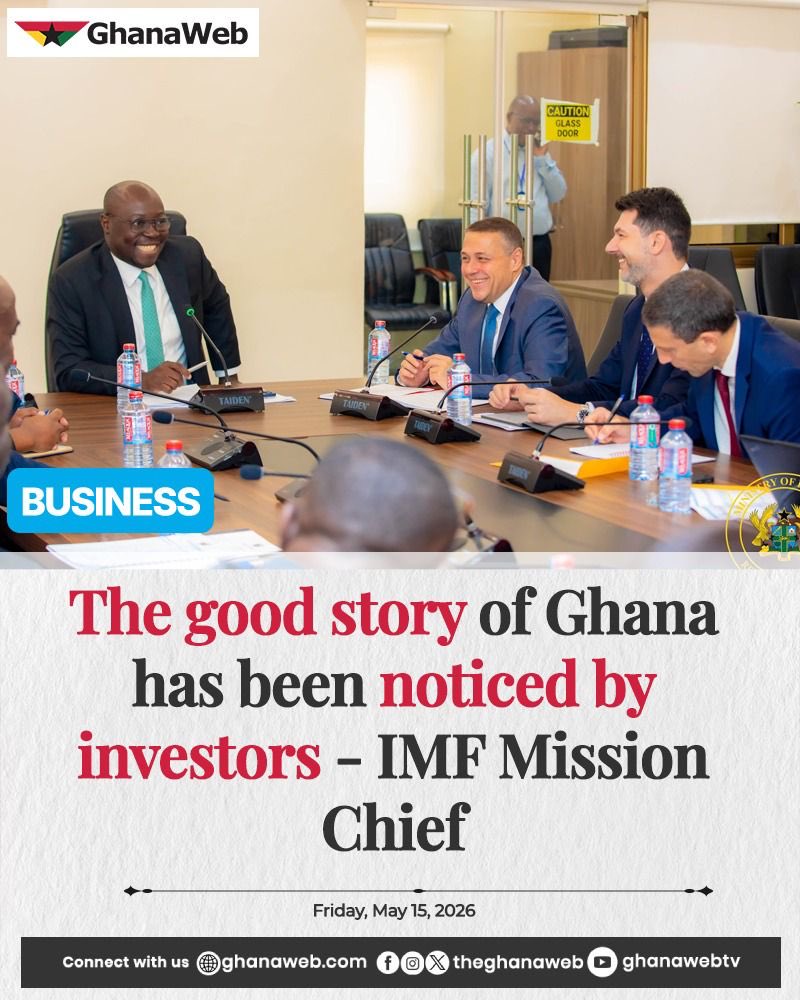
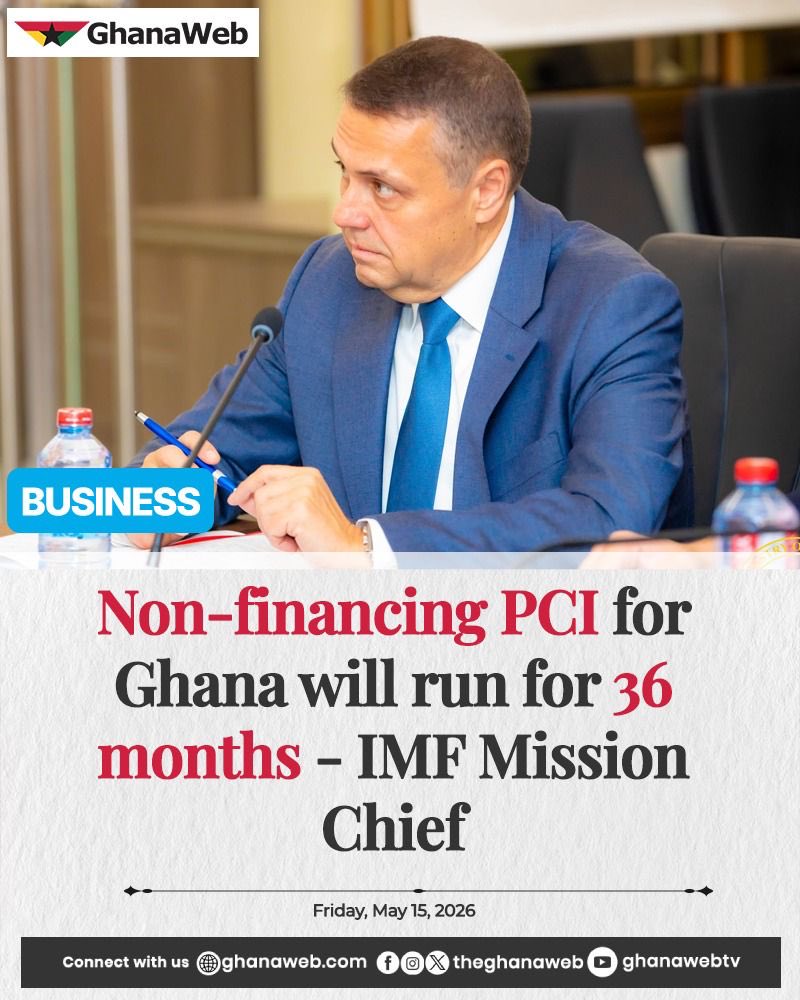
Ghana Successfully Concludes IMF Extended Credit Facility Programme and Transitions to a Non-Financing Technical Assistance Policy Coordination Instrument (PCI)
This milestone represents the restoration of macroeconomic stability and debt sustainability, well ahead of the original timeline.
Following the derailment of the IMF financial bailout programme at the end of 2024, the government of President John Mahama in 2025 acted decisively to bring it back on track and to recalibrate it by implementing a frontloaded fiscal consolidation, bold expenditure rationalisation, and strong structural reforms.
These efforts have delivered tangible results: inflation has reduced significantly, the cedi has strengthened markedly, public debt as a share of GDP has declined sharply, and economic growth has rebounded strongly.
Ghana’s sovereign credit ratings have improved significantly from restricted default (Junk Status) to ‘B’ with a positive outlook, representing five distinct rating levels upgrades.
This reflects improved fiscal performance, normalised creditor relations, stronger external buffers, and renewed market confidence.
Ghana’s gross international reserves have risen to an all-time high, reaching approximately US$14.5 billion by February 2026, almost 6-months of import cover.
These foreign exchange reserve buffers provide Ghana with the capacity to withstand external shocks and stand on its own feet!
Ghana Successfully Concludes IMF Extended Credit Facility Programme and Transitions to a Non-Financing Technical Assistance Policy Coordination Instrument (PCI)
This milestone represents the restoration of macroeconomic stability and debt sustainability, well ahead of the original timeline.
Following the derailment of the IMF financial bailout programme at the end of 2024, the government of President John Mahama in 2025 acted decisively to bring it back on track and to recalibrate it by implementing a frontloaded fiscal consolidation, bold expenditure rationalisation, and strong structural reforms.
These efforts have delivered tangible results: inflation has reduced significantly, the cedi has strengthened markedly, public debt as a share of GDP has declined sharply, and economic growth has rebounded strongly.
Ghana’s sovereign credit ratings have improved significantly from restricted default (Junk Status) to ‘B’ with a positive outlook, representing five distinct rating levels upgrades.
This reflects improved fiscal performance, normalised creditor relations, stronger external buffers, and renewed market confidence.
Ghana’s gross international reserves have risen to an all-time high, reaching approximately US$14.5 billion by February 2026, almost 6-months of import cover.
These foreign exchange reserve buffers provide Ghana with the capacity to withstand external shocks and stand on its own feet!
This announcement marks the definitive end of Ghana’s financial bailout relationship with the IMF.
Government is exceedingly grateful to the people of Ghana for their sacrifices, resilience and forbearance.


![Royal1Kingly's tweet photo. [Pictures]: Farewell Ceremony for the esteemed Mr. Andrews Kwame Amankwah, father-in-law of the illustrious Lawyer Sammy Gyamfi. https://t.co/NSrsJugYFm](https://pbs.twimg.com/media/HJprlKsXMAQYcKe.jpg)
![Royal1Kingly's tweet photo. [Pictures]: Farewell Ceremony for the esteemed Mr. Andrews Kwame Amankwah, father-in-law of the illustrious Lawyer Sammy Gyamfi. https://t.co/NSrsJugYFm](https://pbs.twimg.com/media/HJprlKsWwAAtiZX.jpg)
![Royal1Kingly's tweet photo. [Pictures]: Farewell Ceremony for the esteemed Mr. Andrews Kwame Amankwah, father-in-law of the illustrious Lawyer Sammy Gyamfi. https://t.co/NSrsJugYFm](https://pbs.twimg.com/media/HJprlKoXgAAJWEb.jpg)













![Royal1Kingly's tweet photo. [Pictures]: Farewell Ceremony for the esteemed Mr. Andrews Kwame Amankwah, father-in-law of the illustrious Lawyer Sammy Gyamfi. https://t.co/NSrsJugYFm](https://pbs.twimg.com/media/HJprlKuWMAAEL3X.jpg)