A 10-minute gear reset saves future frustration: recharge what’s low, wipe what’s dirty, return tools to their place, and restock the small things you used.
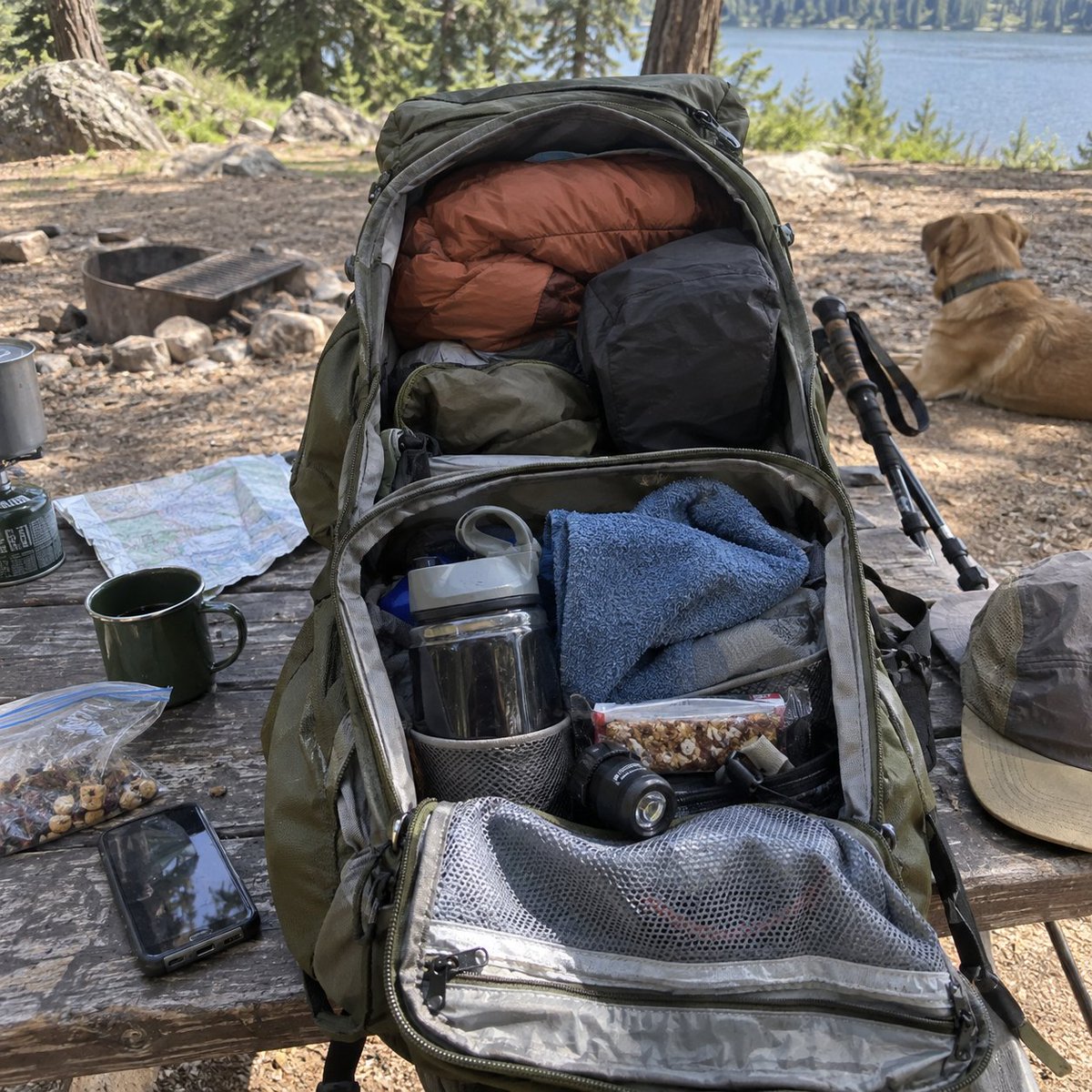
Pack outdoor gear in two zones: things you need during the activity, and things you only need before or after. It saves a lot of digging through one giant bag.
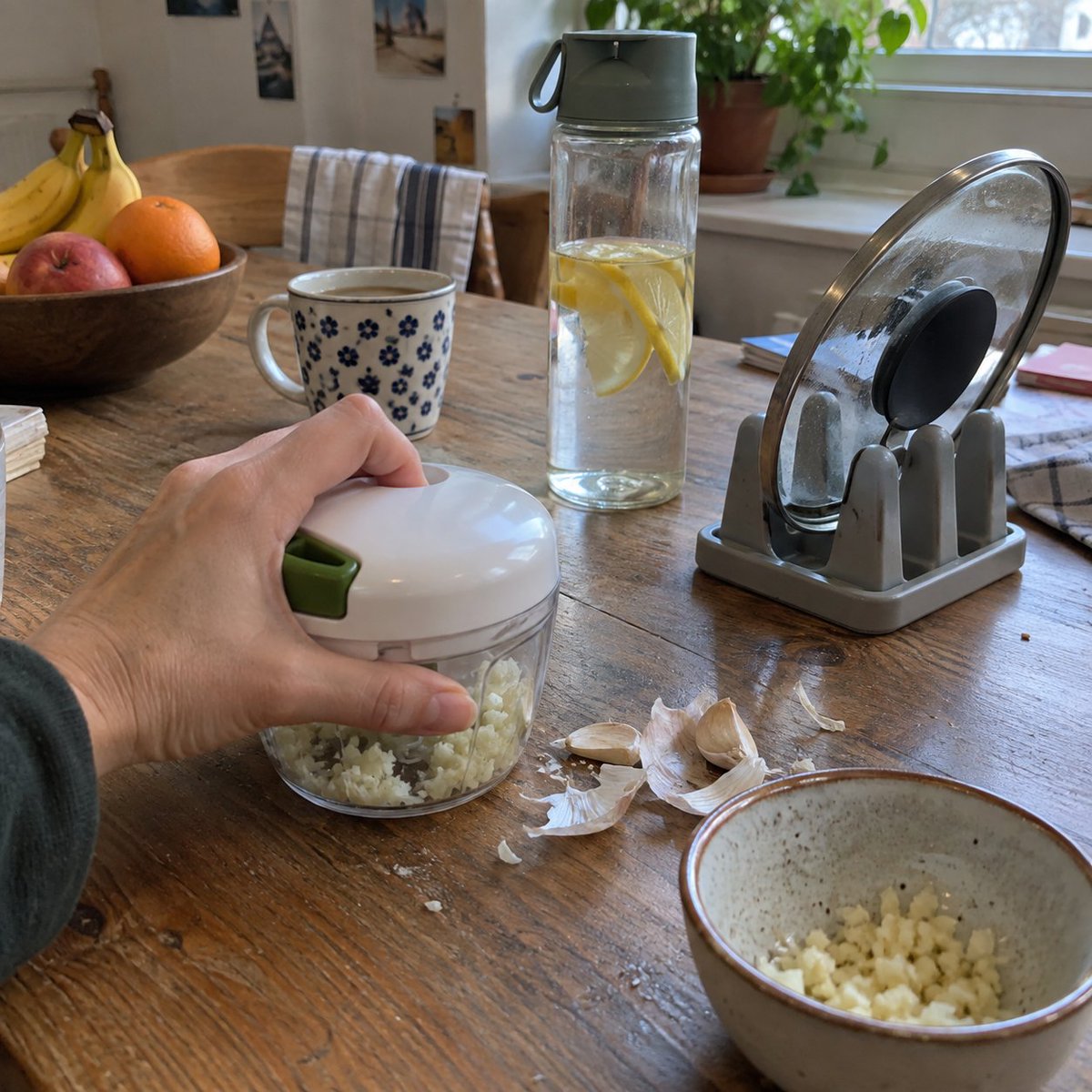
A useful gadget should solve a repeated annoyance. If you can’t name the problem it fixes, it’s probably just another object to charge, store, and eventually forget.
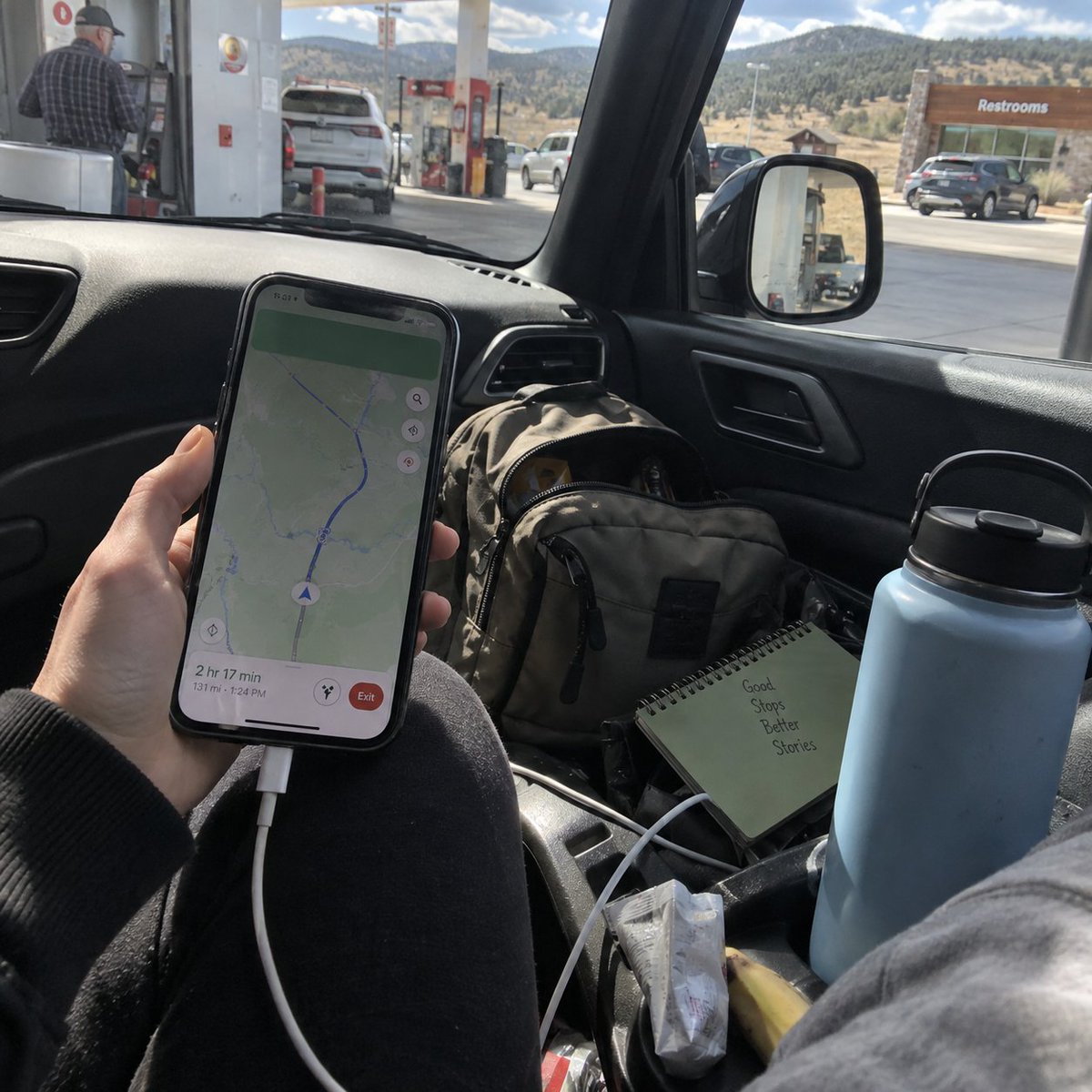
Before a road trip, handle the boring basics first: route, fuel or charge, phone power, water, weather, and anything your vehicle manual says to check. Fancy gear comes after that.
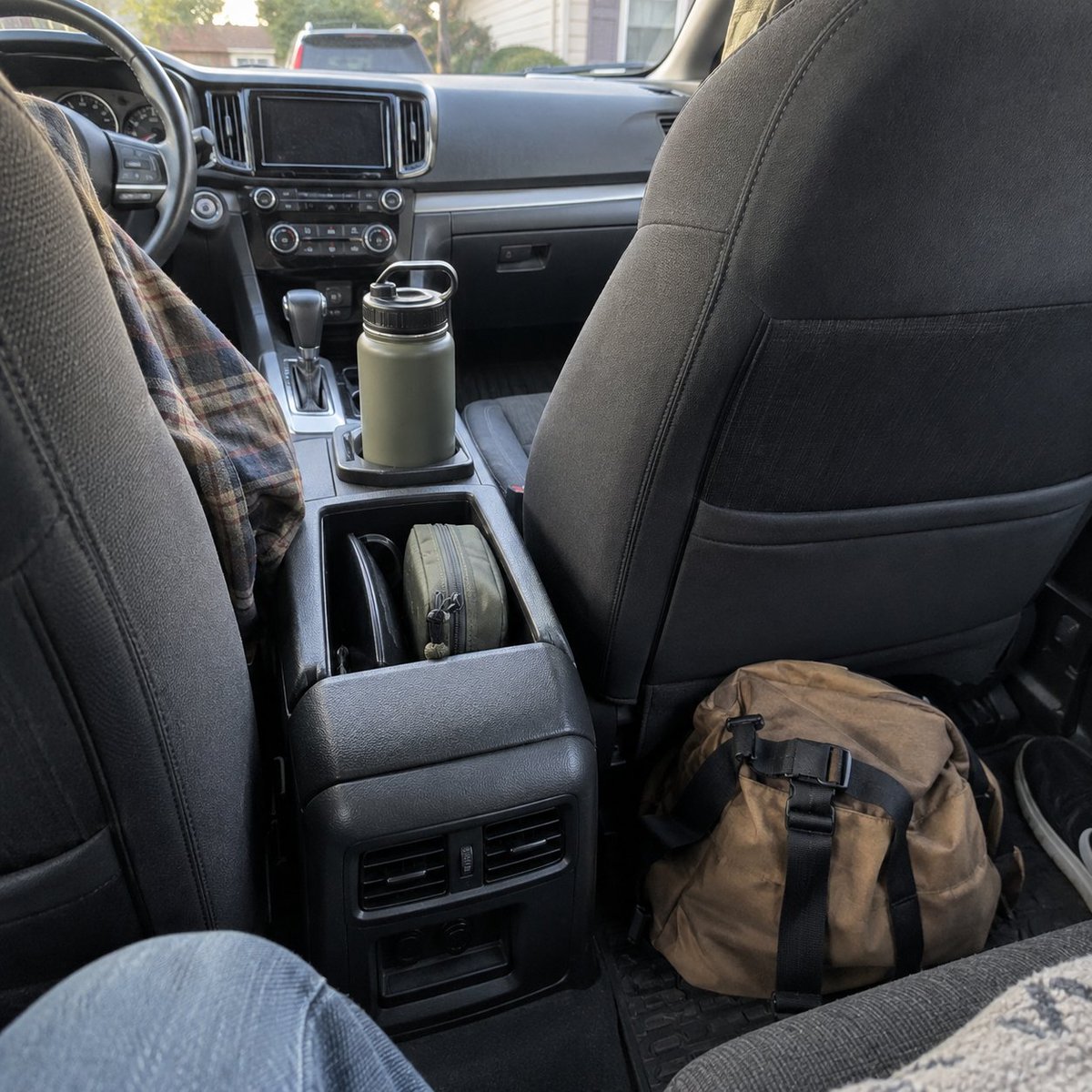
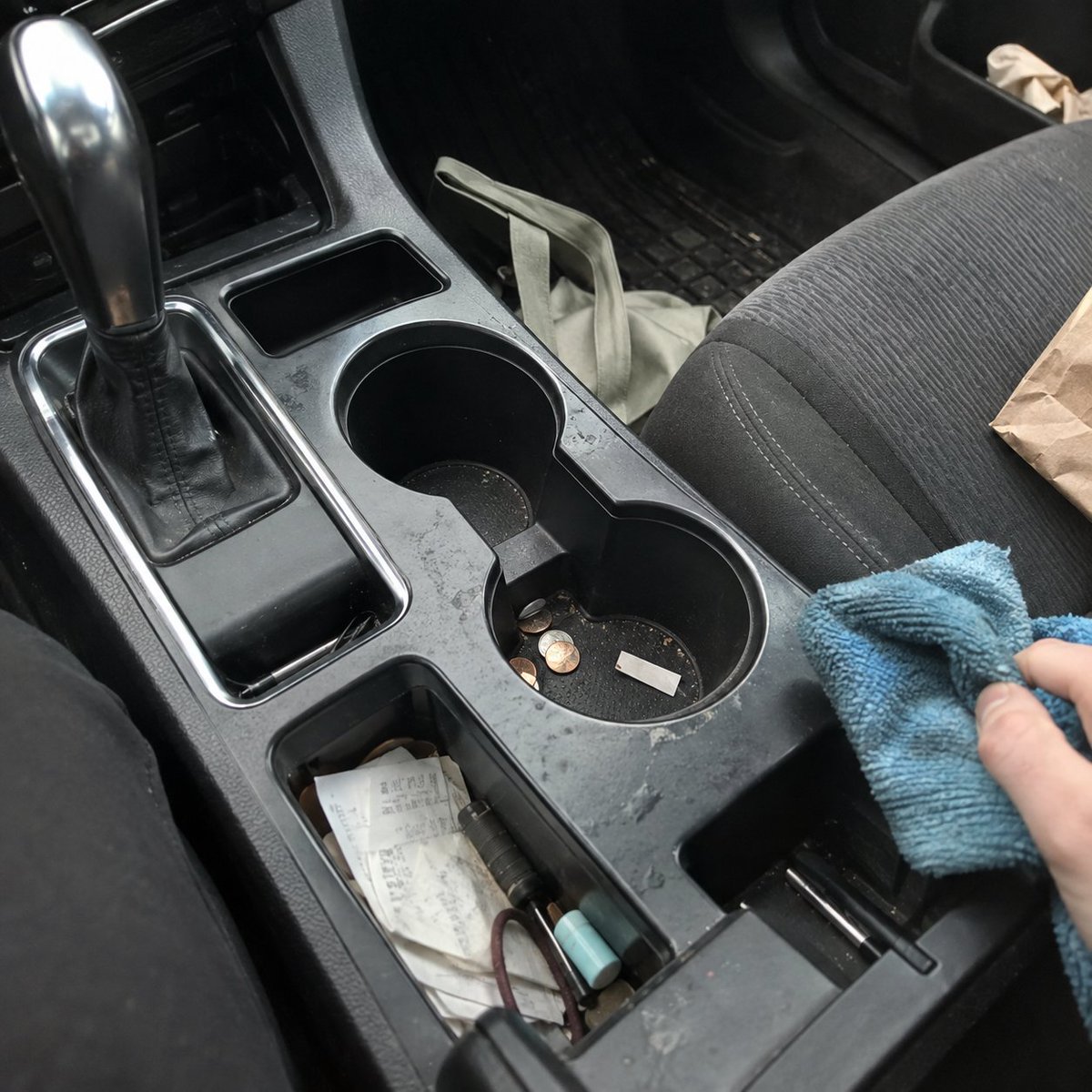
Cup holders turn into tiny junk drawers fast. Empty receipts, coins, old wrappers, and loose adapters once a week. It takes two minutes and makes the whole console feel cleaner.
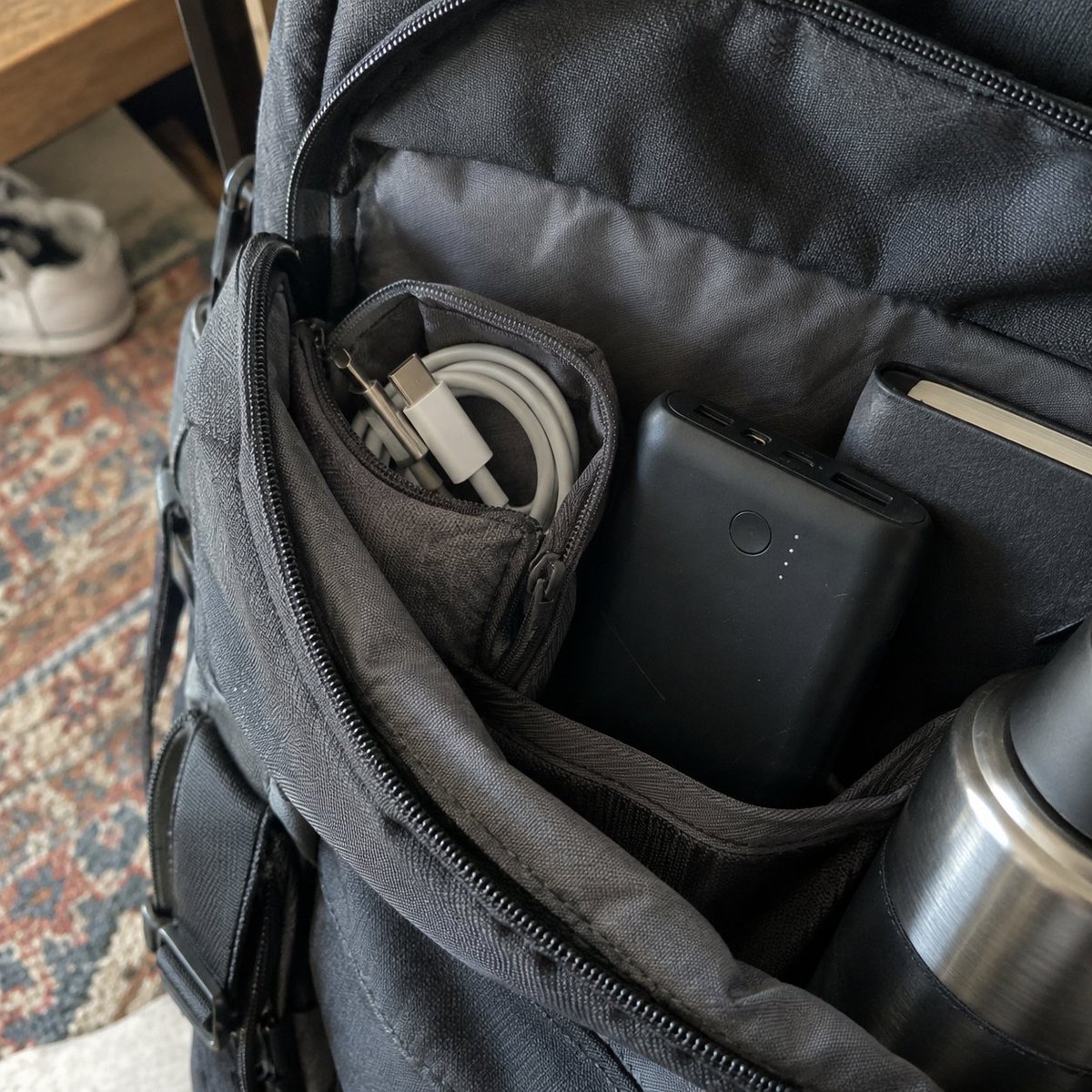
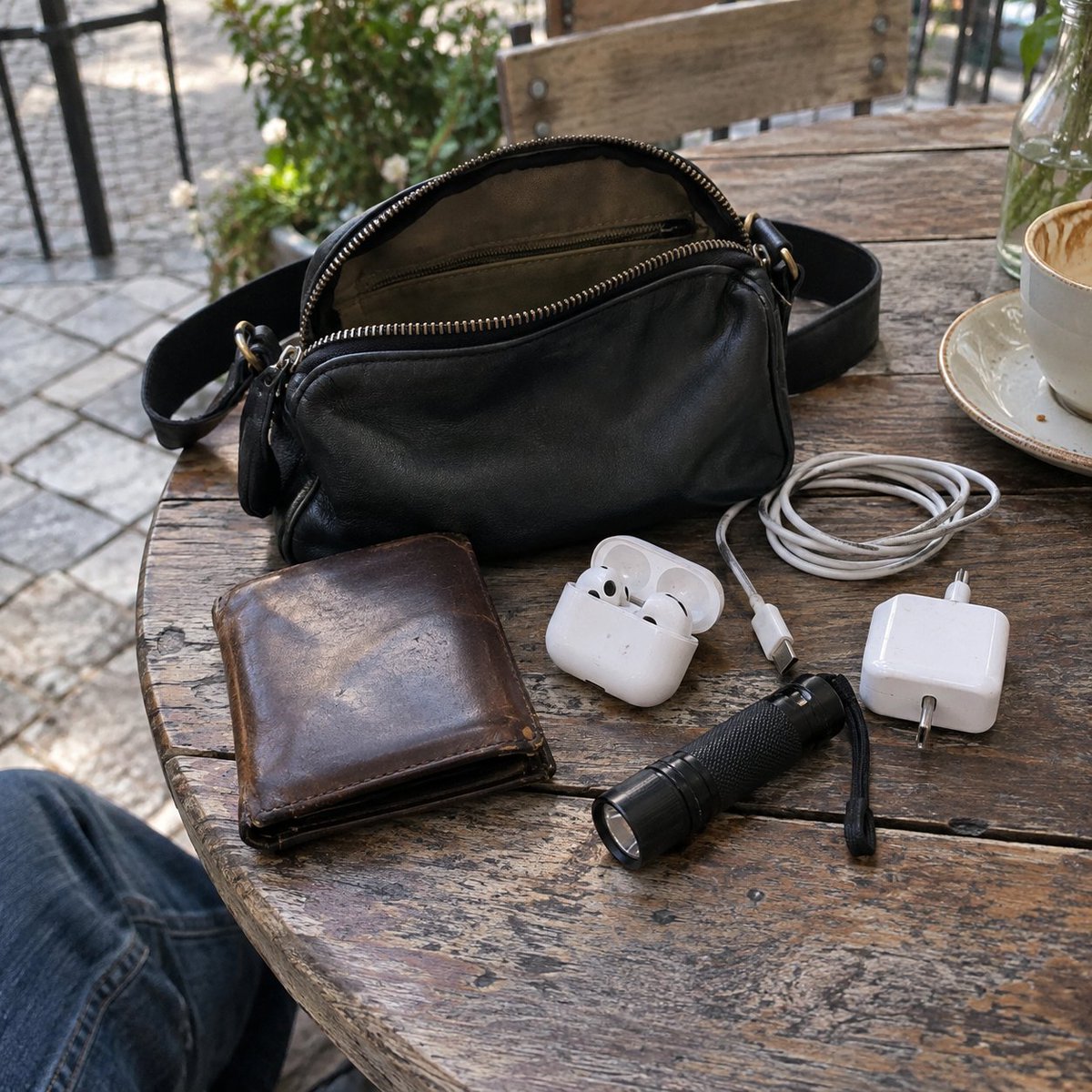
You probably don’t need two backups for everything. Carry one reliable version of the things you use often, then keep the true spares at home, in the car, or at work.
A bottle holder is a tiny accessory, but fit matters. Check that it holds your bottle securely before the ride instead of finding out on the first rough patch.
Batteries and power banks are useful travel gear, but packing rules can vary. Before flying, check your airline’s current guidance instead of relying on an old screenshot.
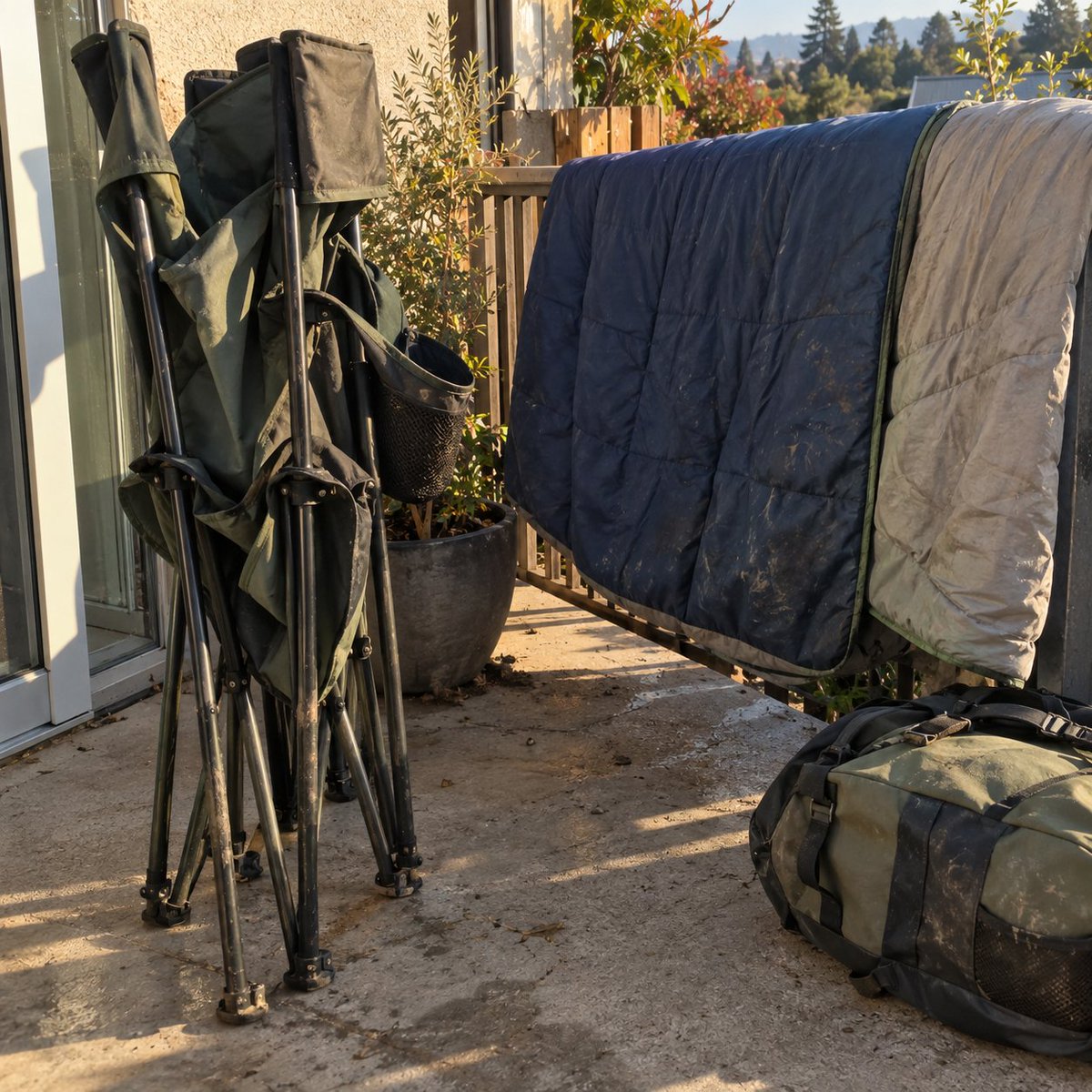
Before storing camping gear, let it dry completely. Damp fabric and packed-away dirt are much harder to deal with the next time you actually want to use it.
Portable work lights are useful because you can bring light to the job instead of dragging the job toward a lamp. Keep one charged where small fixes usually happen.
Before replacing a cable, check the obvious things: dirt in the port, a loose connection, or visible damage. If a cable is frayed or unsafe, retire it instead of trying to make it last.
A desk full of gadgets usually needs less, not more. Keep the things that solve a daily problem within reach and move everything else out of the work zone.
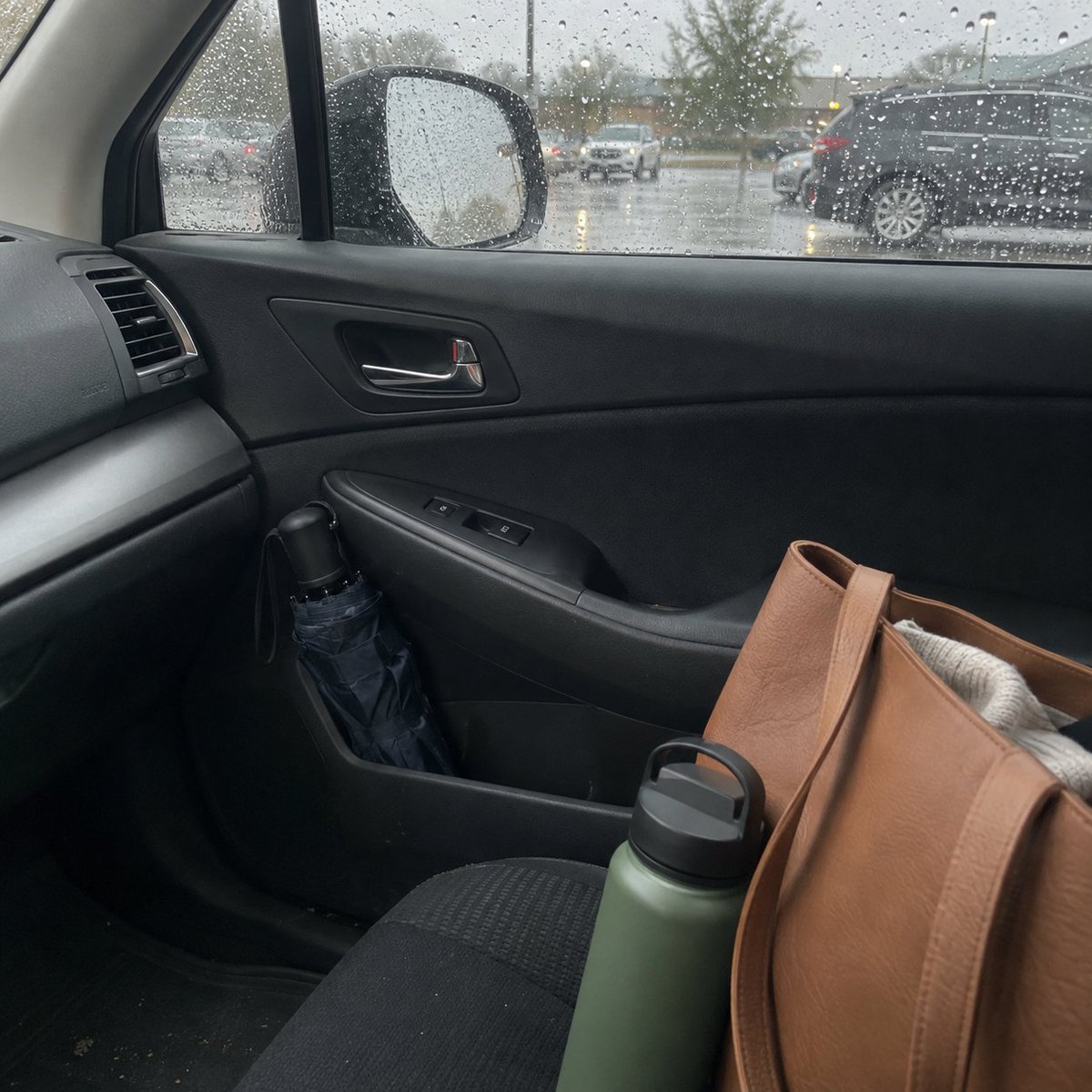
Keep a compact umbrella somewhere you’ll actually remember it: car door pocket, work bag, or entryway. The best backup item is the one you don’t have to search for.
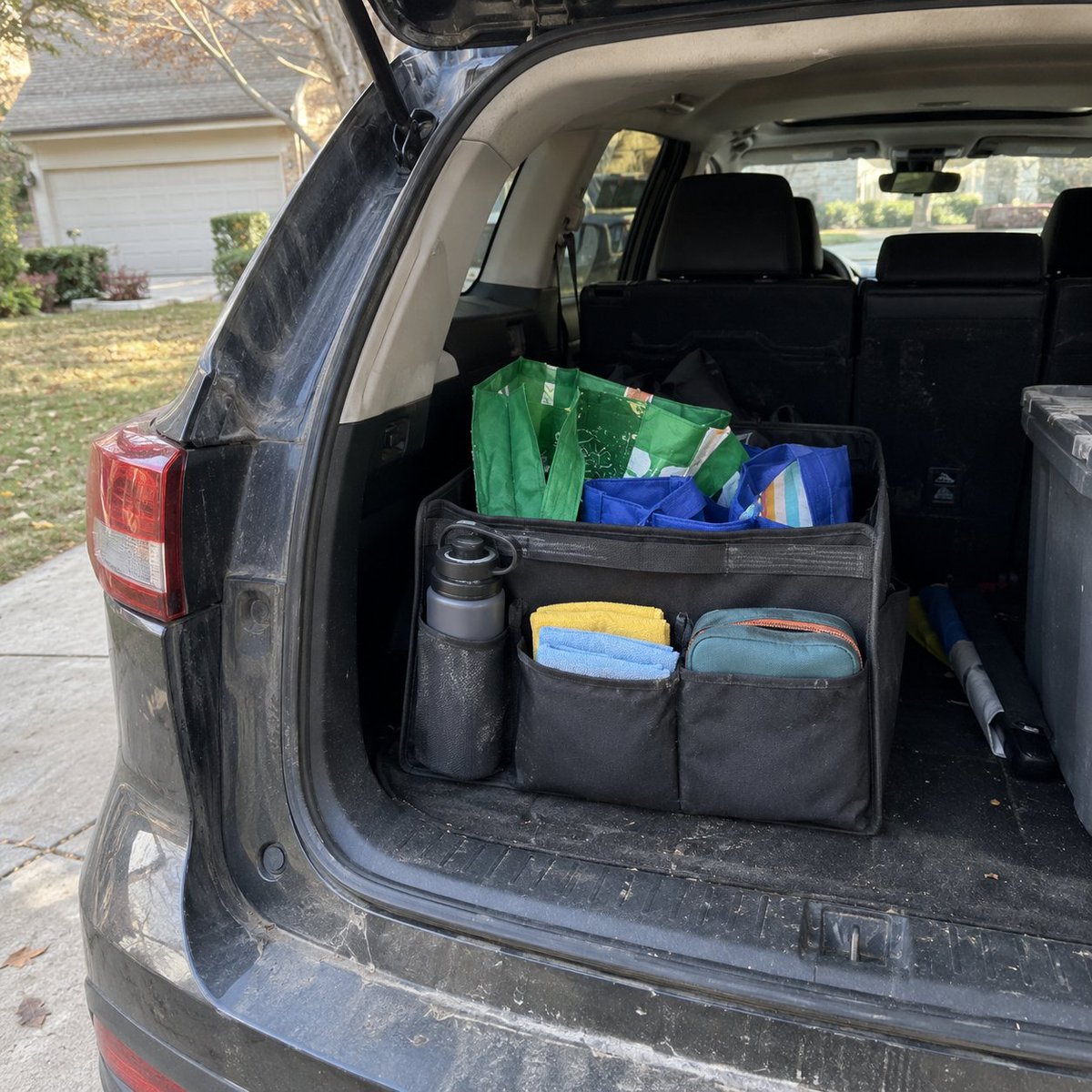
A trunk organizer is less about being tidy and more about knowing where things are. Keep reusable bags, cleaning cloths, a bottle of water, and small travel gear in one zone.
Travel tech is easier when you build around one charging standard. The fewer different cables and adapters you need, the easier it is to pack—and unpack.
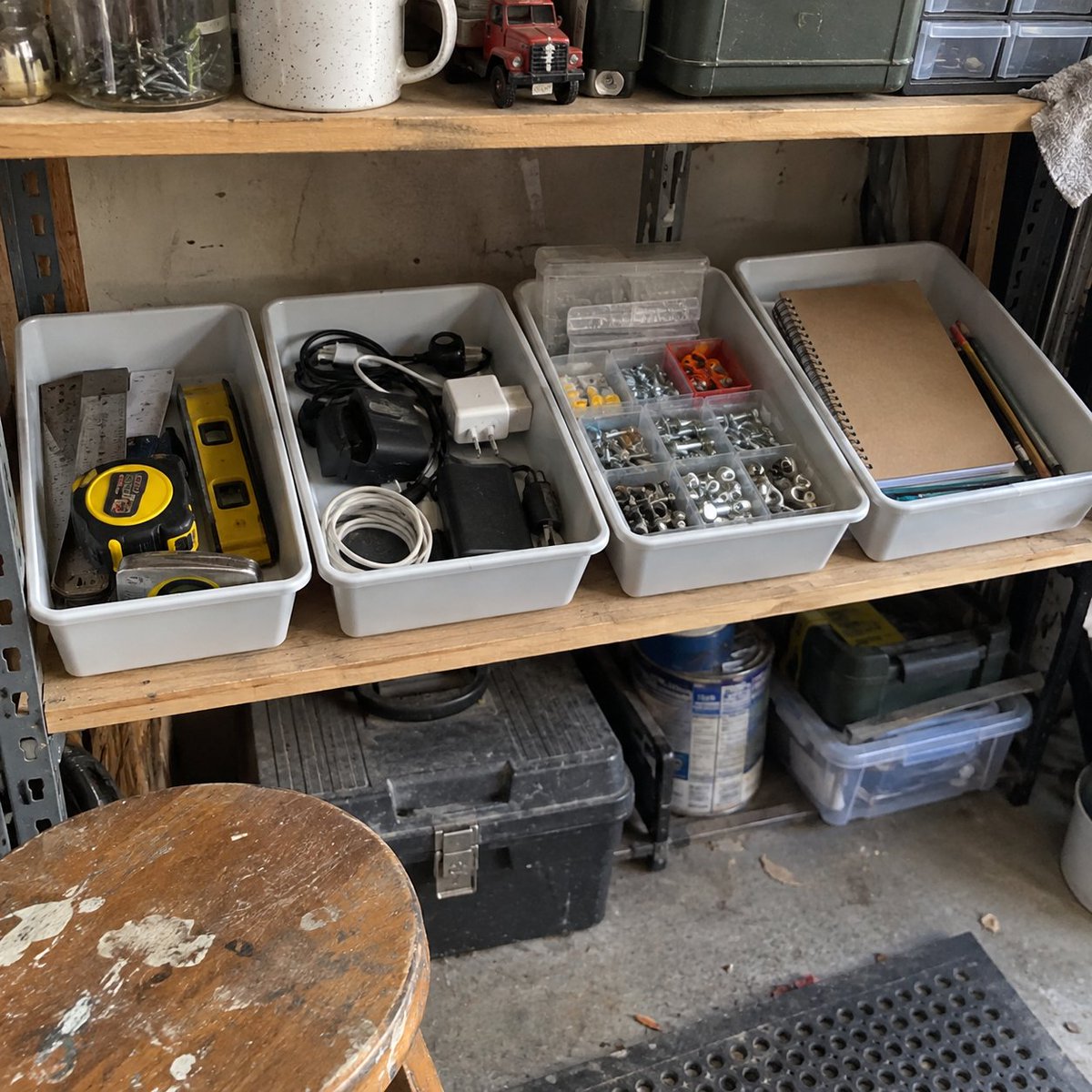
For hobby projects, one small ‘active project’ box beats a whole room of scattered parts. Keep only the tools and materials for what you’re working on right now.
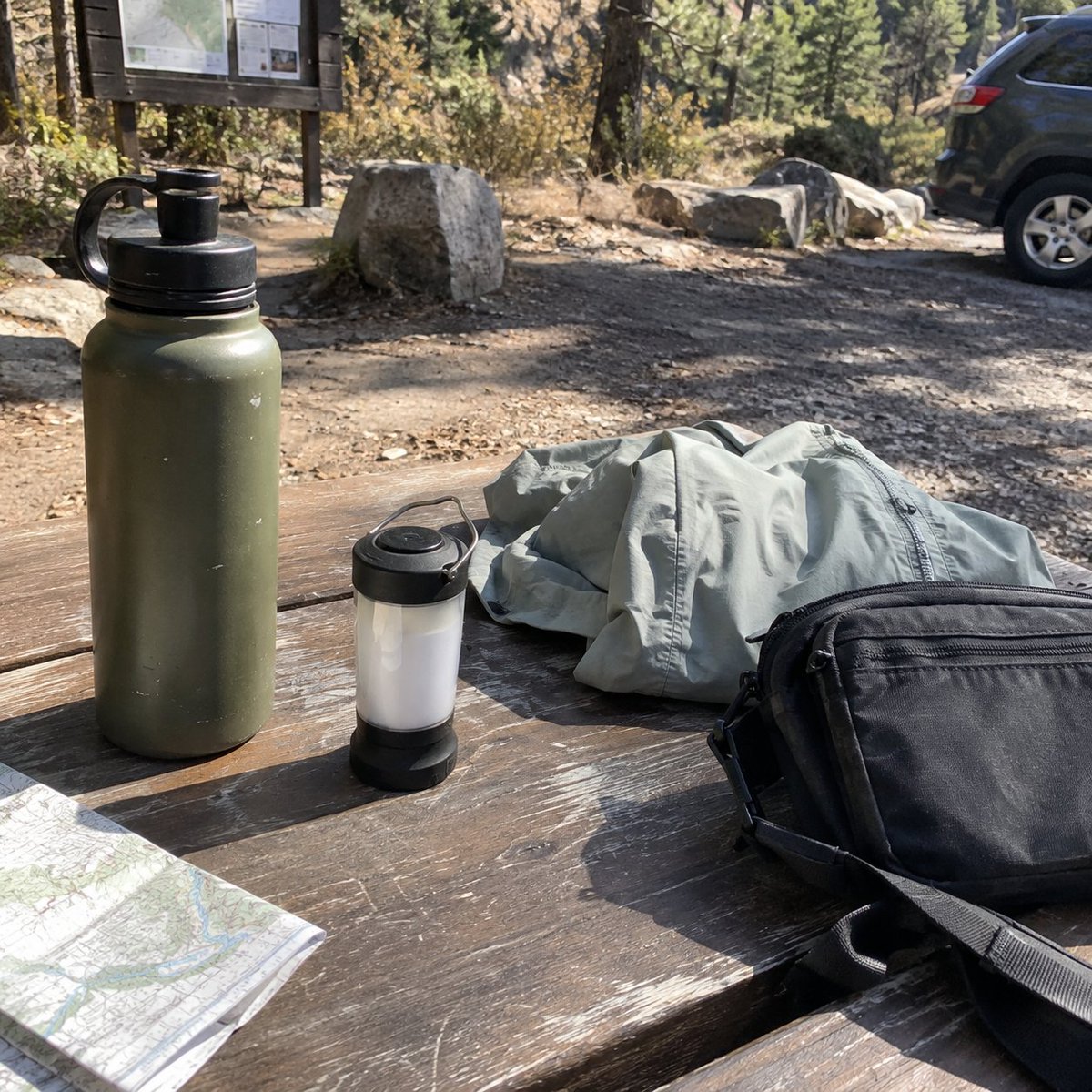
Outdoor gear doesn’t need to be complicated. Water, light, weather layer, basic comfort, and a way to carry it. Start with the trip you’re actually taking.