📢 Abstract deadlines extended!
We’ve extended the abstract submission deadlines for HSR2026, giving you more time to submit your work.
Updated deadlines:
Organized – application deadline: 13 February 2026
Capacity Strengthening – application deadline: 13 February 2026
Individual – application deadline: 13 March 2026
https://t.co/wN6AVNr7qJ
The CHORUS Partners’ Meeting has officially kicked off today in Accra, Ghana 🇬🇭
Bringing partners from Bangladesh, Ghana, Nigeria, and Nepal together to reflect, connect, and strengthen community-led urban health systems across countries.
#CHORUS#UrbanHealth#GlobalHealth
Publication Alert! New research shows major gaps in urban primary care in Dhaka. Preparedness for hypertension is just 46.8% in urban dispensaries and 32.5% in NGO clinics; for diabetes, around 32–35%. Urgent action needed.
#UrbanHealth#NCDs#Bangladesh#PHC
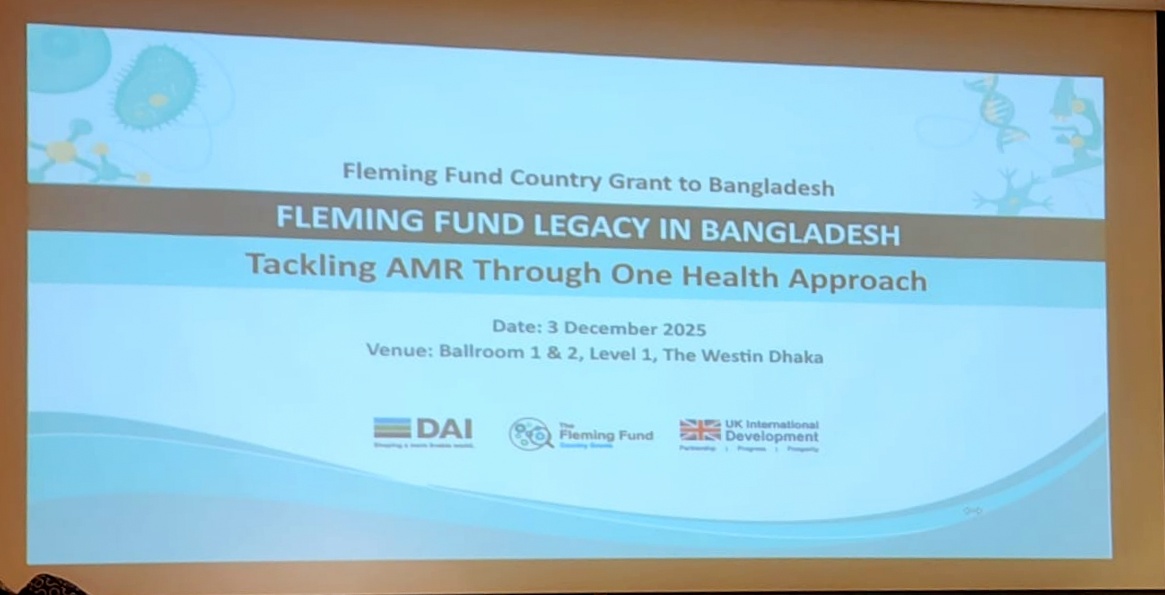
#AntimicrobialResistance (AMR) is a critical global health threat. Today ARK’s work with CDC-DGHS was recognized at the Fleming Fund Legacy in Bangladesh event in Dhaka. We’re proud to contribute to the national fight against AMR through a #OneHealth approach
#PublicHealth
Back from an inspiring #ICUH25! We made some great connections and look forward to maintaining the momentum 🙌
If you missed us at the conference, you can find the outputs we shared here: https://t.co/aYOmccLByu
#urbanhealth#healthsystemstrengthening@gsebag@IS_UrbanHealth
On 13 Nov, Prof. @helenelsey joined our TFC team in Narsingdi, visiting key public sites and meeting the Civil Surgeon & Tobacco Control Task Force to discuss gaps, research insights & steps for stronger smokefree public spaces
#UrbanHealth#arktobaccocontrol#TobaccoFreeCities
We’re live at #ICUH25! come visit the CHORUS Pavilion!
✨ Oral Presentation
📍 RONGOMATANE B
🕧 12:30–12:45
📌 Process evaluation of an NCD intervention in urban Dhaka
✨ Poster Presentation
📍 RONGOMATANE A (all day)
If you’re here, drop by and say hi, we’d love to meet you!
During our #WorldDiabetesDay webinar, Prof. Rumana Huque shares how rapid urbanisation is impacting non-communicable disease care in urban settings.
She emphasises the importance of data linkages and working with communities to develop sustainable and effective interventions.
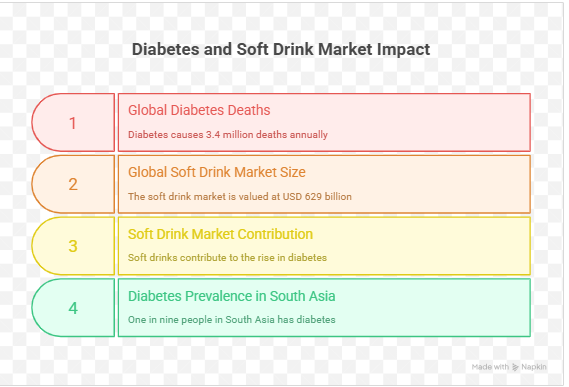
Diabetes kills 3.4M people every year globally (2024). The $629B global softdrink market is contributing to the increase in #diabetes. In South Asia,1 in 9 people has diabetes. Cheap & easily accessible SSBs are driving this crisis
Join SCOPE to combat this epidemic in #SouthAsia
𝐏𝐫𝐨𝐮𝐝 𝐌𝐨𝐦𝐞𝐧𝐭 𝐟𝐨𝐫 𝐔𝐬🎉
We've been featured in the new @WHO's publication on urban health,highlighting our work in Dhaka using the Simple App to improve NCD data & decision-making
Together with @ChorusUrban, we’re proving how local innovation drives global impact
Happy #WorldCitiesDay!
Today @WHO launches its Strategic Approach to #UrbanHealth: A guide for decision makers: https://t.co/mDrMPDS3hB
It features a CHORUS case study on strategic action to strengthen health systems for improved NCD care in🇳🇵🇧🇩 @HERDIntl@arkfoundation1
This Thursday!
For #UrbanOctober & #WorldCitiesDay, we are hosting a panel event with policymakers on strengthening #urbanhealth systems through provider partnerships and collaborations.
Register Here: https://t.co/COtCOxbgq9
@FCDOResearch@IS_UrbanHealth @UrbanHealthYork
As part of the @School_Pharmacy-led “Minitablets Acceptance in Children (MAC)” study, ARK Foundation surveyed schoolchildren to explore their experiences with medicines. Minitablets (small sized tablets) are emerging as a promising option for kids.
#ChildHealth
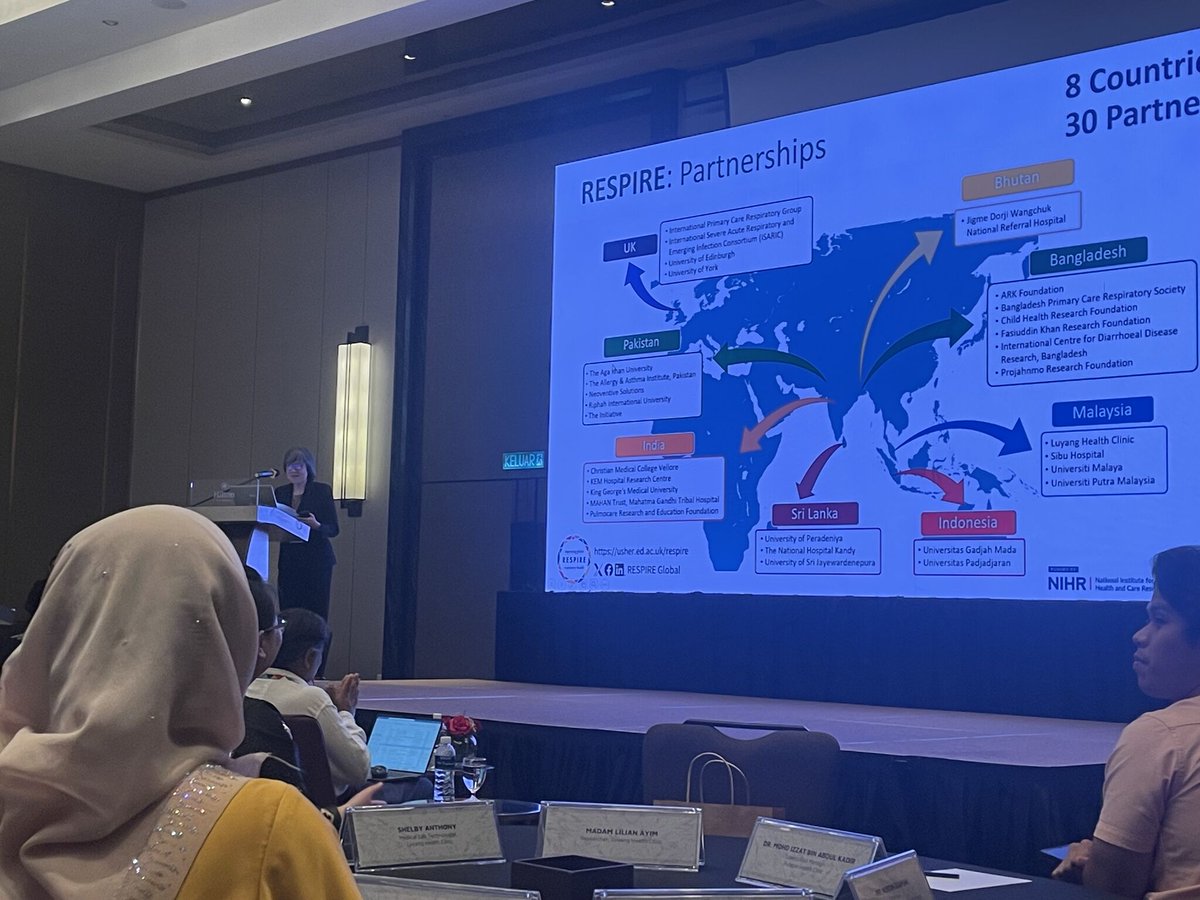
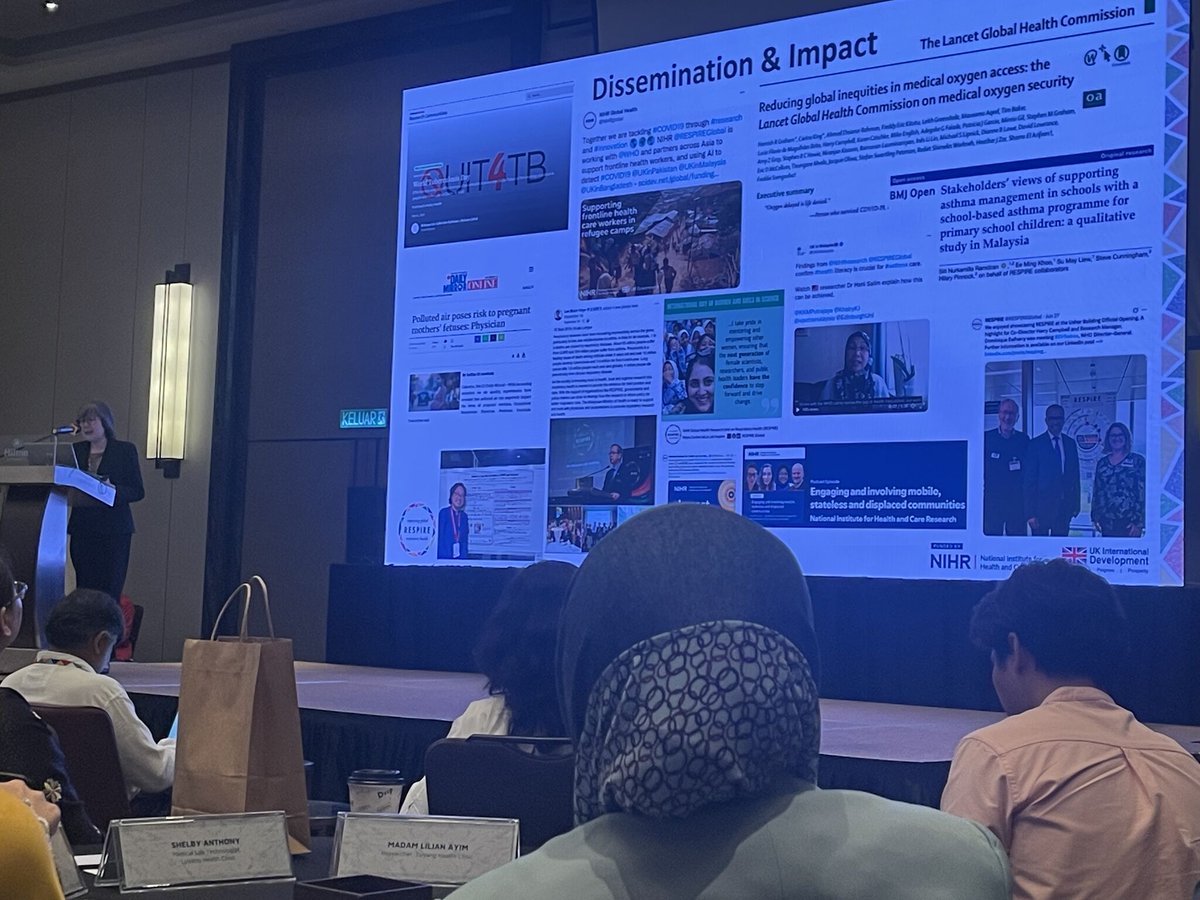
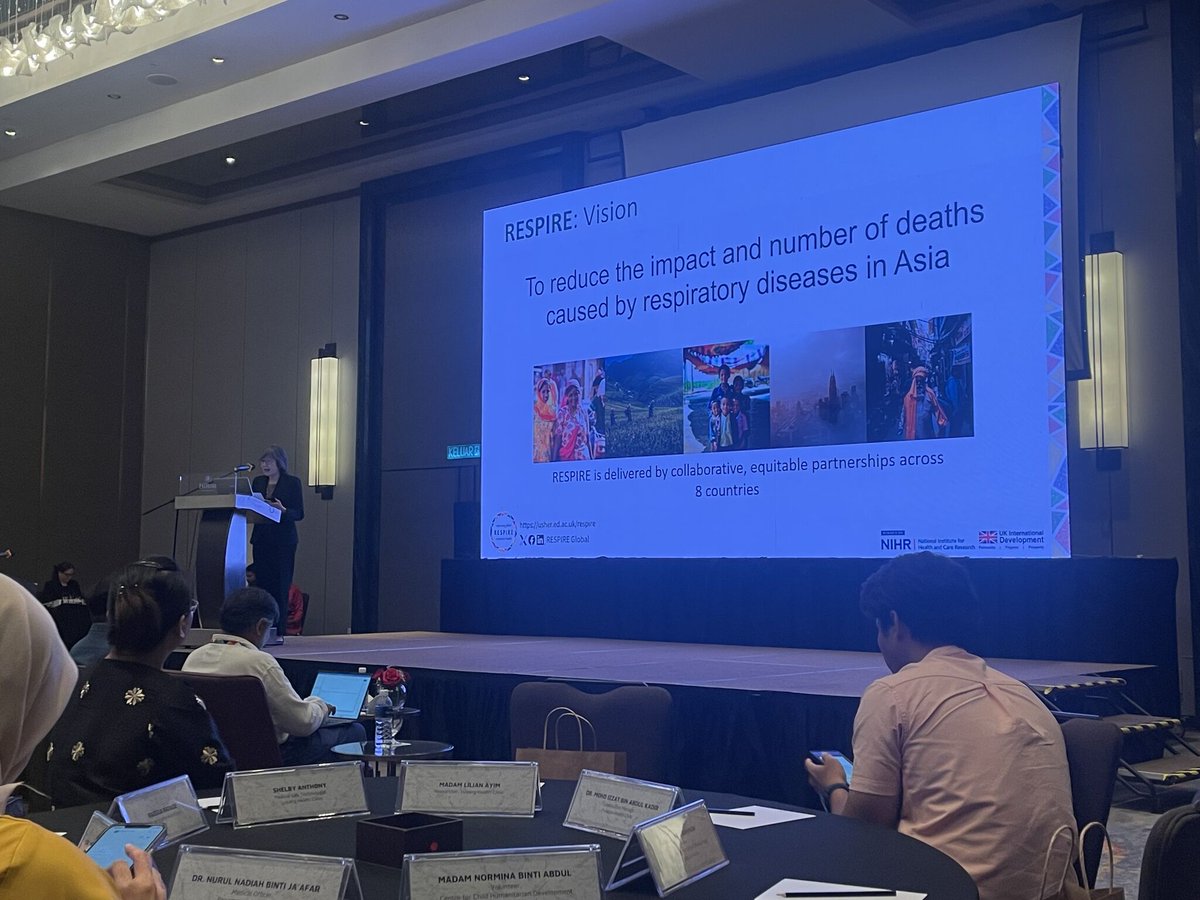
The @RESPIREGlobal Annual Scientific Meeting is underway in Kota Kinabalu, Malaysia!
Led by @RumanaHuque, ARK Foundation researchers are proud to join global partners from Asia and the UK in advancing low-cost, scalable solutions for respiratory health.
#RESPIREASM#GlobalHealth
The @WHO, UNDP and @un_ncd mental health investment case shows that by acting now #Bangladesh can reduce the burden of mental health condions. The findings of the investment case demonstrate that invesng in evidence-based, cost-effece #mentalhealth intervenons would, by 2031, have both health and economic benefits.
Mental, neurological and substance use condions pose a significant challenge in Bangladesh🇧🇩, and the prevalence of #depression, anxiety, psychosis, bipolar disorder, epilepsy and alcohol use disorders as major causes of morbidity and mortality is increasing.
This presents a double challenge to Bangladesh: human suffering and a growing public #health burden, with significant social and economic losses, including lost workforce producvity due to premature death, missed days of work (absenteeism) and impaired job performance (presenteeism).
Mental health condions are highly prevalent in Bangladesh throughout the life-course, with the highest rates in people aged ≥ 60 years. The burden of mental health condions is seen in a complex context of social and environmental determinants, including urbanizaon, natural disasters and poverty. While Bangladesh has a dedicated mental health instute and two large specialized hospitals, these serve populaons in or close to the capital, Dhaka; no community follow-up services are available. The aim is to integrate mental health services into primary health care, with decentralizaon, equity and innovave programming. Mental health is currently grossly underfunded, and most Government funding is for inpaent care.
The cost of mental health condions to the Bangladesh economy in 2021 was 210.5 billion BDT (US$ 2.5 billion), equivalent to 0.76% of the 2020 GDP. Less than 1% of the annual costs were for mental health care, and the remaining 99% of costs were due to lost workforce producvity from premature death and disability. This large loss in producvity indicates that current investment in mental health care does not meet the needs of the populaon. Furthermore, the losses suggest that many sectors could benefit from investment in mental health and that mulsectoral, whole-of-society engagement is necessary.
By invesng in mental health now, Bangladesh can save almost 27 000 lives and gain almost 2 million healthy life years in the next 10 years by reducing the incidence, duraon or severity of leading mental health condions. This will drascally reduce the burden on communies and the economy.
By investing in mental health now, Bangladesh can see economic benefits of 190 billion BDT in the next 10 years, which rise to 587 billion BDT when the social value of health is included in the calculaon. The producvity gains that Bangladesh can make from invesng in mental health intervenons greatly exceed the cost of all intervenon packages (55 billion BDT).
https://t.co/lrxeaEivwo
We’re delighted to share that ARK Foundation was recently invited to the Residence of the British High Commissioner on June 25! A great opportunity to showcase our UK-funded work & engage with brilliant minds in #PublicHealth.
@UKinBangladesh@JamesGoldmanUK#KnowledgeExchange
On July 3, REBUILD & @ChorusUrban teams held a joint workshop to share experiences on addressing #gender, #equity & #justice across all research stages.Insights from researchers, uptake & capacity teams will shape a joint guideline. Thank you all!
#GenderEquity#GlobalHealth