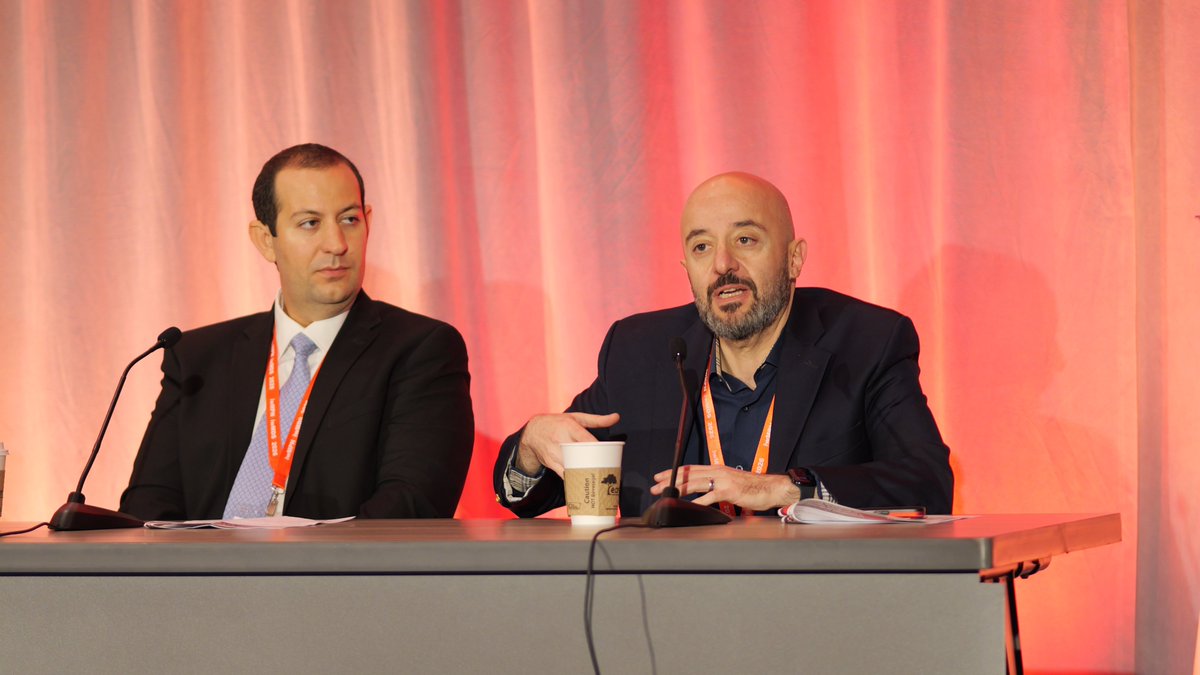
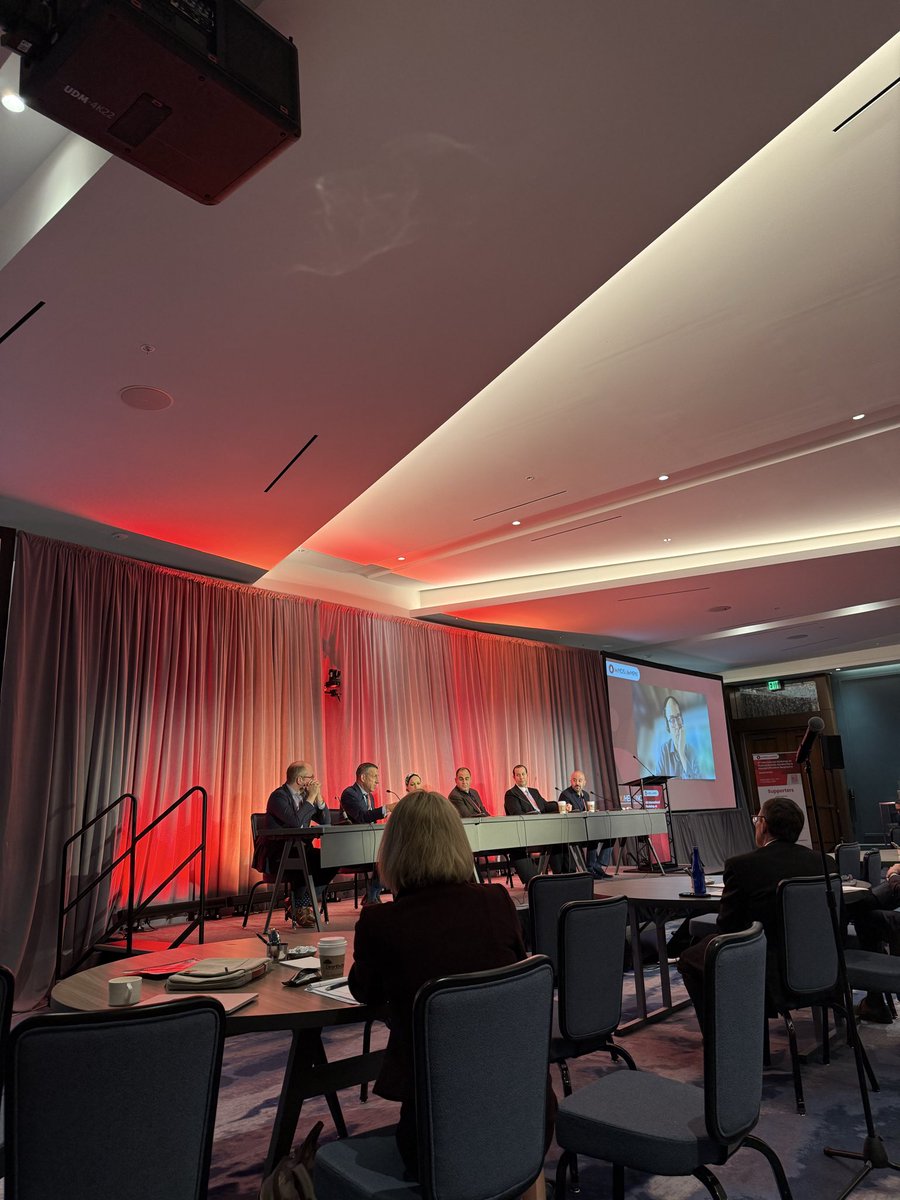
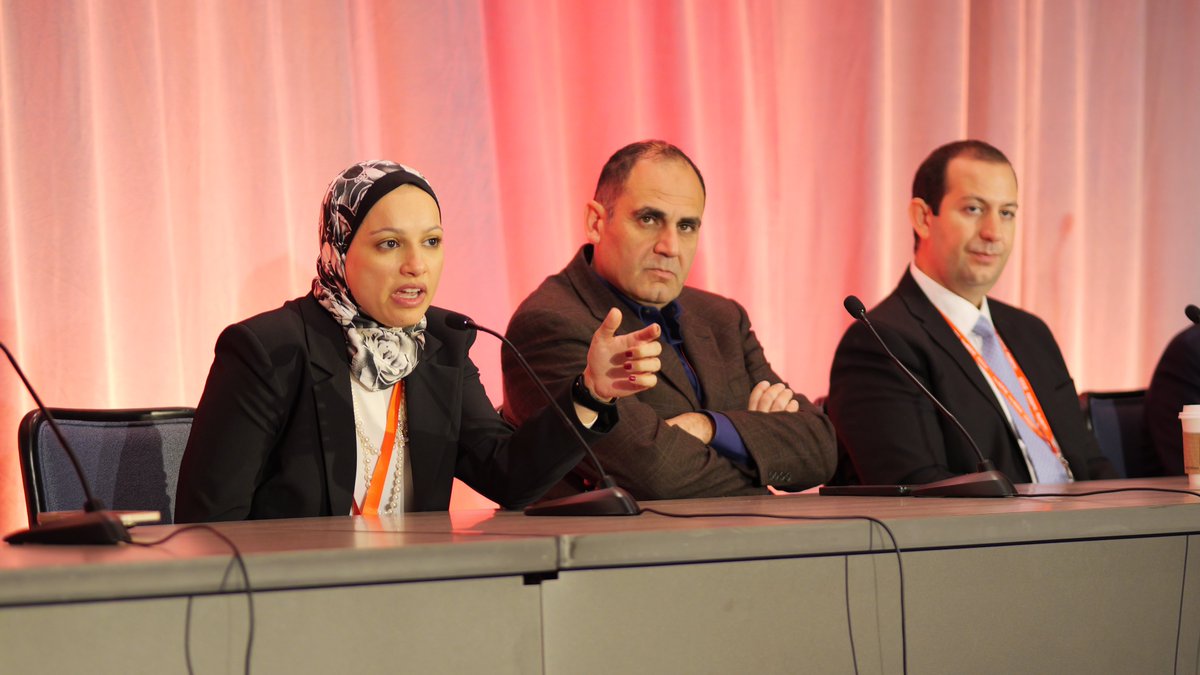
1️⃣week. 1️⃣ global #diabetes community. 16,000+ delegates! Thank you all for being part of #EASD2026! 🙏
👇Take one final look at our highlights & look ahead…
🔔 Save the date for #EASD2027 in Budapest! 🇭🇺
📅 20 - 24 Sept 2027 |📍 @HungexpoB
Watch now: https://t.co/6a92uI2nV7
Radisic lab will be at the @AdditionalVent Single Ventricle Investigator Meeting #SVIM2026 next week. @CanerDikyol Sargol and Richard will present our newest work on bioengineered models of human left ventricle.
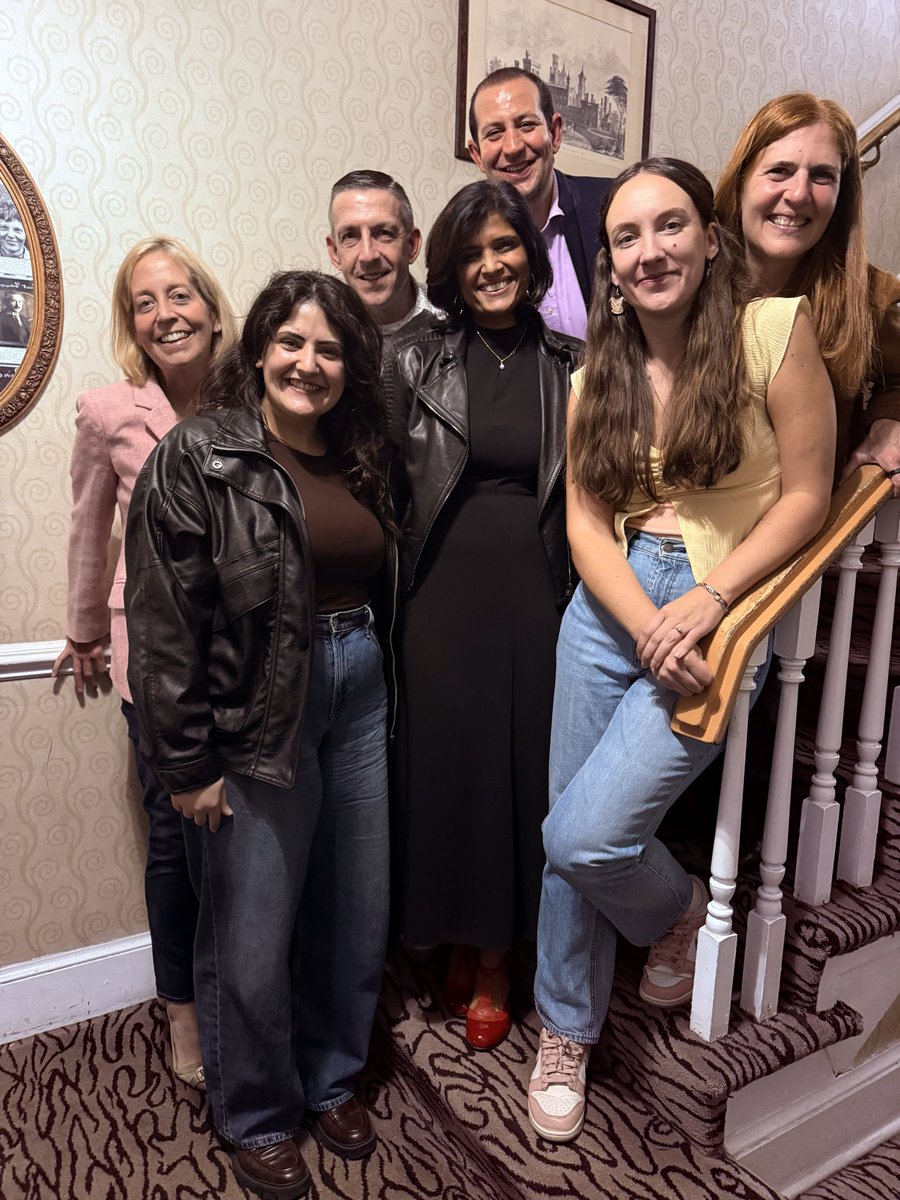
#iwMDSMPN26 Great session on HR-MDS & potential for therapeutic progress. Along with great learning, we had some much needed laughs together watching the talented @katieboylecomic in beautiful Washington DC. Hopefully more progress for patients in the near future!
Aizhou Wang from the Toronto General Hospital Research Institute shares the future of lung preservation solutions during the lung preservation #MechSummit2026 concurrent session.
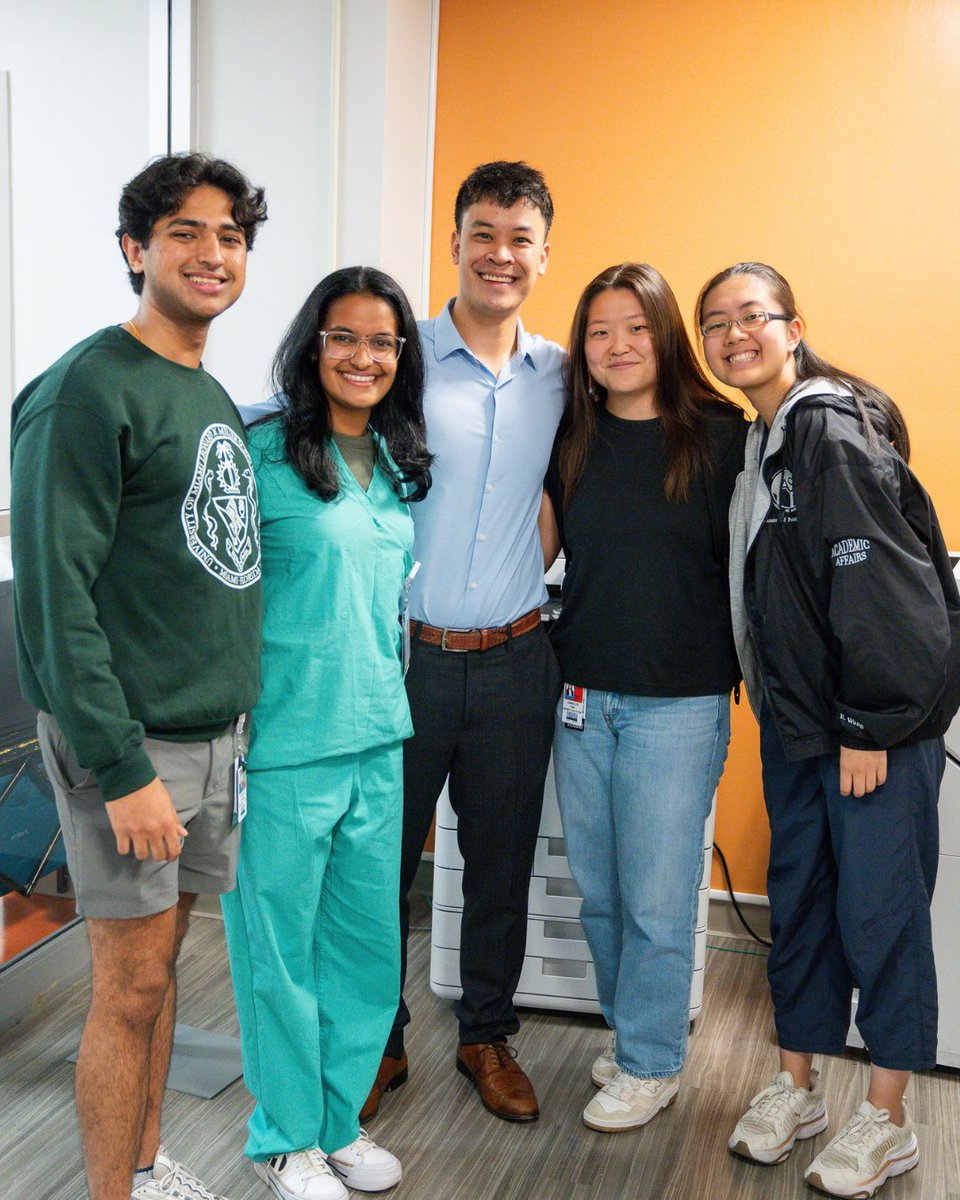
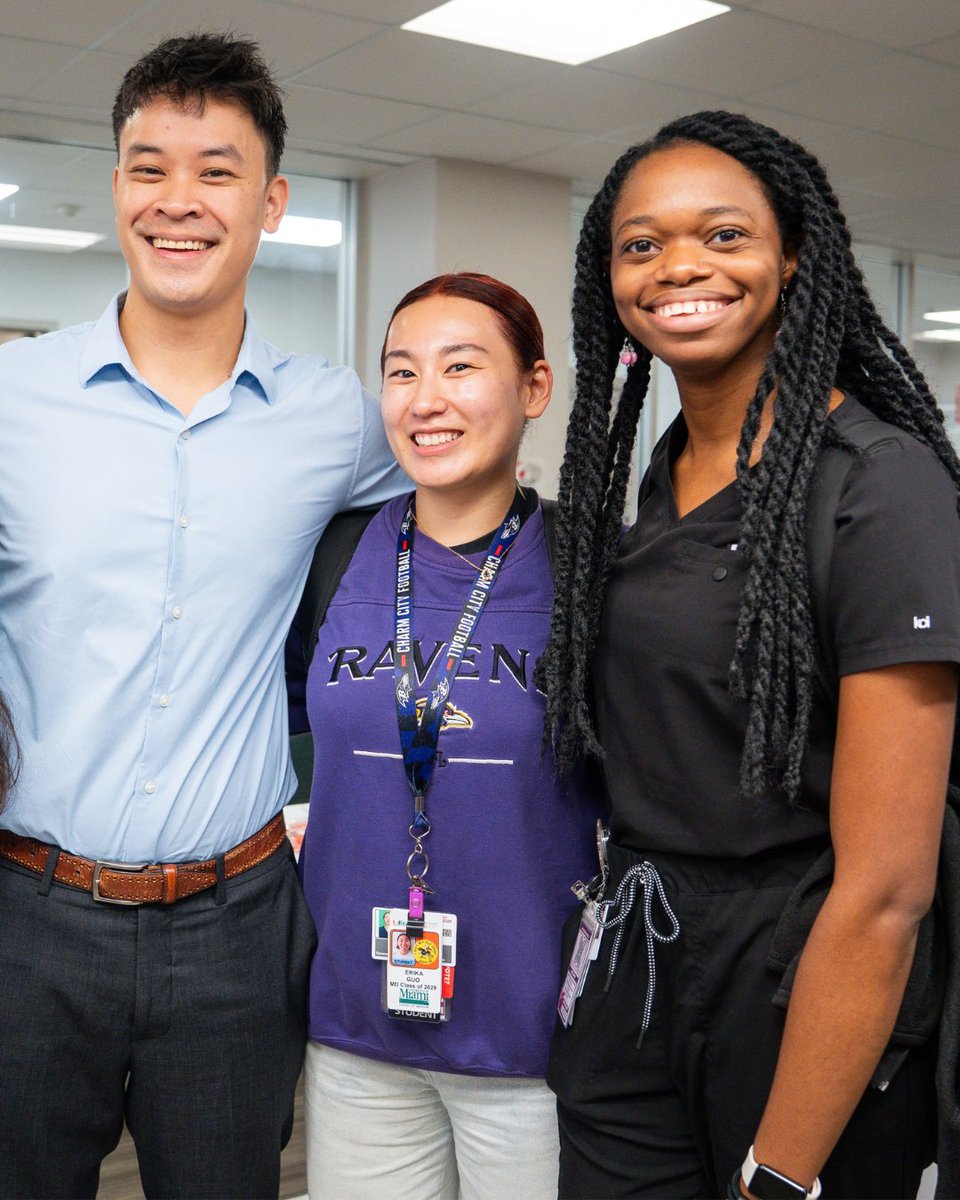
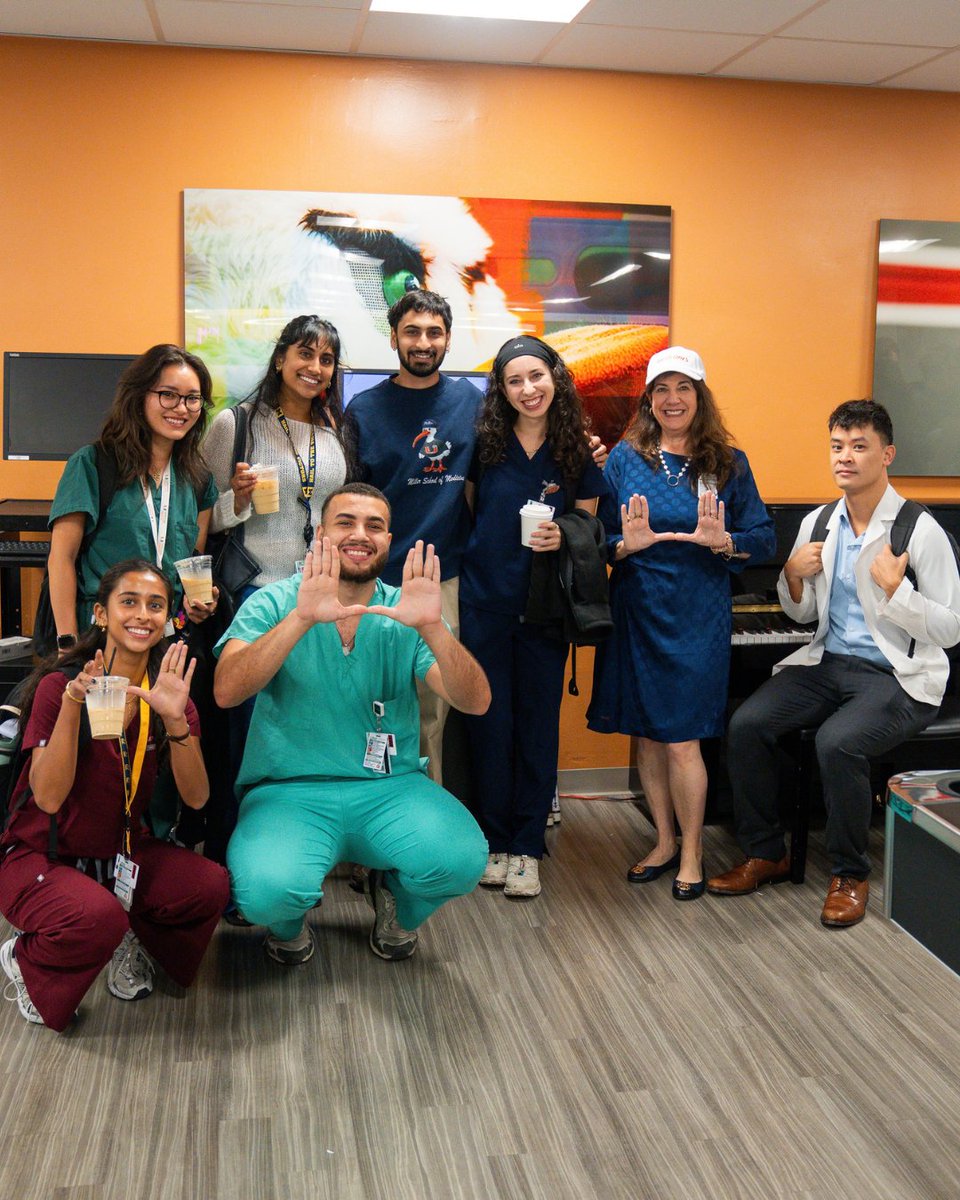
Most of our #MedCanes are officially into rotations, but not without a little caffeine first. ☕️🩺
Last week, we brought the coffee cart to the student lounge for one more chance to catch up and fuel up before students headed into this next part of their medical school journey. We also had a special guest, Dr. Paul Tran, join us for the morning, spending time with our #MedCanes and helping us send them into rotations on a high note. 🙌
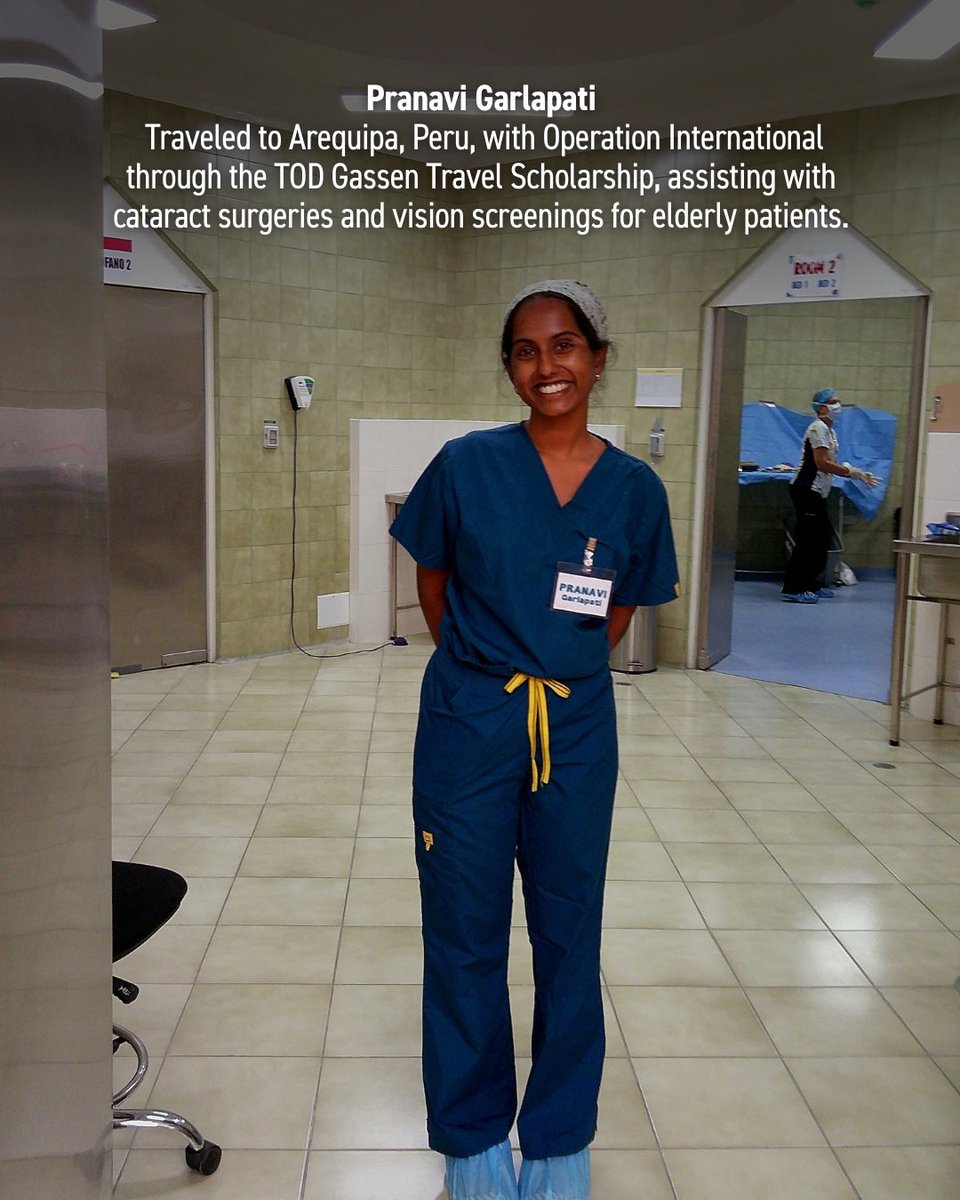
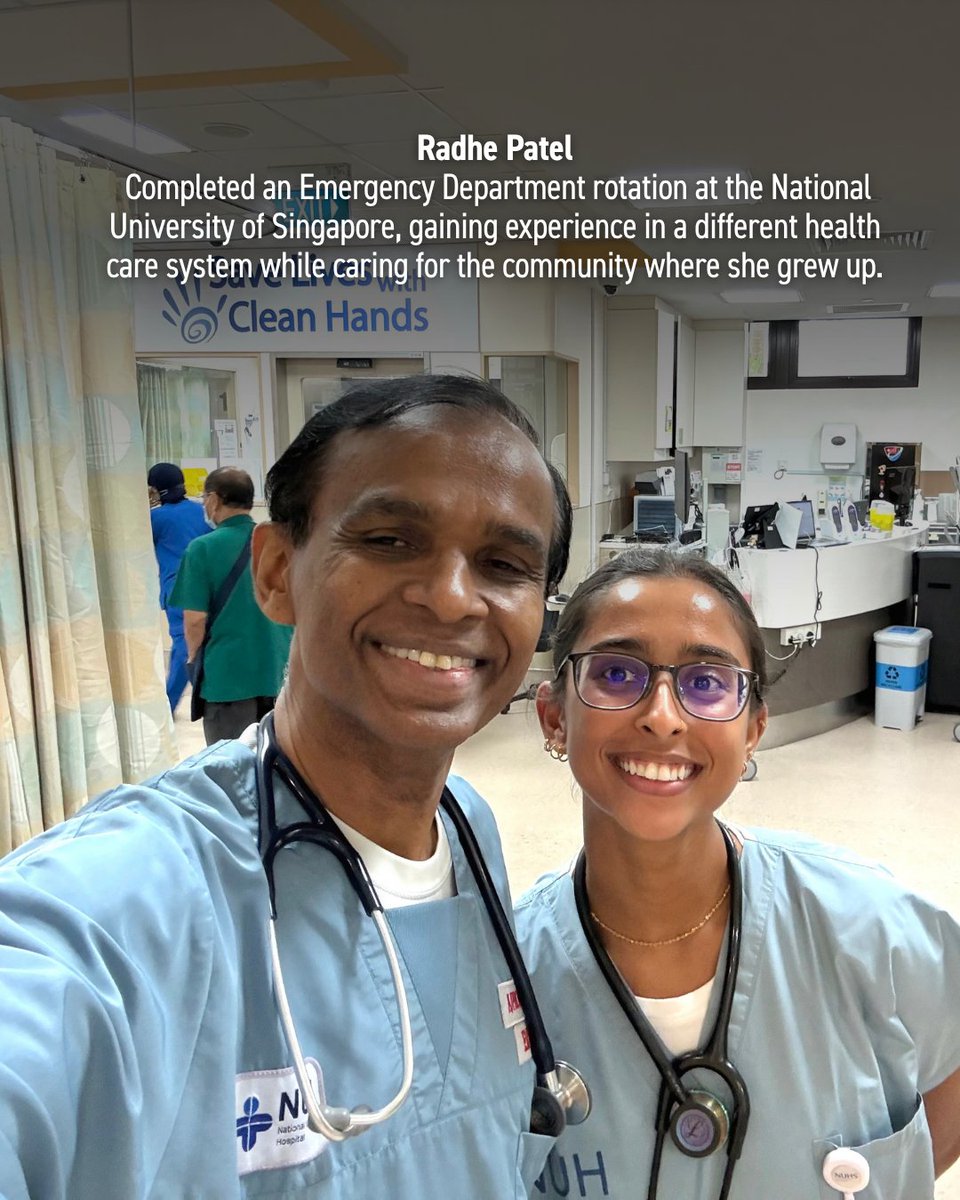
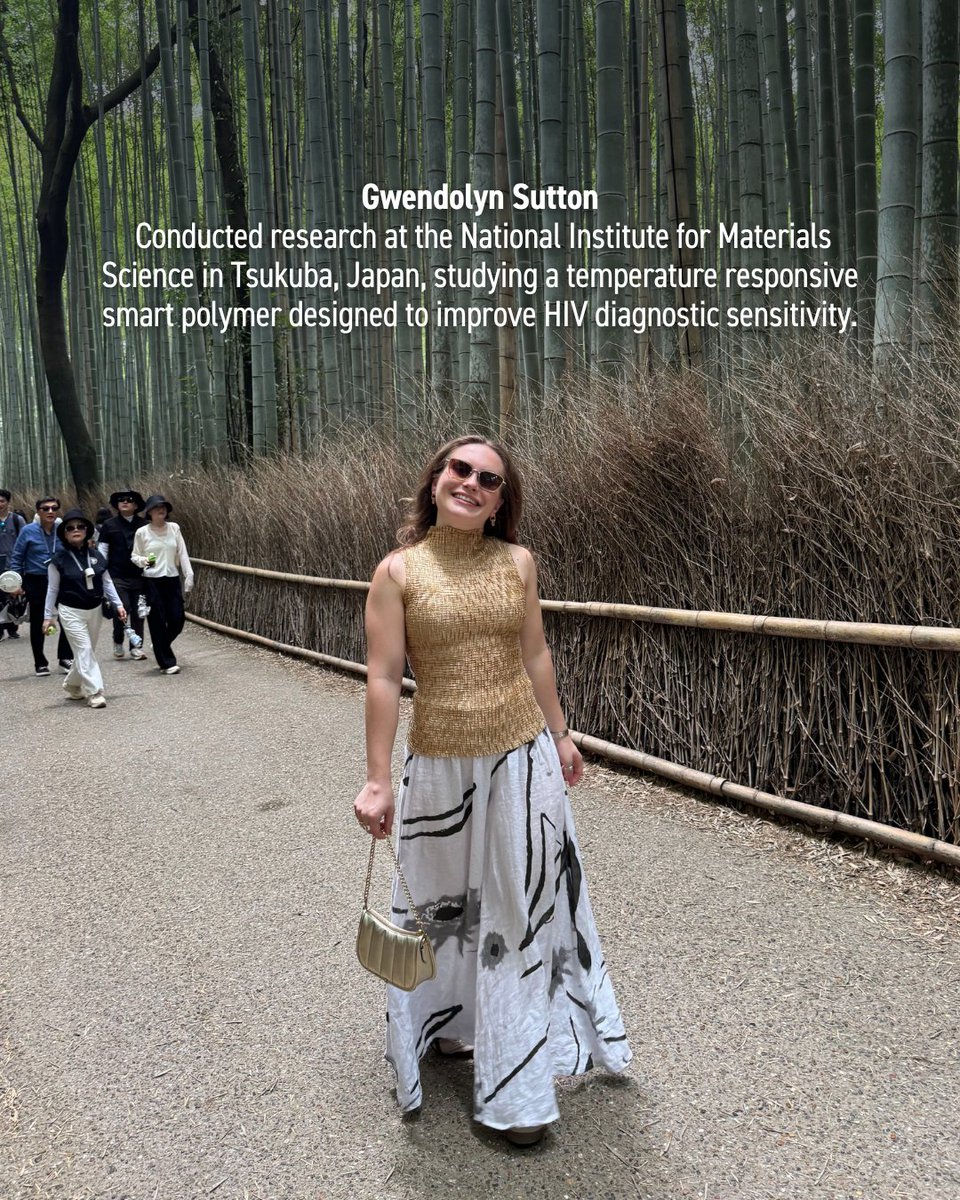
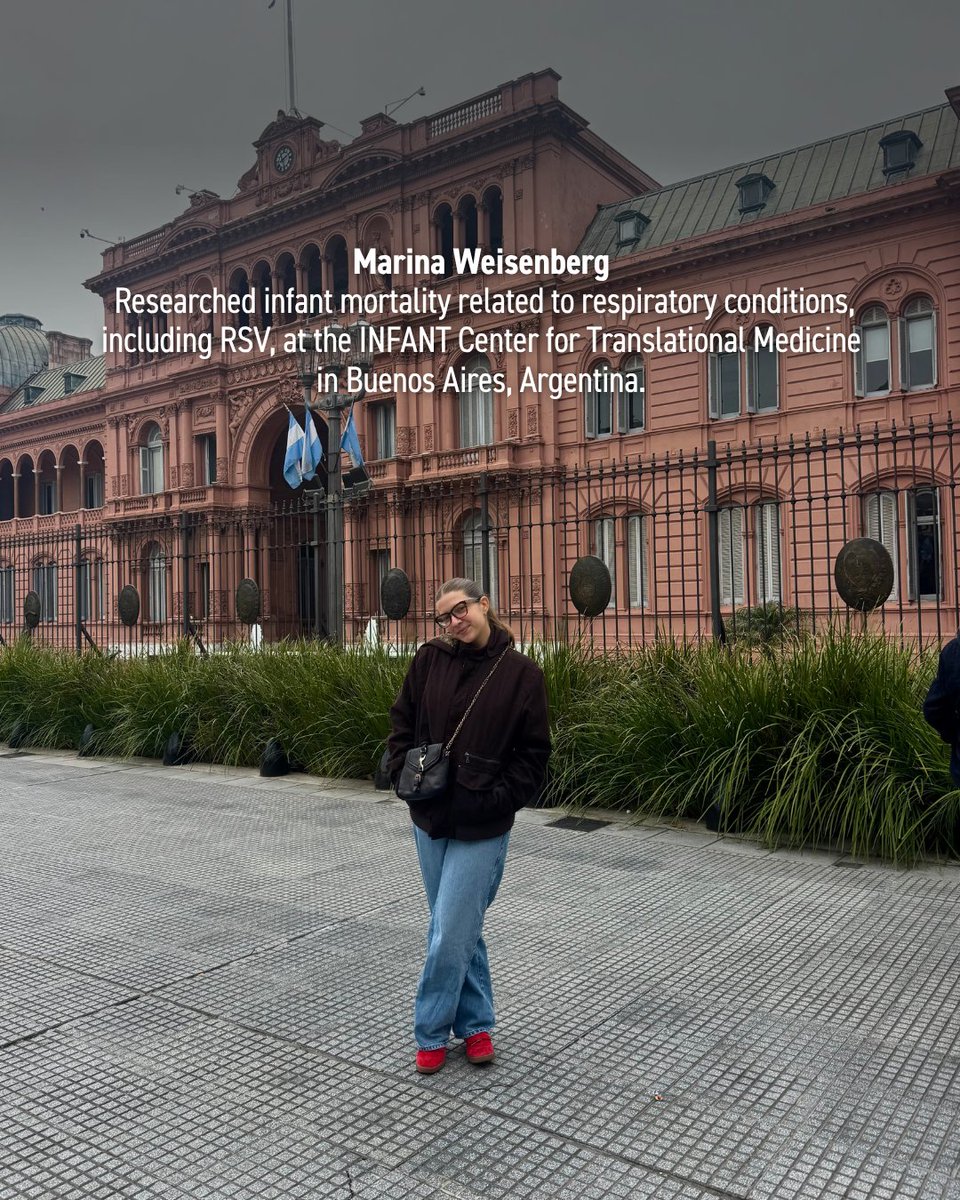
This summer, our #MedCanes took their medical education beyond Miami. 🌎🩺
Across Argentina, Japan, Singapore and Peru, they took part in research, clinical rotations and global health experiences, with work spanning RSV, HIV diagnostics, emergency medicine, cataract surgeries and vision screenings.
Swipe to see where they spent their summers and what they worked on along the way. 🙌
I still can’t get over this.
They’re trying to train the doctor replacements via a single poster now.
…and it’s hilarious that the acronym is exactly what the people implementing this should be doing.
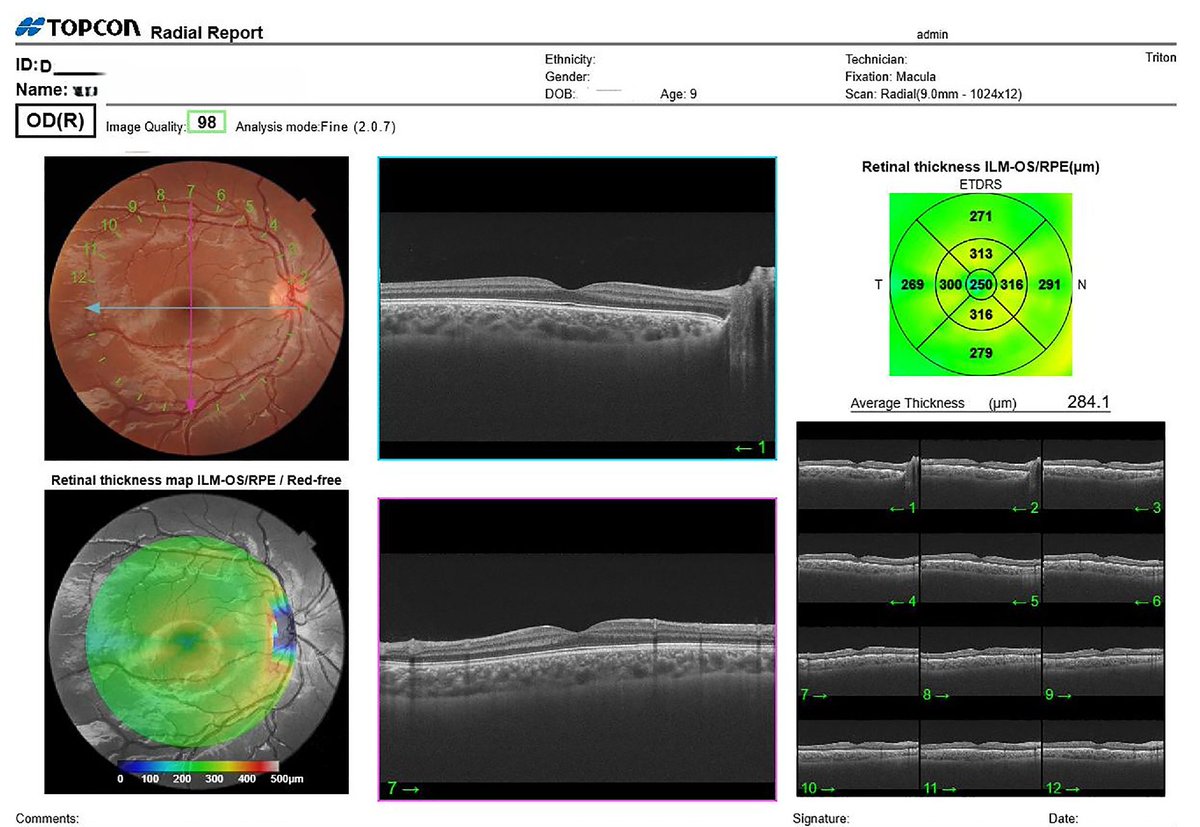
SER Influences Ocular Structural Measurements in Children
Those with higher myopia presented significant variations in macular RNFL and GCL, as well as generalized choroidal thinning.
https://t.co/PLMPRxZgq0
#optometry#optometrist#eyecare#myopia#pediatriccare#retina
The next leap in prosthetics isn’t a better hand. It’s better control.
In Sept. 2026, Utah began a home trial of a thought-controlled LUKE Arm with direct nerve control and touch [1]. In 2025, shared human-AI control improved grip security and precision while cutting cognitive burden [2]. 🦾
New muscle-signal systems now enable real-time, multi-DoF control with less calibration [3]. The edge is shifting to AI, sensing and neural interfaces. ⚙️
The priority: clinical validation, interoperability and access not demos.
🤔 Where should control sit: with the user, the AI, or a shared system?
[1] https://t.co/yK8zviax4W
[2] https://t.co/PFXypd8Ldm
[3] https://t.co/WN7tpf87zC
#Neuroprosthetics #Bionics #MedTech #AI
ICYMI:
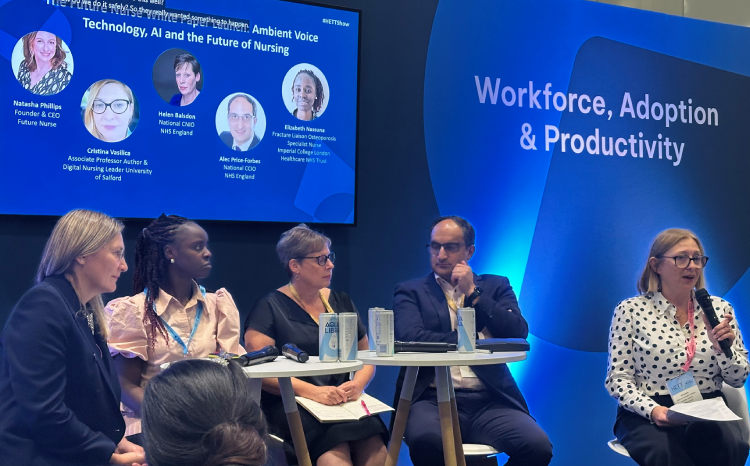
Nursing leaders have warned that the NHS risks missing the full benefits of ambient voice technology (AVT) by treating it as a documentation tool rather than using it to redesign nursing care around patients.
https://t.co/loHhP7t6he
A confident answer isn't the same as a correct one. Matthew Kurian, MD, discusses automation bias, the tendency to accept AI output at face value, and why trainees and clinicians should verify before they trust, especially when new data may not be published yet.
🎙️Listen to the latest episode of #BreastCancerBriefing: https://t.co/GBhY2JG3I4
ADHD doesn’t look the same in every child – and symptoms are often vastly different between boys and girls. In this podcast, pediatric developmental behavior specialist Dr. Carrie Cuffman breaks down the wide range of signs that may point to ADHD.
https://t.co/j8PEHPWcWM
everyone is funding ai that designs drugs. almost nobody is funding the thing that tells you which ones work.
designing was never where the money was lost. 9 in 10 drugs fail in human trials, after 15 years and $2.5 billion each.
ai labs now have hundreds of candidates. testing them on animals takes years, and the fda is phasing out the requirement to do it at all.
meanwhile drugs making around $300 billion a year lose their patents by 2030. pharma needs replacements, and the clock on every new patent starts before the first trial.
so the most valuable thing in drug development right now is a fast, human answer to one question. does this drug hurt the cell or not.
we get that answer in 3 months on living human cells. in monkeys it takes up to 3 years.
more in the podcast below.