Modernist infrastructure in rural environments, especially the 20th century. We support a low/no carbon powered future.
Migrating to IG: rural_modernism
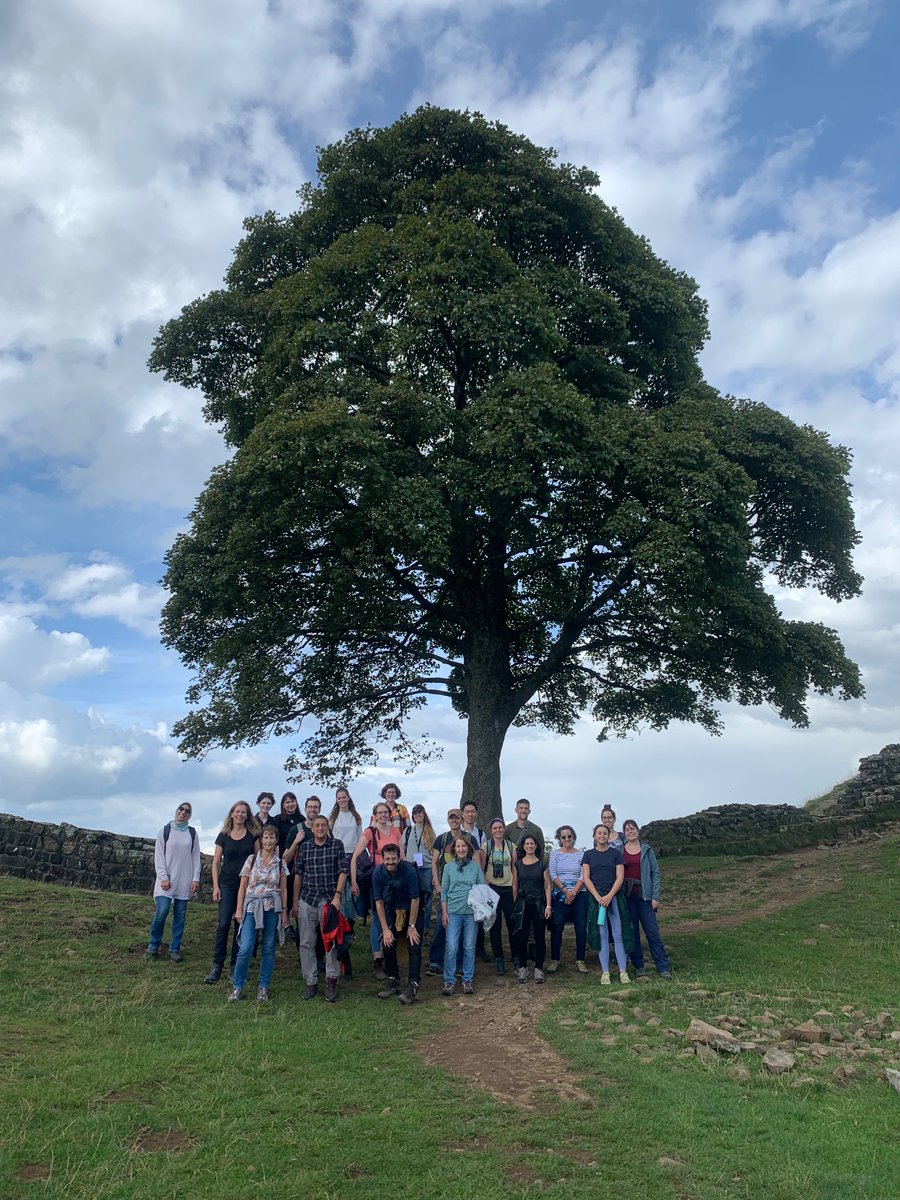
The lovely bunch of environmental humanists I took to the Sycamore Gap as part of the @asleuki (@ASLE_US) 2022 conference @NorthumbriaUni.
Now a crime scene.
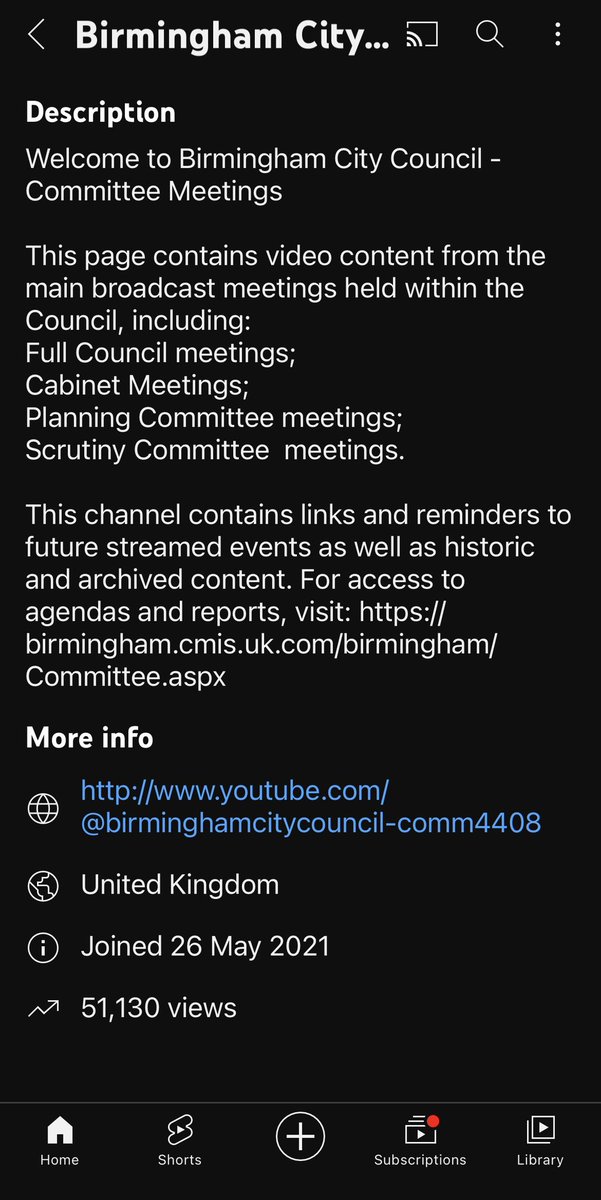
For those unable to attend the Smallbrook planning committee tomorrow Thursday 28th September 11am, here’s the link to livestream via YouTube >>> https://t.co/zrICi9Zbqa
"Do that again" says man with camera, ensuring I am caught in the act of breaching copyright. Hydro Board aesthetics. @RuralModernism fits well in the glens.
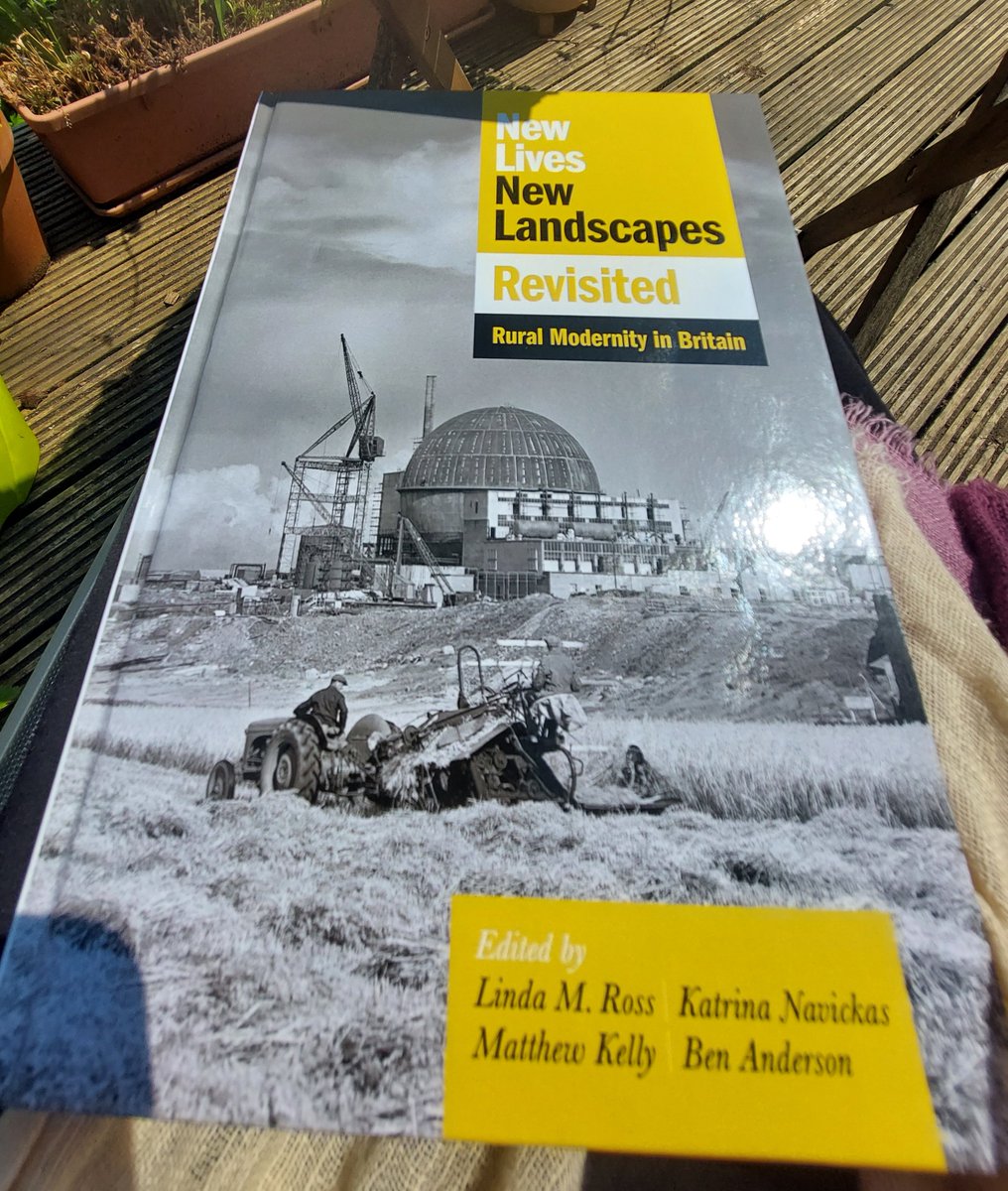
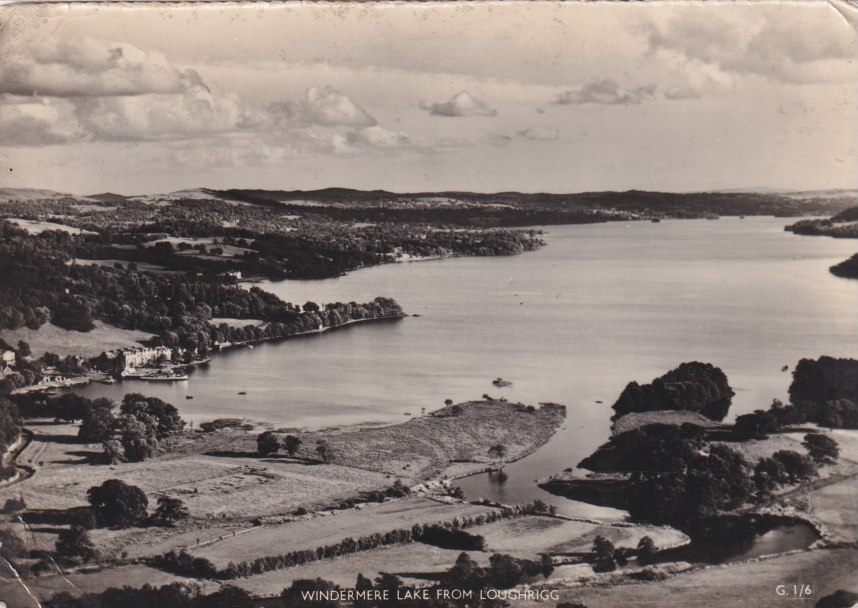
Yesterday we went by train to Windermere & from there by bus to Calder Hall Atomic Power Station, which was most interesting. There was a terrific thunderstorm during the night, but it has remained fine so far today. I'm going to have a rest now, as we have a Dinner Dance tonight
Fascinating short film about the Lower Swansea Valley Project & restoration of derelict industrial land. The 1963 footage of this wrecked landscape of extraction nicely illustrates the complicated temporalities of de-industrialisation.
@RuralModernism
https://t.co/nBfa70iDIS
Listening to @BBCr4today prompts me to post these CEGB adverts from the 1960s (incl. in the book I’m currently writing). Current debates about the siting of pylons strongly resonate with those erupting in the 1950s/60s with the expansion of the national grid and super grid.
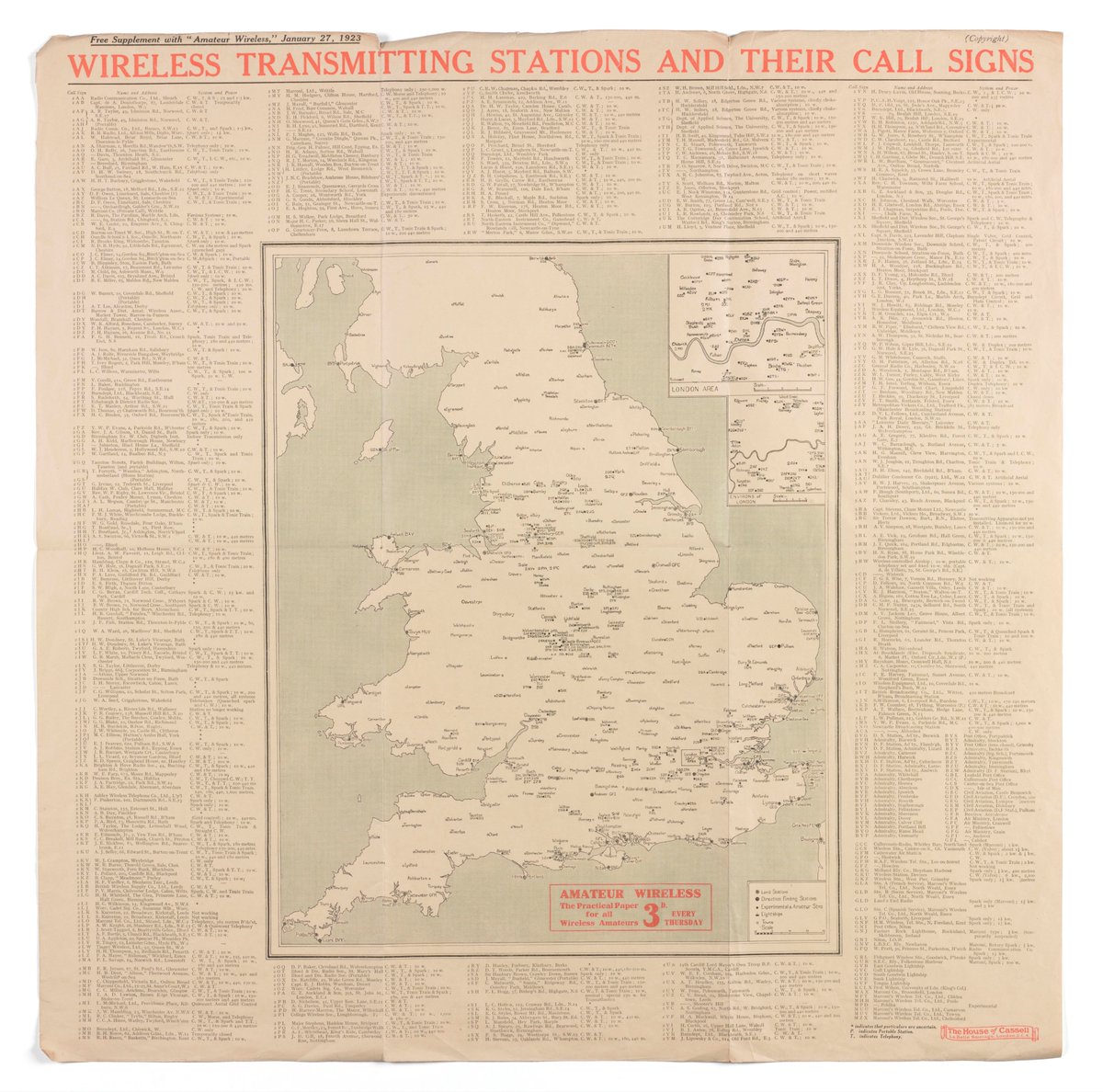
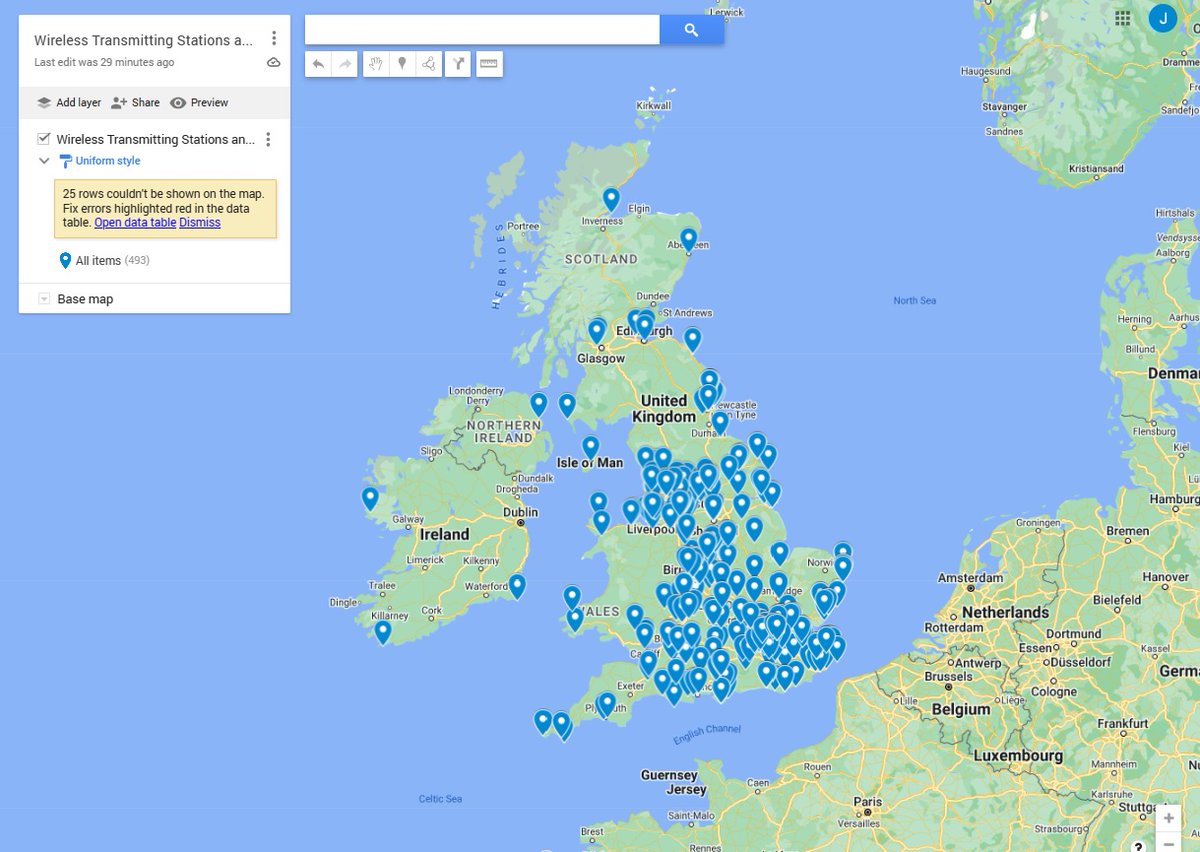
It replicates a map that was a supplement to Amateur Wireless magazine in January 1923, and is partly a test of techniques to gather such information and use mapping tools.
The image was used in my #congruenceengine SMGJ paper on communications history https://t.co/qjI8YMgxZG
I've made an interactive map of wireless (radio) transmitting stations, 1923. If you click on a pin it calls up the call sign and other information. https://t.co/2C24oLCiZb
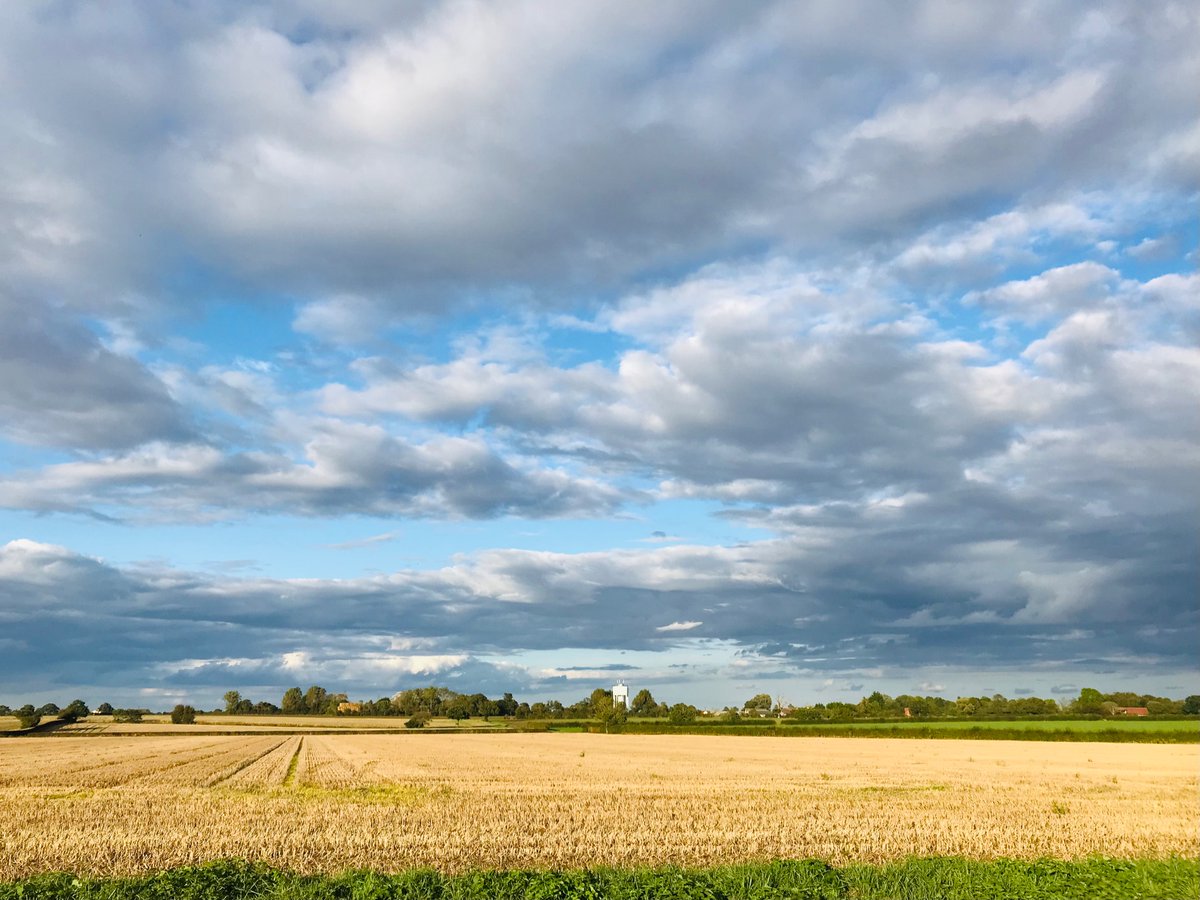
One of the big stories of economic and environmental change in Britain since 1950 has been the massive decline of energy production in cities. Urban areas have ceased to be areas of energy production, instead becoming large consumers of energy imported from rural areas.