तुम उतने ही क़रीब हो मेरे
जितने ���ूरज के क़रीब होते हैं पौधे
पौधे मापते नहीं सूर्य की दूरी
दूरी को दूर होने का
बनाते नहीं कारण
करते नहीं शिकायत
महसूसते हैं शिद्दत से
सूरज का ताप
किरणों पर होकर सवार
आने वाली प्रेम की ऊष्मा को
संचित कर पत्तों की ��ंजुरी में
देते हैं प्राणों को पोषण
संबंधों को बल
जीवन और प्रकाश की
अन्योन्याश्रितता का प्रमाण
निभाते हैं प्रण
सूरज जानता है
प्रेमास्पद के जीवन की डोर से
ख़ुद को बँधा मानता है
तभी तो वह रहता है हरदम बेताब
रात के गहन अंधकार को चीर
बादलों के दल-बल को ठेल
पौधों के ऊपर बरसाने को नेह
पौधों ने सूरज से कभी नहीं कहा
हमारे प्राणधन हो तुम
तुम हो, तभी हम हैं
दिखाने और जताने से
परे है प्रेम
सूरज इस ��्रतीति को पहचानता है
पौधे जिएँ, खिलें, फलें इसके वास्ते
आसमान में पंचधूनी तापता है
प्रेम का उत्सर्ग
धरती पर
प्राण बन खिलखिलाता है।
लोकनाथ
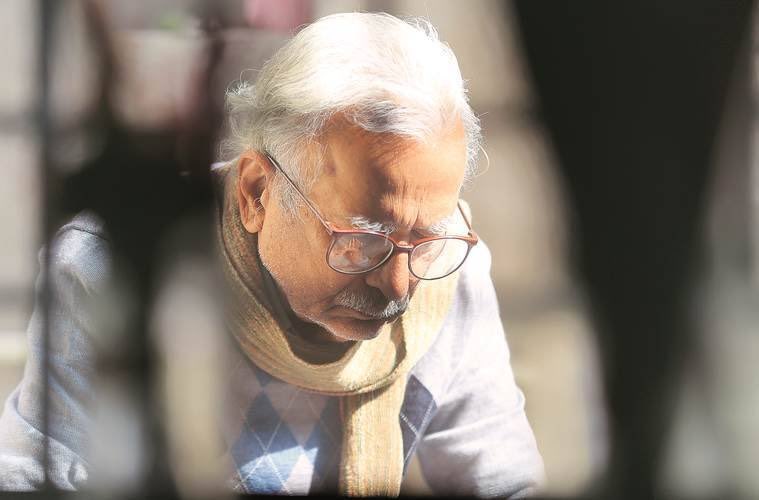
A lonely goodbye to Madhav Gadgil, one of the tallest environmentalists of our times.
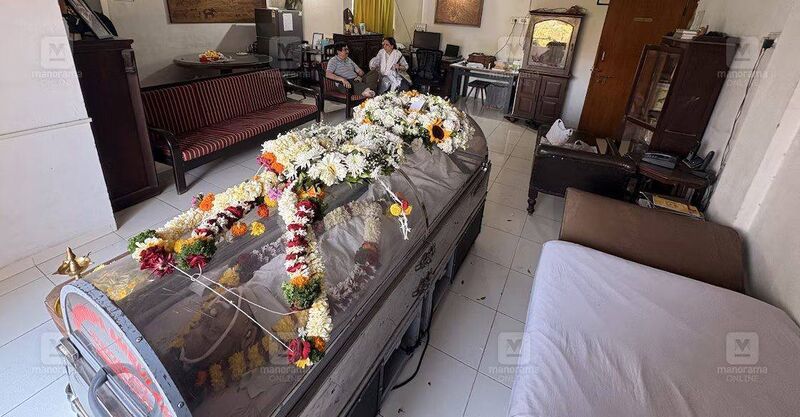
Under the banyan trees of Navi Peth in Pune, Madhav Gadgil was taken for cremation last evening. The gathering was small, some forty, perhaps fifty people.
No ministers. No senior officials. No tricolour to drape the body. No guard of honour salutes. No ceremonial rifle volleys.
One expects a crowd, the usual press cameras and public mourning. Instead, there was a pause, a quiet uncertainty, as if this farewell were happening somewhere it wasn’t meant to.
State honours had been promised, but never quite arrived. Even the police escort lost its way. For nearly half an hour, Gadgil’s body lay waiting, wrapped in simple white, while the city carried on around it, indifferent.
For me, this was not the death of a distant public figure.
In the 1990s, when I was starting out as a science correspondent with the Press Trust of India in Bengaluru, Madhav Gadgil was already a towering presence at the Indian Institute of Science (IISc). At the IISc's Centre for Ecological Sciences, he stood out, not by volume or self-importance, but by intellectual rigour and moral clarity.
I walked into his office many a time in those years, notebooks open, deadlines close. He listened carefully, answered precisely, never spoke down. He believed knowledge carried responsibility, and that science without ethics was incomplete. Those conversations stayed with me, shaping how I understood both journalism and ecology.
This was also the man who later led the Western Ghats Ecology Expert Panel, producing a report that treated the mountains not as real estate or mineral stock, but as living systems. The Gadgil Committee Report spoke of ecological limits, decentralised governance, community rights, and long-term survival.
A Padma Bhushan awardee. A UN Champion of the Earth. A lifelong defender of forests, rivers, biodiversity, and uncomfortable truths. In death, he was treated as someone easily forgotten.
The trees were not.
The old banyans stood quietly, their leaves stirring in the afternoon air. Gadgil had given his life to them. Trees remember. Animals remember. They show up when people don’t.
Had this been a politician or an industrialist, roads in Pune would have been sealed, helicopters circling, television studios filled with tributes and theatrical grief. Power is never allowed to pass quietly.
But a man who tried to protect the land that sustains us all was sent off almost unnoticed.
The trees stood witness.
The rest of us moved on.
Goodbye, Madhav Gadgil.
Forgive us.
We did not know how to honour you.
(Photo Courtesy: R S Gopan)
Incredible news in medicine! New treatment for one of the cruellest neurodegenerative conditions - Huntington’s Disease - has resulted in 75% slowing down of disease progression, allowing patients to go back to work and potentially gain decades of life 🙏
https://t.co/3AnPFsOK5g
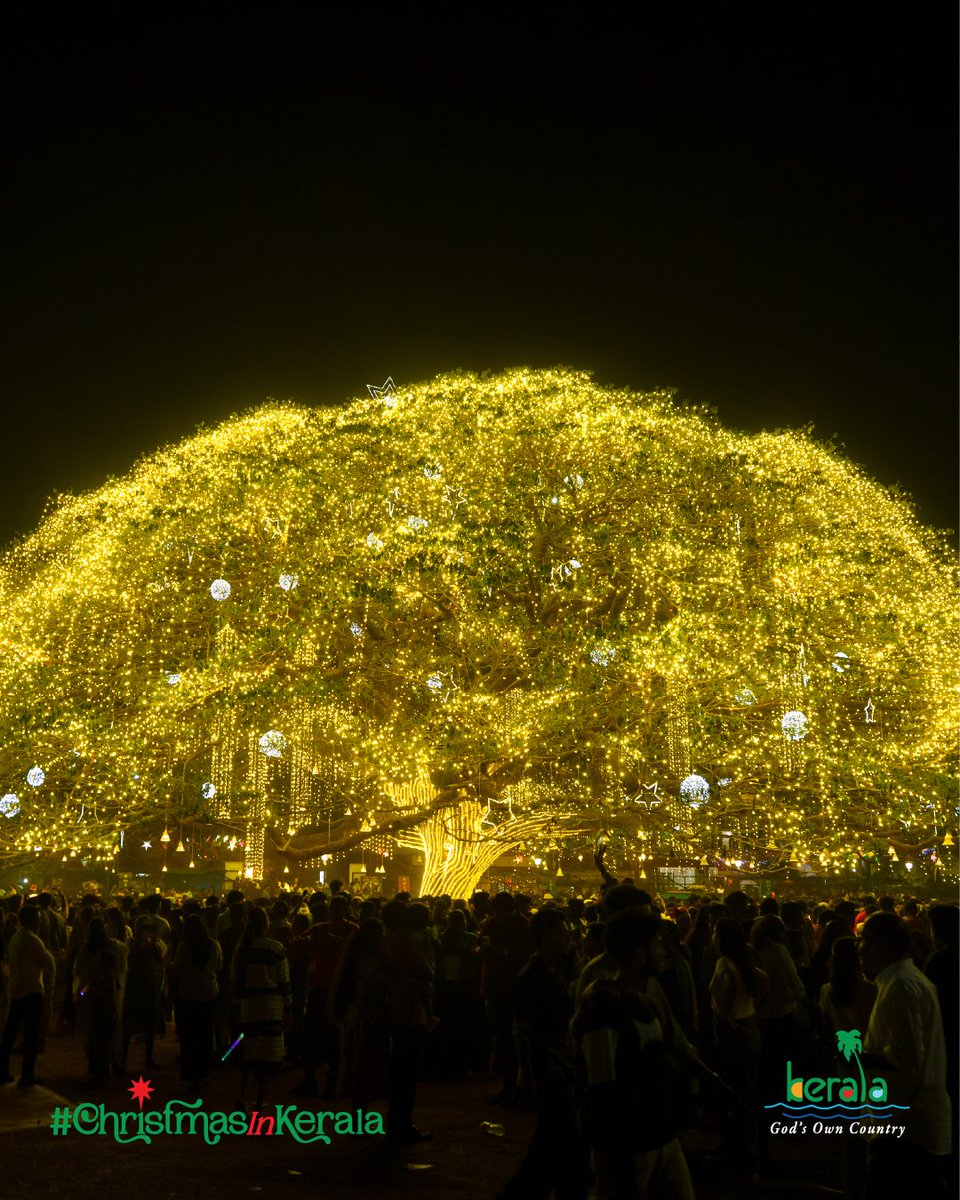
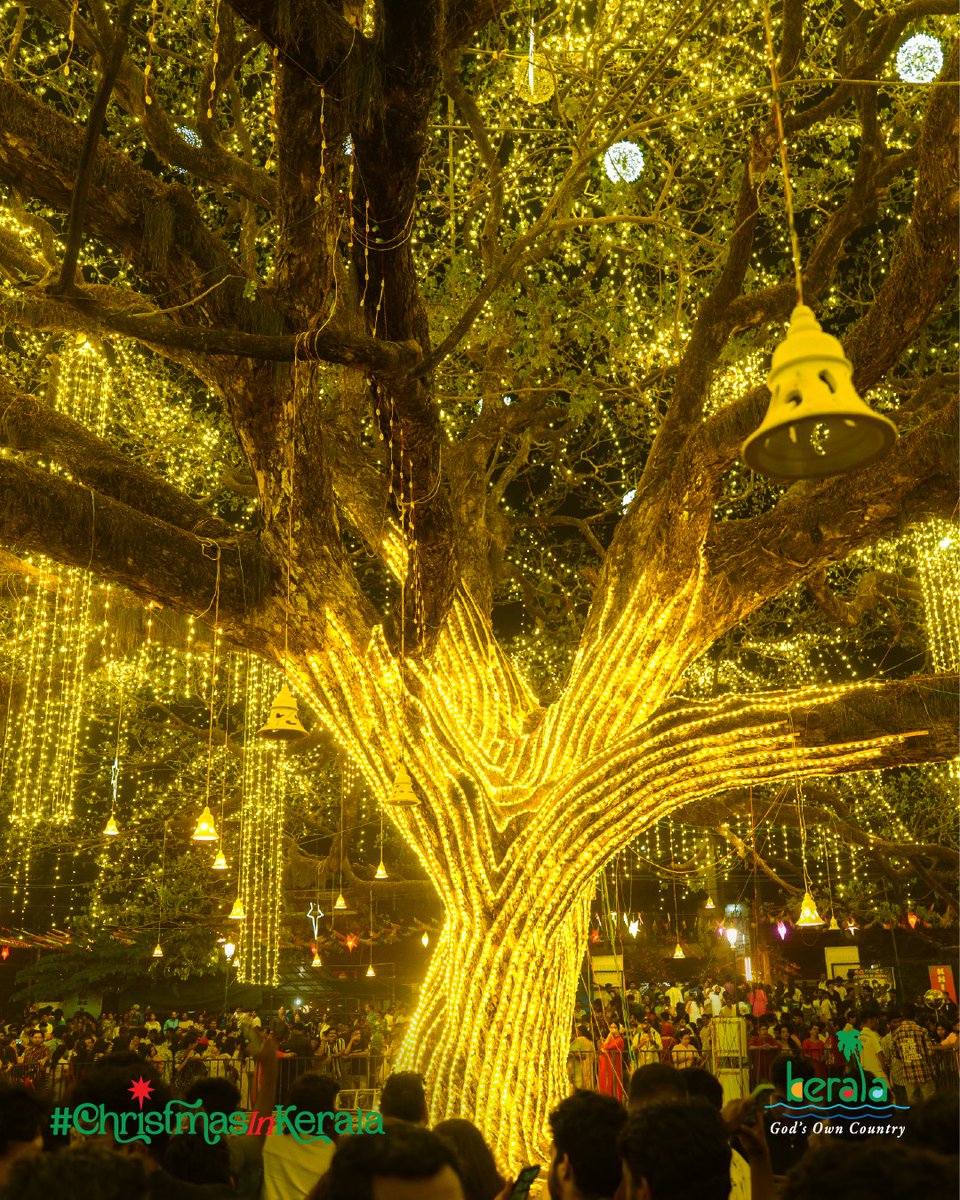
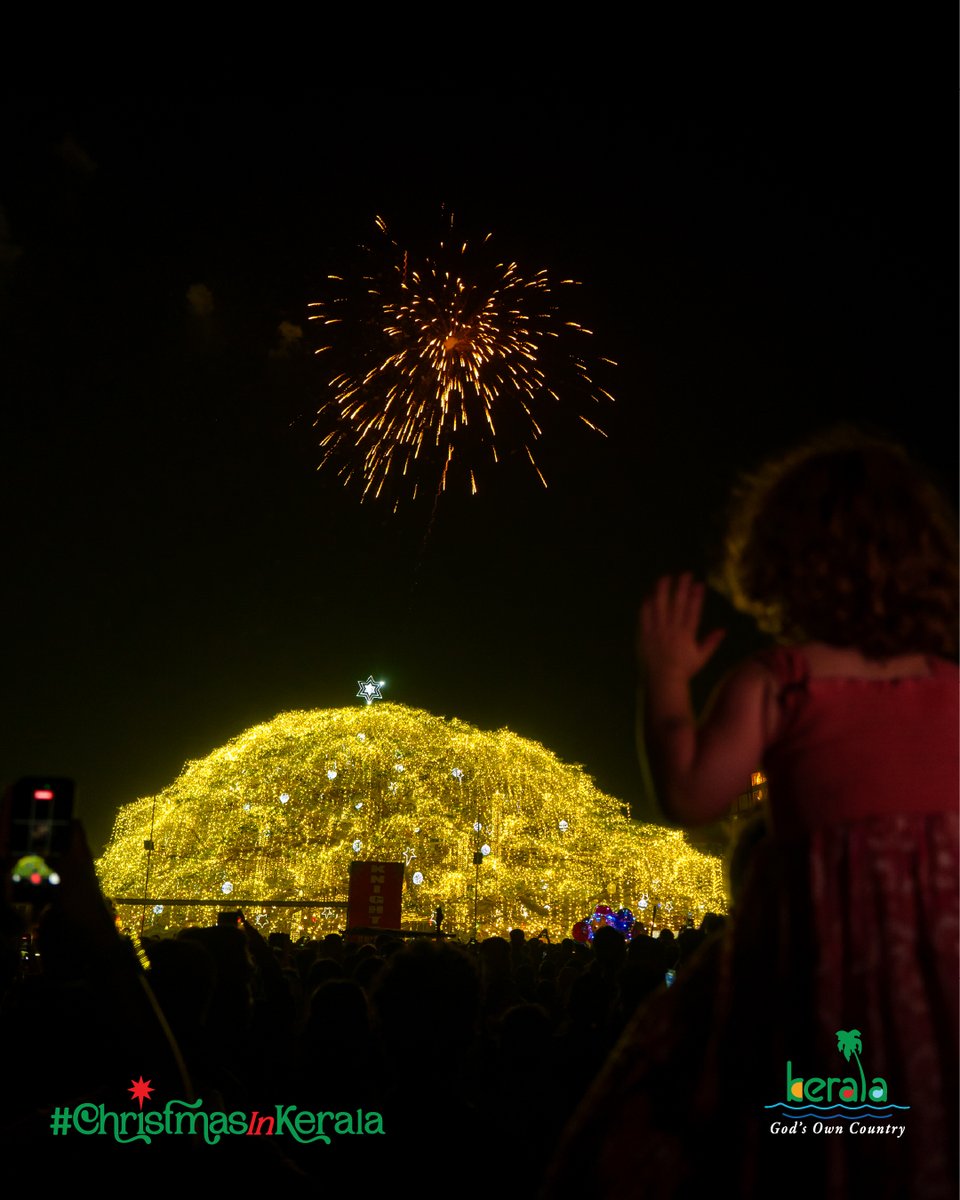
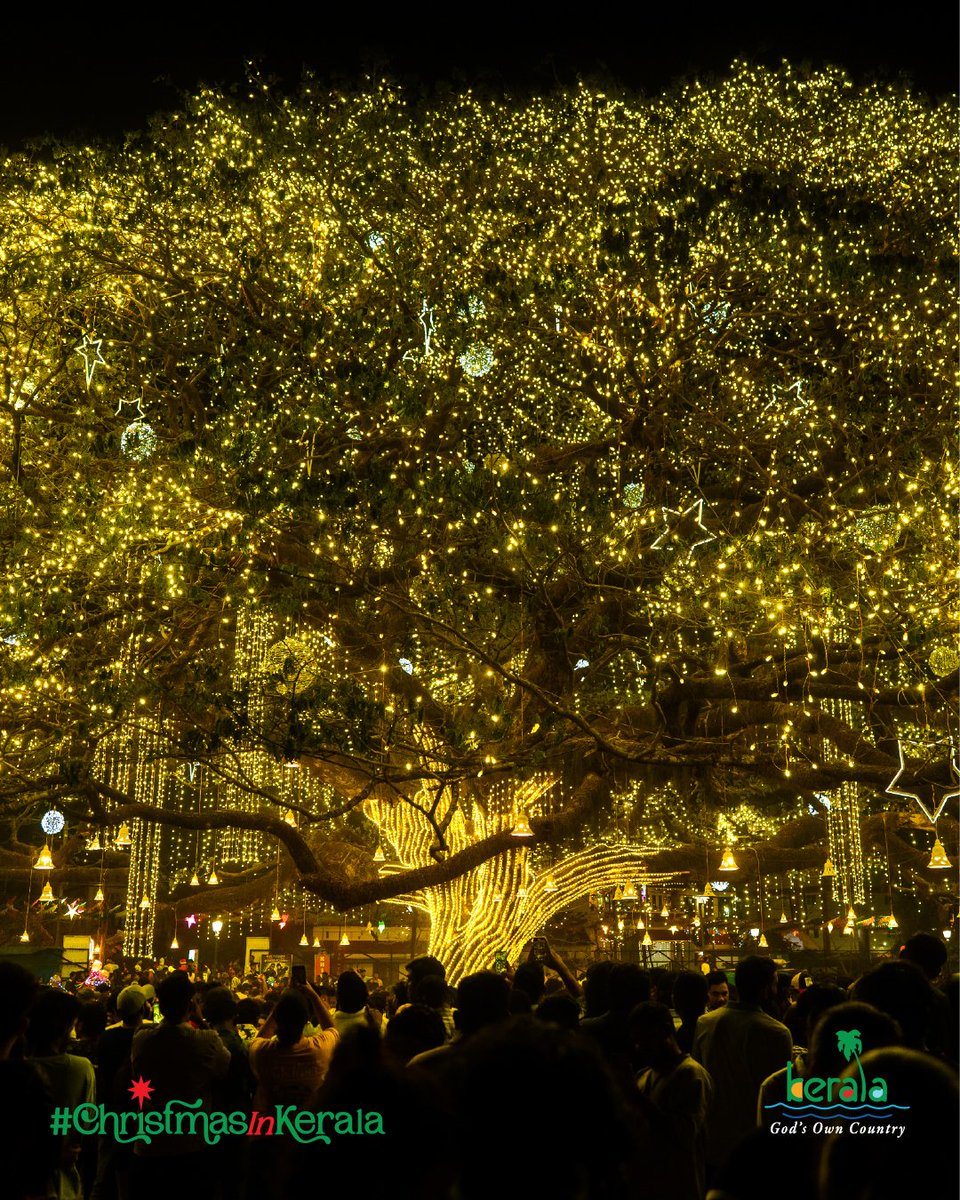
The Big Tree Fest is Kochi’s cherished tradition. Each year, the 400‑year‑old tree at Veli Grounds, lit with festive lights, becomes the heart of community celebrations.
#ChristmasInKerala#StateOfHappiness#KeralaTourism
जो मेरे घर कभी नहीं आएँगे
मैं उनसे मिलने
उनके पास चला जाऊँगा।
एक उफनती नदी कभी नहीं आएगी मेरे घर
नदी जैसे लोगों से मिलने
नदी किनारे जाऊँगा
कुछ तैरूँगा और डूब जाऊँगा
पहाड़, टीले, चट्टानें, तालाब
असंख्य पेड़, खेत
कभी नहीं आएँगे मेरे घर
खेत-खलिहानों जैसे लोगों से मिलने
गाँव-गाँव, जंगल-गलियाँ जाऊँगा।
जो लगातार काम में लगे हैं
मैं फ़ुरसत से नहीं
उनसे एक ज़रूरी काम की तरह
मिलता रहूँगा—
इसे मैं अकेली आख़िरी इच्छा की तरह
सबसे पहली इच्छा रखना चाहूँगा।
~ विनोद कुमार शुक्ल
चाहो
जो तुम्हें नहीं मिला
वो सभी को मिले
जहां तुम नहीं पहुंच सके
वहां हर कोई पहुंचे
उनके लिए
पुल बनो
रास्ते, पगडंडियां बनो
उन्हें जाने दो
उनकी मंजिल तक
और खुशी मनाओ
मेरे दोस्त!
दूसरों की सफलताओं में
विघ्न नहीं
रास्तों की तरह
निमित बनना सीखो��।
- चित्रा पंवार
@chitra_panwar
जीवन में एक सितारा था
माना वह बेहद प्यारा था
वह डूब गया तो डूब गया
अम्बर के आनन को देखो
कितने इसके तारे टूटे
कितने इसके प्यारे छूटे
जो छूट गए फिर कहाँ मिले
पर बोलो टूटे तारों पर
कब अम्बर शोक मनाता है
जो बीत गई सो बात गई
- हरिवंश राय बच्चन
जयंती पर सादर नमन
#HarivanshRaiBachchan
Here are 30 great essays about biology. I consider these to be my "personal canon," and think that they are all basically perfect in their own ways, despite being different in form and style. All have shaped my own writing considerably.
I'm not including links here, but you can easily search and find these.
1. Diagnosing the decline in pharmaceutical R&D efficiency, Jack W. Scannell et al., 2012
2. Predictive validity in drug discovery: what it is, why it matters and how to improve it, Jack Scannell et al., 2022
3. Is the cell really a machine?, Daniel J. Nicholson, 2019
4. How academia and publishing are destroying scientific innovation: a conversation with Sydney Brenner, Elizabeth Dzeng, 2014
5. A Future History of Biomedical Progress, Adam Green (Markov), 2022
6. The pharma industry from Paul Janssen to today, Alex Telford, 2023
7. The Lives of a Cell, Lewis Thomas, 1974
8. The maddening saga of how an Alzheimer’s ‘cabal’ thwarted progress toward a cure for decades, Sharon Begley, 2019
9. The Scientific Virtues, Slime Mold Time Mold, 2022
10. First Clean Water, Now Clean Air, Fin Moorhouse, 2023
11. I should have loved biology, James Somers, 2020
12. The Baffling Intelligence of a Single Cell, James Somers & Edwin Morris, 2024
13. Biology is more theoretical than physics, Jeremy Gunawardena, 2013
14. Can a biologist fix a radio?, Yuri Lazebnik, 2002
15. Cells are very fast and crowded places, Ken Shirriff, 2011
16. Life at Low Reynolds Number, E.M. Purcell, 1976
17. Lena, qntm, 2021
18. Sequences and Consequences, Sydney Brenner, 2010
19. The NIH Report, Matt Faherty, 2022 (I edited this one)
20. Simplicity in biology, Uri Alon, 2007
21. A breakthrough from 60 years ago: “General nature of the genetic code for proteins” (1961), Matthew Cobb, 2021
22. Molecular “Vitalism”, Marc Kirschner, John Gerhart, Tim Mitchison, 2000
23. The Coming Technological Singularity, Vernor Vinge, 1993
24. Review of Scientific Self-Experimentation, Brian Hanley & William Bains & George Church, 2018
25. Coming full circle-from endless complexity to simplicity and back again, Robert Weinberg, 2014
26. Nothing in Biology Makes Sense Except in the Light of Evolution, Theodosius Dobzhansky, 1973
27. The Impersonator: The Fake Data Were Coming From Inside the Lab, Uri Simonsohn, 2024
28. The Longevity FAQ, José Luis Ricón (Nintil), 2020
29. The Perfect Human is Puerto Rican, Lior Pachter, 2014
30. No Evidence of Disease, Stephanie Bourque, 2012
There’s a famous paper about fishing villages in Kerala, India. Before cell phones, fishermen would return to shore and sell their catch to whatever market they happened to reach first. Prices swung wildly from village to village, some fish spoiled while buyers in the next town had none.
Then cell phones arrived. Fishermen could call ahead to find the best market for their haul. Prices stabilized, waste plummeted, and outcomes improved for both buyers and sellers. This image has stuck with me for years as a reminder that when people have access to complete information, they make better decisions.
For decades, economic research (and @Rich_Barton companies) have chased this idea of “turning the lights on” so participants can see clearly. Homebuyers have @zillow. Job seekers have @Glassdoor. But one place the lights have never been fully turned on is how companies spend, operate, and make decisions.
That’s changing.
At @tryramp, we’re building one of the fastest-growing datasets in the world on how the best companies spend and operate: every transaction, policy, and purchase decision mapped against outcomes. And we’re just scratching the surface of what’s possible when AI, productivity, and economics intersect.
That’s why we’re hiring an economics intern for next summer! Someone who’s not just interested in theory, but in uncovering real-world insights about how modern companies allocate capital, structure work, and make decisions in the new AI-driven economy.
If you’re excited by the idea of bringing the same clarity to business spending that cell phones brought to fishermen: @arakharazian and I would love to talk!
अंतिम समय जब कोई नहीं जाएगा साथ
एक वृक्ष जाएगा
अपनी गौरैयों-गिलहरियों से बिछुड़कर
साथ जाएगा एक वृक्ष,
अग्नि में प्रवेश करेगा वही मुझसे पहले
‘कितनी लकड़ी लगेगी’
शम��ान की टाल वाला पूछेगा
ग़रीब से ग़रीब भी सात मन तो लेता ही है
~ नरेश सक्सेना
#वृक्ष #लेखनी ✍️