In the 18th-century doctors were as likely as any other man of status to solve disputes by duelling with pistols. But crucially, they might also be called upon to treat the wounded. @RussMoul explores the ritual of duelling and the doctor's role in it. https://t.co/0FTkfexb2G
@stevendicosta Personally I like to think there is a single character out there, a omniversal being, who goes around painting all these lines in every video game. They've been secretly helping players spot where to jump and what to hold onto for years now.
@DrCarpineti@J7urn Also not to mention that Shakespeare himself mixed original content with stories he otherwise adapted, borrowed or outright stole. Originality is clearly something a write can do without.
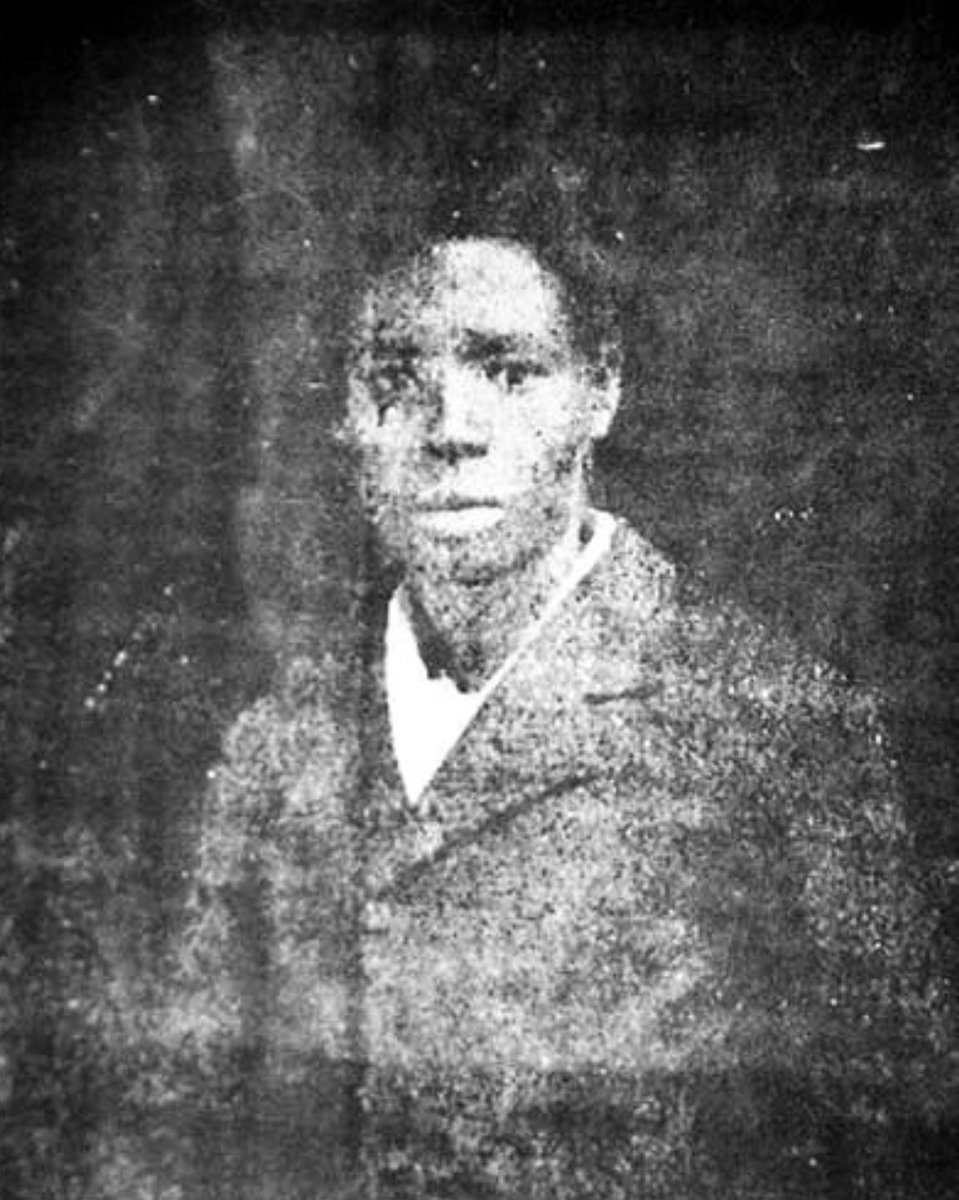
This is Edmond Albius. In 1841, he was an enslaved 12-year old who had no formal education and could not read or write. And yet, Albius was able to discover a technique for pollinating vanilla orchids in a quick and profitable way. Albius had solved a mystery that had stumped the best botanists of his time. Without his technique, vanilla would not be as popular as it is today.
In the 1820s, French colonists brought over vanilla beans to Réunion Island (Albius was born there in 1829) and Mauritius from Mexico. They soon realized that no insect would pollinate the vanilla orchid. In Mexico, this was done by their wild bees. In the 1830s, a Belgian botanist by the name of Charles Morten developed a technique of pollinating the vanilla by hand. While the method worked, it was very time-consuming and required a large labor force.
12-year-old Albius used a blade of grass or a thin stick to lift the flap and fold down the male part so that the pollen came in contact with the female part. Once that was done, he would use his thumb to press down lightly, effectively pollinating the vanilla orchid. While his technique seemed very simple, it single-handedly changed the industry, and Réunion, at one point, became the world's largest supplier of vanilla.
Today, Madagascar is the largest supplier of vanilla and still utilizes Albius' technique.
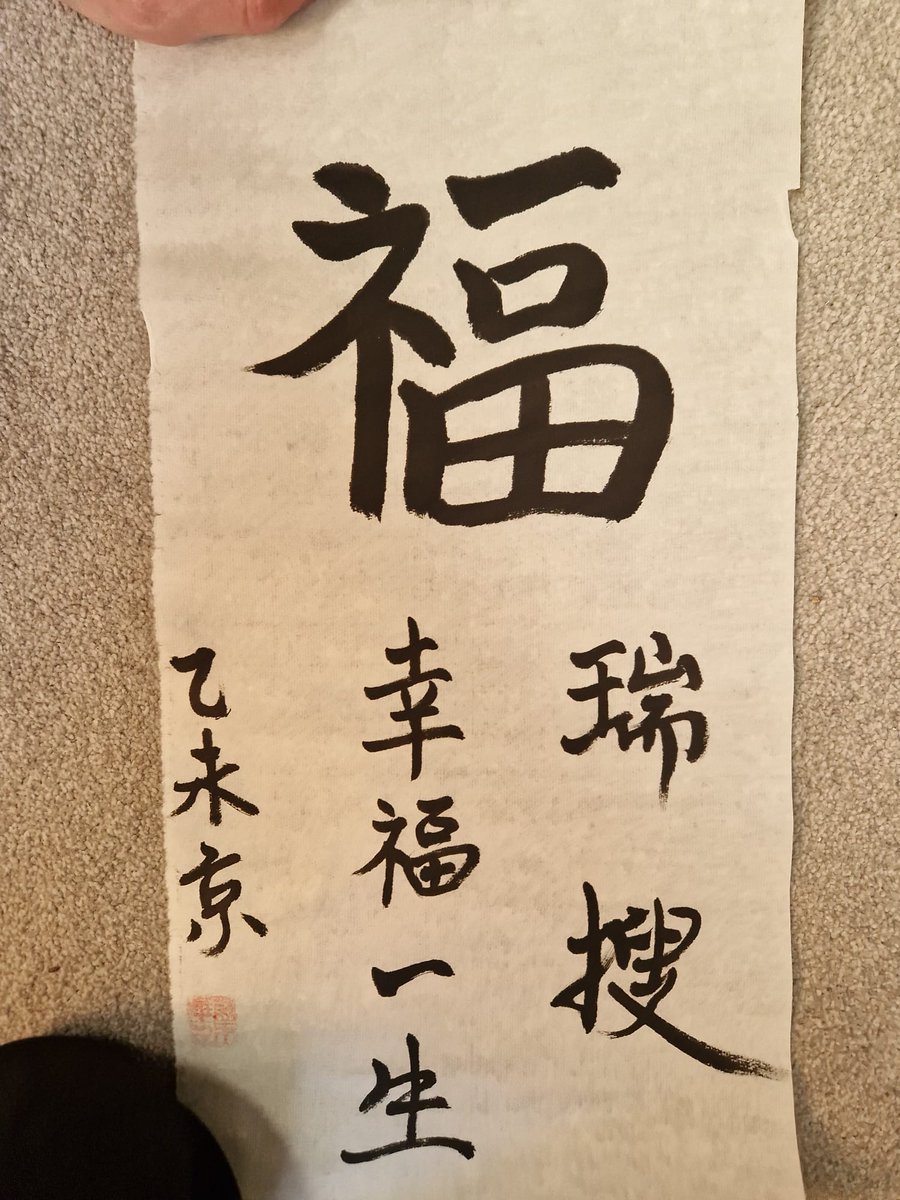
@chieh_ This is great. Thank you very much for the help. I remember the woman who gave it to me took a great interest in my name at the time, so that makes sense.
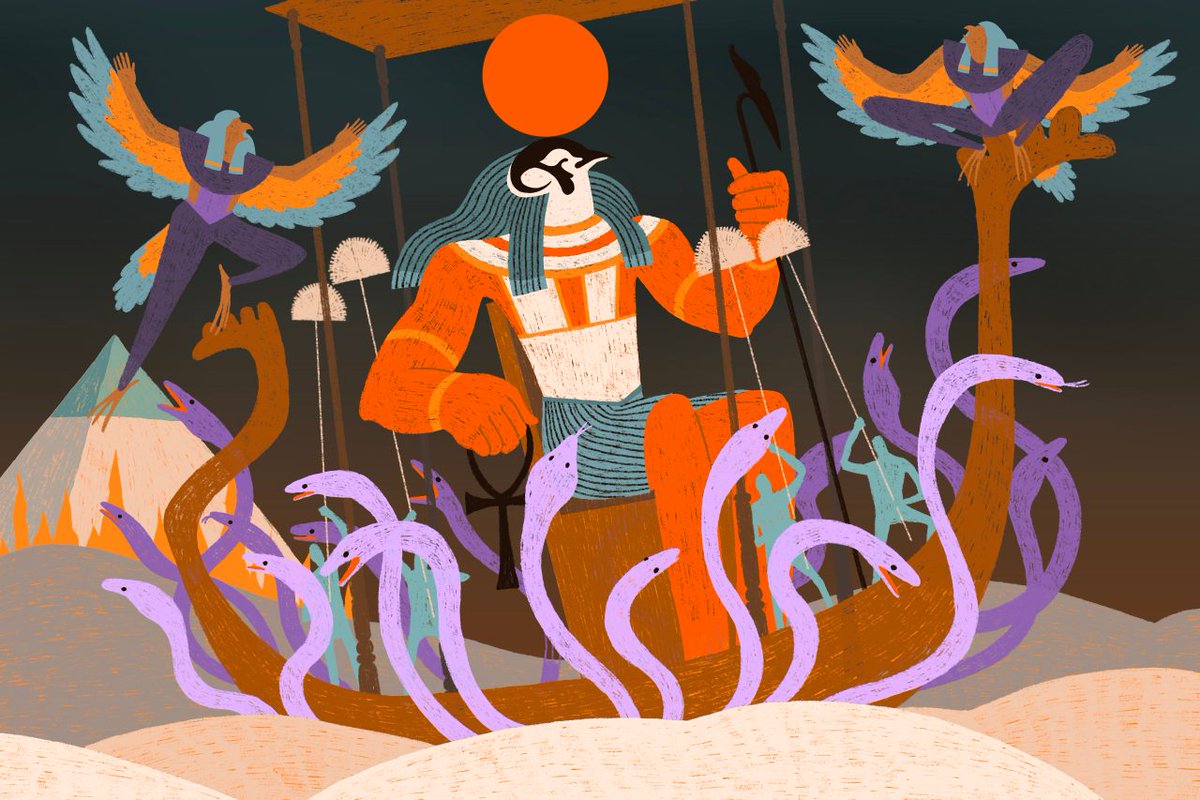
Really honoured to be writing a four-part series on death and afterlife belief in Ancient Egypt for @atlasobscura throughout October! First part can be read here (many thanks to @gemmatarlach for excellent editorial input!): https://t.co/rB3A31UABO
@PsychopathyIs@SSSpsychopathy@tiktok_us@IFLScience Thank you for the message. The piece was designed to question the information in the TikTok post, while providing links to relevant sources and studies as well. It was certainly not intended to support it. Please feel free to DM me if you think I have made any factual errors.
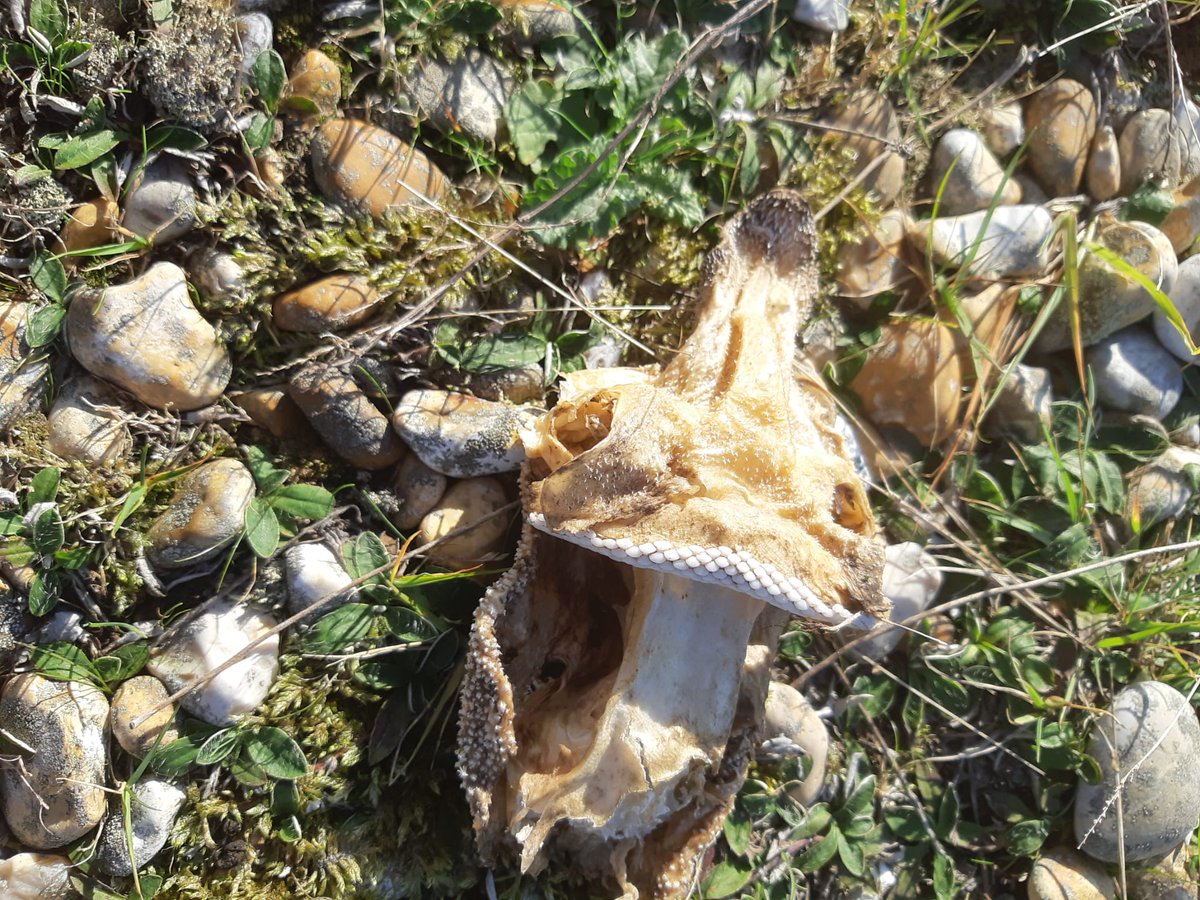
🧵This has been bugging me for ages. Can anyone identify this thing? Context: found on beach in Dungeness, Kent, UK in September 2018.
The white parts looked and felt like small teeth. 2nd photo to follow
@WildlifeMag@BBCSpringwatch@FishGuyKai@IoloWilliams2
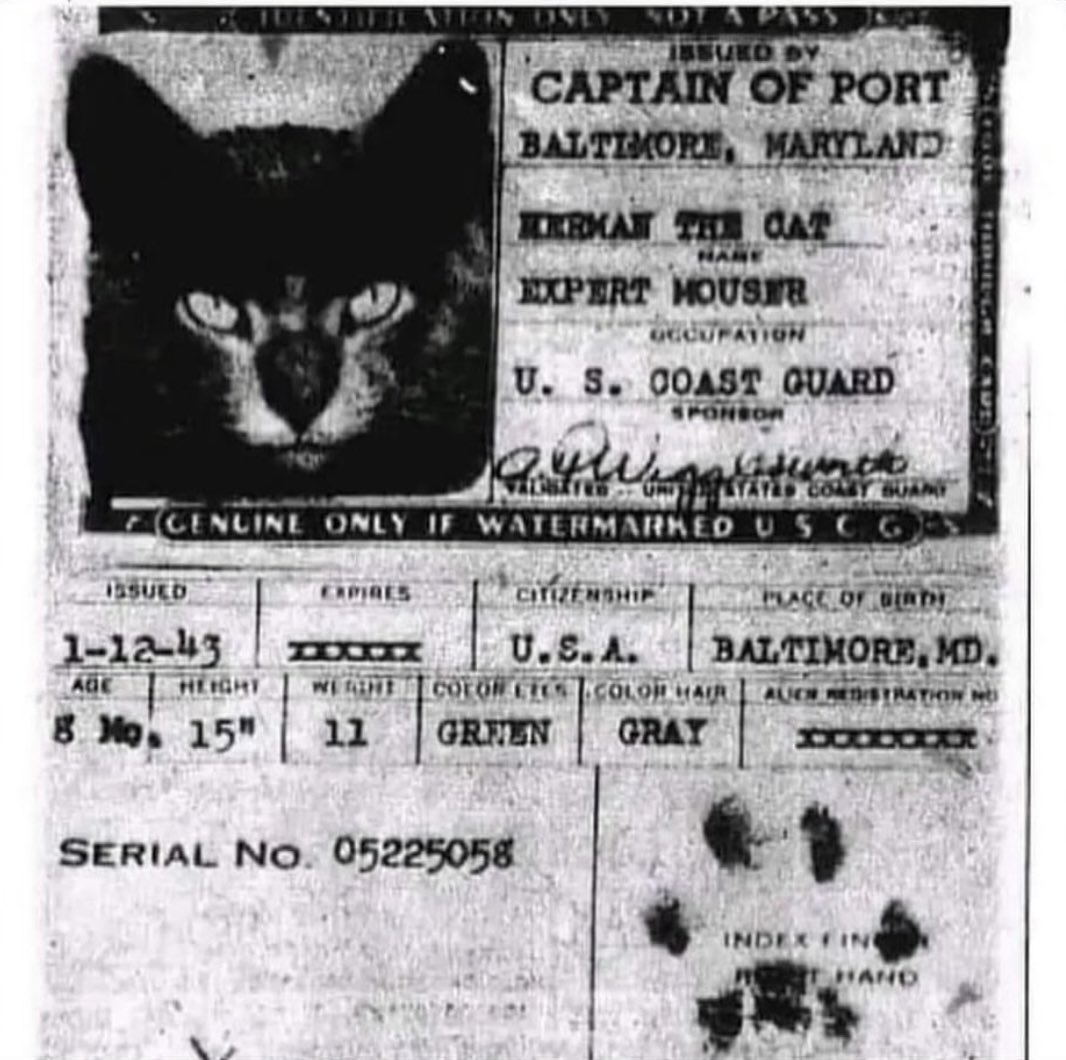
During the mid-20th century, cats played an important role on ships as skilled rodent catchers. Sailors realized that having cats aboard helped control the population of rats and mice, which were notorious for damaging supplies and spreading diseases. These ship cats became valued members of the crew and were even given passports to acknowledge their contribution and ensure their safety during international travels.
The passports for ship cats were a unique and lighthearted tradition. While they didn't serve any legal or official purpose, they were created to recognize the cats' role and provide a form of identification. The passports typically consisted of a small booklet with pages that included the cat's name, description, and an area for their paw print.
When it was time to depart or dock in a foreign port, the ship's captain or crew members would present the cat's passport to the authorities as a fun way to document the feline's presence onboard. The cat's paw print, obtained using ink or paint, was added to the designated page, providing a personalized and whimsical touch to the document. This practice not only amused the sailors but also showcased the camaraderie they shared with their feline companions.
While these ship cat passports were not legally recognized, they symbolized the close bond between humans and their feline shipmates. They served as a reminder of the cats' essential role in maintaining a clean and rodent-free ship, thus safeguarding the crew's provisions and health during long sea voyages.
However, as the mid-20th century progressed and maritime practices evolved, the reliance on ship cats diminished with the advent of more effective pest control methods. With the decline in the need for ship cats, the tradition of issuing passports gradually faded away. Nevertheless, the memory of these seafaring felines and their unique passports continues to fascinate and entertain those interested in maritime history and the unique relationships forged between humans and animals at sea.
@b3njamintran Yeah, copy it all. Tiny Scanner is a good app that's seen me through my research. I think you can get unlimited use for a one of payment of something like £5 (though that was a few years ago). It's worth it. Don't forget a phone charger!
@ZoeVx@PsychDnd Hello, thank you for letting me know. I've followed your account - thanks for the suggestion and I look forward to seeing how things develop.
I dont normally write about the stuff I put out at work, but I really enjoyed writing this piece. D&D and therapy - a really interesting combination for all things geeky!
https://t.co/quQK8RNPa6
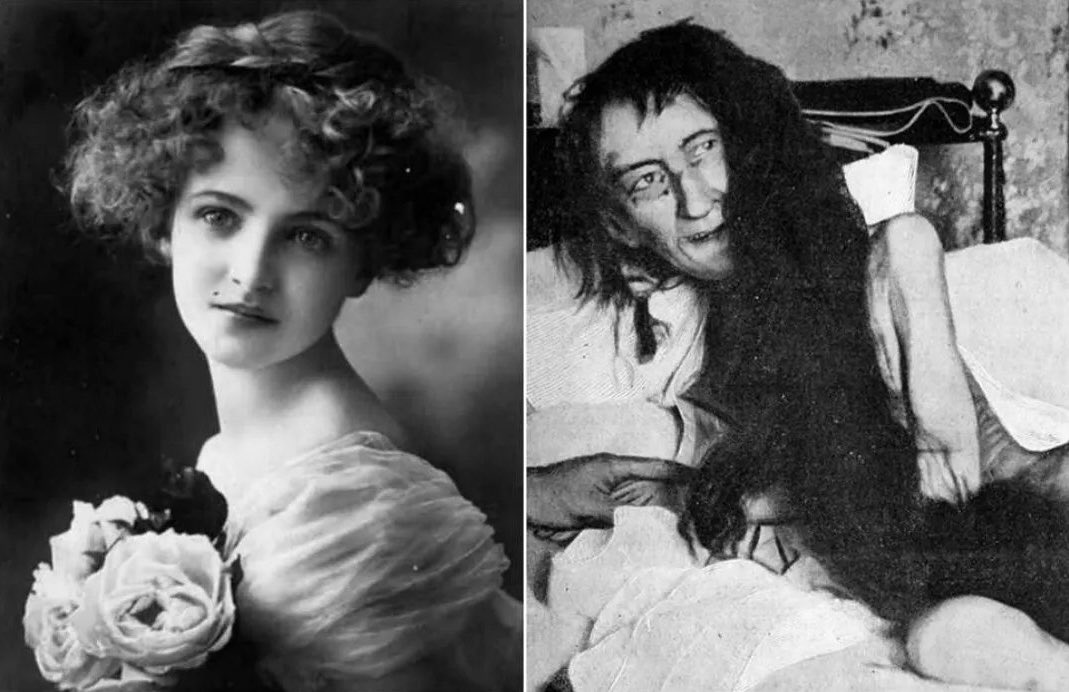
The lost girl, 1874 Blanche Monnier was a Parisian socialite, known for her beauty. In France, she is referred to as "La Séquestrée de Poitiers" which means "The Confined Woman of Poitiers". The story behind this title is tragic beginning with a love story that ended poorly.