The Rutgers Institute of Earth, Ocean, and Atmospheric Sciences comprises more than 100 faculty spanning many different Earth System Science backgrounds. #EOAS
Did you know #Rutgers#EOAS is also on Instagram and Linkedin? Be sure to follow us there as well! https://t.co/IvD7nDO1DR & https://t.co/7fiZp4sWQZ .
Cons
- through commercialization efforts and tourist activities there can be a negative impact on the environment
Thank you for joining us on our journey, we were grateful to engage ourselves in the intersection between tourism and wildlife!
Adventures of Ecotourism: Reflection
Here’s some pros and cons we noticed about Ecotourism.
Pros
- Provides income for the country while prioritizing ecological conservation efforts
- Educates and immerses people in nature, providing an introduction to ecosystems for everyone
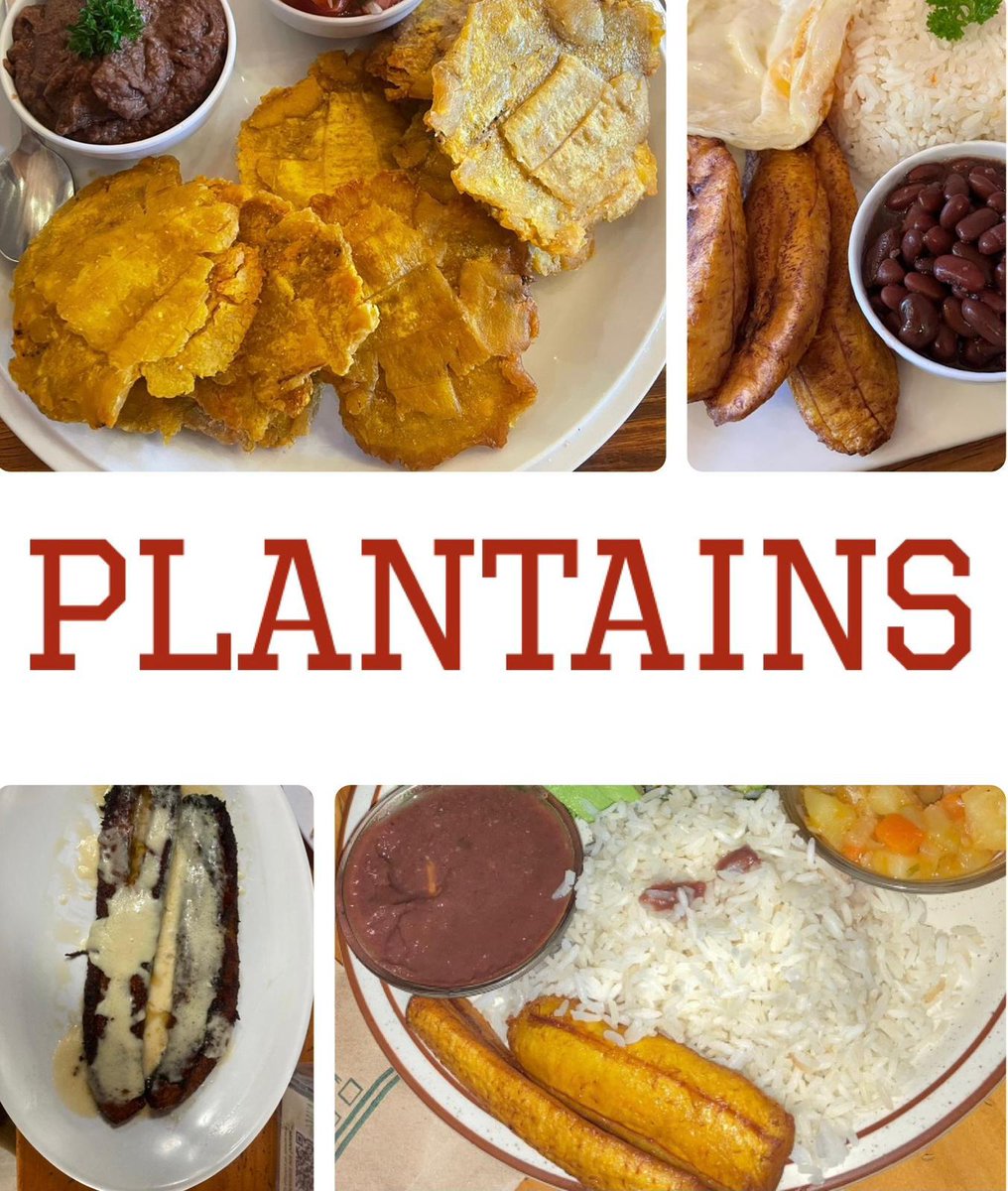
When rain is not viable for feeding the plants, (primarily in northern CR), irrigation is used. Long-grain rice is the only rice grown in CR, and it has a distinctly different flavor from rice in the US- we would definitely recommend trying the rice and beans in Costa Rica.
In Costa Rica, you can find rice and beans in every meal: breakfast, lunch, and dinner. Both McDonald’s and Subway have rice and bean options at some of their locations. This staple food is an economical and reliable source of nutrients.
Costa Rica is the third largest producer of rice in Central America. Due to the amount of rain this country gets, around 65% of the country's rice is able to be rainfed.
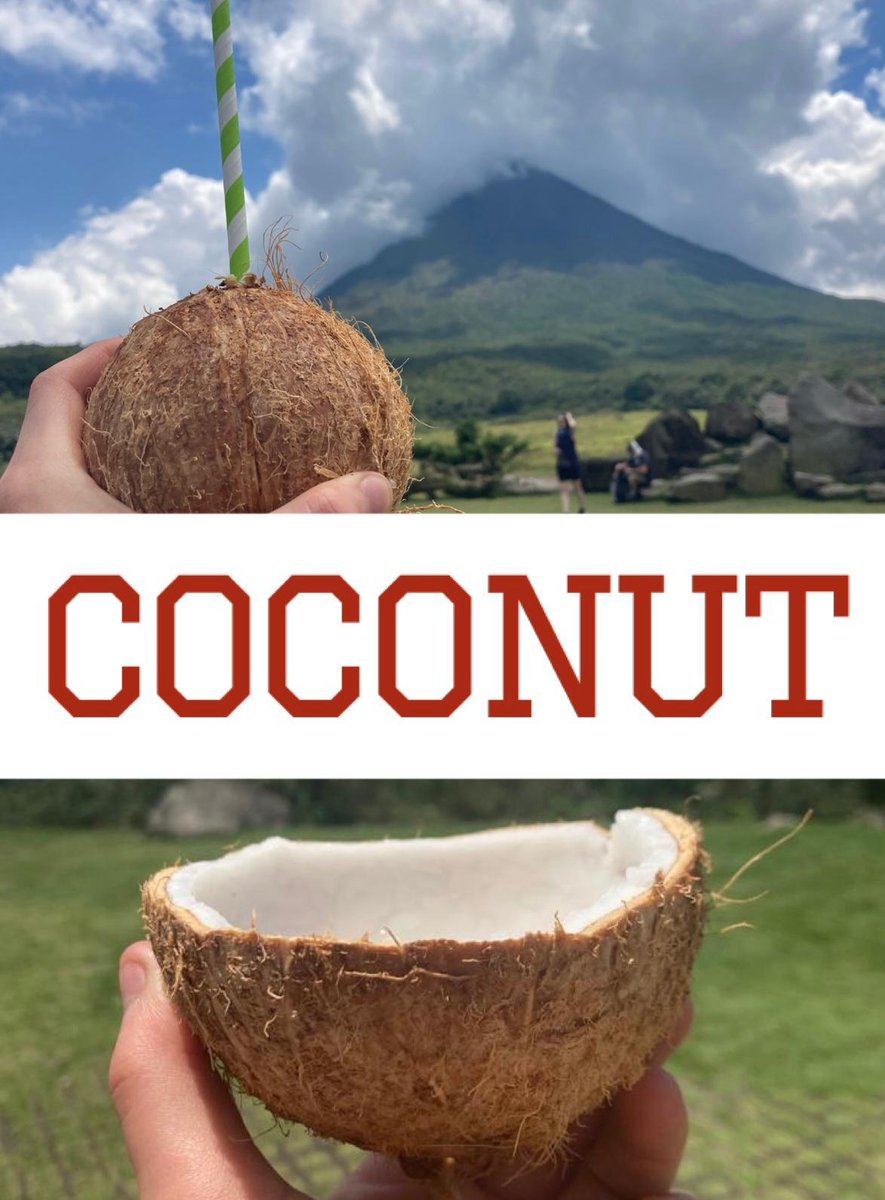
Often served by street venders, copas are a refreshing sweet enjoyed by Costa Ricans and others across the world.
Salchipapa is a Costa Rican favorite street and fast food across Central and most of South America. It started in Peru but expanded to other places.
Invented by the Aztecs in parts of central and northern Mexico, quesadillas have become a staple breakfast and lunch dish across Spanish speaking countries.
Copas, or shaved ice, is a popular traditional desert in Costa Rica that incorporates condensed milk, powdered sweetened milk, and your choice of flavored syrup, most traditionally being grenadine.
Conversely, other animals have evolved to match their native environments. Pit vipers, praying mantises, and lizards such as the ones pictured above are great examples of the fauna's ability to camouflage in plain sight. Costa Rica's fauna makes for a beautifully colorful country
Hey guys, Matt, Donald, Ishaan, and Yiraldo and we're back to discuss the many colors of the Costa Rican wildlife. In Costa Rica the disparity between different animal colors is very prominent.
Some species have very vibrant colors that indicate their poisonous nature. For example, the Poison Dart frog pictured above is a clear example of a species of animal that should be avoided due to its poisonous nature.
The first video shows high grade coffee beans that are dried. The high grade coffee beans (ripened beans) are used within the Starbucks and lower grade beans (unripe beans) seen in the second video are sold to local farmers or cafes.
Hi everyone! Adrija, Adina, Annaliese, Shreya, and Akanksha here with a short post about agriculture in Costa Rica. We visited the Hacienda Alsacia Starbucks coffee farm in Costa Rica yesterday.
Arabica coffee is grown in this farm and around the area because of favorable soil conditions such as high altitude, and stable temperatures throughout the year. The quality of the coffee is based on the ripeness of the coffee fruit.
It also has about 12 hours of sunlight a day year round and keeps the ideal temperature for this produce of 65 to 75 degrees Fahrenheit, making it easy for these plants to flourish.
These are the tropical fruits and fruit products we encountered during our stay here in Costa Rica. Due to the country's proximity to the equator, it is able to keep the recommended humidity for growing these fruits of 85-95% for the majority of the year.
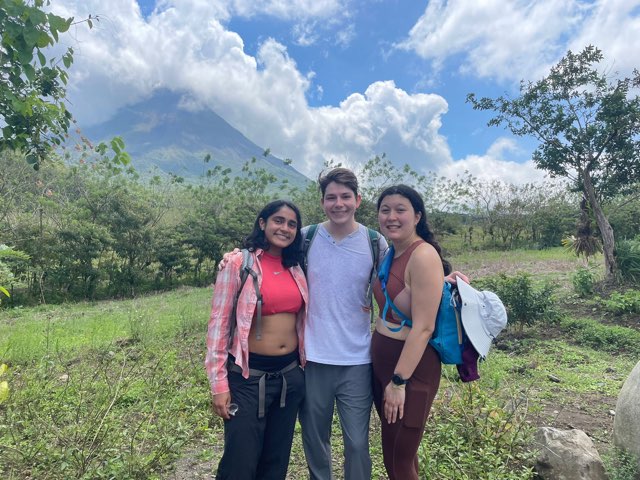
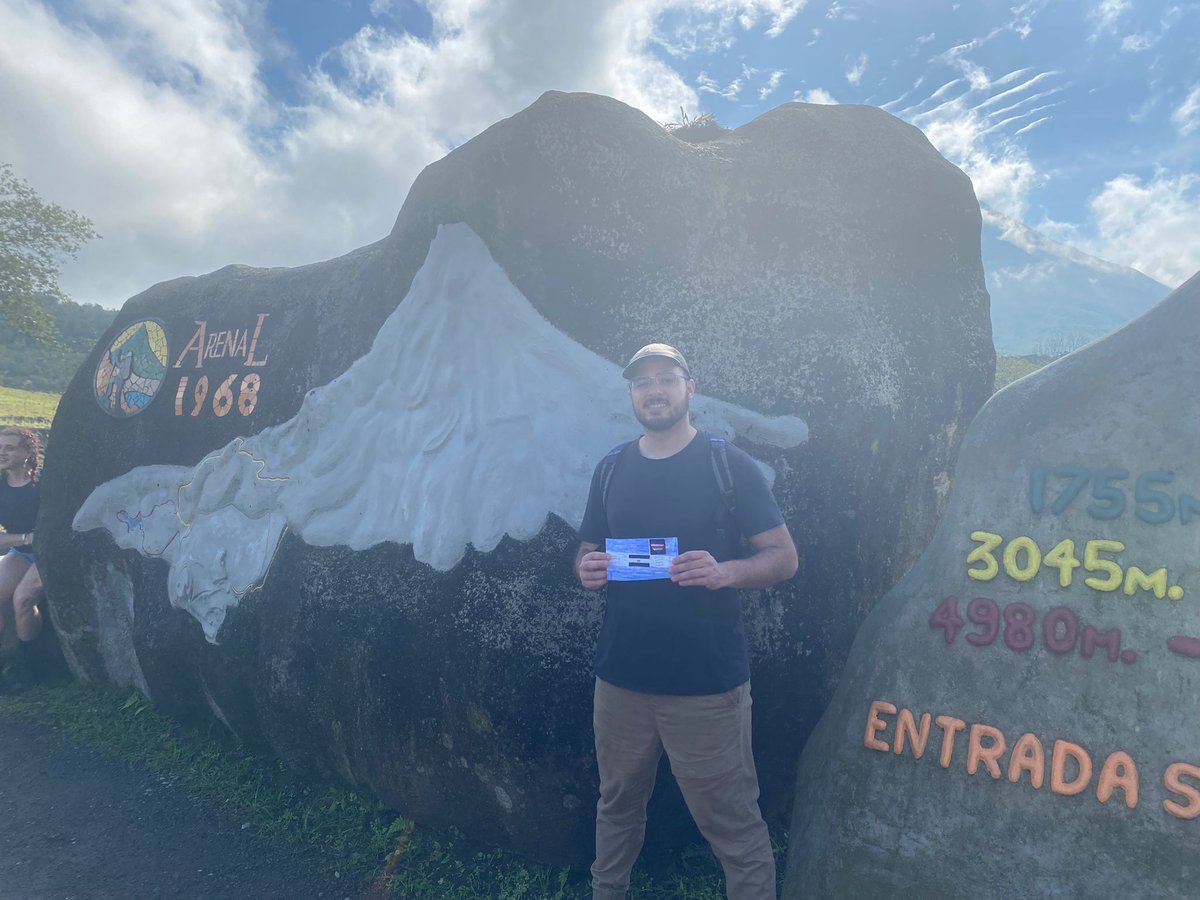
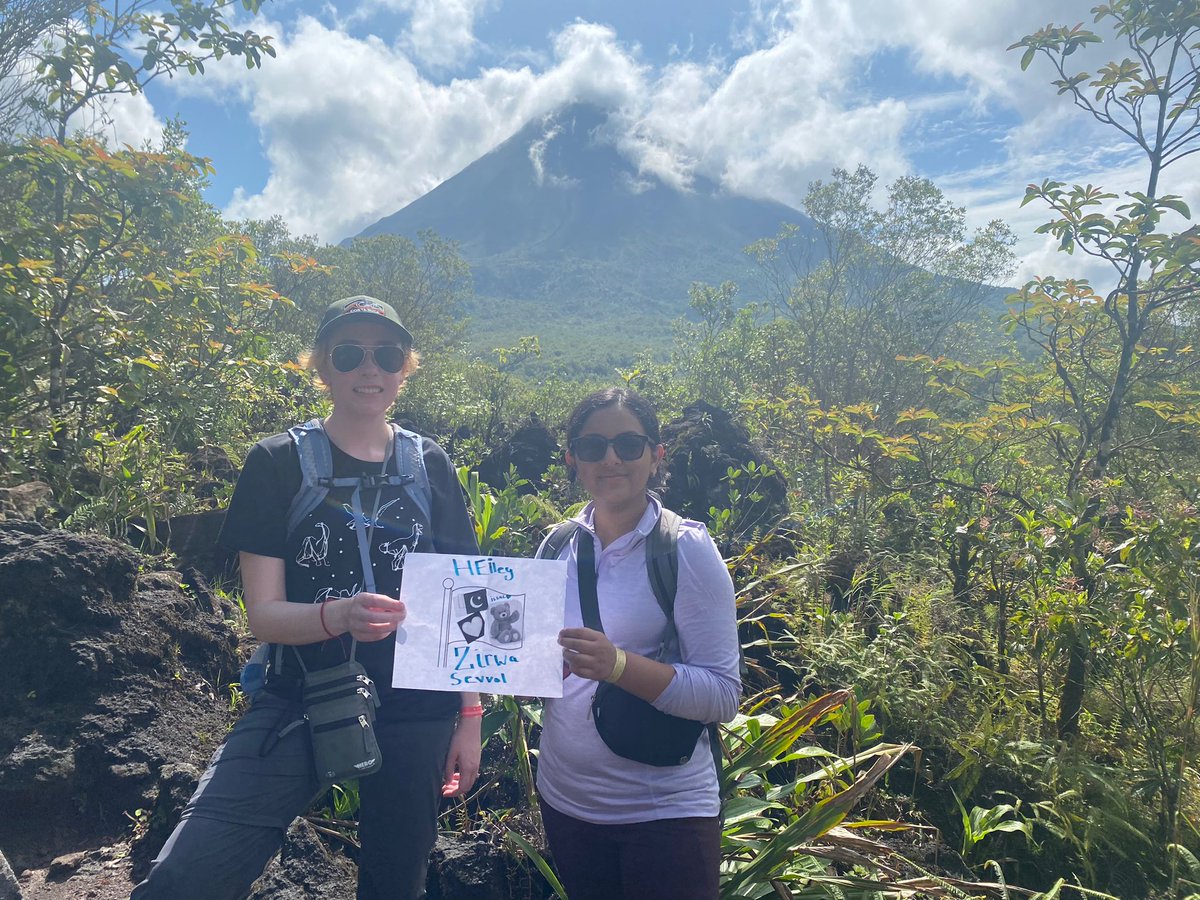
Mrs Villatoro’s 7th grade ENL class from @is72_poroccolaurie_official designed today’s flags. Pictures were taken along the hiking trails of the @arenal1968cr This path goes up and over the lava flows from the devastating 1968 eruption of Arenal Volcano.
We saw many signs naming the plants that we saw in Hotel Aeropuerto.
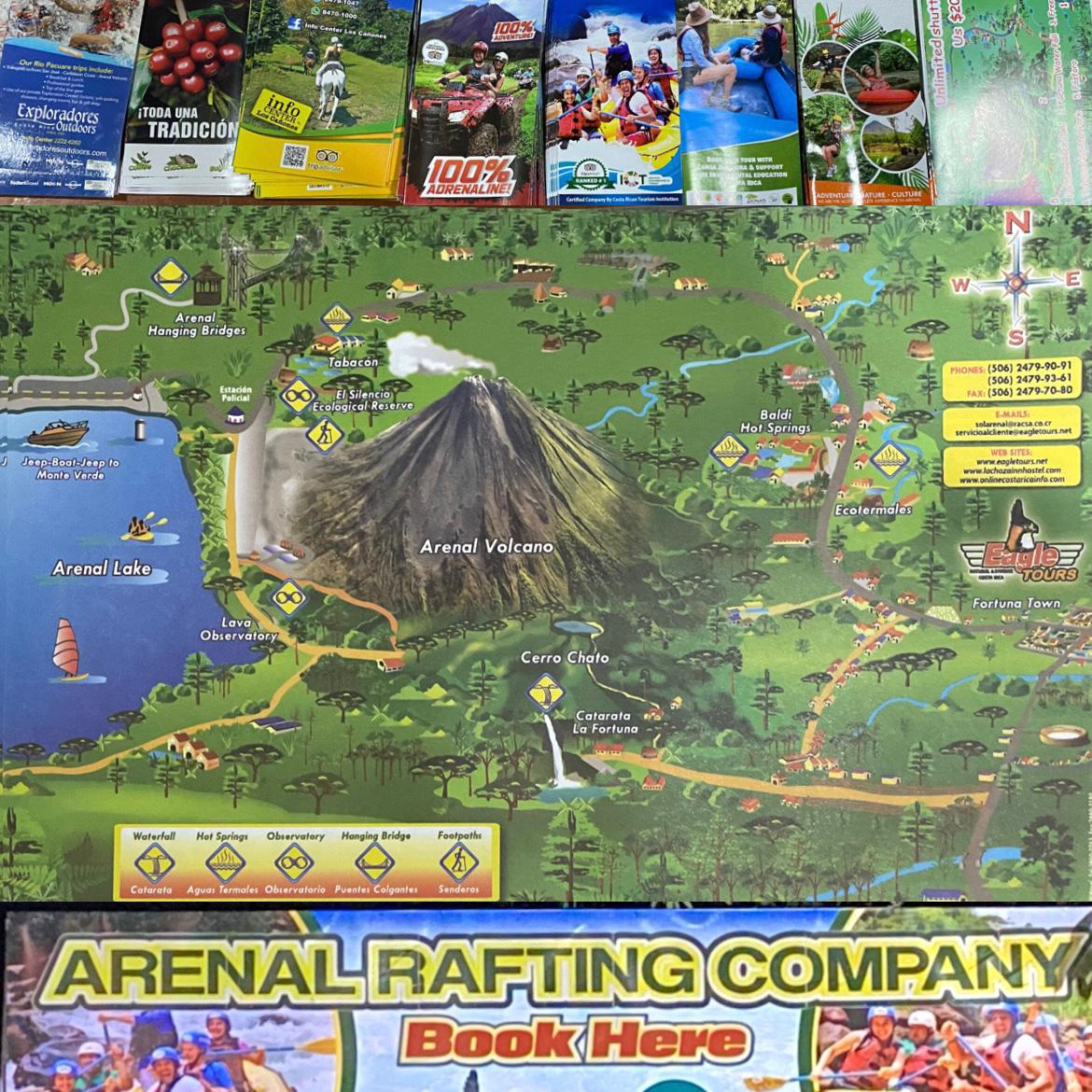
Our other hotel La Choza Inn had plenty of advertisements for recreational activities incorporating the natural environment of La Fortuna.
Adventures of Ecotourism -Hotel Edition:
Hotels can be examples of ecotourism just like national parks!
Here are some ways the hotels we stayed at encouraged connecting to and learning about nature.