What can Democrats achieve in Congress & how can they hold Trump to account? From the ‘lame duck’ session to the new Congress, we unpack the rules, powers & deadlines that will shape their legislative ambitions & the battles ahead in Washington.
Wherever you get your podcasts.👇
The election is over. But the outgoing Congress still holds power until January.
What happens when electoral restraint disappears and defeated members stop turning up?
Daniel Schuman explains the “lame duck” Congress, with a government shutdown deadline looming. (1/2) 👇
The bar chart we produced in our submission to the Committee showed the monthly average number of WPQs tabled per sitting day from July 2024 to January 2026 (submission was made Feb 2026). 3/3
https://t.co/Hpoa4SNEiQ
🧵A detail worth reporting: a small number of MPs are driving the rise in Written Parliamentary Questions. As we told the Procedure Committee, most MPs table well within its proposed limits. And when Ministers give poor answers, MPs often have to ask again. 1/3
Will MPs actually vote in favour of restricting their own ability to scrutinise government and Whitehall? Seems antithetical.
Here's @SamCoatesSky and @BenObeseJecty last month on the potential harm to transparency - https://t.co/E9B9GSgyFl
Our evidence also highlighted a sharp rise in Early Day Motions last Session. Both Written Questions and Early Day Motions cost taxpayers money. MPs should use them judiciously, and Ministers can help by answering the question properly the first time. 2/3
But @RishiSunak, if a big part of the problem is statutory consultations then only Ministers or Parliament can have proposed and agreed to those. You don't address why that is and what should be done about it. A systemic problem in the legislative process needs to be addressed as I explain here.
https://t.co/hlbuV0eBsu
The joke that the British government has the engine of a lawnmower and the brakes of a Rolls-Royce has become painfully close to the truth.
That's why one thing that Andy Burnham should do in his 10-year plan is give himself more power.
Britain used to be criticised for being an elective dictatorship. Yet when you are prime minister, you don't feel like much of a dictator. I lost count of the number of times I was told: "You can't do that - you'll be JR-ed."
Prime ministers having more power isn't anti-democratic. Indeed, the biggest threat to our democracy is that voters keep voting for change and nothing happens.
My column in @thetimes 👇
https://t.co/rkYpBYrhIQ
At the Hansard Society, we’ve worked across party lines and with experts from government and Parliament to design a system that would do just that. It could be introduced at the start of the next session. We don't need elective dictatorship. We need a more effective parliamentary democracy. 9/9
Well said @anandMenon1. Time for me to have a rant...
🧵 Rishi Sunak’s call to scrap statutory duties to consult and requirements for impact assessments gives the game away. Why are those duties in law in the first place? 1/9
If ministers want fewer procedural hurdles, they could start by bringing Parliament better-prepared bills and giving MPs a meaningful role in examining the regulations that follow. The quality of government in this country is inextricably linked to the quality and effectiveness of scrutiny. 8/9
Another American drawing crowds like this? In HIS hemisphere? Somewhere in Mar-a-Lago a man is demanding a recount and asking to see the Pope’s birth certificate.
THANK YOU FOR YOUR ATTENTION TO THIS MATTER.
🚨🇦🇷🇻🇦 2.5 MILLION people gathered in Buenos Aires to welcome Pope Leo XIV.
The Pope has arrived in the homeland of his predecessor, Pope Francis, marking Argentina's first papal visit in nearly 40 YEARS.
Leo is calling for greater economic justice, protection of the poor, respect for unborn life and stronger bonds between communities.
He's also challenged Argentina's leaders to remember those struggling to get by.
For millions of Argentinians, it's a visit they've waited almost four decades to see.
Source: GeoPolitics Watch / Writer: Oliver
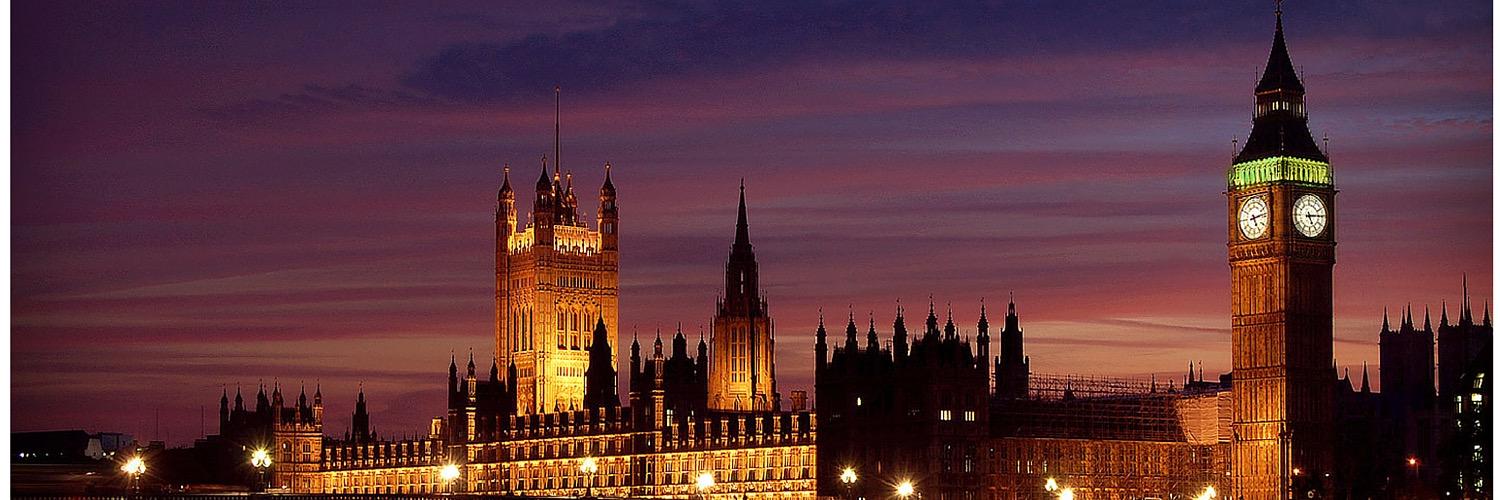
Our report, A Place for People, set out proposals for pedestrianisation, better visitor facilities and spaces for democratic debate. Many remain relevant today; the case for ambition is stronger than ever. 2/2
https://t.co/L4QHMyDCB8
Fantastic if this happens. 15 years ago, @HansardSociety set out ideas to transform the area around Parliament. It should be one of the world’s great civic spaces: welcoming, accessible, alive with education & engagement. But it needs vision and ambition to make it happen. 1/2
1/ The Budget debate resumes this afternoon. Tomorrow, MPs face decisions on 108 motions, but can amend only one.
When and where might votes come, and what happens next?
Our Parliament Matters Bulletin explains - the link is in the next post.
I don't think I've ever heard the chair speak so openly about how they manage the House of Commons chamber as @Nus_Ghani does in our conversation with her for this week's Parliament Matters podcast. 👇
1/3 What’s it like to chair the Commons when everyone wants to speak?
In an exclusive Parliament Matters interview, Deputy Speaker @Nus_Ghani takes us behind the scenes of the Budget debate: how she prepared, what she was thinking and how she managed proceedings. 👇
@DArcyTiP & I had a fascinating conversation with @Nus_Ghani, full of insights into what the Chair has to think about to keep the Budget debate on track and gauge the energy in the Commons chamber.
Looking forward to sharing it tomorrow morning.
👇
What does the Budget debate look like from the Chair?
In an exclusive for our Parliament Matters podcast, Deputy Speaker @Nus_Ghani shares how she prepared, read the Chamber and managed the debate.
🎧Subscribe tonight for tomorrow morning's episode. https://t.co/Pzk51zh1xr