Yes: handwriting still matters.
A new study has confirmed that writing by hand activates far more complex and widespread neural networks in the brain than typing, underscoring its importance for learning and memory.
Researchers at the Norwegian University of Science and Technology used a high-density EEG cap with 256 electrodes to record brain activity in university students. They found that the intricate, sensory-rich movements involved in handwriting, especially cursive, trigger highly synchronized brain waves across extensive areas of the parietal and central regions. These coordinated patterns are strongly linked to memory formation, cognitive processing, and encoding new information.
In contrast, typing, which involves repetitive, simpler finger movements, produced significantly less neural connectivity and engagement. The difference was striking: the brain appears much less active during digital writing.
The researchers conclude that the unique motor and sensory experience of holding a pen plays a key role in brain development and learning. As a result, they argue that handwriting instruction should remain a core part of education to support deeper comprehension and cognitive growth in the next generation.
[ “Handwriting vs. Typing: A High-Density EEG Study on Brain Connectivity During Learning” — Norwegian University of Science and Technology (published in Frontiers in Psychology, 2025)]
🚨Abstract submission now open for the European Workshop on Ecological Psychology, 15-18 July 2025, in Leeds UK 🚨
Abstracts: due Friday 14th March, 2025
Early Registration: by Wednesday 30 April (open shortly)
Please share widely!
https://t.co/kh3x05SC0U
New Preprint! 🧐
We explored the ecological idea of resonance using virtual reality and Mobile Brain/Body Imaging (MOBI). It was challenging both technically and in terms of data analysis, but we are quite happy with the results. Check it out! ⬇️ https://t.co/SbtBTH2Bq7
Mbappé moet onder het mes voor zijn gebroken neus. Of hij daardoor de wedstrijd tegen Nederland mist, is onzeker. Als hij meedoet, speelt hij met een masker en dat kan hem dwarszitten. "Het belemmert zijn zicht", zegt @Ruudvdweel, die onderzoek deed naar gezichtsmaskers. #WNL
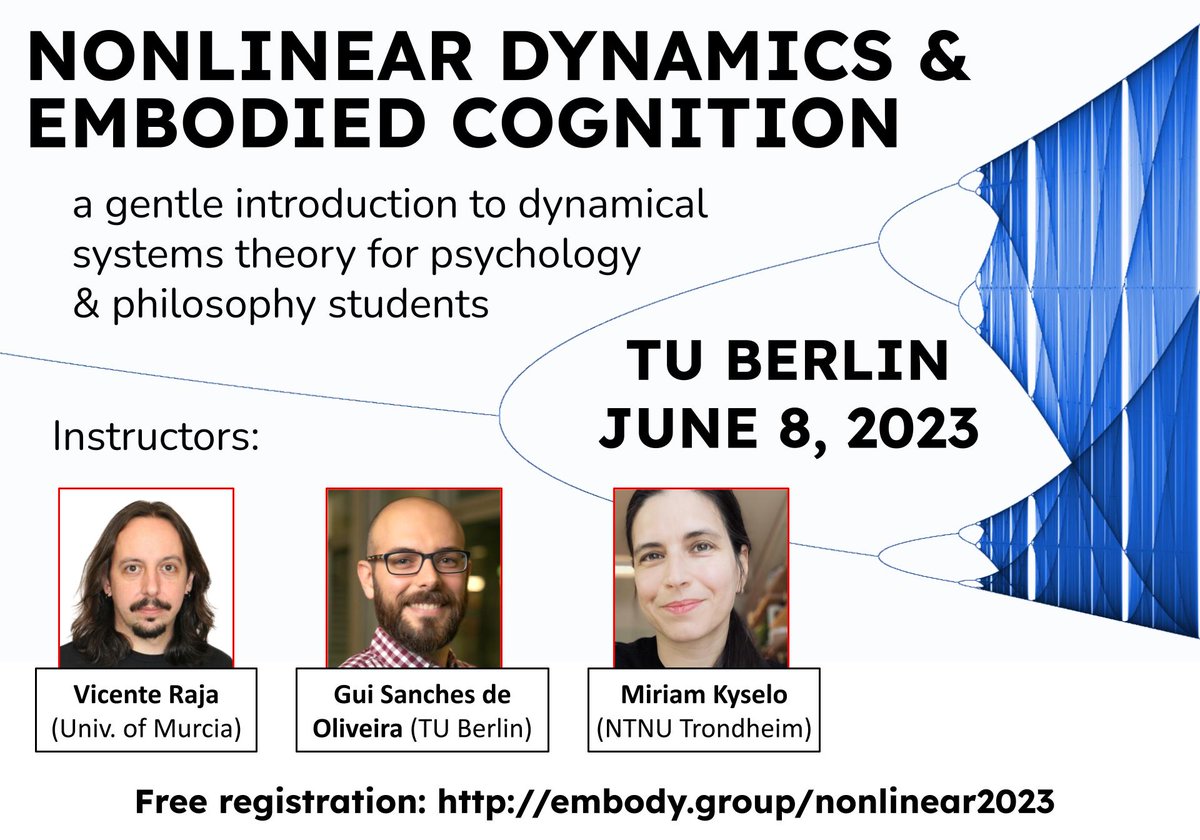
The other one is a gentle introduction to dynamical systems theory for psychology and philosophy students. A Workshop on Nonlinear Dynamics and Embodied Cognition. You can register here: https://t.co/77ZLL7Aqwv
Please share widely! 2/2
🚨TWO CALLS FOR PARTICIPATION🚨
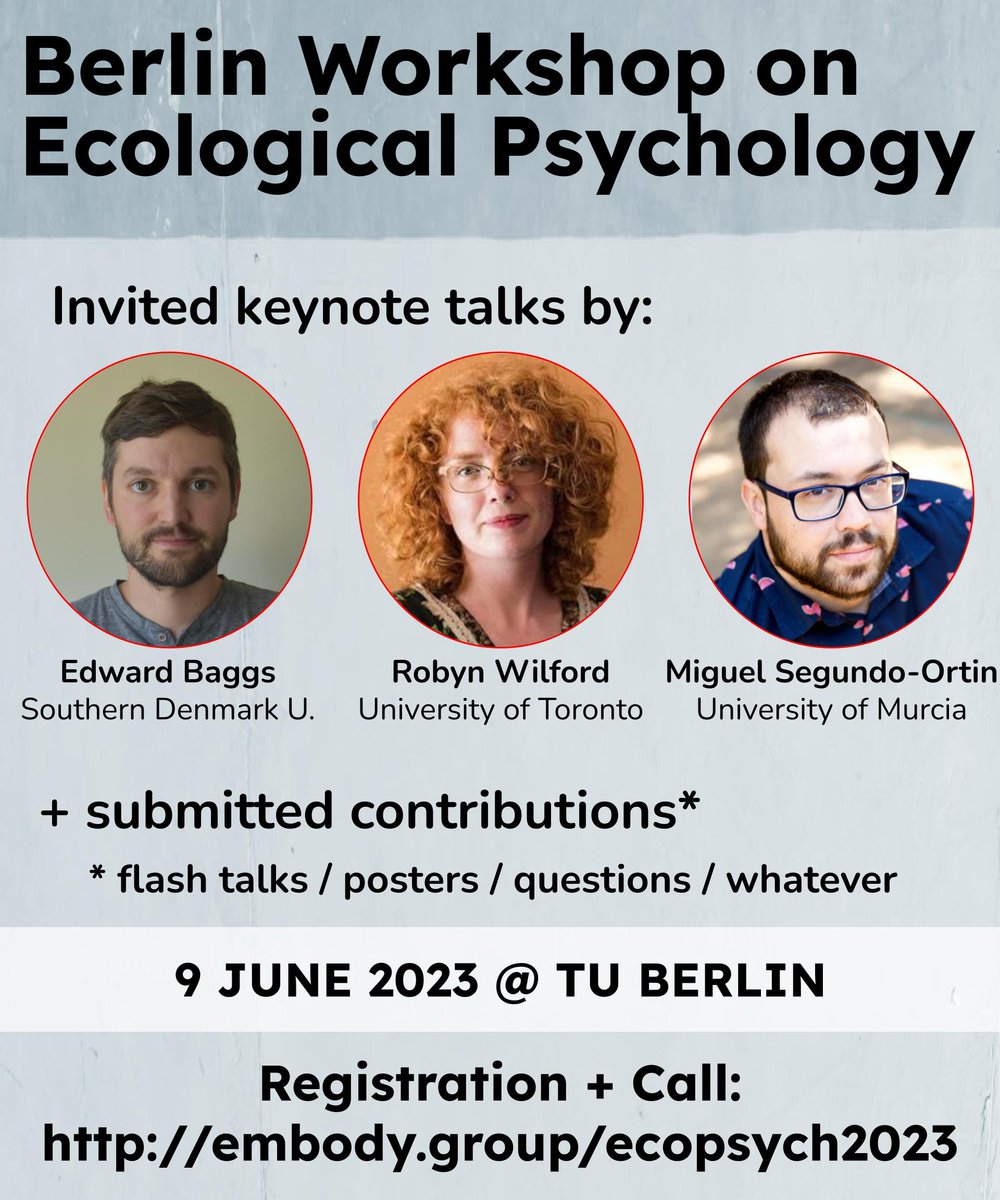
@gui_cogsci and I are organising two workshops at TB Berlin on June 8-9. One is the Berlin Workshop on Ecological Psychology. 3 keynote speakers and we expect a variety of contributions. Check it out and submit yours! https://t.co/1YWJgpAhS5 1/2
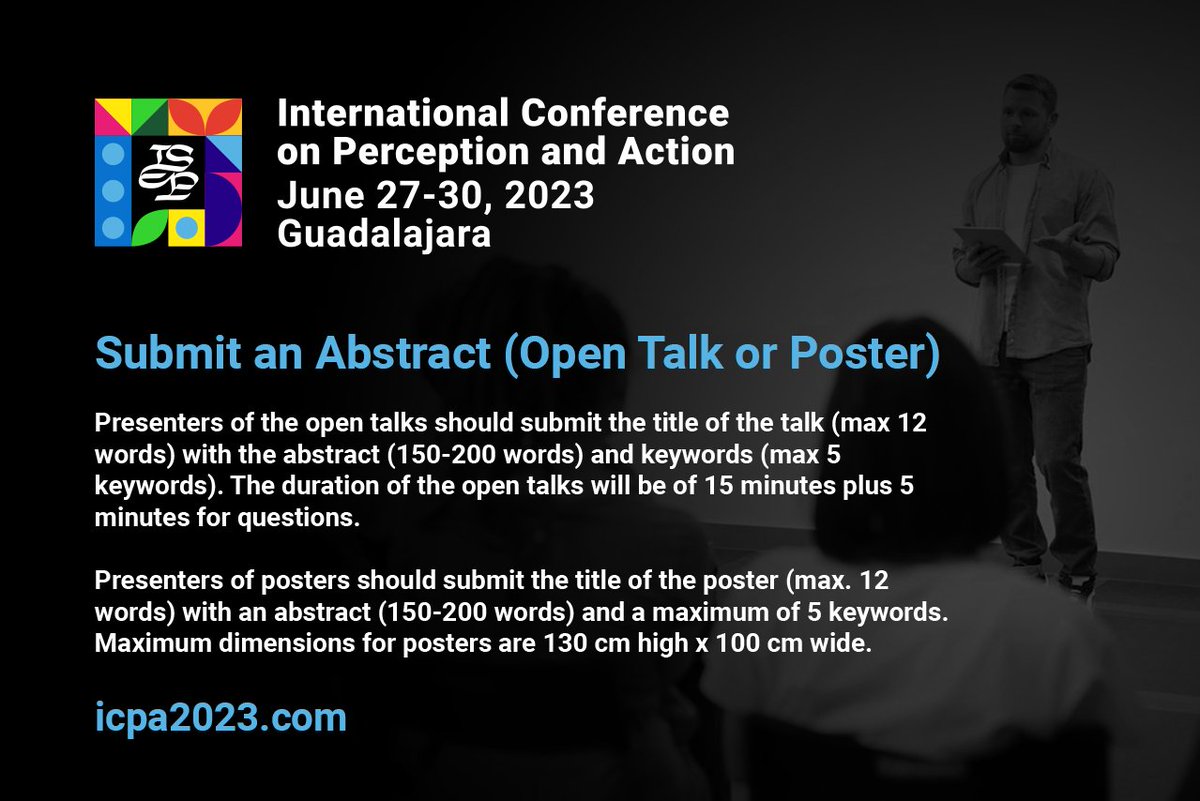
We are proud to announce that the University of #Guadalajara in the city of Guadalajara, México, will host the International Conference on Perception and Action (ICPA) in June 27-30, 2023 ¡Register now! 👉 https://t.co/vDCslYAlDH
#EcologicalPsychology
An elegant relationship between perceptual, behavioral, and brain dynamics in terms of ecological information. The core explanatory aim of ecological resonance. A lot of work to do ahead of us to keep testing the framework, but we are very happy with this keystone. 6/6
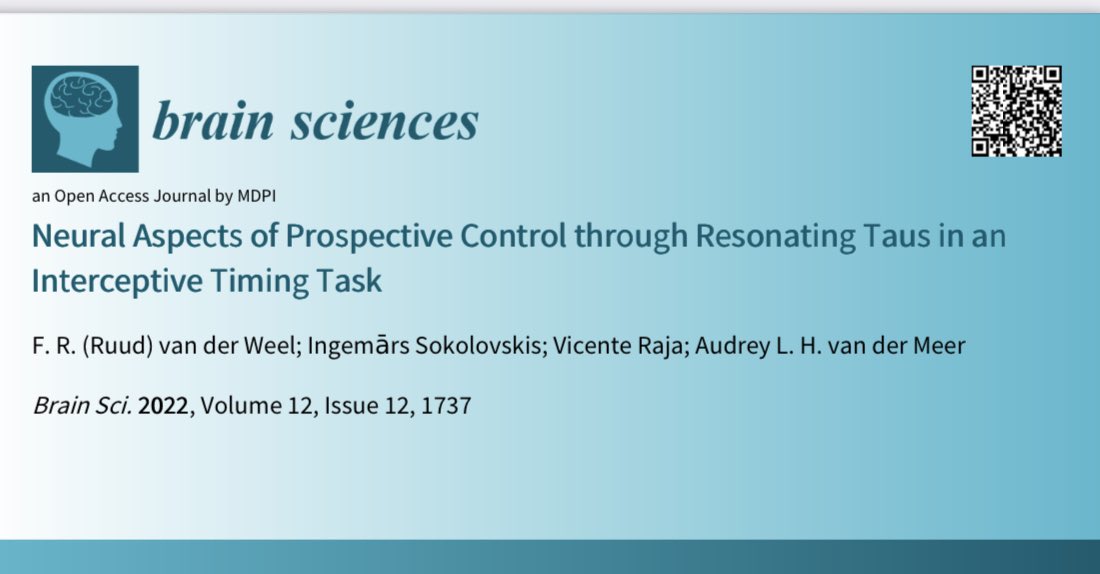
We, @Ruudvdweel, Ingemars Sokolovskis, @DioVicen and @AudreyvdrMeer just published a paper in «Brain Sciences» suggesting an alternative way to investigate how the nervous system is involved in coordinating perception and action in the environment. (2/5)
@NTNUnorway @KISNeuro
New paper! 🥳🍻
This one is very close to my heart: ecological resonance in a interception task. This is a poof of concept of the resonance framework we've developed during the last few years. With @AudreyvdrMeer@Ruudvdweel and I. Sokolovskis. A🧵1/6
https://t.co/H7D7ArHkPq
Exciting breakthrough in baby brain research 👶🧠@NuLab @NTNU @HealthNTNU Functioning online BCI while baby is assessing looms approaching on collision course to facilitate perceptual learning.