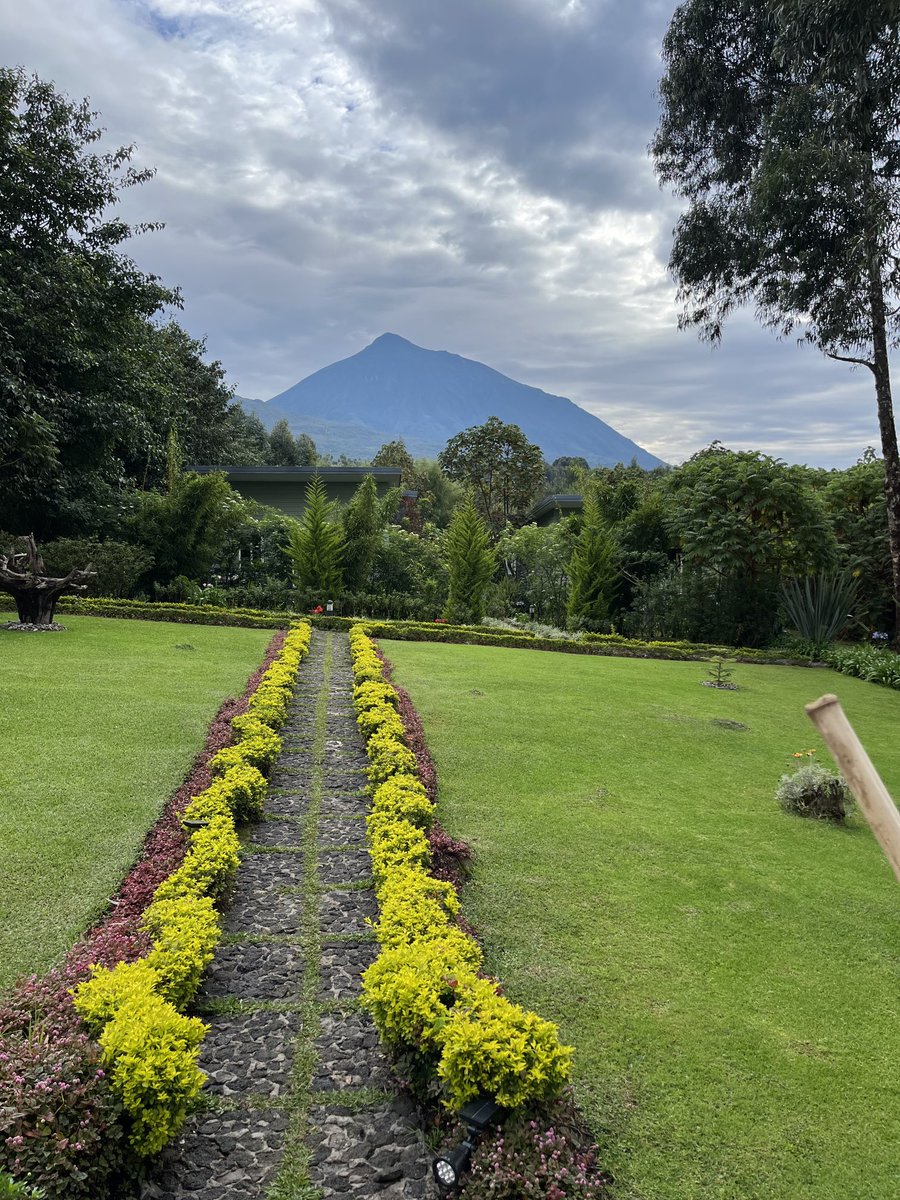
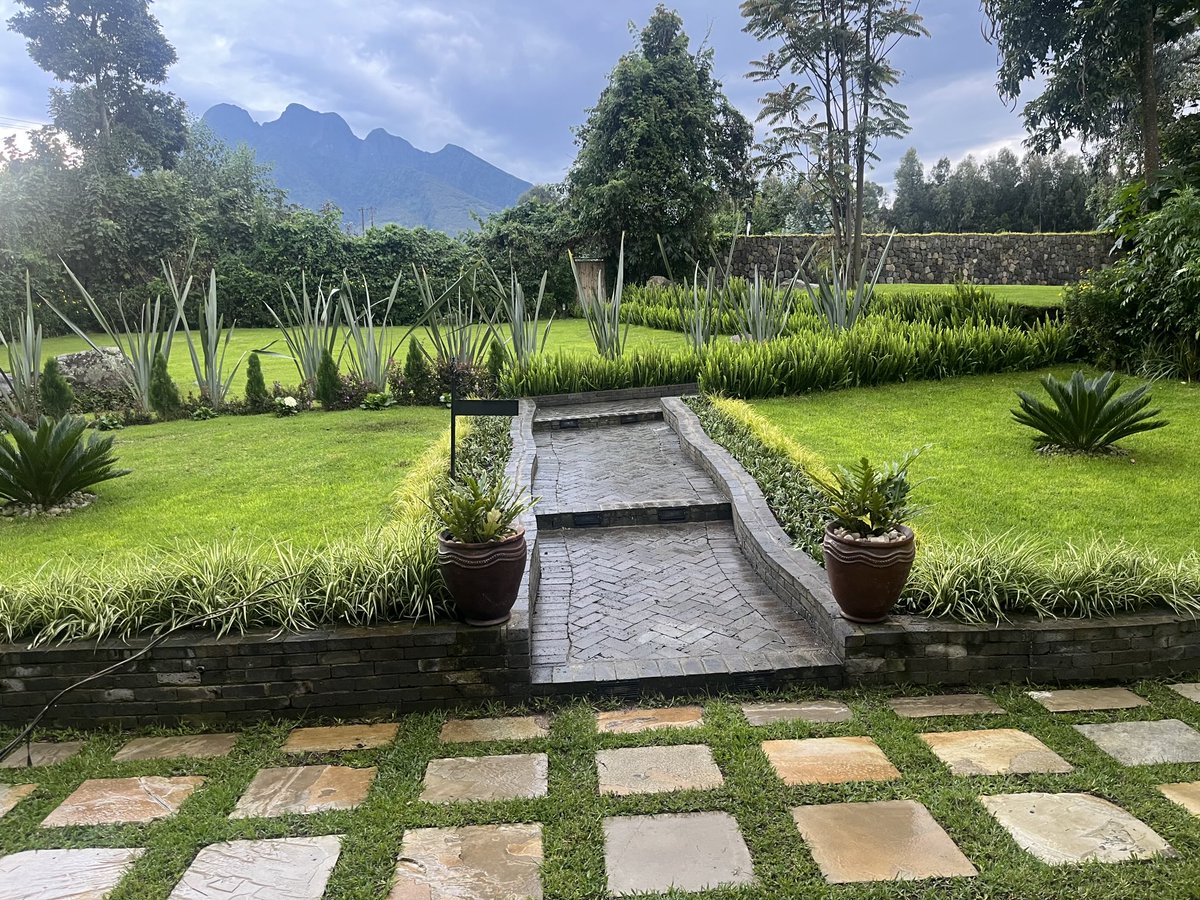
TWIN LAKES, 🇷🇼
VISIT TWIN LAKES
We make your extraordinary moments to be possible, book your trip with us, and you will thank us later!
#TwinLakes@visitrwanda_now | @RwandaisOpen
What if the next agricultural revolution is not driven by tractors or fertilizers… but by Artificial Intelligence?
Across the world, agriculture is changing faster than many people realize.
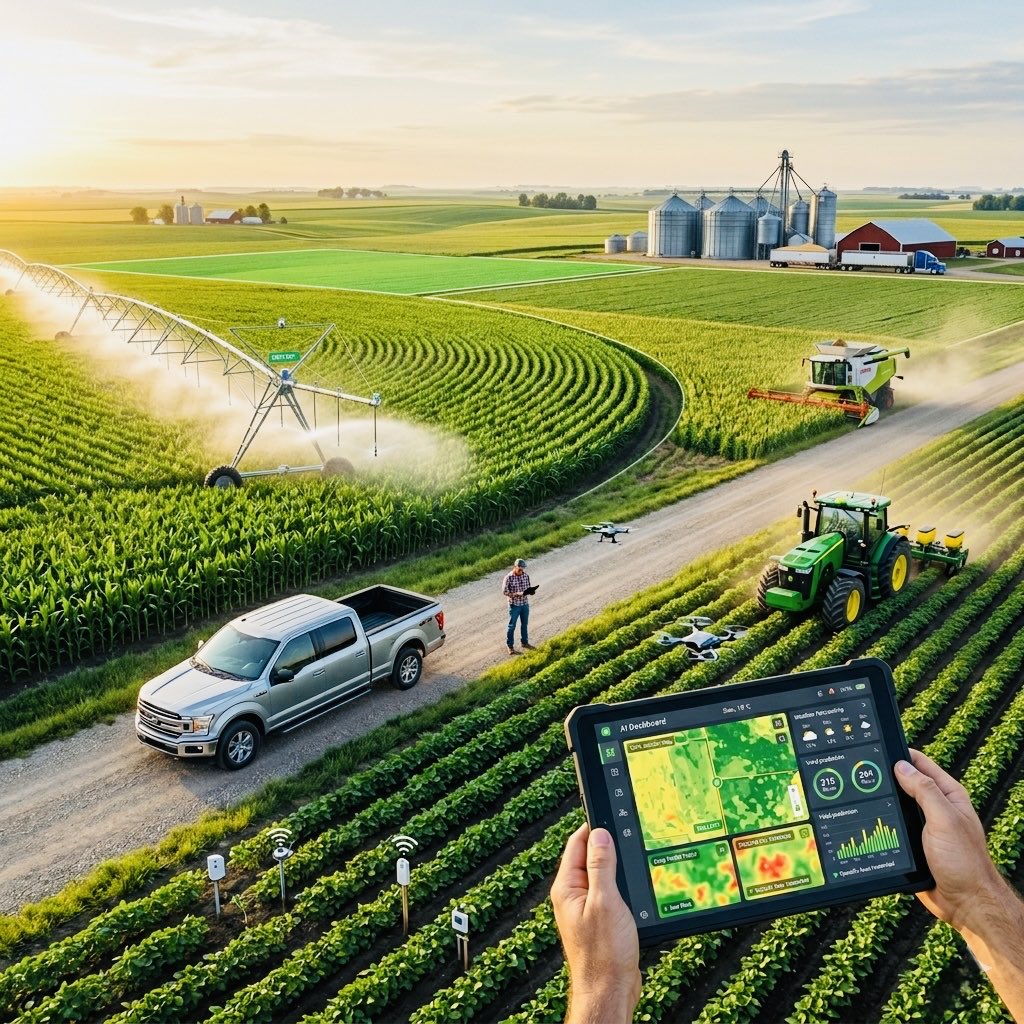
Today, farming is no longer only about hard work in the field. It is also becoming about data, sensors, satellite images, automation, and smarter decision-making.
Artificial Intelligence is slowly transforming how farmers grow crops, manage risks, save water, detect diseases, and access markets.
The future farmer may not only carry tools in the field.
They may also use AI-powered tools on their phone or computer.
Here are 5 AI skills that are becoming very important in modern agriculture:
✅ 1. Remote Sensing and Satellite Data Analysis
AI can analyze satellite images to monitor crop health, vegetation growth, drought stress, and soil conditions.
This is helping farmers make better decisions before problems become serious.
✅ 2. AI-Based Crop Disease Detection
Using computer vision, AI can identify crop diseases and pests from simple leaf images.
Early detection helps farmers reduce losses and improve crop quality.
✅ 3. Predictive Analytics
AI systems can predict yield, weather patterns, rainfall, and even market risks using historical and real-time data.
This supports better planning and smarter farming decisions.
✅ 4. Smart Irrigation and IoT Automation
Sensors connected with AI can determine when crops need water and how much is required.
This improves efficiency while conserving water resources.
✅ 5. AI-Powered Market Intelligence
AI can help farmers and agribusinesses understand price trends, market demand, storage needs, and logistics planning.
This can reduce post-harvest losses and improve profitability.
The interesting thing is that AI is not replacing farmers.
Instead, it is becoming a support system that helps farmers make faster, smarter, and more informed decisions.
The agriculture sector will continue to need people who understand both farming and technology.
And honestly, the people learning these skills today may become the leaders of tomorrow’s food systems.
Which AI skill do you think will have the biggest impact on agriculture in the next 10 years?
Rwanda continues to lead with quiet strength.
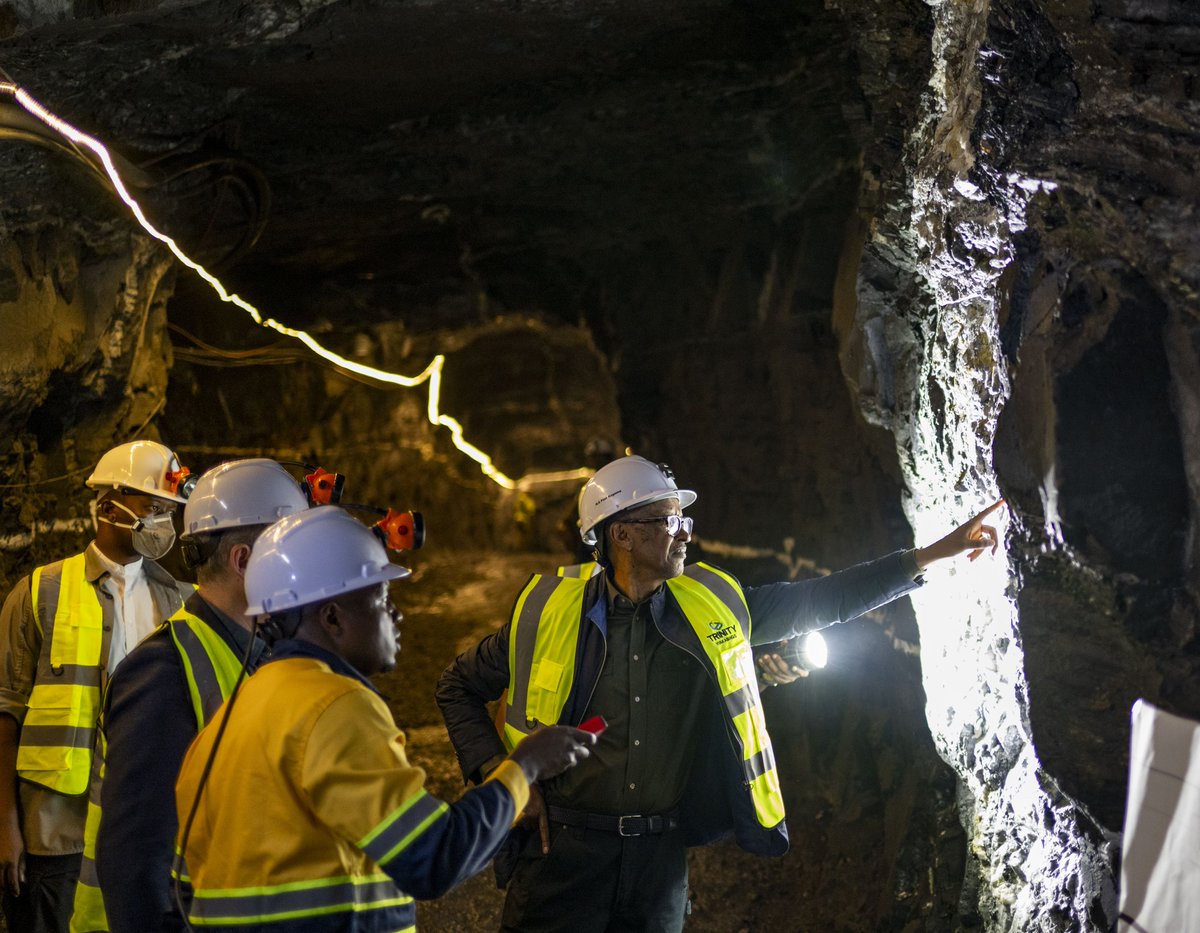
Nyakabingo Mine, the world’s 4th-largest tungsten producer and one of the country’s largest private-sector employers, has now achieved a historic milestone:
It becomes the first African mining company to receive technical assistance funding from the U.S. International Development Finance Corporation.
A powerful signal of global confidence in Rwanda’s mining standards, transparency, and long-term potential.
@PaulKagame@miaamormottley Congratulations, Prime Minister @miaamormottley! Wishing you continued success, grateful for the strong friendship between Barbados and Rwanda.
🇧🇧🤝🇷🇼
Warm congratulations to my sister, Prime Minister @miaamormottley, on her well-deserved re-election.
Rwanda values the strong friendship between our two countries, grounded in shared principles of self-determination, resilience, and commitment to delivering prosperity and dignity for our people. We look forward to further deepening our cooperation in the years ahead.
I wish you and the people of Barbados continued success and progress.
"I am so happy to be here with you today in Kigali in this beautiful, beautiful stadium. Congratulations president (Kagame) and Rwanda......We are going to play the FIFA Series in March here."
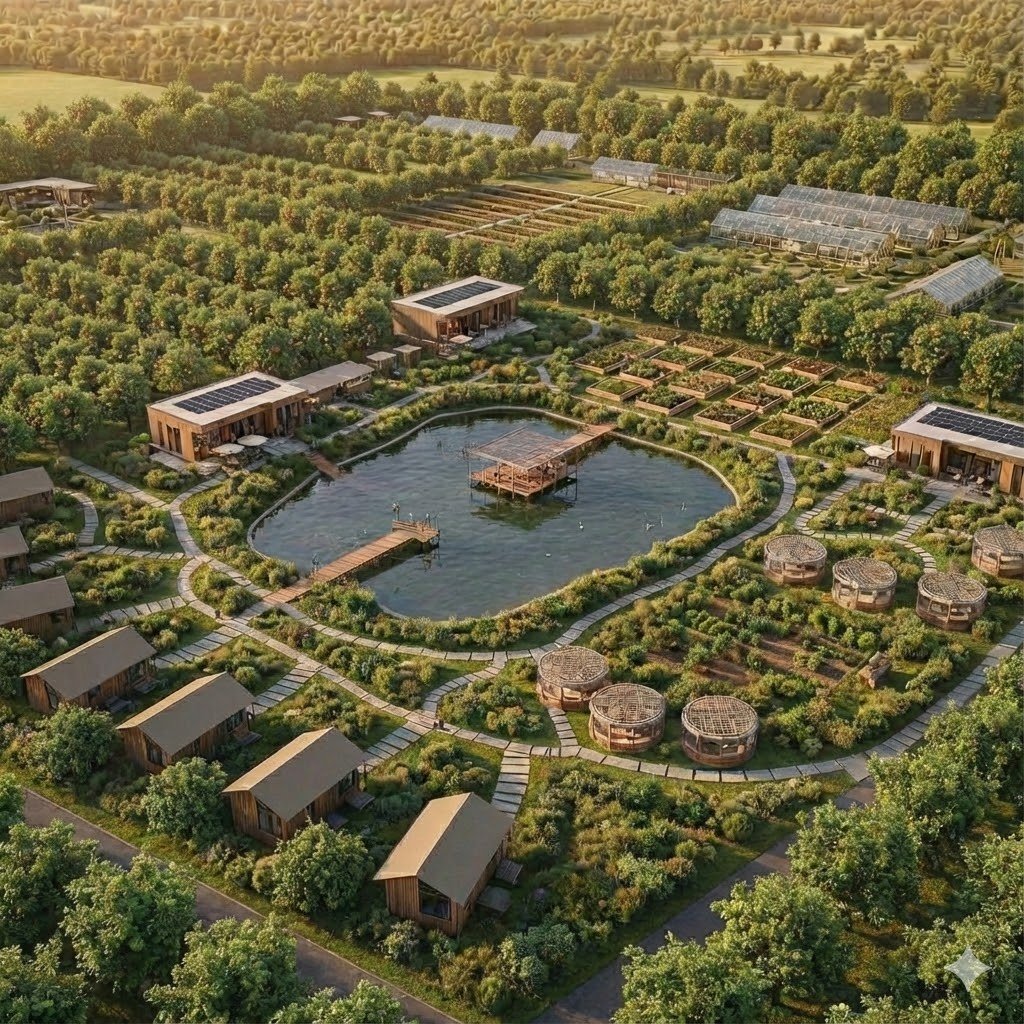
Agro-tourism is a sustainable form of income because it helps farmers earn more without harming the environment.
It allows people to experience farming, culture, and nature in a way that strengthens rural economies.
#DRC: Thank you girl for this rebuttal. The institutionalized idea that ‘There is no such thing as a Congolese Tutsi’ is exactly why M23 is fighting and they’ll keep fighting until Kinshasa finally sobers up.