I get many questions from multifamily investors regarding the shift in commuting patterns due to the increased number of remote workers since COVID-19.
Many remote workers seek larger apartments with space for home offices, shifting demand toward properties with work-friendly layouts and amenities like co-working spaces and high-speed internet.
This trend has also driven interest in suburban and secondary markets, as more workers relocate from urban centers for affordability and space.
To stay competitive, developers are incorporating flexible leasing options, enhanced technology, and amenities that blend work-life balance, such as fitness centers and outdoor spaces.
For investors, this shift offers opportunities in previously overlooked markets and the potential for higher tenant retention, as properties catering to remote work needs tend to attract and retain long-term residents.
What is your take on remote working? Do you like it? or do you prefer going into the office?
#remotework #demographics #multifamily #development #paradigmshift
Where does the NEXT big housing opportunity lie?
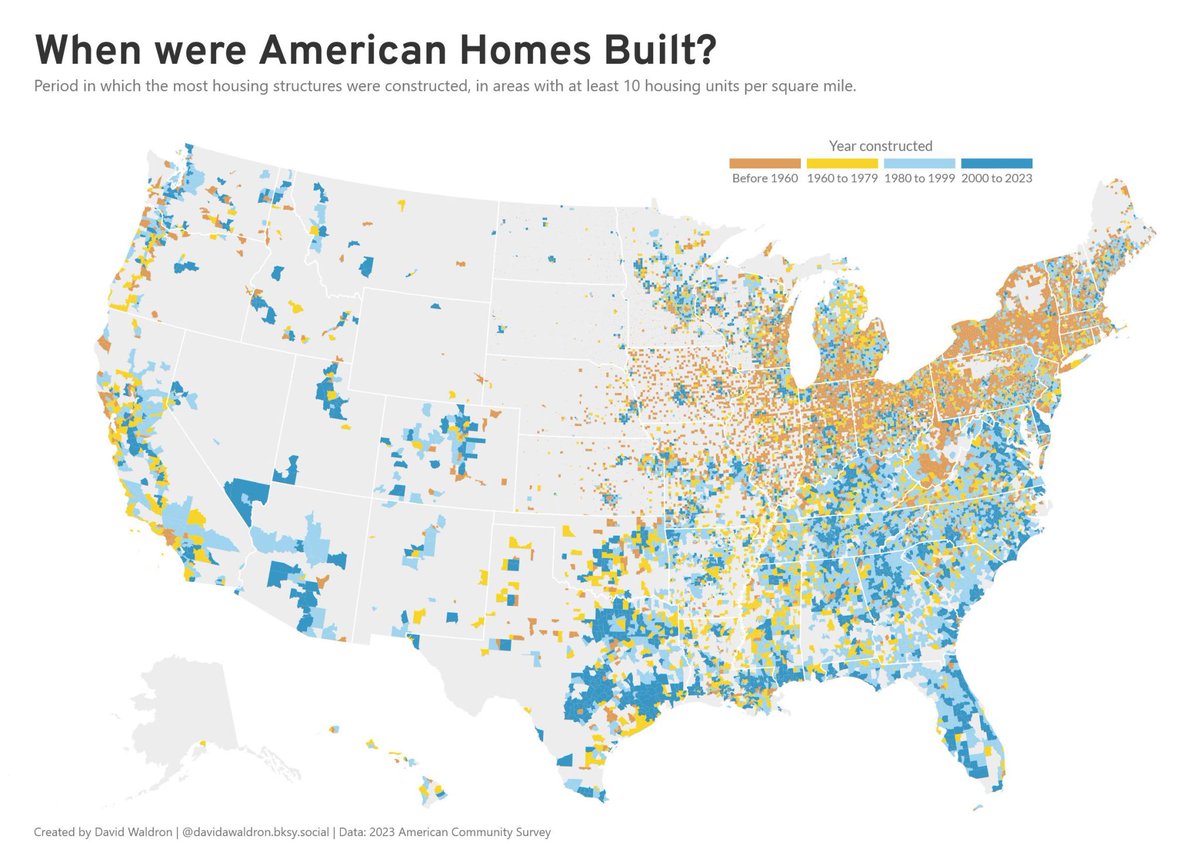
This map shows when American homes were built.
This is something every multifamily/ residential developer and investor must analyze.
🟡 Older housing stock (Northeast, Midwest) = ripe for value-add renovations and redevelopment.
🔵 Newer builds (South, West) = reflect growth markets and strong demand for new construction.
Understanding these patterns helps investors and developers pinpoint:
✅ Underserved markets ready for growth
✅ Aging housing stock needing upgrades
✅ Migration hotspots for new development
Where are you looking to build or invest?
#RealEstateInvesting #MultifamilyDevelopment #ResidentialInvesting #MarketTrends #HousingOpportunities #realestateanalytics
Owning a home is becoming a dream, but renting is the reality.
Over the past three years, the housing market has experienced a dramatic shift in affordability.
Comparing 2020 to 2023, it's now significantly cheaper to rent than to buy in most parts of the U.S., particularly in the West and Mountain States, where buying costs outpace renting by 2x or more in many areas.
What does this mean for multifamily investors?
1️⃣ Increased Demand for Rentals: With homeownership becoming less attainable, the rental market is poised for growth, especially in regions where affordability gaps are largest.
2️⃣ Opportunities in Supply-Restricted Areas: Markets like the Mountain West and parts of the Pacific Northwest show high rental cost advantages. Expanding multifamily developments in these regions could capture rising demand.
3️⃣ Affordability Crisis: This trend underscores the growing affordability crisis in the U.S. Investors and developers may face heightened pressure to provide more affordable rental options while balancing costs.
As renting becomes the dominant choice for many, multifamily investors have a unique opportunity to meet the needs of a shifting housing landscape.
#RealEstate #MultifamilyHousing #RentVsBuy #HousingAffordability #InvestmentTrends
The U.S. wealth game is shifting:
🔹 Baby Boomers still control 51.8% of household wealth but are transitioning into retirement.
🔹 Gen X (25.7%) now holds significant wealth, with peak earning years driving demand for upscale rentals and investments.
🔹 Millennials (9.2%) are rising fast, prioritizing affordable housing, flexibility, and urban living.
For multifamily developers and investors, understanding who holds wealth and how they spend it is critical. Tailor your strategies to meet generational needs:
✅ Boomers: Downsizing and lifestyle-driven rentals.
✅ Gen X: Higher-end multifamily opportunities.
✅ Millennials: Value-driven and flexible housing options.
Who’s your next tenant?
#Multifamily #RealEstateInvesting #GenerationalWealth #MarketTrends
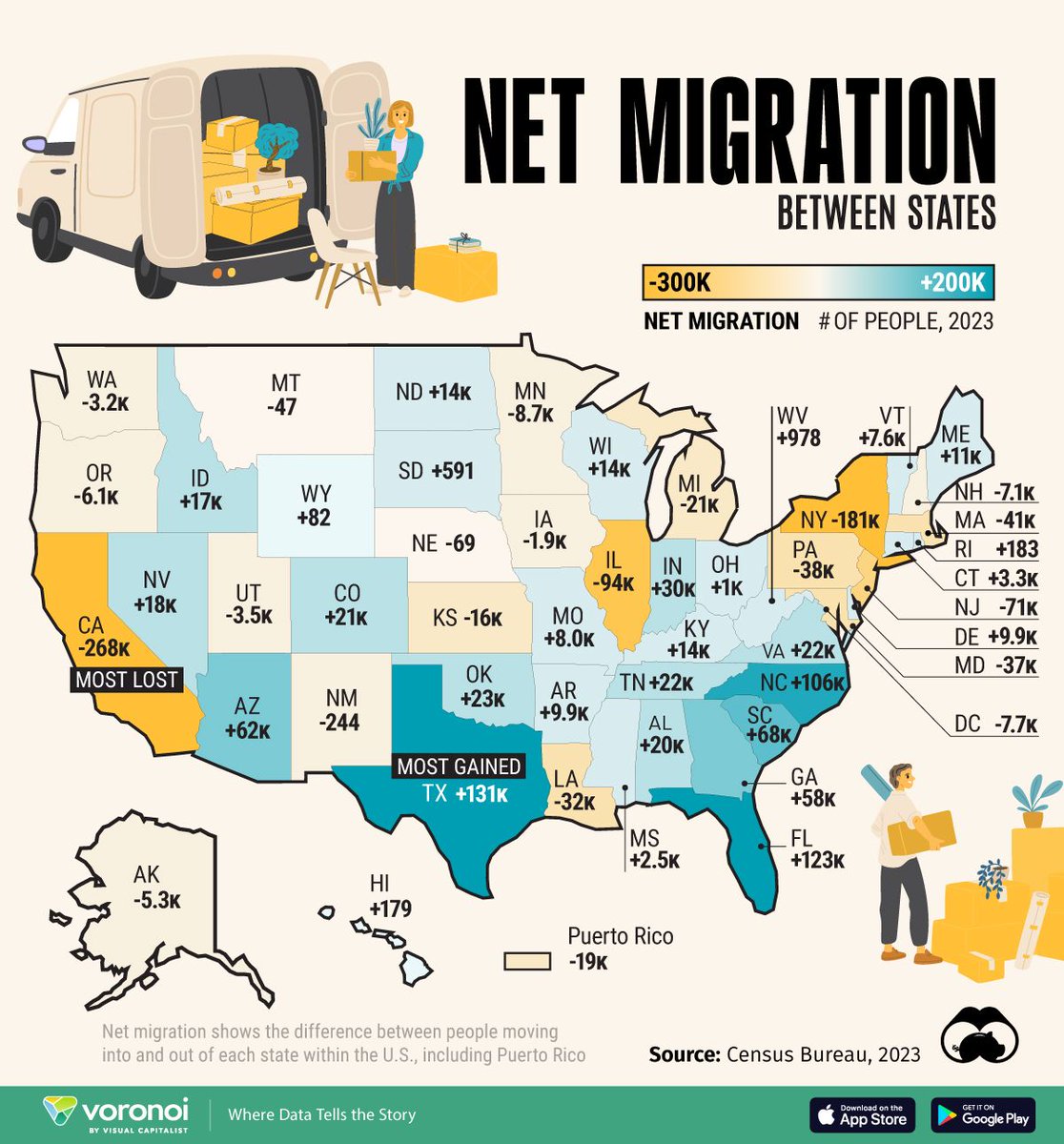
The Great Migration Continues: Where Are Americans Moving? 🚚🌎
The 2023 net migration map reveals a continued population shift toward the South and West, with Texas (+131k) and Florida (+123k) being the most popular destinations.
States like California (-268k) and New York (-181k) saw the biggest losses, highlighting affordability, job opportunities, and lifestyle as key drivers of migration.
📍 Why It Matters:
Booming states are seeing increased housing demand, driving multifamily and single-family rental opportunities.
However, we should also consider new residential housing supplies. Understanding the balance dynamics between supply and demand is critical.
What’s Next?
Will these trends accelerate in 2025, or will economic shifts and policies reshape migration patterns?
Where do you think the next population boom will take root?
#MigrationTrends #RealEstateInvesting #PopulationShift #HousingDemand
🚀 Did you know that commute times can make or break a multifamily investment strategy? 🏙️
The map below reveals fascinating insights into the average commute times across U.S. counties, sourced from the U.S. Census.
But why should this matter to developers and investors in multifamily real estate?
1. Tenant Preferences: Proximity to workplaces is often a top priority for renters. Areas with shorter commutes can attract tenants seeking convenience, while regions with longer commutes may demand added amenities to compensate for travel stress.
2. Market Positioning: Understanding local commute trends helps identify high-demand areas. Investing in properties near transit hubs or within shorter commuting zones can enhance marketability and rental premiums.
3. Urban Planning & Infrastructure: Data like this informs strategies for aligning property development with local infrastructure and transit upgrades, creating value for both residents and investors.
For savvy developers and investors, commute data isn’t just about distance; it’s about lifestyle, productivity, and tenant satisfaction. 📊🚶♂️
How does commute time impact your investment decisions?
#RealEstateInvesting #Multifamily #PropTech #UrbanPlanning #Commute
💸 Property taxes could be a game changer your multifamily investment.
This map shows how property taxes vary widely across the U.S., from as low as $199 to over $10,000 annually.
For multifamily investors, these differences are more than just numbers.
They’re opportunities and challenges waiting to be navigated.
Here’s why property taxes and assessments are critical:
Major Operating Expense: Property taxes are one of the largest costs for multifamily properties. High-tax areas (like the Northeast 🏙️) can eat into profits, while low-tax areas (common in the South 🌾) may improve cash flow but might not guarantee growth.
Impact of Reassessments: Some jurisdictions reassess properties frequently, which can lead to significant tax hikes 📈 after a sale or renovation. Others use outdated assessments, potentially allowing you to optimize costs.
Cap Rate Compression: Higher taxes often mean lower cap rates, which can impact the valuation of multifamily deals and your ability to generate strong returns.
Understanding property tax rates and assessments isn’t just due diligence.
It’s a competitive edge for savvy investors looking to maximize ROI.
So, how are you mitigating the risks coming from taxes & reassessments?
#Multifamily #Realestatetaxes #RealEstateTips #RealEstateInvesting
Homeownership trends reveal where renters thrive. Are you targeting the right markets? 🏡➡️🏢
With the U.S. homeownership rate at 65.6%, local variations paint a clear picture for multifamily investors.
States like California (55.5%) and New York (54.3%) are rental goldmines, while higher ownership states like Wyoming (74.1%) demand a tailored approach.
📍 Why It’s Critical:
High Renters = High Demand: Low homeownership rates mean strong rental markets and consistent occupancy.
Targeted Strategies: Adapt to areas with higher ownership by focusing on affordable or transitional rental offerings.
Market Insights: Homeownership rates reflect economic conditions, affordability, and mobility—all critical for investment decisions.
Are you aligning your strategy with local homeownership trends?
#RealEstateInvesting #MultifamilyHousing #MarketTrends #HomeownershipRates #RentalDemand
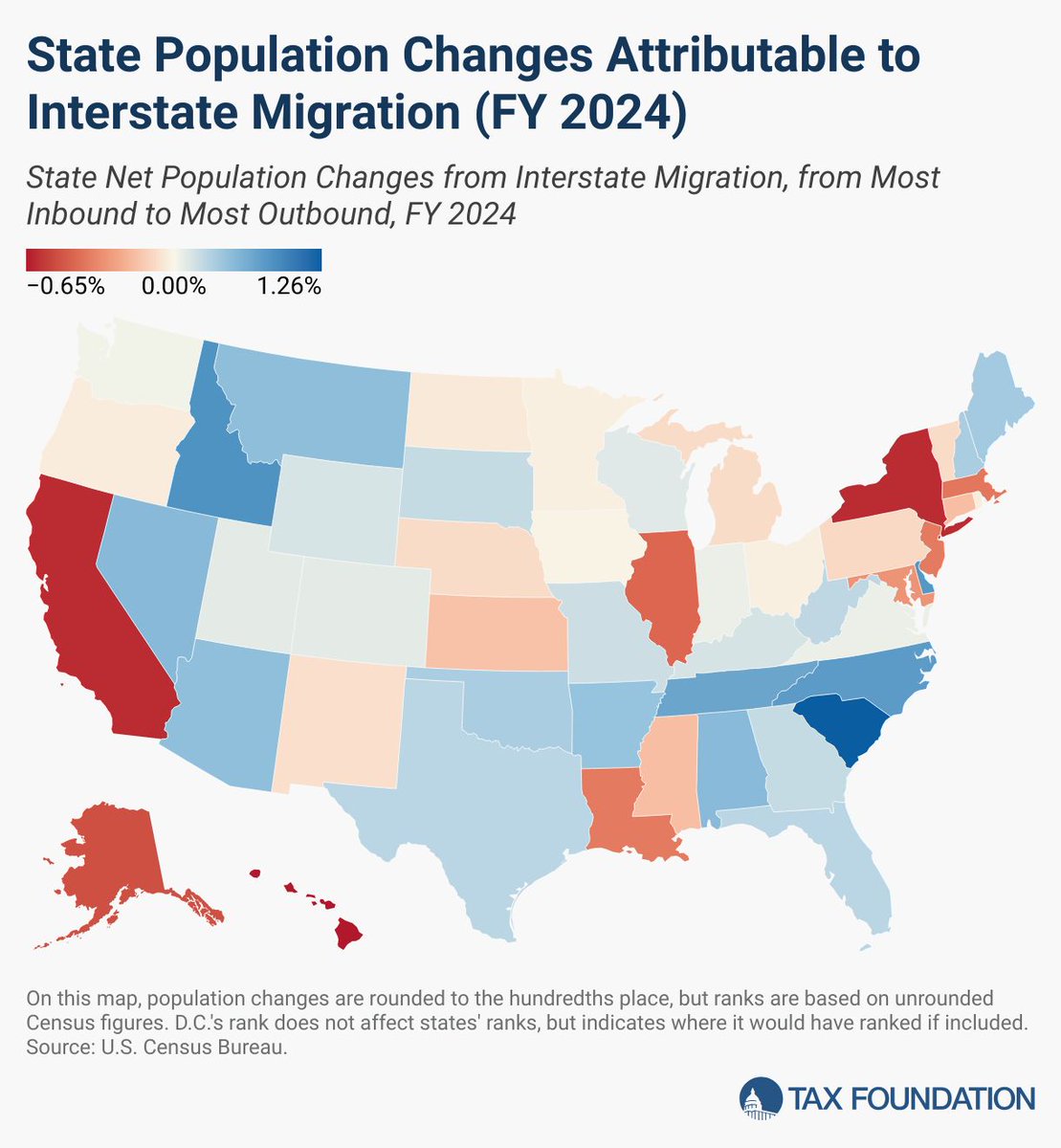
The U.S. map is shifting due to interstate migration.
South Carolina leads the nation with a 1.26% population boost attributable to net inbound domestic migration. It is followed closely by Idaho, Delaware, North Carolina, and Tennessee.
These states are attracting residents seeking better opportunities, affordability, and quality of life.
Meanwhile, Hawaii, New York, and California top the list for outbound migration, with residents leaving at rates up to 0.65%.
Alaska and Illinois follow closely behind.
For multifamily investors, these shifts aren’t just numbers; they’re opportunities.
States with inbound migration present booming rental demand, while outbound migration hubs might signal a need to adapt your strategy.
💡 Hot Tip: Target markets with steady population growth, and limited supplies, and explore secondary/tertiary cities within these states for hidden gems.
Where will you focus your investments in 2024?
#MultifamilyInvesting #RealEstateInvesting #InterstateMigration #PopulationGrowth #MarketTrends
Single-family rental returns are on the rise, with counties across the Southeast and Midwest leading the charge.
Top-performing areas are boasting gross rental yields of up to 14.6%, making these regions prime targets for savvy investors.
📍 Key Insight: High returns align with affordability and rent-to-wage ratios, creating lucrative opportunities in under-saturated markets.
Investor Tip:
Focus on counties with strong yields and wage-to-rent growth to maximize ROI in the single-family rental market.
Are you tapping into these high-return markets?
#RealEstate #SingleFamilyRentals #RentalReturns #InvestmentStrategy #HousingMarketTrends
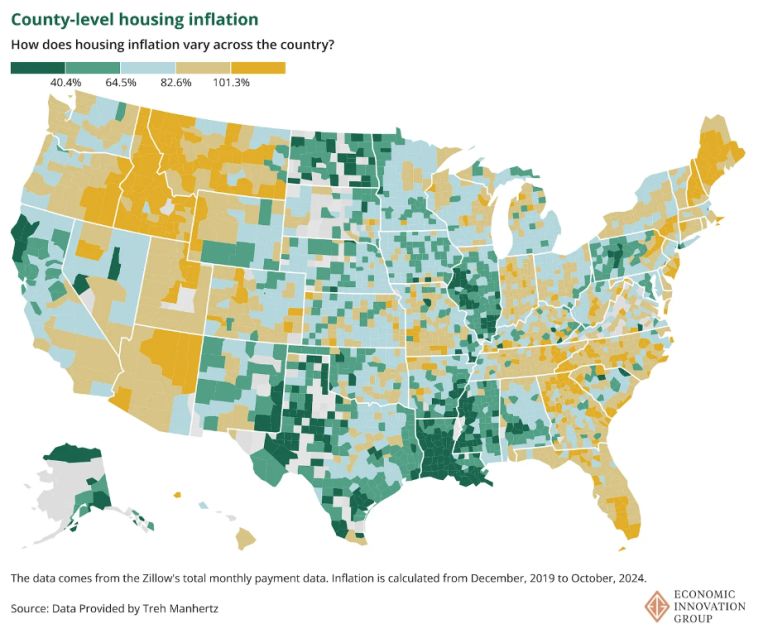
Housing costs are exploding. What does this mean to Multifamily investors?
Over the past five years, housing inflation has surged across the U.S., with many counties experiencing price increases upwards of 101.3%.
This highlights new opportunities and challenges for multifamily investors.
🌟 The Sunbelt and Mountain States are experiencing some of the highest inflation rates, signaling growing demand and limited housing supply. These areas are ripe for new multifamily developments to meet the housing shortage.
🌟 The Midwest and parts of the South are showing slower inflation, making these regions attractive for value-driven renters. Multifamily investments here can cater to affordability-conscious populations.
🌟 The Coastal Markets: Despite historically high prices, moderate inflation in certain counties could signal stabilization, offering opportunities for strategic repositioning.
Investor Takeaway
Rising housing costs drive more people toward renting, increasing multifamily demand.
Developers and operators must prioritize affordable rental solutions in high-inflation markets while maintaining strong margins.
Location-specific strategies are crucial: high-growth markets demand aggressive expansion, while slower markets offer stable long-term returns.
How will your multifamily strategy evolve in this inflationary housing market?
#HousingInflation #RealEstateInvesting #MultifamilyInvesting #EconomicTrends #realestateanalytics #HousingCrisis
America’s least affordable cities stretch household budgets to the limit, with San Jose, NYC, and Boston leading the charge.
High household spending in these markets reflects the steep cost of living, persistent housing shortages, and intense demand.
Cities like San Jose and San Francisco, where monthly spending exceeds $3,500, showcase the dire need for more attainable rental options.
Addressing this affordability gap can allow multifamily investors to capitalize on strong, steady demand while contributing to housing solutions.
Interestingly, emerging cities like Austin, Denver, and Charlotte are also creeping up the affordability ranks.
These emerging markets balance population growth with affordability challenges, presenting a ripe environment for both yield and long-term appreciation.
#Affordability #Housing #Multifamily #RentalMarket #AffordableHousing