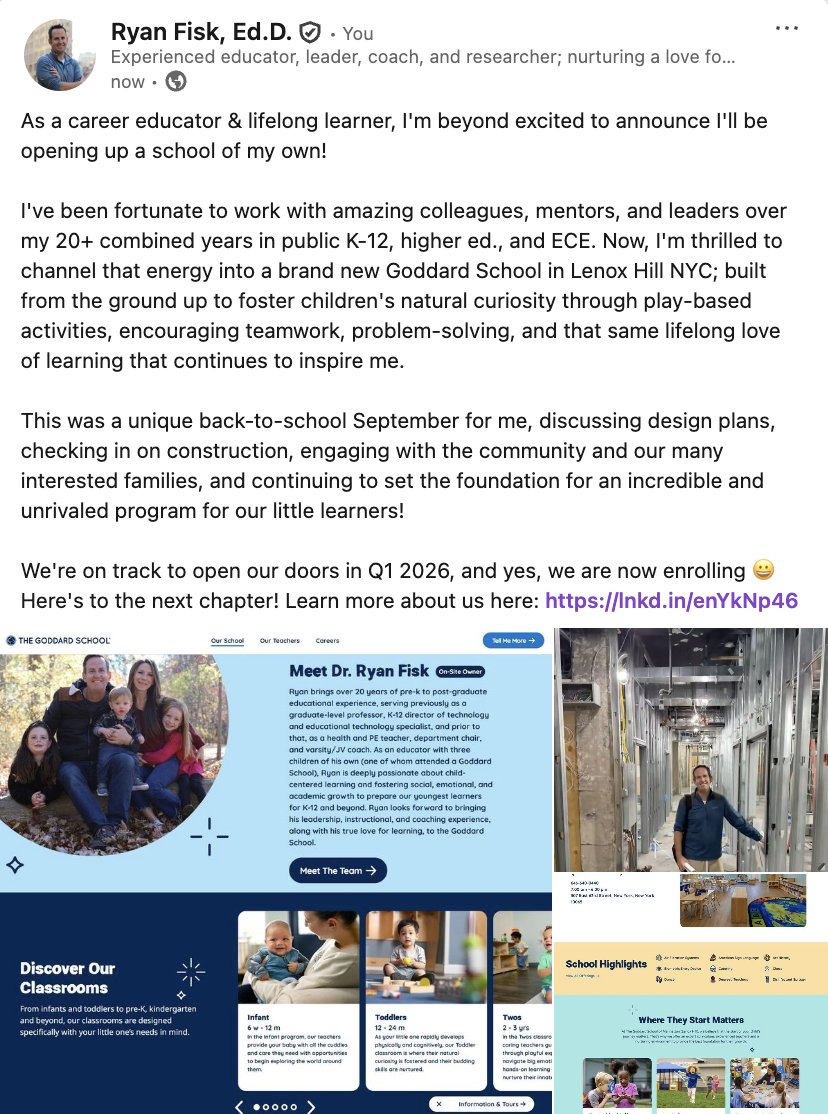
As a career educator & lifelong learner, fortunate to work with amazing colleagues, mentors, and leaders over my 20+ combined years in education, I'm beyond thrilled to announce I'll be opening up a brand new school of my own! Full post attached :) https://t.co/byVa88OMKs
Are you going? ONLY a few days to go!!!!Join us on May 29 with Andrew Marotta!
LONG ISLAND EDUCATORS: Leadership Summit
https://t.co/ztnV4NKS0O
Register: https://t.co/Xu8grAbzKI
#LIELS#LIE
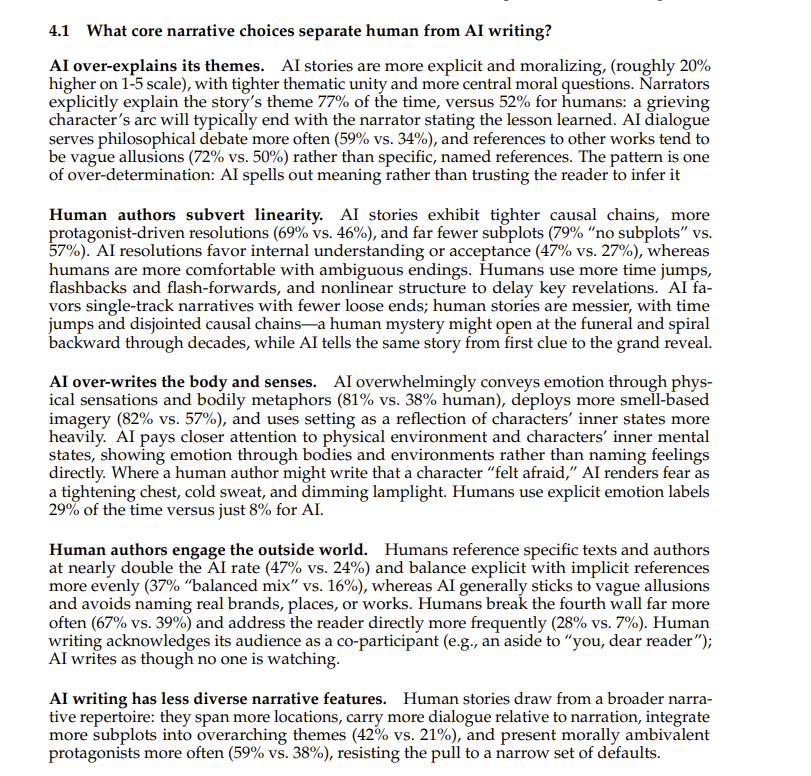
There is a lot being written about the stylistic tells of AI writing (em-dashes, etc.) but this paper looks at AI narrative tells
Fascinating differences between AI & human narrative, and asking AI to write in different styles doesn't do much to change it https://t.co/azkRHz34NQ
The cure for ignorance is not information. It's humility and curiosity.
Facts can be easily dismissed. What motivates people to gain insight is recognizing gaps in their understanding and wanting to find out more.
The root of lifelong learning is knowing how little we know.
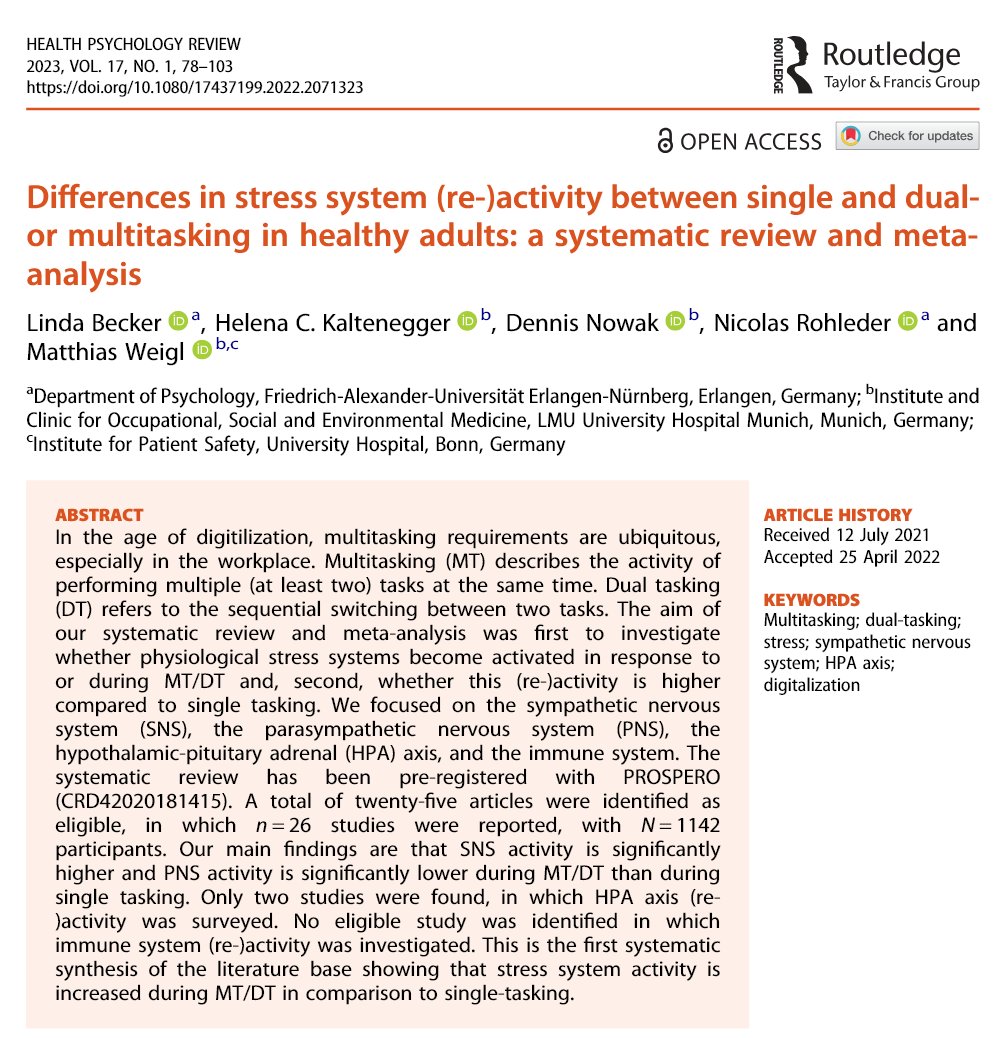
Multitasking isn't just unproductive—it's stressful too.
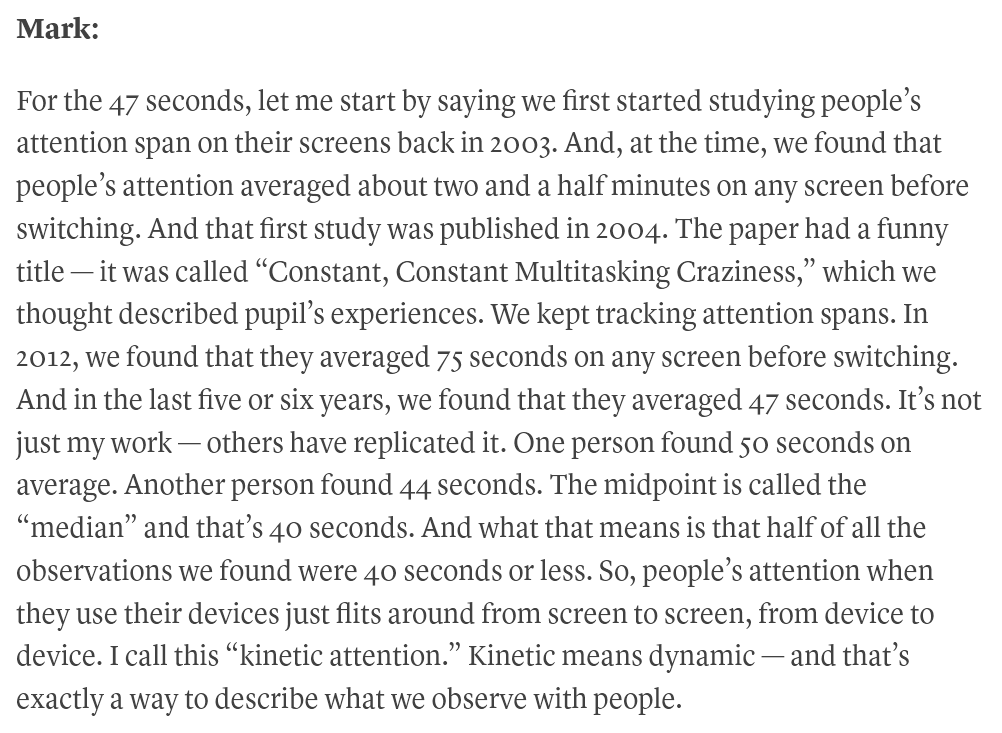
Average attention on a screen has fallen from 2.5min in 2004 to 75sec in 2012 to 47sec today. Rapid switching puts our nervous systems on alert.
The best way to keep calm and carry on is to focus on one thing at a time.
#Applause for @jlubinsky, @Mville_U doctoral candidate, on successful defense of his dissertation proposal, #EdResearch on leading change thru micro-credential adoption. #EdTech FMI, https://t.co/gTOZKi4ZUo
Family, friends, colleagues -- the village that sees you through to the finish line! Congratulations Dr. Alexandra LaFontaine-Casabona on successful defense of @Mville_U dissertation! FMI about her #EdResearch, https://t.co/eIEmdCysxs
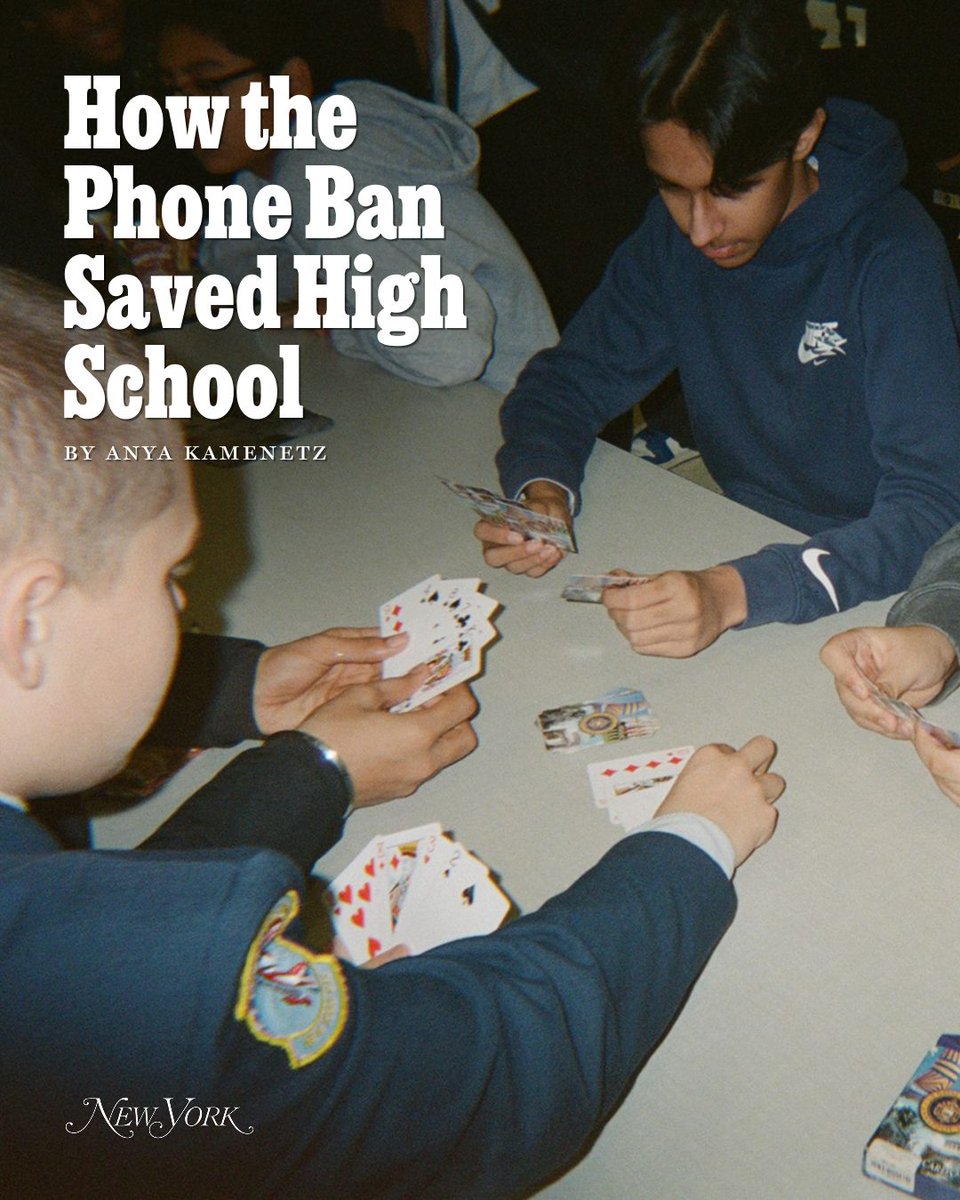
When New York State banned phones in public schools from bell to bell this past September, the goal was undistracted learning. But within weeks of the Great Phone Lockup, teachers began to notice an incidental (and arguably even more compelling) benefit: The teens were talking to one another as if they were in a Brat Pack movie. Sure, there’s been grumbling and some burner phones and scrolling in the bathroom. But generally, with phones off-limits, the atmosphere feels different. There’s a pleasant buzz in the lunchroom, chatter in the hallways, and an alphabet of new analog hobbies popping up just about everywhere. “We’ve had a lot more school spirit,” said one senior at a charter school in Harlem. “People are more willing to do stuff.”
What stuff are they doing? At many schools, teachers have made cards, board games, and sports equipment available during free time, and the kids have deigned to use them. Aidan Amin, a ninth-grader at Hunter College High School, is in a friend group that congregates in the school foyer to stack ‘OK Play’ tiles and compete at ‘Sorry!’ and other tabletop games during lunch. “I’d say it’s made us closer. Honestly, half the people I’m playing board games with I didn’t know at all before this,” Aidan says.
Read more about how the state’s device ban has shifted the atmosphere in New York public schools: https://t.co/NMOJzQT2nS
We have to stop preparing students for a world that no longer exists
and start preparing them for the one they’re actually walking into.
Technology and AI are advancing so quickly that much of what we currently label as “standard” will soon be automated, outsourced, or irrelevant.
Which raises an uncomfortable question:
What exactly are we standardizing students for?
When information is instant…
when answers can be generated in seconds…
when routine tasks are handled by machines…
memorization and test performance alone start to lose their power as end goals.
That doesn’t mean memorization is obsolete.
It’s not.
It’s foundational.
But foundations are meant to be built on, not mistaken for the entire structure.
The future won’t belong to students who can recall the most facts under pressure.
It will belong to those who can use what they know when the path isn’t clear.
Students who can:
think critically
ask better questions
adapt when conditions change
apply knowledge in unfamiliar situations
collaborate with both humans and technology
And just as important, it will belong to those who can connect, communicate, and work well with others — skills rooted in relational intelligence (RQ), not automation.
Standardized tests measure what’s easiest to quantify.
They don’t measure what’s hardest to automate.
And that’s education’s real opportunity.
Not to abandon hard work or high expectations,
but to redefine it for the world students are actually stepping into.
@NicolaKegel@PMalinauskasMP However, you want a parent your kids is none of my business but the pitfalls you’re pointing out have nothing to do with the ban.
@NicolaKegel@PMalinauskasMP They don’t need access to a browser to use YouTube. I have the YouTube app on my iPhone and can use while logged out. My only point in all this is to distinguish YouTube from *actual* social media sites that require an account to use, e.g. Facebook, Instagram, TikTok, etc.
@NicolaKegel@PMalinauskasMP Maybe I’m being dense but still not sure how they have to ask you. Can they not just visit https://t.co/hBmelVy4C6 in any browser and search for a video to learn from? The only change I’m hearing is that they can’t be *logged in* to an account if under 16.
@NicolaKegel@PMalinauskasMP You’re describing an internet problem, not unique to YouTube, and easily addressed via safe search.
Your original comment, “My children learn physics, engineering, art, baking, and software usage from YouTube.”
…They can continue to do so. The ban doesn’t change any of that.
@NicolaKegel@PMalinauskasMP My understanding is that only underage (<16) YouTube accounts are banned. I don’t need to be logged in to view YouTube videos, they just come up in search. Can you no longer watch YouTube videos without an account now?
@NicolaKegel@PMalinauskasMP YouTube is not social media, and there’s no ban on your children using laptops and web-based instructional videos to continue learning that way.
For generations, kids had three worlds:
1. Home
2. School
3. A third place; the park, the field, the neighborhood, the church gym, the rec center.
That third place is where kids learned: • how to solve problems without an adult
• how to read emotions and faces
• how to handle conflict
• how to lose
• how to make friends
• how to negotiate and compromise
• how to sit with frustration
• how to just be a kid
But today?
Most kids' third place is a screen.
A screen doesn’t teach boundaries.
A screen doesn’t teach emotional regulation.
A screen doesn’t teach cooperation or conflict skills.
A screen doesn’t teach patience or self-control.
So all the social and emotional skills kids used to practice before they walked into school…
they have to learn inside school now.
And that’s why:
behavior feels different
attention feels different
emotions feel bigger
classroom management is tougher.
This isn’t a “kids these days” problem.
It’s a cultural shift.
When the third place disappears, childhood changes.
And schools end up carrying what the community used to teach.
Until kids get their third place back, we’re going to keep seeing the fallout
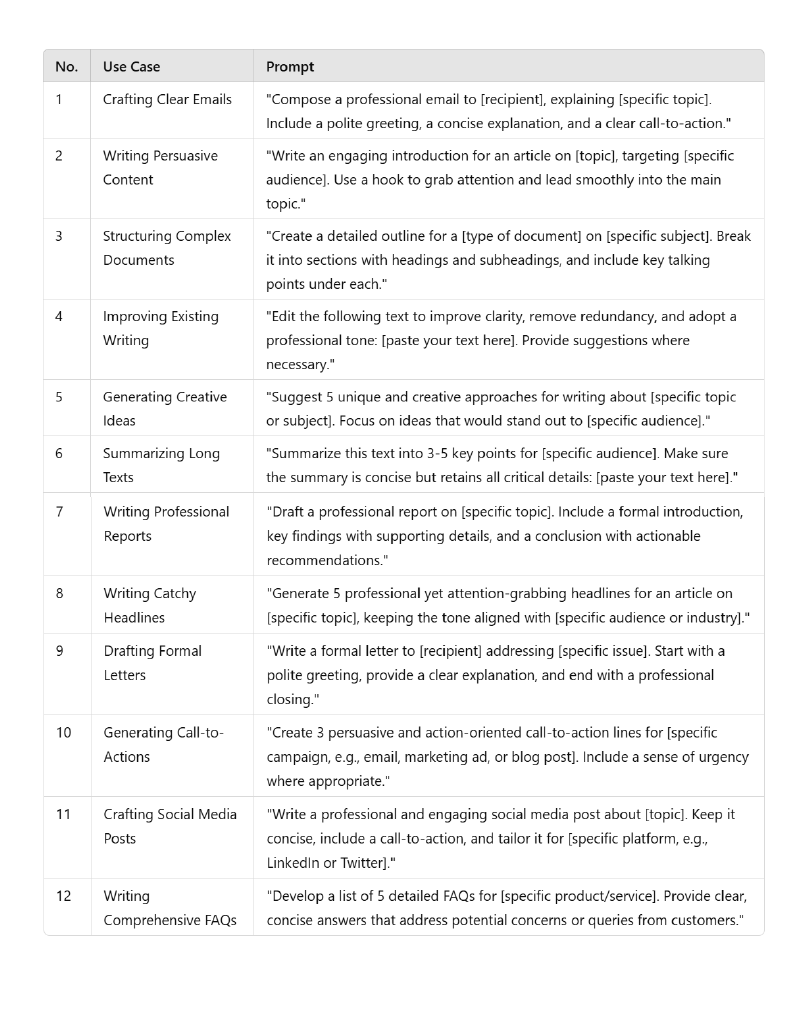
I turned ChatGPT into my personal writing assistant
It now handles my writing effortlessly and gets amazing results.
Here are 10 Powerful Prompts I use daily:
Here's yet another study showing that kids who get smartphones earlier have worse mental health as teens.
So what's the right age for a first smartphone? I'd say its whatever age you want them to cut back on sleeping, reading, exercise, and socializing. I advise not doing that before 14, at the earliest.
Let's make that a new norm, to break out of the collective action trap together. Some parents may then wait even longer. But lets try to get all kids through middle school in the real world, before exposing them to the many harms of adolescence lived on a phone.
Note that this research use the ABCD study, which is the highest quality longitudinal study going.
It confirms an earlier finding by @sapien_labs that found the same thing
https://t.co/eTWs0LM3BE