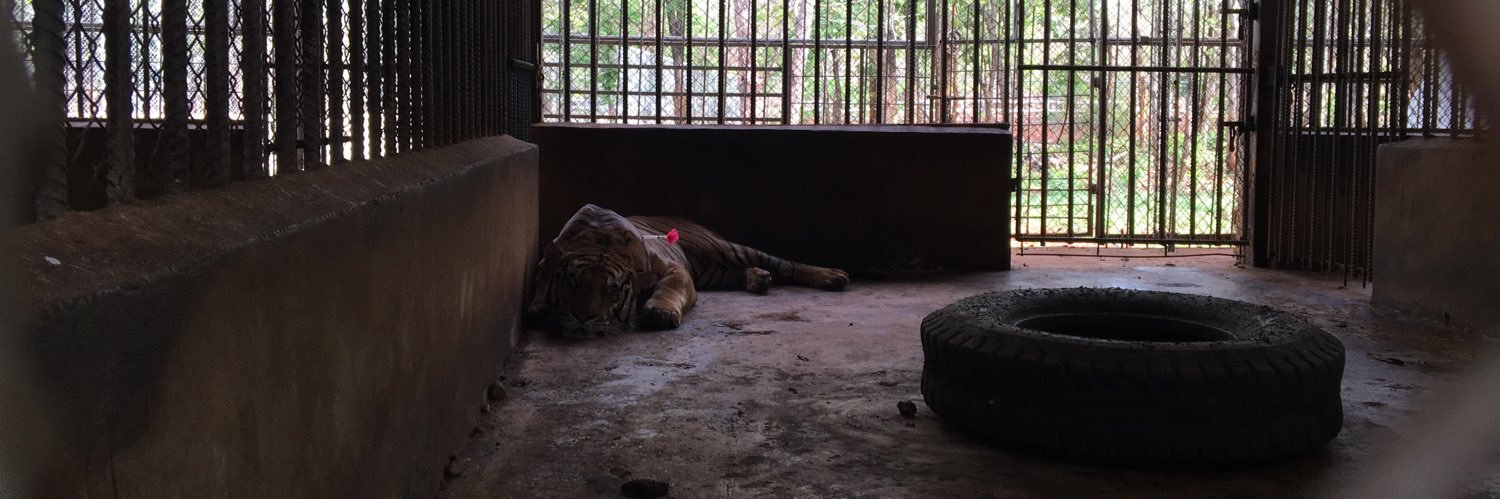
Last month, @hkbeech and I travelled Tak Bai to talk to families and victims of the Tak Bai massacre. 20 years ago, 78 people died in the trucks, 7 died from crackdown and 7 remains missing.
The ‘killers’ aren’t caught or brought to justice. https://t.co/CLQWMfbdnb
#BREAKING: #Myanmar’s detained leader Aung San Suu Kyi has been moved to house arrest, according to the state media. The report clarifies she will continue to serve her remaining sentences under these conditions.
📸: MRTV
#WhatsHappeningInMyanmar#AungSanSuuKyi
Thailand Q1 Growth Gains Momentum Before Middle East Conflict Clouds Outlook, Central Bank Says
Thailand’s economy expanded in the first quarter of 2026, supported by stronger domestic demand, exports and government spending, the Bank of Thailand said, while warning that the Middle East conflict is beginning to weigh on the outlook.
The central bank said growth was driven by both demand- and supply-side factors prior to the escalation of the conflict, with exports—particularly technology-related goods—rising alongside private consumption and investment. Manufacturing and services activity also increased, supported by higher production and trade.
However, signs of disruption emerged toward the end of the quarter. Tourist arrivals from the Middle East and Europe declined sharply, exports to those markets contracted, and private consumption softened, particularly in the hospitality sector. Fuel imports also rose as businesses sought alternative suppliers.
In March, overall economic activity stabilised from the previous month. Headline inflation moved closer to zero after previously being negative, mainly due to higher energy prices, while core inflation remained stable, indicating limited pass-through of cost pressures. The current account stayed in surplus, though labour market conditions weakened.
Looking ahead, projections released by the Bank of Thailand a day earlier show growth slowing to 1.5% in 2026 and 2.0% in 2027, as the impact of the Middle East conflict weighs on consumption and tourism. Private consumption is expected to face pressure from higher living costs and weaker income prospects, while foreign tourist arrivals are projected to decline due to rising travel costs and constraints. Exports are expected to remain a key driver, supported by global demand for technology products.
The central bank said additional fiscal stimulus could lift growth this year, but effects would fade in 2027. It also warned the outlook remains highly uncertain, with risks from a prolonged conflict and supply disruptions that could affect manufacturing and employment. Inflation is projected to average 2.9% in 2026 before easing to 1.5% in 2027, with core inflation expected at 1.6% and 1.5% respectively. While price pressures may temporarily exceed the target range, the central bank said increases are unlikely to be broad-based under weak demand conditions, though risks remain from elevated energy prices and potential supply shocks.
#Thailand #ThaiEconomy #InterestRates #Inflation #ดอกเบี้ย #เงินเฟ้อ #เศรษฐกิจ #เศรษฐกิจไทย
Police in Thailand say they have arrested an Indonesian man accused of defrauding Americans out of $10m in romance scams and he will be extradited to the US. https://t.co/mV8wm3NALF
President Donald Trump and members of his cabinet were rushed out of the White House correspondents’ dinner at a hotel in Washington, DC, after shots were fired outside the event.
🔴 Follow our LIVE coverage: https://t.co/QhmO98q9eX
Bahrain oil cargo heads to Thailand as Strait of Hormuz sees elevated shipping amid stalled US–Iran talks
A Bahrain-origin refined petroleum cargo is among shipments transiting the Strait of Hormuz, with the tanker Athina reportedly heading to Thailand as part of a broader surge in maritime traffic through the key energy chokepoint on April 18.
More than 20 vessels passed through the strait that day, the highest level since early March, according to maritime analytics firm Kpler, as shipping flows remained volatile amid escalating geopolitical tensions in the Gulf.
The movements included oil and gas shipments from Bahrain, Saudi Arabia and the United Arab Emirates to destinations including Mozambique, Taiwan, South Korea, Indonesia and Thailand. The surge in traffic comes as energy markets continue to adjust to disruptions linked to regional security risks.
At the same time, maritime tensions remain high. Iranian media reported that some vessels attempting to transit the strait were turned back by Iranian forces. Diplomatically, US–Iran negotiations have effectively stalled, with Tehran reportedly refusing to attend a new round of talks.
Photo via VesselFinder
#Thailand #Oil #OilPrice #ราคาน้ำมัน #สงครามตะวันออกกลาง #StraitOfHormuz #ช่องแคบฮอร์มุซ
"...We’re offering a very fair and reasonable DEAL, and I hope they take it because, if they don’t, the United States is going to knock out every single Power Plant, and every single Bridge, in Iran. NO MORE MR. NICE GUY..." - President Donald J. Trump
Cabinet pushes clean air bill as part of bid to revive 24 stalled laws
The Cabinet has prioritised a long-delayed clean air bill as part of an urgent push to revive 24 draft laws still pending in Parliament, setting an April 24 deadline for ministries and agencies to confirm their status before seeking to resume legislative consideration.
Government Spokesperson Rachada Dhnadirek said on April 11 that the bills—20 in the House of Representatives and four in the Senate—must be reviewed by responsible ministers and agency heads, with updates submitted to the Cabinet Secretariat.
The proposals will then be returned to the Cabinet for approval to formally request Parliament to continue deliberation before the constitutional deadline of May 12.
The draft laws span multiple sectors, including defence, finance, transport, public health, justice and environmental policy. Key measures include:
- Environment: A clean air management bill aimed at tackling pollution.
- Defence reforms: Updates to the structure of the Defence Ministry and the military court system.
- Financial sector laws: Establishment of a financial business hub, regulation of electronic securities, and a land transfer measure in Udon Thani.
- Higher education: Legal frameworks governing Rajamangala universities.
- Transport and infrastructure: Amendments to maritime safety laws, and multiple expropriation and land-use bills tied to mass transit projects, including the Pink Line and other MRT expansions, as well as updates to Port Authority legislation.
- Justice system: Repeal of cheque-related criminal offences, updates to compensation for victims and defendants in criminal cases, and amendments to bankruptcy law.
- Public health: Promotion of traditional Thai medicine and formal recognition of village health volunteers and frontline health workers.
- Administrative reform: Measures to streamline licensing and public service delivery.
- Anti-money laundering: Updates to AML laws and revisions to predicate offences.
- Judiciary: Amendments to civil procedure and the creation of case officer roles to assist courts.
Under Section 147 of the Constitution, pending bills lapse upon the dissolution of the House. However, a new Cabinet can ask Parliament to revive them within 60 days of the first sitting following an election, making May 12 the deadline in this case.
#Thailand #ครมอนุทิน2 #วิกฤตฝุ่น #ฝุ่น #ฝุ่นพิษ #ฝุ่นPM #ฝุ่นPM25 #พรบอากาศสะอาด