With the 40th overall selection in the 2026 #OHL U18 Draft, the Brantford Bulldogs are proud to select Sophie Jovanovic from the Toronto Nationals U18 AAA.
#BFD
On to the next one ⏭
We have advanced to the Semi-Finals of the TELUS Canadian Championship!
Opponent and date of the match to be determined at a later date.
#TogetherWeForge | #CanChamp
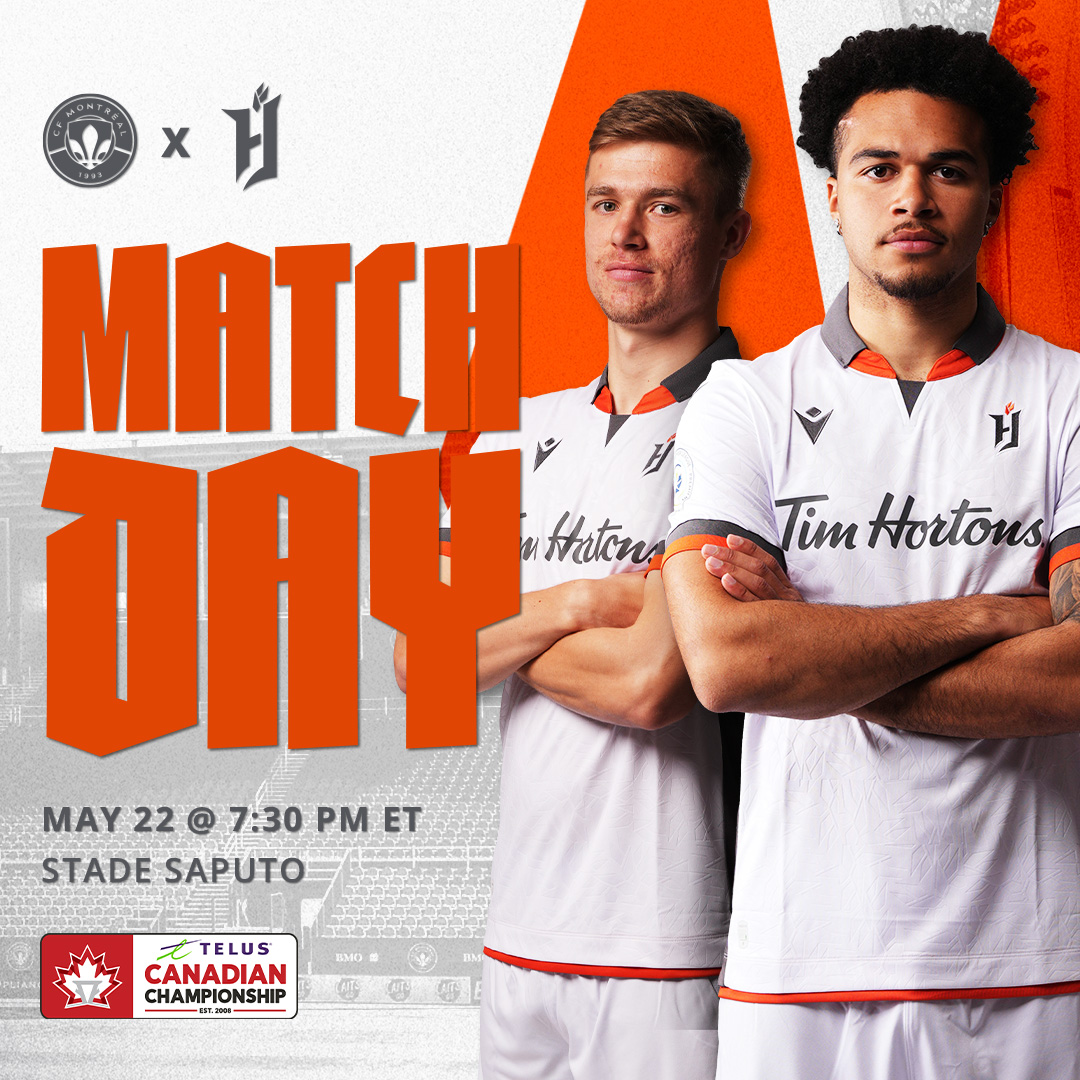
This one is for all the marbles ⚽️
🗓️ | Today, May 22
🕦 | 7:30 PM ET
🆚 | @cfmontreal
🏟️ | Stade Saputo
🏆 | TELUS Canadian Championship
#TogetherWeForge | #CanChamp
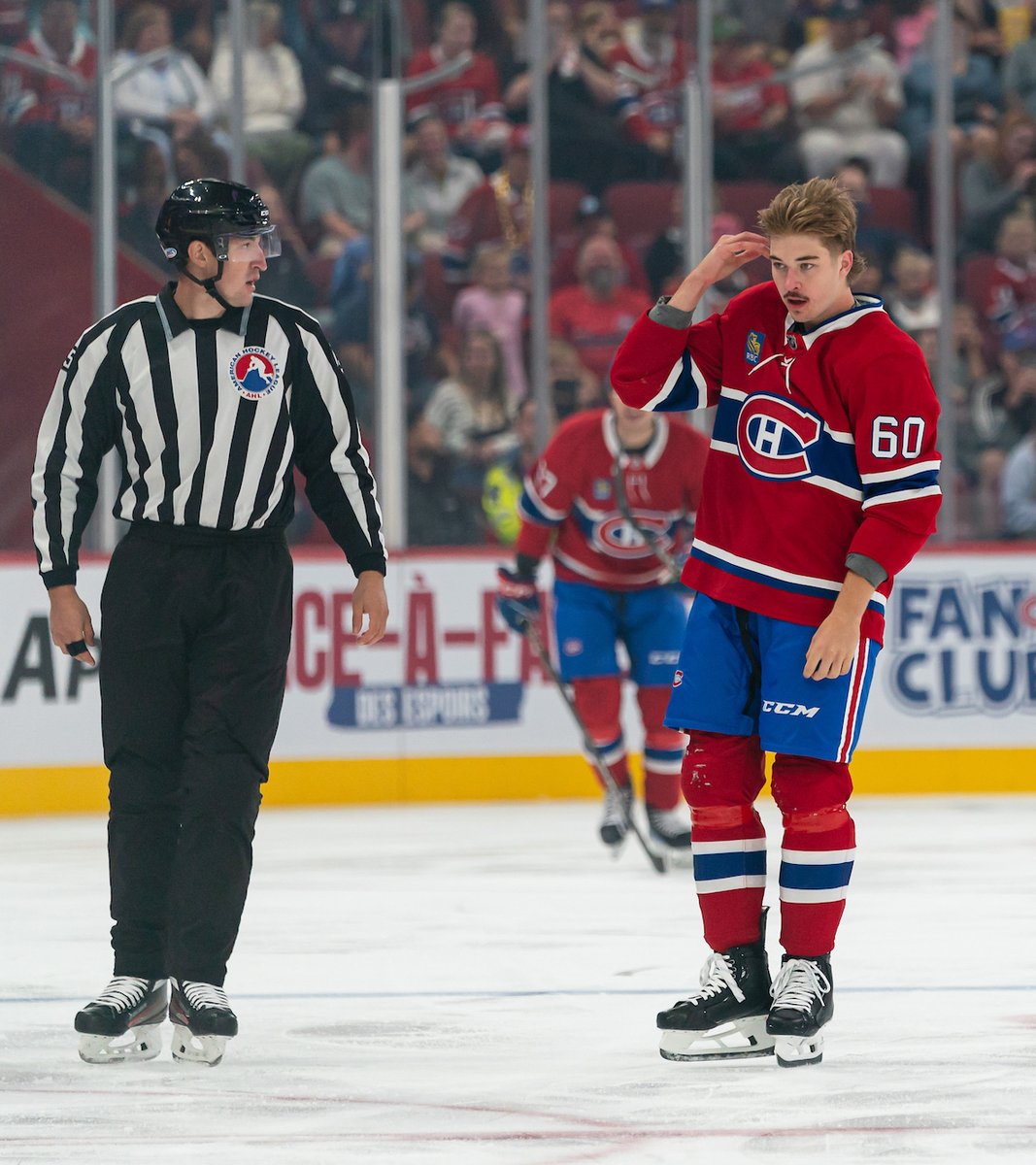
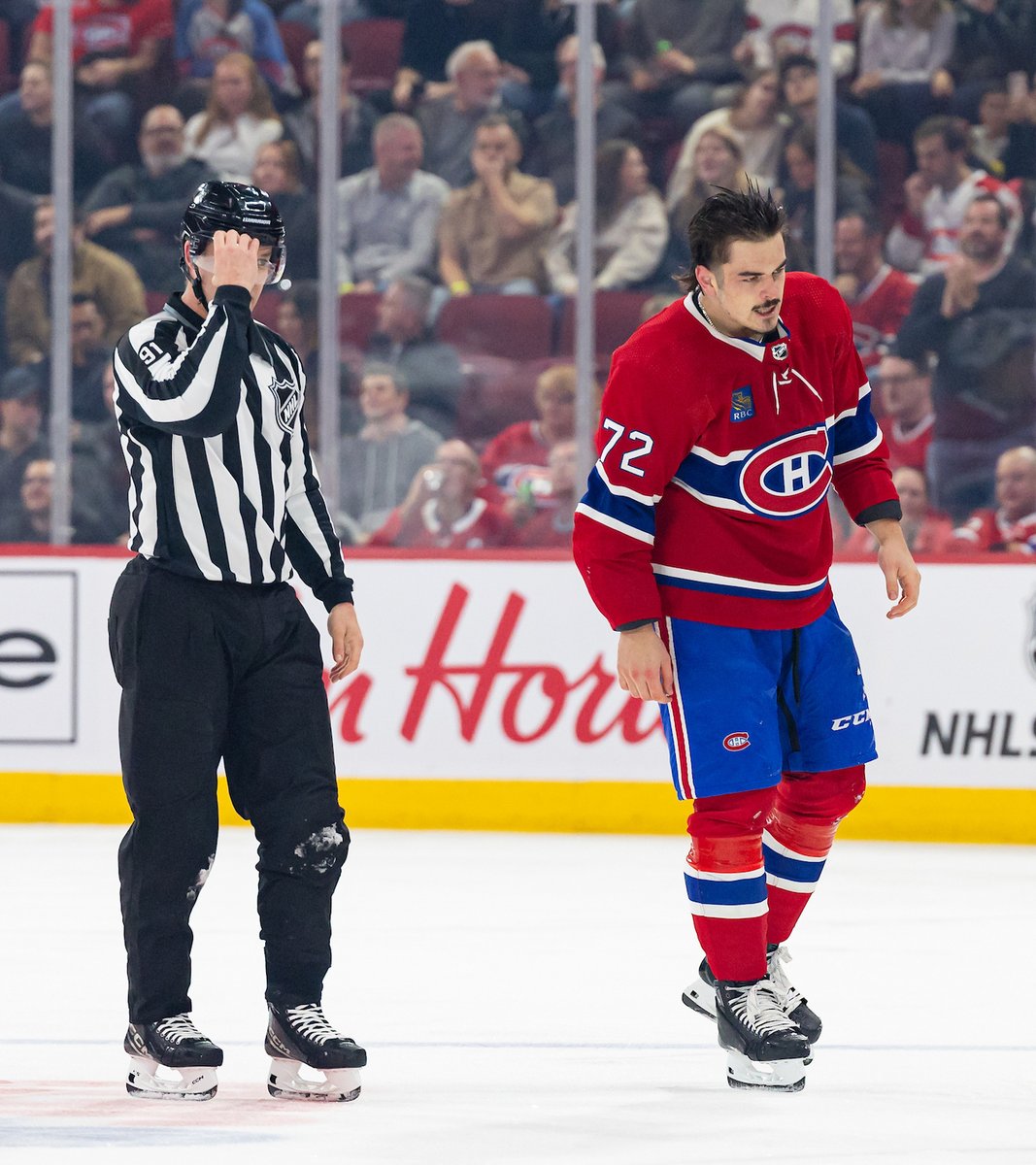
The Canadiens have agreed to terms on a three-year, entry-level contract (2024-25 to 2026-27) with forward Florian Xhekaj.
News release ↓ #GoHabsGo
https://t.co/pIkr9PJfCu
On International Women’s Day, the Brantford Bulldogs want to recognize and celebrate the incredible women who drive our organization forward!
https://t.co/IB3v6XUV3U
#BFD#OHL
It is one of the most famous books in Canadian history and it left a major mark on our culture.
This is the story of The Hockey Sweater.
In the late-1970s, the Parti Quebecois was governing Quebec and there was a growing separatist movement.
Roch Carrier, whose debut novel La Guerre, Yes Sir, was popular with French and English Canadians, began to ask himself what Quebec wanted.
Asked write something about the political climate in Quebec for CBC, Carrier started writing an essay but found it dull.
As the deadline approached, he told CBC he could not finish the project. They told him that they had already booked studio time and promotion for him.
As a compromise, they asked him to write something to fill the time.
Carrier thought about his childhood and asked himself when was the last time he felt like himself.
The answer came from a memory when he put on his skates, wore Eaton's catalogues on his legs before playing hockey outside.
He said,
"I stood up and I was taller than my mom, and I had a stick in my hands, so I was stronger than my brother and I felt that I was little me."
The Hockey Sweater is based off a real-life experience of Carrier. In 1946, after he asked for a Montreal Canadiens jersey to replace his worn out sweater, Eaton's incorrectly sent him a Toronto Maple Leafs jersey.
While many have seen the story as an allegory for the tensions between English and French Canada, Carrier stated he had no political motivations and just wanted to tell a good story.
Carrier wrote the story in French and it was published in 1979 as "Une abominable feuille d'érable sur la glace" ("An abominable maple leaf on the ice").
It was soon translated into English by Sheila Fischman and became The Hockey Sweater.
In 1980, the National Film Board adapted the story into a 10-minute animated short film. Voiced by Carrier and animated by Sheldon Cohen, it cost $199,000 to make.
Maurice "The Rocket" Richard attended the premiere of the animated film. According to Carrier, he was moved to tears by it and requested copies so he could show it to his children.
Richard was long a hero in Quebec, but The Hockey Sweater is credited with making him a pan-Canadian hero and icon.
The film won the 1981 BAFTA for Best Animated Film, and has since become one of the most popular works by the National Film Board.
You can watch it here: https://t.co/k2qOk9HDgt
In 1982, an illustrated version of the story was published. It has since sold 300,000 copies.
The Hockey Sweater has become the dominant work of Carrier's career. He said,
"There is almost not one day in my life that there is not something nice that happens because of the story."
The story has became so ingrained in Canadian culture that a line from it was placed on the back of the 2001 Canadian $5 bill.
It reads:
« Les hivers de mon enfance étaient des saisons longues, longues. Nous vivions en trois lieux : l’école, l’église et la patinoire; mais la vraie vie était sur la patinoire. »/"The winters of my childhood were long, long seasons. We lived in three places – the school, the church and the skating rink – but our real life was on the skating rink."
It remained on the $5 bill until 2013.
The book has been presented to the Royal Family on visits to Canada and taken to the International Space Station by astronaut Robert Thirsk.
If you enjoy my Canadian history content, you can support it with a donation at https://t.co/u12Dmz7XUX
****
C'est l'un des livres les plus célèbres de l'histoire du Canada et il a laissé une marque majeure sur notre culture.
C'est l'histoire de The Hockey Sweater.
À la fin des années 1970, le Parti québécois gouvernait le Québec et le mouvement séparatiste grandissait.
Roch Carrier, dont le premier roman La Guerre, Yes Sir, était populaire auprès des Canadiens français et anglais, commença à se demander ce que voulait le Québec.
Lorsqu'on lui a demandé d'écrire quelque chose sur le climat politique au Québec pour CBC, Carrier a commencé à rédiger un essai mais l'a trouvé ennuyeux.
À l'approche de la date limite, il a déclaré à la CBC qu'il ne pouvait pas terminer le projet. Ils lui ont dit qu'ils avaient déjà réservé du temps en studio et une promotion pour lui.
En guise de compromis, ils lui ont demandé d'écrire quelque chose pour occuper le temps.
Carrier repense à son enfance et se demande à quand remonte la dernière fois où il s'est senti lui-même.
La réponse est venue d'un souvenir lorsqu'il enfilait ses patins, portait les catalogues d'Eaton sur ses jambes avant de jouer au hockey dehors.
Le chandail de hockey est basé sur une expérience réelle de Carrier. En 1946, après avoir demandé un maillot des Canadiens de Montréal pour remplacer son pull usé, Eaton lui a envoyé par erreur un maillot des Maple Leafs de Toronto.
Carrier a écrit l'histoire en français et elle a été publiée en 1979 en français.
Il fut bientôt traduit en anglais par Sheila Fischman et devint The Hockey Sweater.
En 1980, l'Office national du film a adapté l'histoire en un court métrage d'animation de 10 minutes. Exprimé par Carrier et animé par Sheldon Cohen, sa réalisation a coûté 199 000 $.
Maurice "The Rocket" Richard a assisté à la première du film d'animation. Selon Carrier, il en a été ému aux larmes et a demandé des copies afin de pouvoir le montrer à ses enfants.
Il a remporté le BAFTA du meilleur film d'animation en 1981 et est depuis devenu l'une des œuvres les plus populaires de l'Office national du film.
Vous pouvez le regarder ici : https://t.co/k2qOk9HDgt
En 1982, une version illustrée de l'histoire a ét�� publiée. Depuis, il s'est vendu à 300 000 exemplaires.
L'histoire est devenue tellement ancrée dans la culture canadienne qu'une ligne de celle-ci a été placée au dos du billet de 5 dollars canadiens de 2001.
Ça lit:
"Les hivers de mon enfance étaient de très longues saisons. Nous vivions dans trois endroits – l'école, l'église et la patinoire – mais notre vraie vie était sur la patinoire."
Il est resté sur le billet de 5 $ jusqu'en 2013.
Le livre a été présenté à la famille royale lors de visites au Canada et emporté à la Station spatiale internationale par l'astronaute Robert Thirsk.
Si vous appréciez mon contenu sur l'histoire canadienne, vous pouvez le soutenir avec un don à https://t.co/u12Dmz7XUX