Scottish Acquired Brain Injury Network- working to improve care pathways for patients with ABI across Scotland. For medical advice call your GP or NHS24 on 111
Happy International Nurses Day to all the incredible nurses whose dedication and compassion make a real difference in the lives of patients every day. Thank you for your commitment to excellence in patient care #NursesDay2024
SARCS is a dedicated NHSScotland service which can offer healthcare and support in the days after an assault, if you are not ready to tell the police or are unsure #TurntoSARCS
We are recruiting for a new Lead Clinician. SABIN needs someone with experience of working in the provision & development of clinical services for patients with acquired brain injury. You should also have evidence of working with multi-disciplinary teams.
Apply via link in bio.
The Scottish Acquired Brain Injury Network is looking to appoint an enthusiastic and highly motivated Lead Clinician. This is an exciting opportunity to work as part of an innovative team to deliver improvements in patient care.
Find out more & apply at link in bio.
What is diffuse brain injury?
🔹 Widespread brain damage
🔹 Caused by movement or rotation of the brain in skull (eg as a result of a road traffic accident, assault or fall)
🔹 Tearing of nerve tissue causes diffuse axonal injury (disrupted communication between brain cells)
Have you had a blow to the head? Our mild head injury and concussion information explains:
- What is concussion?
- Symptoms of concussion
- When to seek medical advice
- Long-term effects (post-concussion syndrome)
Learn more: https://t.co/IO4xzUf8sD
#ConcussionAware
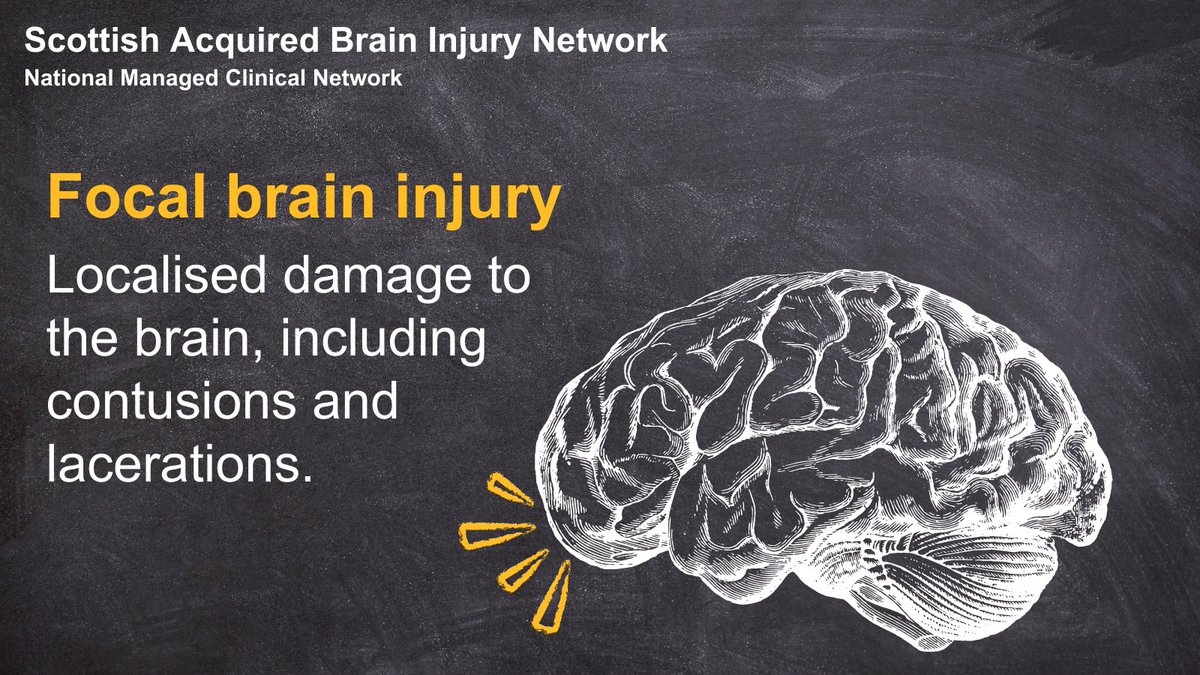
What is a focal brain injury?
🟡 Localised damage
🟡 Contusions at the site of impact (a ‘coup’ injury) and/or at the opposite side of the brain from impact (a ‘contra-coup’ injury)
🟡 Lacerations (tears to the brain tissue caused by penetrating objects or fractured skull bones)
Post Traumatic Amnesia (PTA) refers to a state of confusion & disorientation following traumatic brain injury (TBI). Its duration can vary considerably from patient to patient, from minutes to weeks or occasionally for months.
@HeadwayUK
Brain injuries can be classed as mild, moderate or severe. Commonly used severity ratings are based on:
🧠Duration of Loss of Consciousness following injury
🧠Glasgow Coma Scale score on admission or first assessment
🧠Duration of post traumatic amnesia after injury
The Scottish Paediatric and Adolescent Rheumatology network need your help with their patient survey. The survey is for young adults in rheumatology services who have recently moved from children’s services to adult services: https://t.co/SsR0J2sVx4 @VersusArthritis
Behavioural changes after brain injury are many and varied. Some appear to be an exaggeration of previous personality characteristics, while others may seem completely out of character for that person. Find out more: https://t.co/2Bzww4mo2O
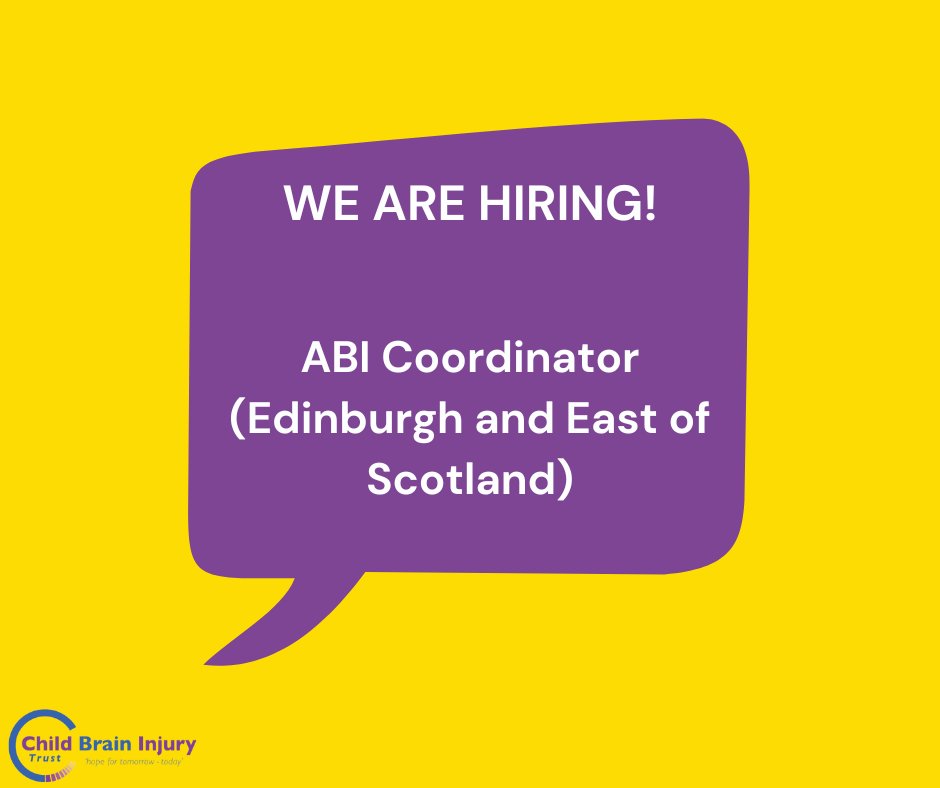
Our friends @cbituk are recruiting someone to help ensure that children with an acquired brain injury, and their families, have the right info and support available to them.
This will be a critical role for those families- so apply below if this is for you.
NEW ROLE ALERT!
ABI Coordinator (Edinburgh and East of Scotland)
Closing date of Monday 24th July 2023 (5:00pm)
For the full job description, please visit:
https://t.co/XuYj8iL50z
In case you missed it, the All Party Parliamentary Group on Acquired Brain Injury has been reinstated following a meeting earlier this year.
Read the full report on Time for Change from UKABIF: https://t.co/623p7x5Vsn
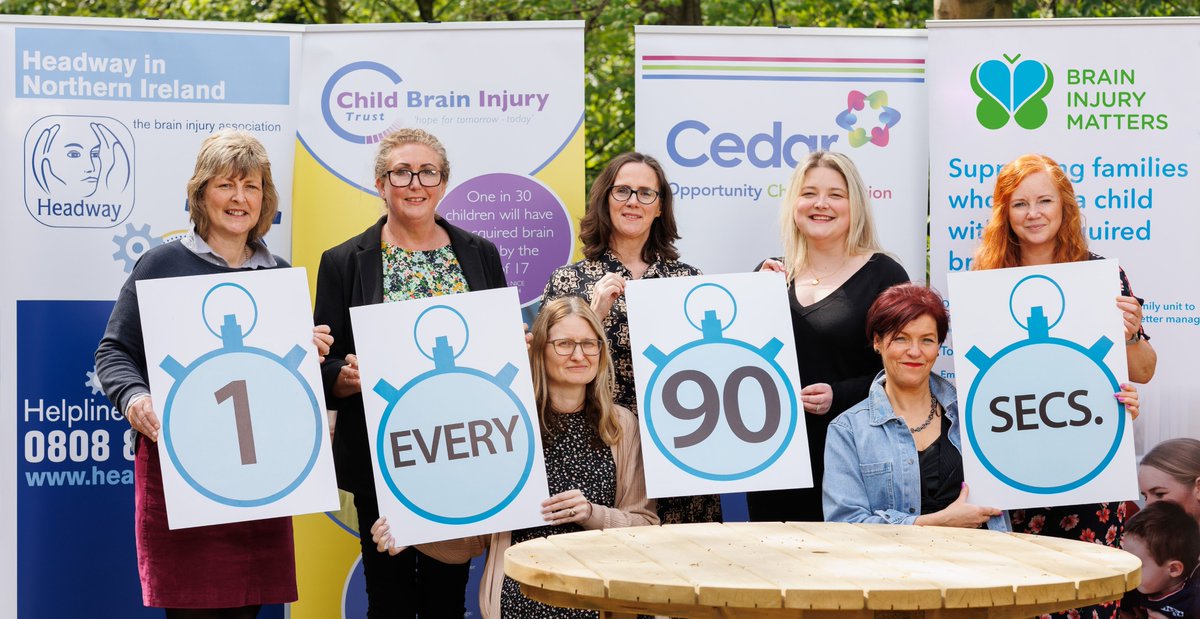
Did you know that every 90 seconds someone in the UK is admitted to hospital with a life changing brain injury -@HeadwayUK#Every90Seconds
In support of #ABIWeek2023 we at @cbituk are working hard to get people talking about the needs of those with an ABI.
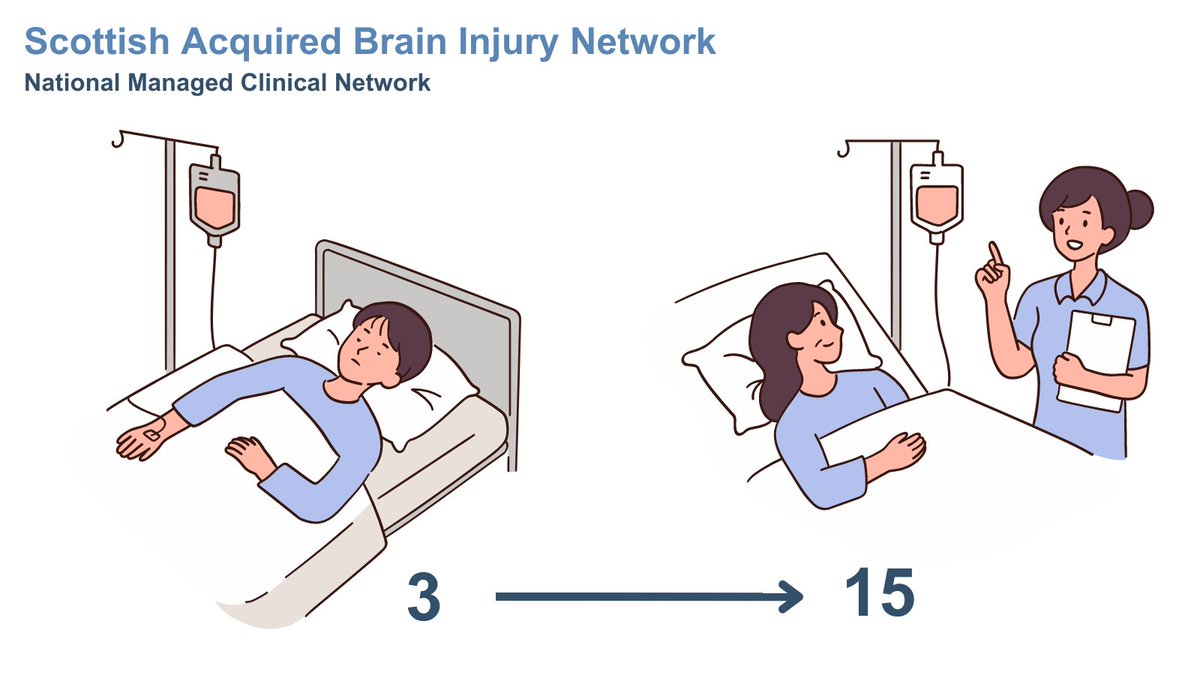
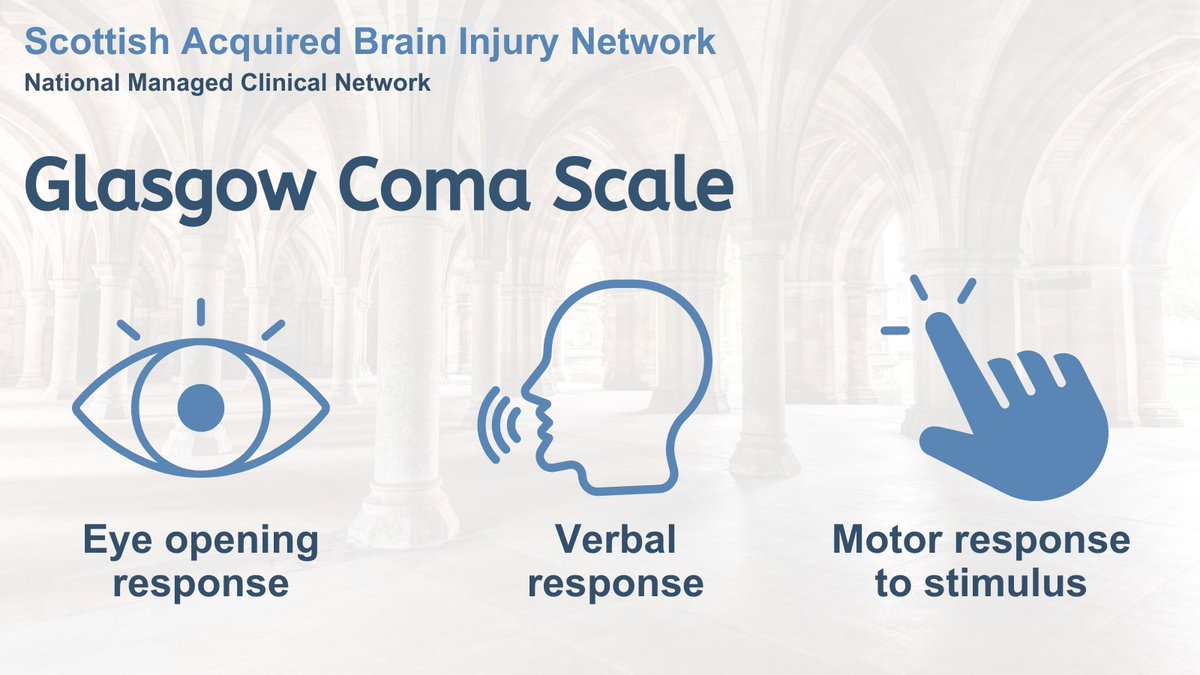
The #GlasgowComaScale helps assess severity of injury. Patients are evaluated & scored on 3 scales for eye opening, verbal response & best motor response. The lowest score (3) indicates a level of deep unconsciousness, with the highest (15) meaning the patient is fully alert.
Scotland is famous for lots of things, other than our castles & whiskey. The #GlasgowComaScale was first published in 1974 by professors from @UofGlasgow. It’s recognised worldwide as a way to determine state of consciousness, evaluated against response to three parameters.
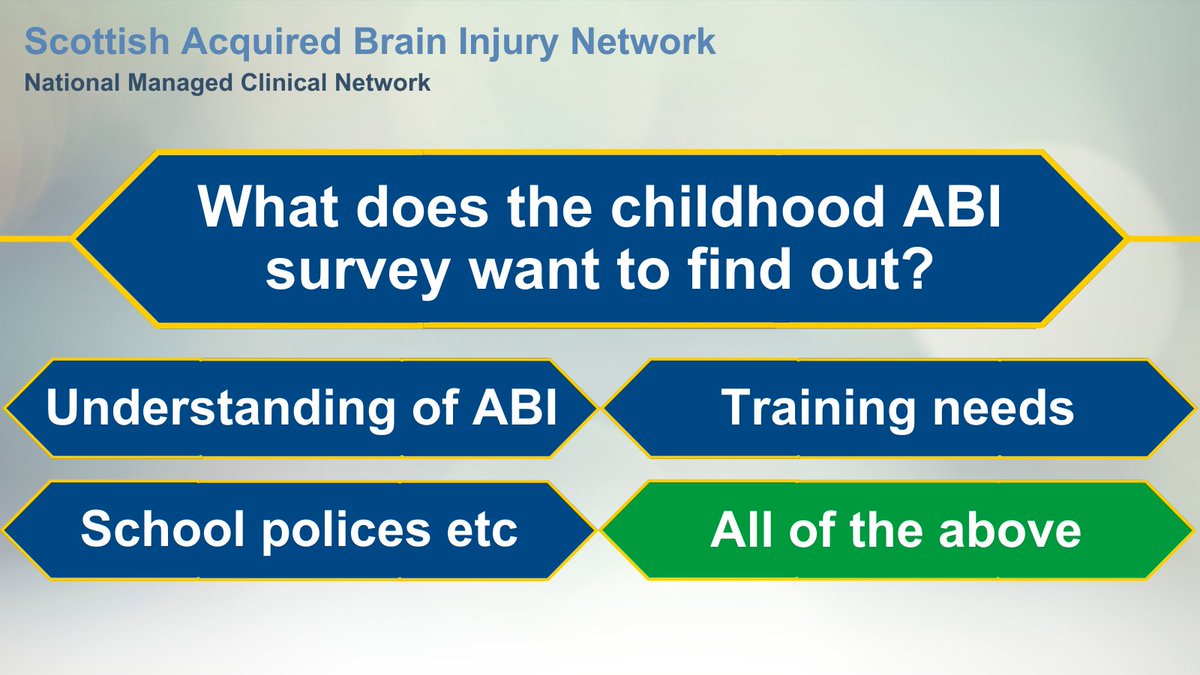
Do you work in #Education in a UK school? @cbituk@SwanseaUni@UKABIF want to hear from you, to help improve support for children with an acquired brain injury (ABI). Please forward the survey link to peers- you’ll provide crucial input to the research!
https://t.co/tapKp8USjD