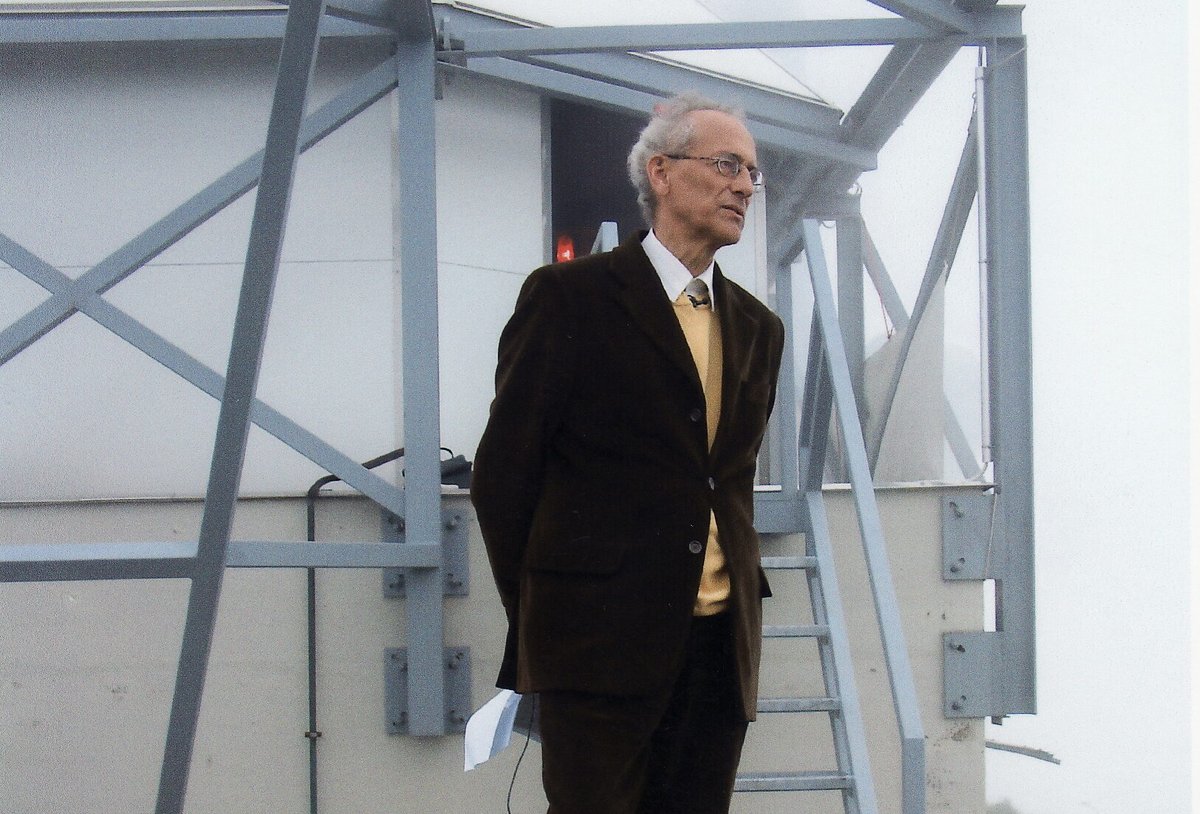
In Switzerland there are numerous interesting blogs of individual amateurs, observatories and clubs. To make them better known, the SAG has created the SAG-SAS Blog. Have a look: https://t.co/8ELlOBw6Ok
Rare event: Late evening of June 17, some Noctilucent Clouds (NLC) occurred over the northern horizon. Stefan Meister recorded the NLC's from Eglisau in direction north, between 22:50 and 23:02 MESZ. Enjoy the impressive
pictures: https://t.co/6CCMj5mP4X
Exoplanet Eiger orbits around the Mönch!
School class L3a from the Cantonal School Menzingen (ZG) wins the vote. More information under: https://t.co/XmgxRr4myJ
We would like to congratulate the winners of the voting and thank everyone for the active participation in the voting.
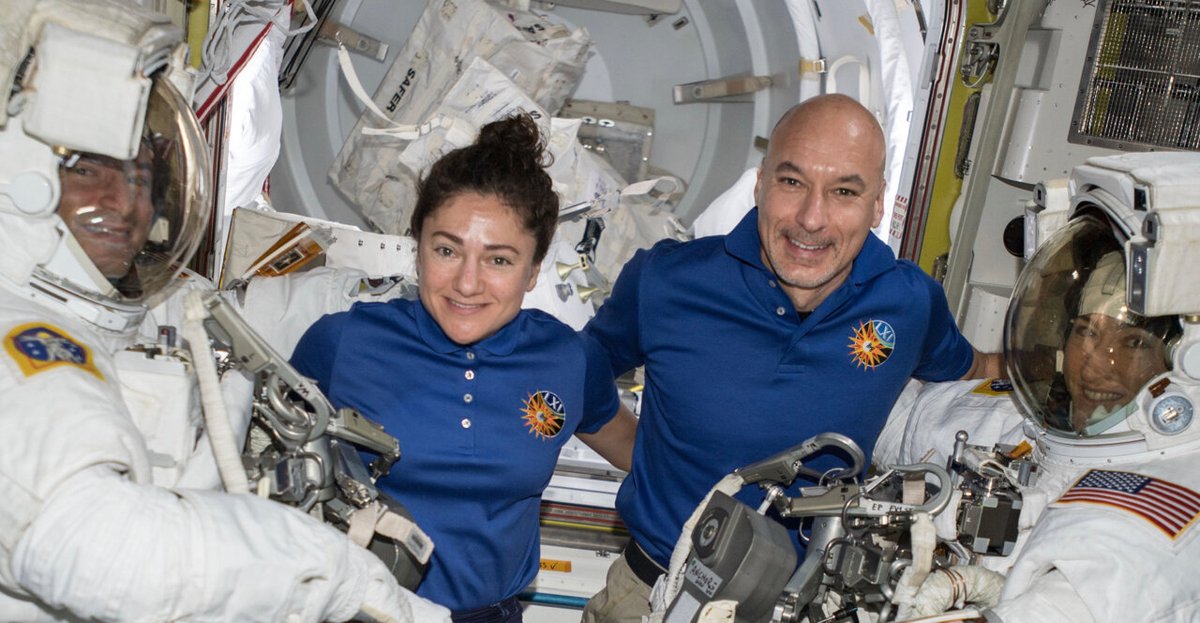
Nobel Prize laureates call to Space Station: Follow live the first ever video call between the International Space Station and Nobel Prize Laureates. Tomorrow, Dec 06, 2019, 14:30- 15:20 CET. https://t.co/3myYCjQrIM
The September results of the SAS meteor astronomy group FMA are online: https://t.co/FIPKCSHyjW
In September 7'951 observations, 1'040 meteor orbits, 979 sporadic, 38 SPE, 8 STA.
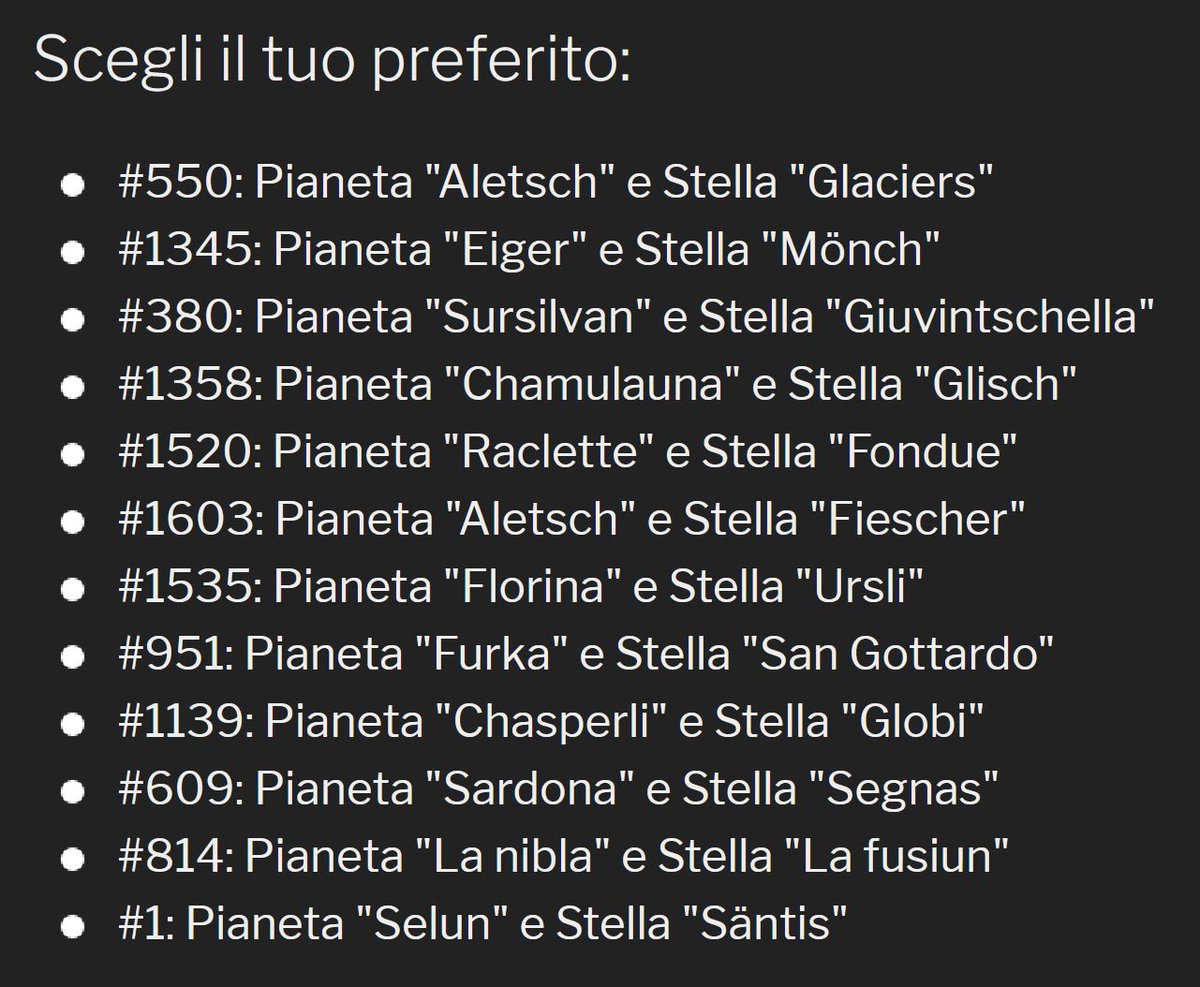
Name Exoplanet - da oggi può essere votato! Scegli il tuo preferito tra i 12 finalisti e determina quale #Exoplanet#HD130322b e la sua stella dovrebbe essere chiamata in futuro. Il voto e ulteriori informazioni sul sito https://t.co/72J20jSQ2D
Nome cercato per Esopianeta HD 130322 b e la sua stella
Nel settembre 2019, sia individui che gruppi (ad es. asili, scuole, club o aziende) possono presentare qui i loro suggerimenti per l’esopianeta HD 130322 b. https://t.co/72J20jSQ2D
On 2019 Oct 15, about 19:46 UT, the 5 km diameter asteroid (3200) Phaethon will occult a 11.1 mag star in the constellation Perseus for observers along a path across Switzerland. Further information, shadow course, coordinates and search maps at: https://t.co/Ltks3Rs0DP
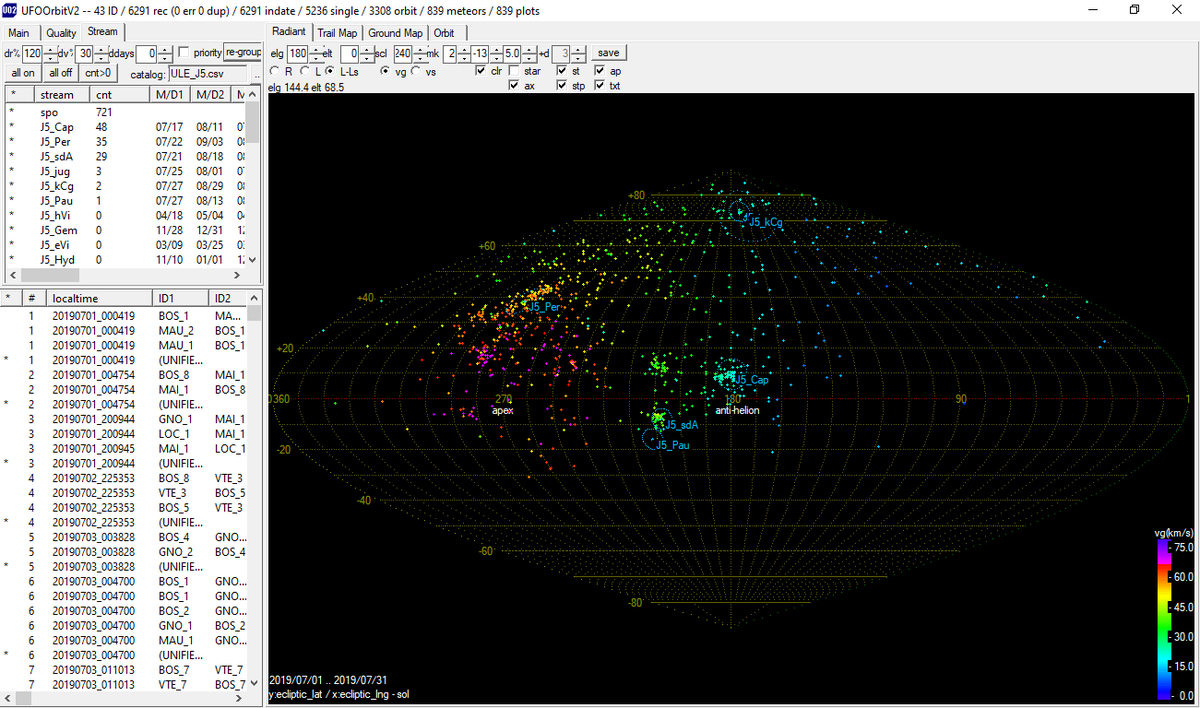
The July results of the SAS meteor astronomy group FMA are online: https://t.co/FIPKCSHyjW
In July 6’291 (previous month 4’026) observations, 839 (548) meteor orbits, 721 sporadic, 48 CAP, 35 PER, 29 SDA.
From the end of June until about mid-August, Earth will pass through the Taurid Complex, a collection of rock and dust linked to an increased number of upper atmosphere incendiaries.:
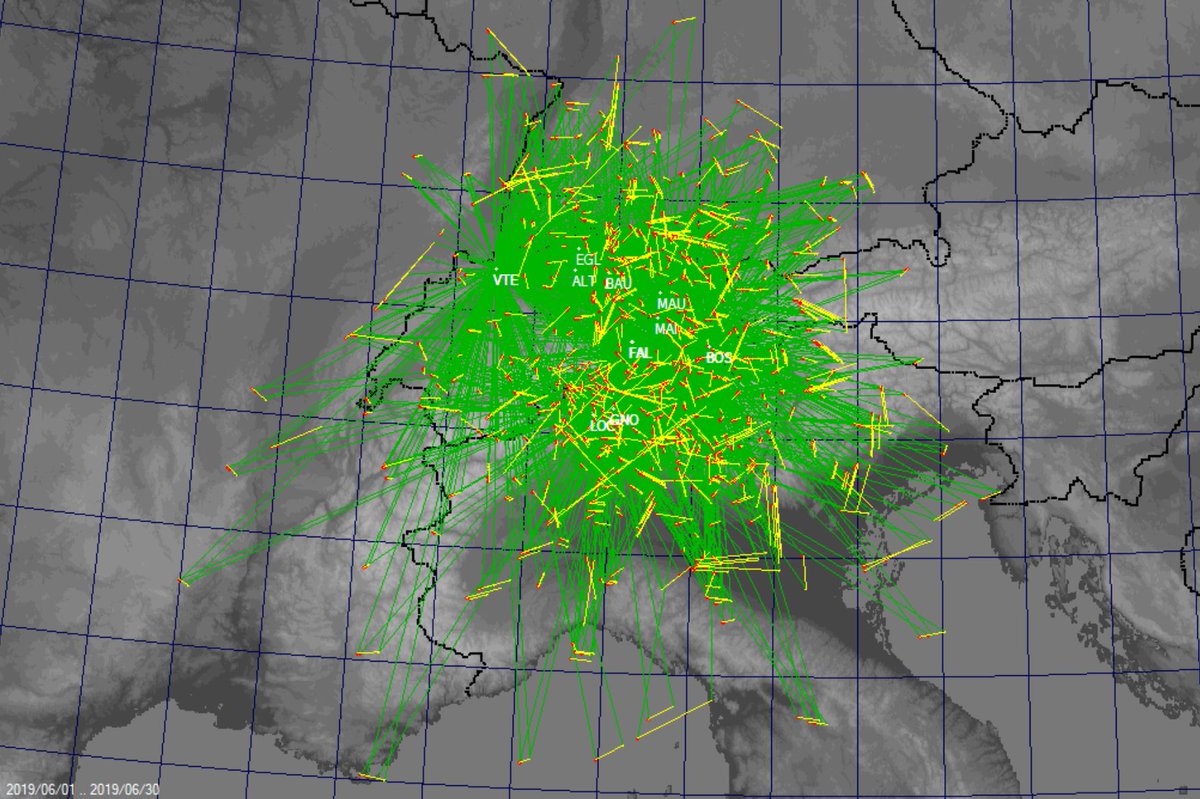
The June results of the SAS meteor astronomy group FMA are online: https://t.co/FIPKCSHyjW
In June 4’026 (previous month 2’664) observations, 548 (402) meteor orbits, all sporadic, except 19 LYR.
Ernst Bürki from AVBeO has been looking for alternatives because of the ban on laser pointers. He tested various LED lamps and found them to be very suitable for astronomical purposes in the night sky. The test report (in German) on the SAS website: https://t.co/208CQMRC7s
Several observers reported today a "chain of lights" to SAS, which appeared in the sky at around 00:55 a.m. this morning. This "chain of lights", are the Space X Starlink satellites, launched on May 24th. https://t.co/a5DkoQTtJn …. The overflight times: https://t.co/IPi1Yk2fCb
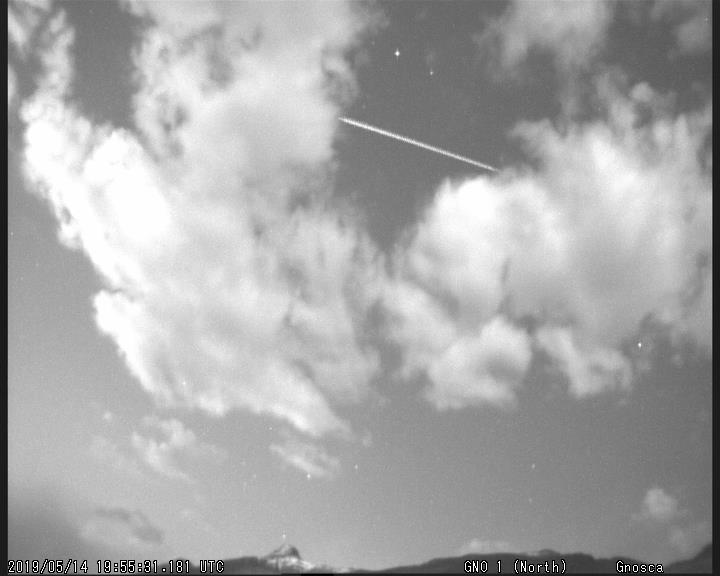
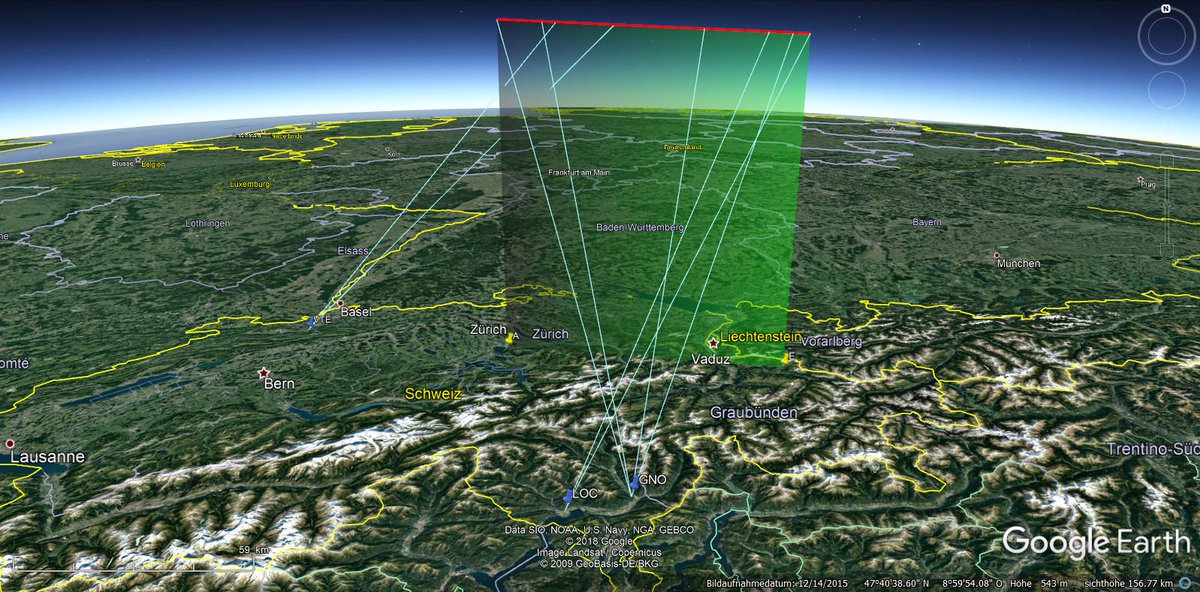
On 14.05 several stations detected an object over eastern Switzerland. The preliminary calculations show an alt of 117km and a velocity of 9.8km/s - to be too slow for an Earth Grazer, too low for a regular sate and too constant for space debris. https://t.co/KuXmYW3h0O
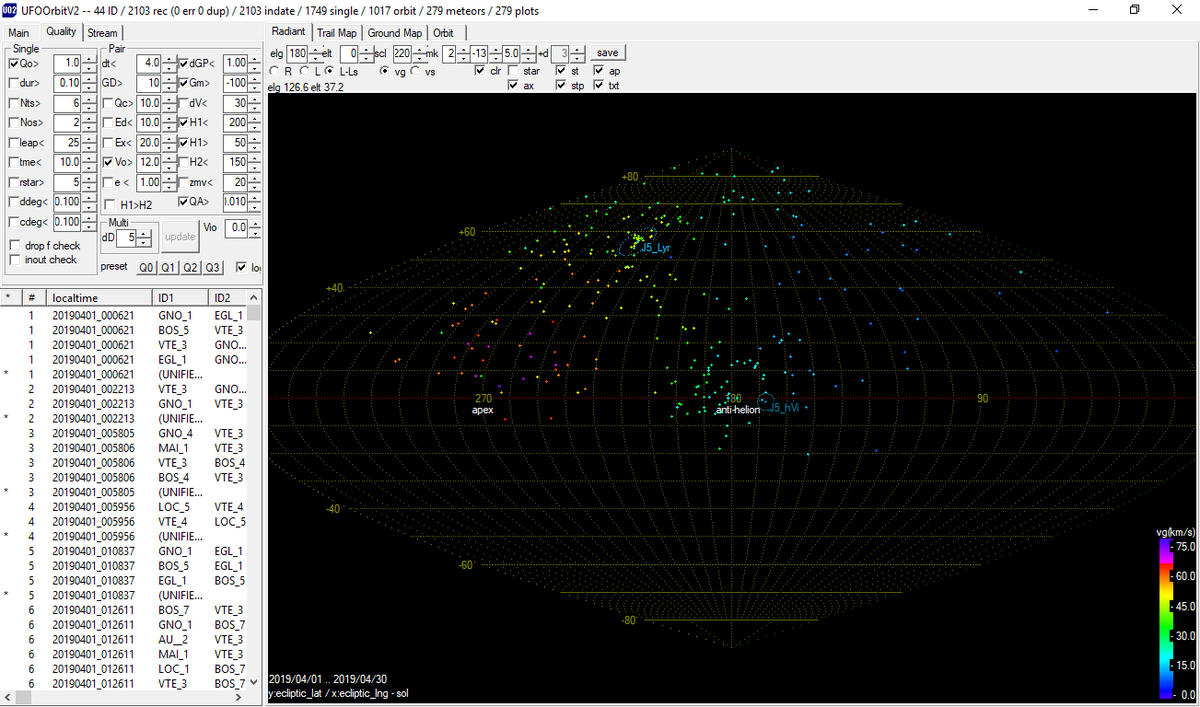
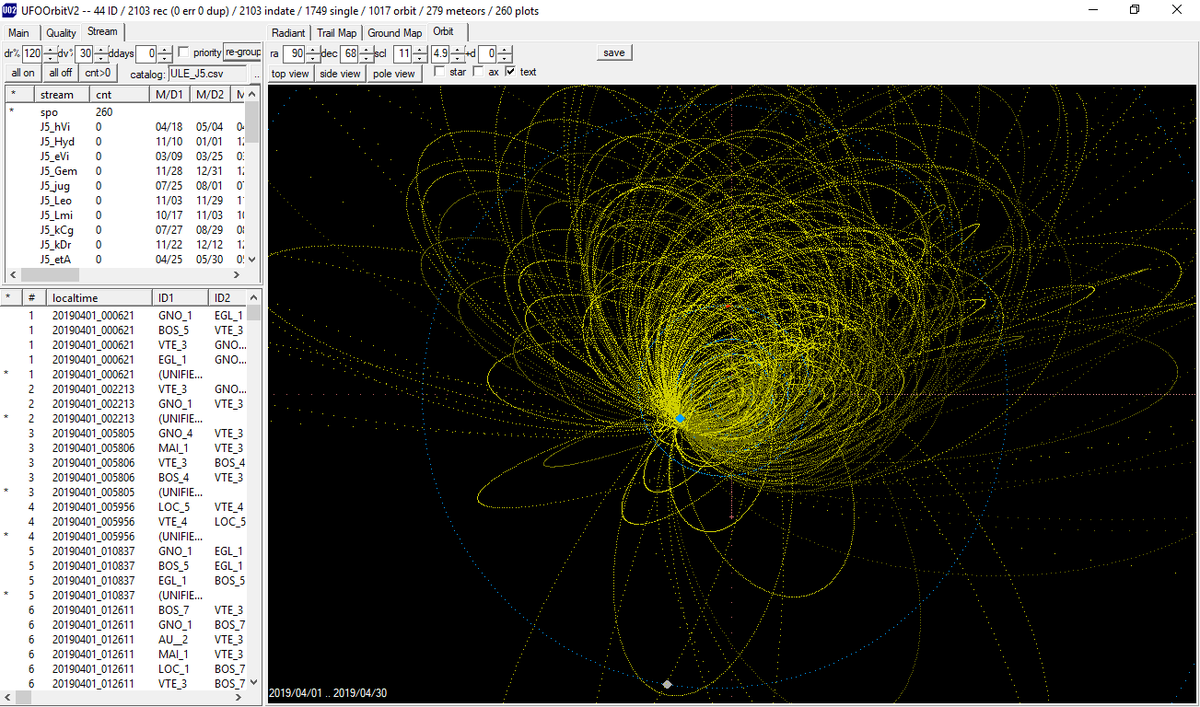
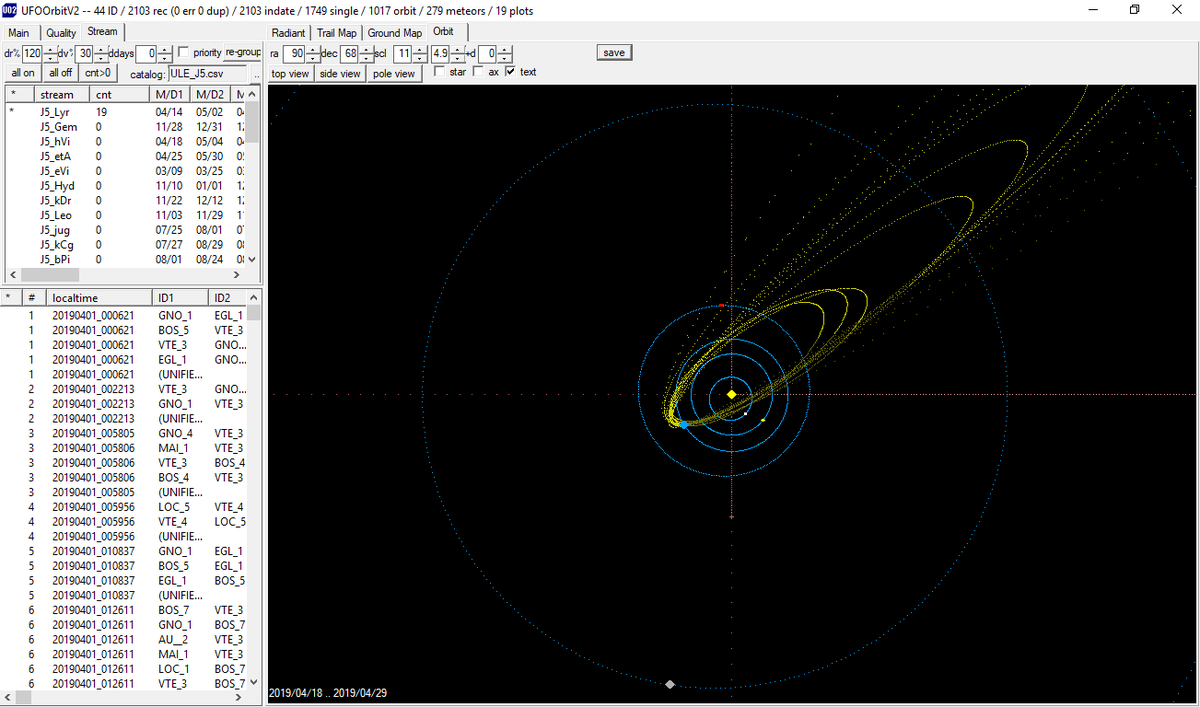
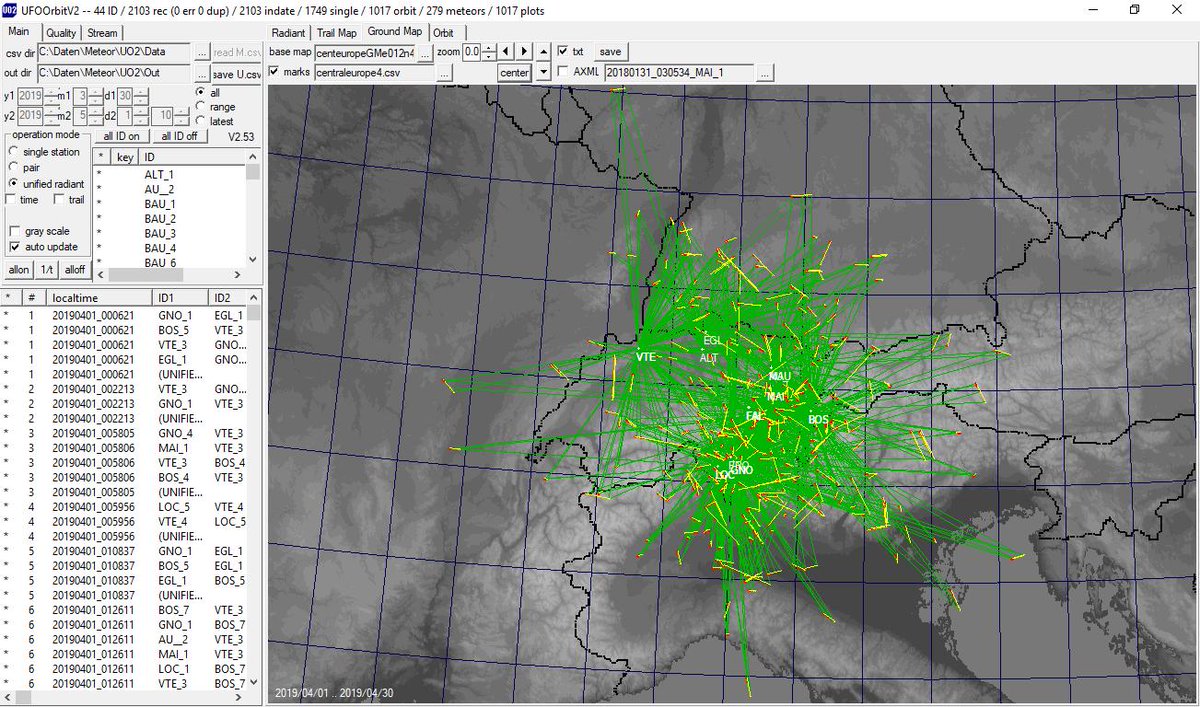
The April results of the SAS meteor astronomy group FMA are online: https://t.co/FIPKCSHyjW
In April 2'103 (previous month 5'448) observations, 279 (768) meteor orbits, all sporadic, except 19 LYR
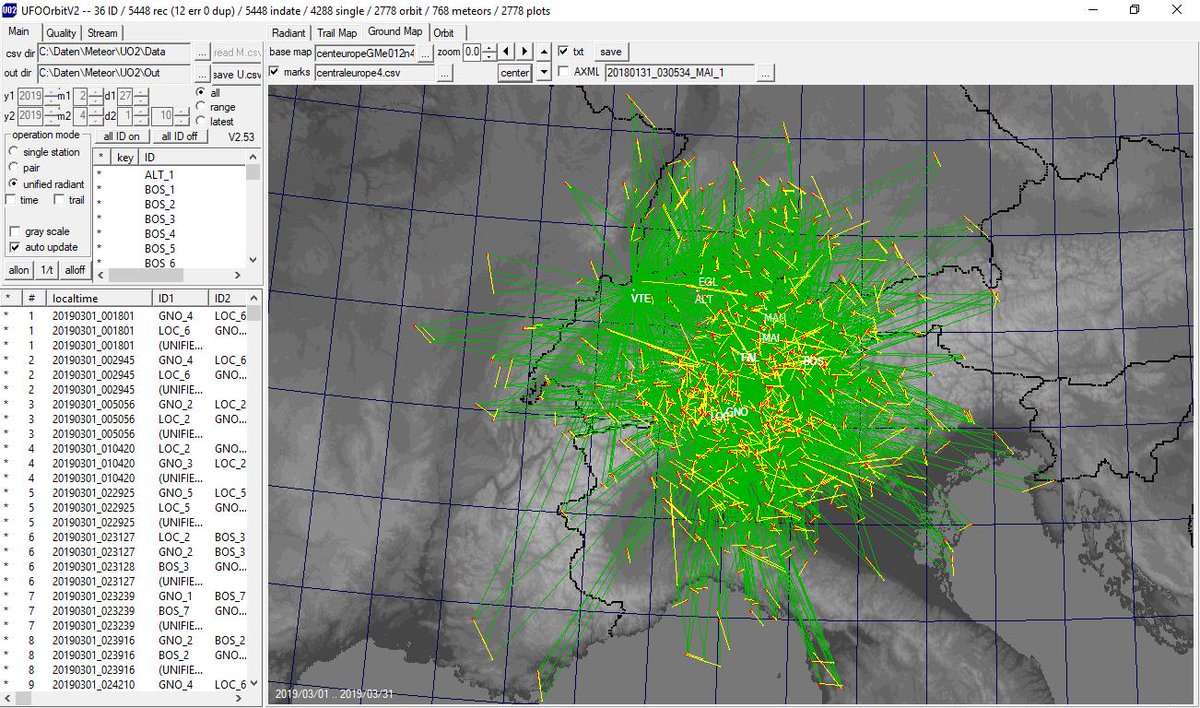
The March results of the SAS meteor astronomy group FMA are online: https://t.co/FIPKCSHyjW
In March 5'448 (previous month 4'797) observations, 768 (605) meteor orbits, all sporadic, except 1 EVI.