This is Beethoven’s Piano Sonata No. 14 in C-sharp minor, Op. 27 No. 2, “Moonlight”, third movement: Presto agitato, performed by Wilhelm Kempff.
The third movement (Presto agitato) of the Moonlight Sonata has long stood as a classical emblem. For those who uphold and cherish the enduring values of traditional culture, the detail regarded as the finest and most profound is the manner in which the rigorous sonata-allegro form is driven to the very brink of explosive release, yet remains utterly unbroken.
Specifically, it is Beethoven’s handling of the second subject and the coda of this movement that commands such admiration.
From the perspective of traditional culture, music is not merely entertainment but a reflection of the cosmic order and the inner life of man. The third movement is a veritable tempest, with arpeggios surging upward like turbulent waves; yet despite its extraordinarily vehement pulse (Presto agitato – fast and impassioned), Beethoven never descends into anarchic freedom. He adheres with strict fidelity to the traditional sonata form: Exposition, Development, Recapitulation, and Coda.
Amidst the whirlwind of notes, the second subject emerges with a more lyrical, cantabile character, though still steeped in anxiety. Lovers of the work cherish this moment precisely because it demonstrates that reason and structure – Order – are always present to govern and direct the most intense emotions – Chaos.
The esteem in which this detail is held springs from a profound aesthetic and philosophical outlook:
The Triumph of Reason and Will (The Triumph of Order):
Traditional culture exalts man’s capacity to master desires and adversity through reason, moral strength, and willpower. The third movement mirrors this ideal with striking precision. Beethoven, confronting the personal tragedy of his encroaching deafness and a shattered love, refuses to surrender and allow his music to disintegrate. The architectural rigour of the musical structure serves as the very frame that prevents the soul from collapsing.
The Principle of “Harmony through Conflict”:
According to the classical conception, the highest art achieves Harmony. Yet the most beautiful harmony is not a placid calm, but that which is attained only after the most violent conflicts have been overcome. Beethoven’s resolution of all the accumulated musical tensions in the coda, bringing the work to a decisive and triumphant close in the tonic key, is likened to man rediscovering peace and his rightful place before the Divine or Fate.
The Exemplary Respect for Artistic Discipline:
The ancients demanded the highest standards of formal propriety in art. In this movement of Beethoven they find a perfect answer: a great artist may pour forth the full force of his individuality and the most passionate emotions without ever violating the fundamental laws that give birth to Beauty.
This, then, is why traditional listeners regard the third movement as a pinnacle of synthesis: it unites the fiery, ardent quality of emotion (characteristic of Southern cultures) with the lucid discipline, restraint, and tightly logical structure of the intellect (characteristic of Northern cultures).
In simple terms, listeners cherish this movement not merely because it is thrilling to the ear, but because it proves that even in the greatest storms of life, man can still preserve within himself a noble and exalted order.
¡Felicidades a nuestro querido Iván López Reynoso! En la Secretaría de Cultura y el Gobierno de la Gente reconocemos su esfuerzo y su nombramiento como Director Principal de la Ópera de Santa Fe.
¡Mucho éxito en esta nueva etapa que inicia en 2027! 👏✨
@CartonCalderon Tengo una carpeta editada durante la Segunda Guerra Mundial con dibujos de Aria Bernal. Quiero que usted la tenga no me interesa nada a cambio, solo que quede en buenas manos.
Dvorak's cello concerto op 104 was premiered in London by a British cellist, Leo Stern, with Dvorak conducting, otd 130 years ago. What a work: a journey encompassing heroism, excitement, intimacy, tenderness, aching nostalgia and at the end, personal tragedy. A true masterpiece.
El contundente y controvertido discurso de apertura de #KevinSpacey frente a la Oxford Union Society, el pasado 1 de diciembre de 2025... (ojo, recomendable verlo entero)
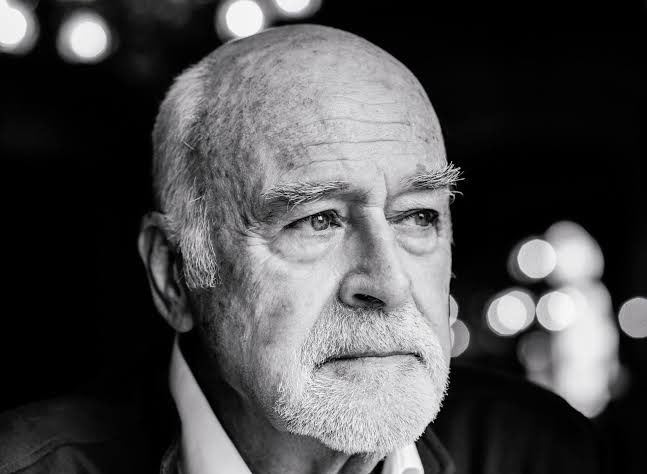
José van Dam, el gran bajo-barítono belga cuya majestuosa presencia y maestría musical lo convirtieron en uno de los cantantes más respetados de su generación, falleció el pasado martes a los 85 años.
Durante más de cuatro décadas, fue una figura central de la ópera europea, admirado por su integridad, inteligencia estilística y un timbre vocal distintivo que combinaba gravedad y calidez.
Afortunadamente tuve Ia enorme suerte de tratarlo personalmente y de colaborar con él en varias ocasiones en el Ciclo de Lied de la Zarzuela, SMR de Cuenca y Teatro Real de Madrid.
DEP! 🥲
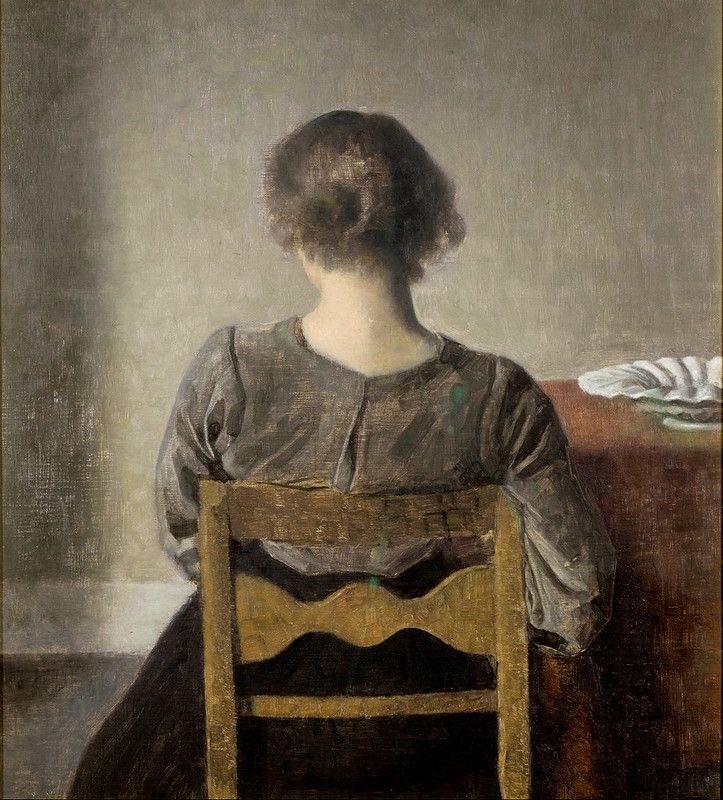
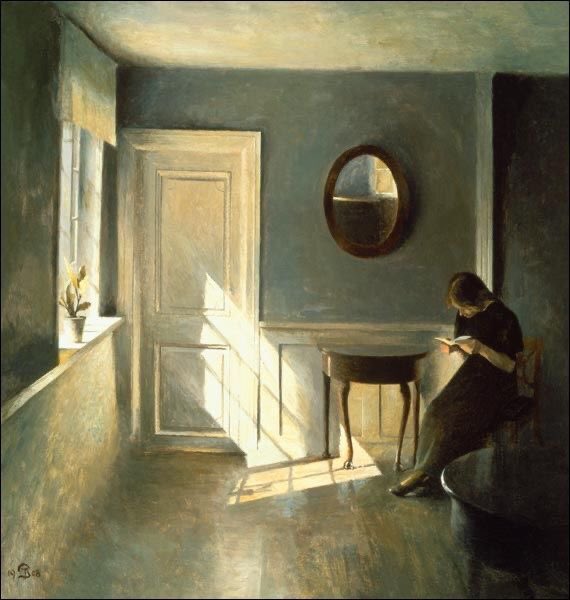
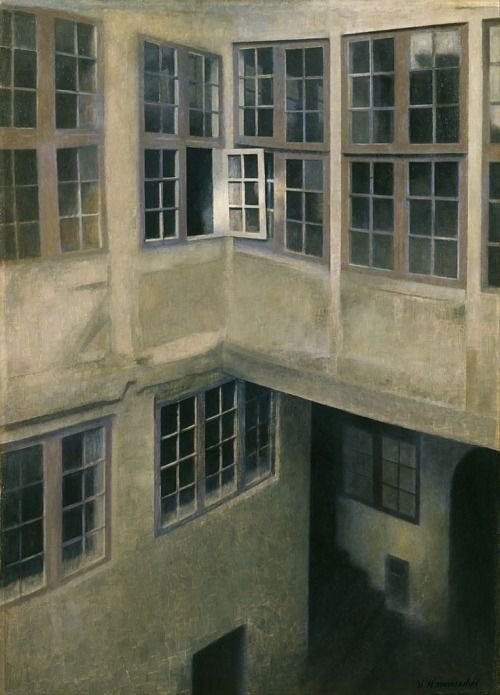
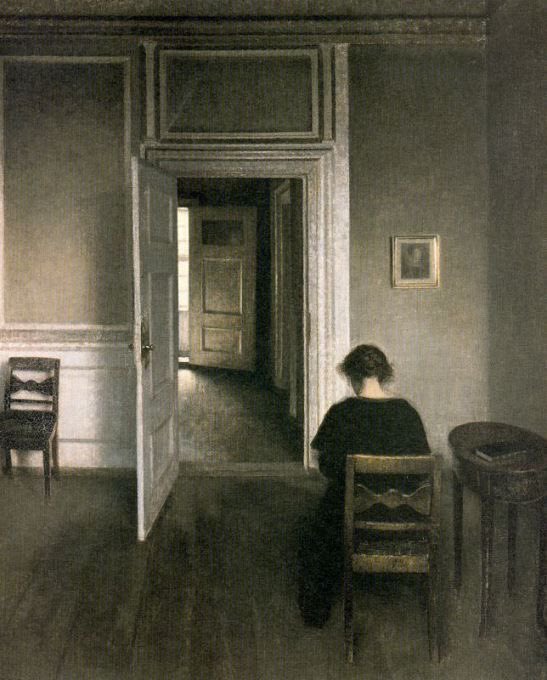
Hammershøi no pintaba escenas; diseñaba estados de ánimo.
Hijo de un comerciante danés, se alejó del ruido de su época para refugiarse en una paleta de grises, blancos rotos y una geometría que parece detener el tiempo.
A partir del 17 de febrero, el @museothyssen inaugura "El ojo que escucha", una antología del gran pintor danés Vilhelm Hammershøi (1864–1916). El maestro que convirtió el silencio en arquitectura y el gran precursor de Hopper.
👇🏻Abro hilo silencioso.
Galileo b otd 1564! Timeless.
“The Bible shows the way to go to heaven, not the way the heavens go.”
“It is surely harmful to souls to make it a heresy to believe what is proved.”
“Mathematics is the language in which God has written the universe”
"Passion is the root of genius."
𝐊𝐚𝐫𝐚𝐣𝐚𝐧, 𝐌𝐮𝐭𝐭𝐞𝐫 & 𝐭𝐡𝐞 𝐁𝐞𝐫𝐥𝐢𝐧𝐞𝐫𝐬: 𝐕𝐢𝐯𝐚𝐥𝐝𝐢’𝐬 𝐖𝐢𝐧𝐭𝐞𝐫 𝐢𝐧 𝐖𝐡𝐢𝐭𝐞-𝐇𝐨𝐭 𝐏𝐫𝐞𝐜𝐢𝐬𝐢𝐨𝐧 (𝟏𝟗𝟖𝟕) ❄️
Herbert von Karajan and the Berliner Philharmoniker join Anne-Sophie Mutter in a searing 1987 performance of “Winter” from The Four Seasons by Antonio Vivaldi.
Debussy’s sensuous Rhapsody for Clarinet and Orchestra 🎶😍
We’re thrilled to welcome back our former Principal Clarinet, Mark van de Wiel, to perform the world premiere of a brand new concerto, commissioned from his friend Jonathan Dove and led by our Principal Conductor Santtu-Matias Rouvali.
Here’s an extract from his performance with us last year, as part of our programme of French masterpieces.
Join us on Thursday 5 March at 7.30pm at Royal Festival Hall for Bernstein, Copland, Gershwin and more.
🎟️ Book now:
https://t.co/8IE7kceOuj
Imponente aria «Armatae face et anguibus», del oratorio «Juditha triumphans» de A. #Vivaldi, una de las obras del recital con @concertdelaloge y el violín de #JulienChauvin en @MuseeLouvre. Cuentan con la voz de @marinavmezzo.
Deleite hoy: 14:55 🇦🇷🇨🇱🇵🇾🇺🇾 | 13:55 🇧🇴 | 12:55 🇨🇴🇪🇨.
Los Capuleto y los Montesco se odian y desafían a muerte, por eso el tono marcial.
Pero sus hijos, Romeo y Julieta, tienen un amor puro: son la dulzura de la flauta.
Feliz día de los enamorados con esta historia de amor de Shakespeare y Prokofiev💘🫠❤️🪄
Renée Fleming embodies the full glamour of Thaïs in Massenet’s seldom-performed opera at the Metropolitan Opera, starring opposite Thomas Hampson in a timeless struggle between passion and faith.
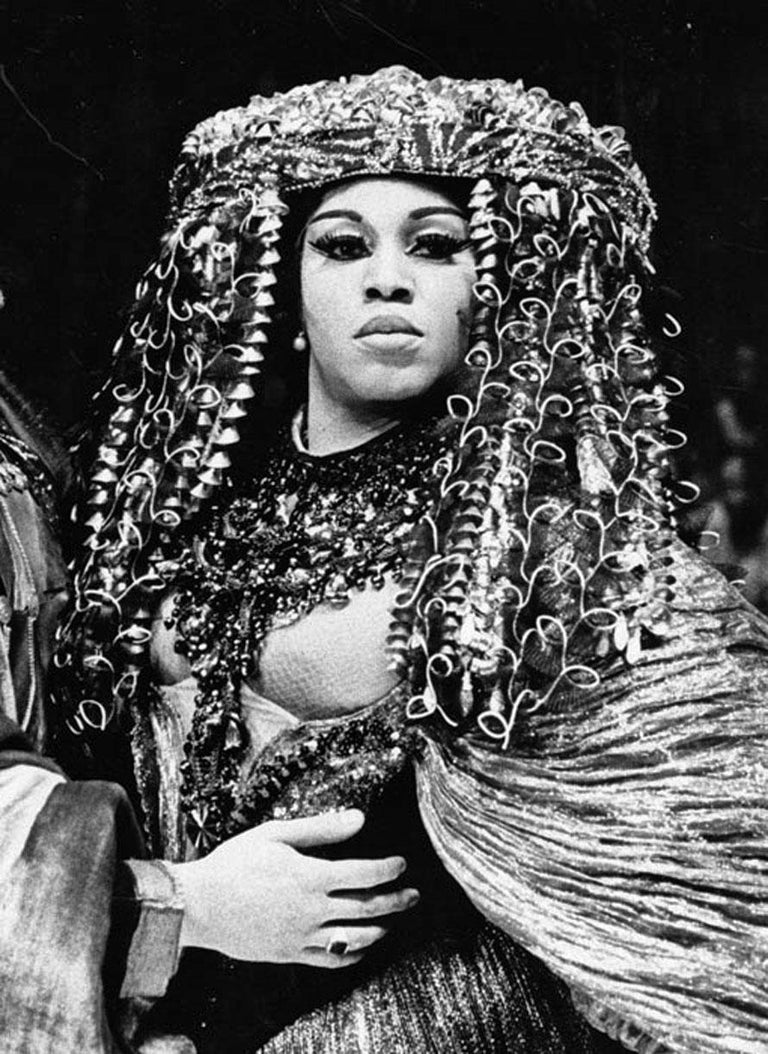
Buon compleanno all'incomparabile e amata soprano Leontyne Price 🌹
In foto, nel 1966, nel ruolo di Cleopatra nella prima mondiale di "Antonio e Cleopatra" di Barber al Met Opera. #10febbraio
Foto: Met Archives