“Jesus told us to forgive our killers, but this is too much”
Heartbreaking moments from the funeral of Theodosia Karam, her brother Tony and their father James in Qlayaa, southern Lebanon. James was driving his children home from their exams when an Israeli drone killed them
The explosive rise in the gold price is probably going to bail out the entire Lebanese political and financial orders without the need for reform, accountability, IMF, or anything. Just an easy bail-out sent from God.
Total financial system (BDL) losses, excluding gold, are roughly $74 billion today. That is basically what they were in 2020–2021. Nothing fundamental has changed.
If you include the gold, the picture changes significantly. Assuming that 100% of the gold is used to repay the banks and depositors, losses fall to about $23 billion (down from $55+ billion in 2020/2021 based on the gold value at that time). The breakeven point is ~$8,000/oz, at which the BDL would have no more losses.
The chart below illustrates this in a simple way. The x-axis is the gold price. The primary y-axis is the total market value of Lebanon’s gold at each price level. The secondary y-axis is the implied “BDL gap” (financial-sector losses) at each price level. Each colored line shows a different assumption about how much of the gold is actually used to cover losses: 100% (blue), 75% (orange), 50% (green), and so on down to 10% (purple).
It's a helpful way to visualize the impact of the price and use of gold on the financial system losses.
However, the law is clear that the gold is not meant to be used for this purpose. That restriction has been in place for decades. If you are a creditor of BDL (including the banks), you have been on notice from day one that you have no claim on the gold regardless of BDL’s financial position. In any normal setting, if assets are legally restricted or encumbered, a lender cannot later assert a right to these assets simply because the borrower is insolvent.
The same logic applies here. Claims that the BDL gold “belongs” to the banks or to depositors are inconsistent with the plain text and intent of the law. Parliament did not want the gold to be used by BDL to cover ANY of its current financial obligations. Period.
That legal point is separate from a policy choice. The Lebanese can decide, collectively, to use some portion of the gold to protect certain categories of depositors because doing so serves a broader economic and social interest. I personally think that using some of the gold for targeted depositor relief can be justified on that basis.
But any such decision should be described honestly: it would be a deliberate wealth redistribution choice, not the settlement of an entitlement or a legal obligation. The gold does not belong to the banks or to depositors, nor does it belong to the state to use for fiscal purposes and debt repayment. It belongs to the BDL as a *future* monetary asset. That's just what the law says and has said for more than 40 years.
The tradeoff needs to be quantified and communicated plainly. Each Lebanese person has a stake in this asset. At a gold valuation around $50 billion, that is on the order of $30,000 to $40,000 per Lebanese family. If gold is used to repay one group, the public should be told exactly what they are giving up and who is receiving it. The same applies if losses are covered by the state (i.e., through future taxes). People should be told explicitly what that implies in terms of higher taxation, which taxes, over what period, and on whom.
Of course, nobody knows what the price of gold will be in the future. The current frenzy buying could come to an end and the price could fall significantly. Or it could keep going up. I really don't know. I don't think it's a bad idea for Lebanon to diversify somewhat away from gold now... That would seem prudent.
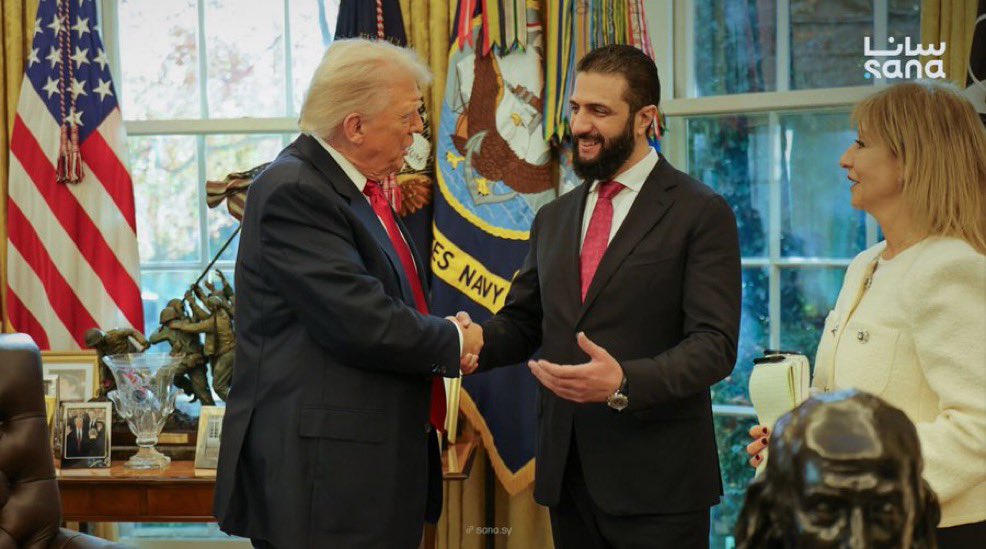
One of these guys was a member of AlQaeda and ISIS, killed American soldiers, beheaded children, set up car bombs killing Iraqi and syrian civilians, slaughtered syrian minorities, but is ready to sell Syria to Israel.
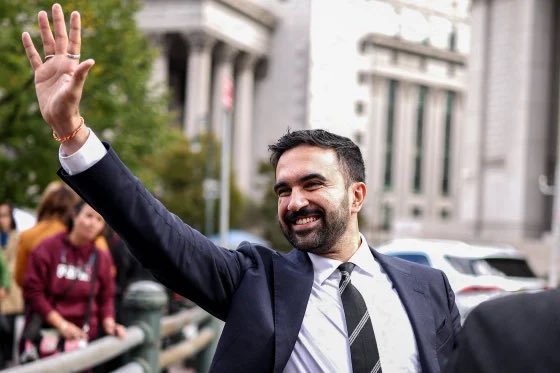
The other guy is an elected Democrat they called a jihadi because he wouldn’t visit Israel.
🚨BREAKING: British veteran breaks down live on TV over state of the country:
"Rows and rows of white tombs for what? A country of today? No, I'm sorry. The sacrifice wasn't worth the result.
I fought for freedom, and it's darn-sight worse now than when I fought."
فاجأني في قضية فضل شاكر كيف انساق كثيرون، بينهم إعلاميون وفنانون، للدفاع عنه بذريعة أنه لم يُطلق رصاصة في معركة عبرا.
لا أعرف كيف تأكدوا من ذلك، لكن حتى لو صحّ، أليست الفتنة أشدّ من القتل؟ أليست عقوبة المُحرّض على القتل كعقوبة القاتل نفسه؟
فضل شاكر لم يكن متفرجاً. كان شريكاً في التحريض، وفي خلق الجو الذي سُفكت فيه دماء الجيش اللبناني. كان الوجه الفني الذي منح أحمد الأسير شرعية شعبية، وجذب الناس إلى مشروعه.
ظهر شاكر في الساحات والفضائيات مرخياً لحيته، منشداً ومهدداً وشامتاً بمن قُتل. وفي كل مقابلة له آنذاك، كان صوته يقطر حقداً وتحريضاً.
وبعد سقوط حركة الأسير، هرب شاكر إلى المخيم واختبأ سنوات طويلة، رافضاً تسليم نفسه إلا بضمانات تُخرجه سريعاً. واليوم يقولون إنه “خاف على حياته” وسلَّم نفسه، وكأنّ الذين يُهددونه الآن ليسوا أنفسهم الذين شاركهم الطريق والهوى بالأمس!
أنا من محبّي صوته وأغانيه، لكن لا يمكن أن أقبل تبرئته بهذه السهولة.
لستُ معصوماً عن الخطأ وأؤمن بشدّة بالفرصة الثانية، لكن فقط لمستحقيها. والتوبة لا تكون بذرف دموع أمام الكاميرا، بل بالاعتراف بالذنب، وبالندم الصادق، وتوطين النفس على عدم التكرار، وبالاعتذار العلني لمن تسبّب بألمهم.
شاهدت مقابلاته الأخيرة، ولم أرَ توبة ولا ندمًا، بل دفاعًا عن النفس وتبريرات لما فعل.
وإن كانت الدولة تتجه للعفو عنه، كما يُشاع عن صفقة أُبرمت لذلك، وسبقها تلميع لصورته عبر منصة “شاهد” وحملة فنانين وإعلاميين، فهل يُعقل أن يتم تجاوز أولياء الدم؟ أهلُ من قُتِلوا وأُصيبوا في معارك عبرا؟
أين العدالة حين يخرج من ألهم القتل ولا يُحاسب، بينما يبقى من غُرِّر بهم في السجون؟
إن كان من ذلك بُدّ، بيّضوا السجون ولتكن فرصة ثانية للجميع إذاً.
كتبت في القضاء والسياسة والأمن لعشرين سنة، وأعرف يقيناً أنّ العدالة في لبنان انتقائية، وأنّ القضاء يُدار بالأوامر السياسية إلا قلّة شريفة تُقاوم.
وأعرف أنّ السجون في هذا البلد ليست مراكز للإصلاح، بل مقابر للأحياء ومصانع للمجرمين. وأنّنا مختلفون على كلِّ شيء حتى على حُبِّ بلادنا، كما يقول محمود درويش.
ومع ذلك، ما زلت أؤمن أن الذاكرة لا تُمحى… وأنّ مَن تواطأ على دمٍ، لا تبرّئه أغنية.