We are a research team that looks at health inequities & strengths among youth who experience stigma, as well as the programs & policies that support them.
Studies using data from the Canadian Trans Youth Health Survey (CTYHS) show family and school supports can offset the mental health risks transgender youth face. We know the way forward
Learn more here: https://t.co/KX9dxXnmtC
The particularly high levels of mental health challenges, self-harm and suicidality experienced by trans and non-binary youth compared to their cisgender (non-trans) peers is sobering. But the positive news is that we know what to do about it (1/2)
Canada is making strides to ensure equal access to healthcare for all- how can we ensure everyone receives the coverage they need for a safe recovery?
Learn more here: https://t.co/YHgXgJVUUr (2/2)
Many people who needed gender affirming surgeries had their surgery entirely covered by a government health plan- but they still paid for travel and other associated care, and had a higher likelihood of complications after surgery than those who paid out of pocket (2017). (1/2)
When we allow young people to be treated badly, we are putting them at risk. How can we protect African Canadian youth from being targeted for racism- so they are free to have the same adolescence as their peers. Learn more at: https://t.co/gCZEhw5ppA (2/2)
African Canadian youth who've been targets of racial discrimination are more than twice as likely to have considered suicide, and report extreme stress (compared to African Canadian youth who haven't experienced racial discrimination; 2021). (1/2)
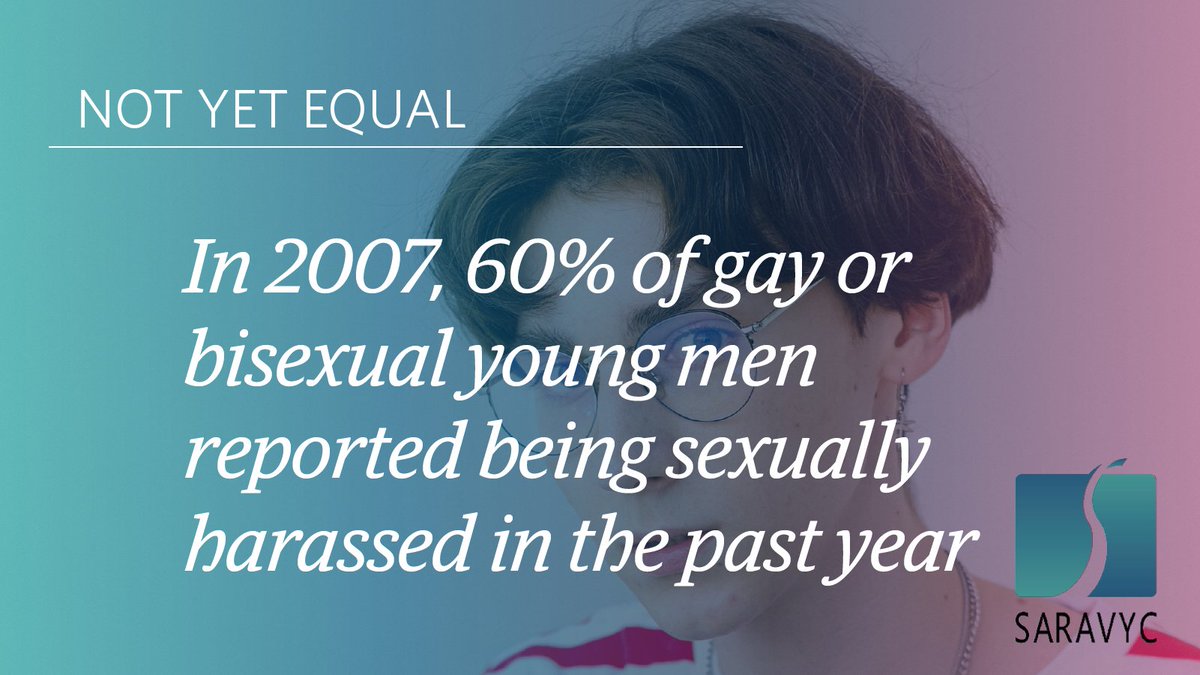
In 2007, 6 out of 10 gay or bisexual young men reported being sexually harassed in the past year. How can we stand up for these young men, and ensure they have the same safety and security as their peers? Find out more here: https://t.co/N66lEkng4x
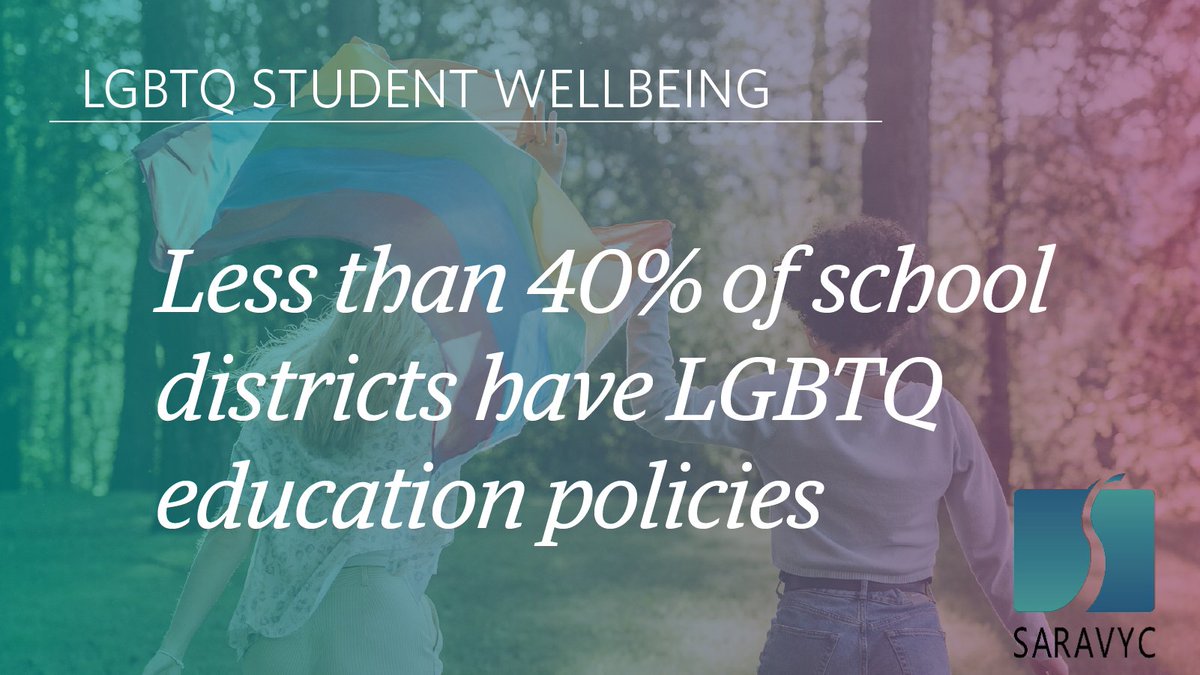
School district CEOs whose districts have implemented LGBTQ education policies believe the policies have resulted in significant gains (2016). So why do less than 40% of school districts have such a policy? (1/2)
Today is #InternationalVolunteerDay.
A volunteer can make a monumental difference in the life of an LGBTQI+ newcomer. Help create belonging for queer and trans refugees in the US by forming a Community of Care:
https://t.co/OITHama0hb
Learn more: https://t.co/Coqp9oAsFG
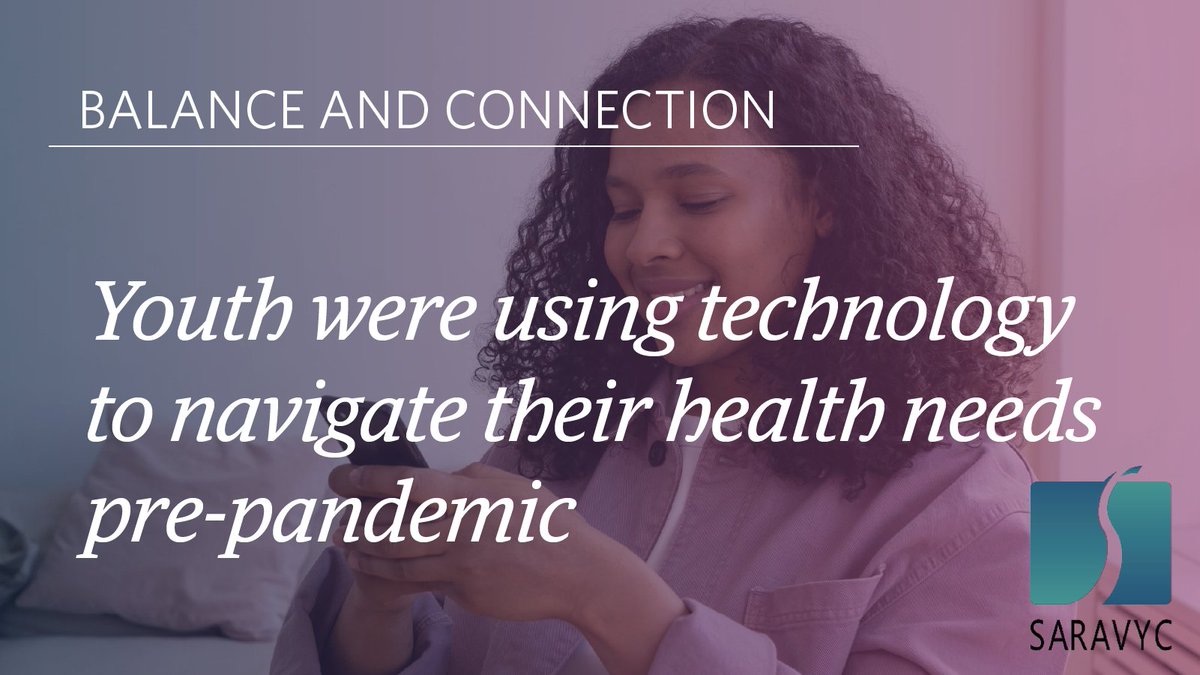
Prior to the pandemic, youth already used technology to navigate their health needs. Twenty percent of BC students with a phone said they had used it recently to access health information (2019).
Learn more about how BC youth engage with their health:
https://t.co/zLcztfTysq
How can youth be effectively supported on-reserve, so they can pursue cultural and familial connections if they choose?
Learn more here: https://t.co/HehoGyhu37
(2/2)
Youth living on-reserve generally experience more challenges to their healthy development than those living off-reserve. But youth living on-reserve were more likely to speak an Aboriginal language, access cultural activities, and find their family’s support helpful (2016)(1/2)
Social relations can influence health in unexpected ways. BC youth who have been bullied report more unsafe sex practices than youth who haven't been bullied (2015).
Find out more about BC youth and sexual health here: https://t.co/r0i9o1dCAl
Trans and non-binary youth in BC are making changes to live authentically in their day to day lives. In a 2019 survey of their wellbeing, 80% said they use a different name and/or pronoun in day to day life than that given at birth.
Find out more here: https://t.co/yJtHOmWagm
Gender diverse youth in BC face challenges but they are resilient. SARAVYC's 2021 report found most gender-diverse youth planned to continue their education beyond high school, were hopeful for the future, and had a network of close friends https://t.co/Eus1XbKfxm
...and female youth were more likely to be exploited while living at home. How can communities support youth whose exploitation might less visible in this way? Find more on the challenges facing sexually exploitedyouth at https://t.co/Ox9klrDNs7 and https://t.co/HYfiW0iOf5 (2/2)
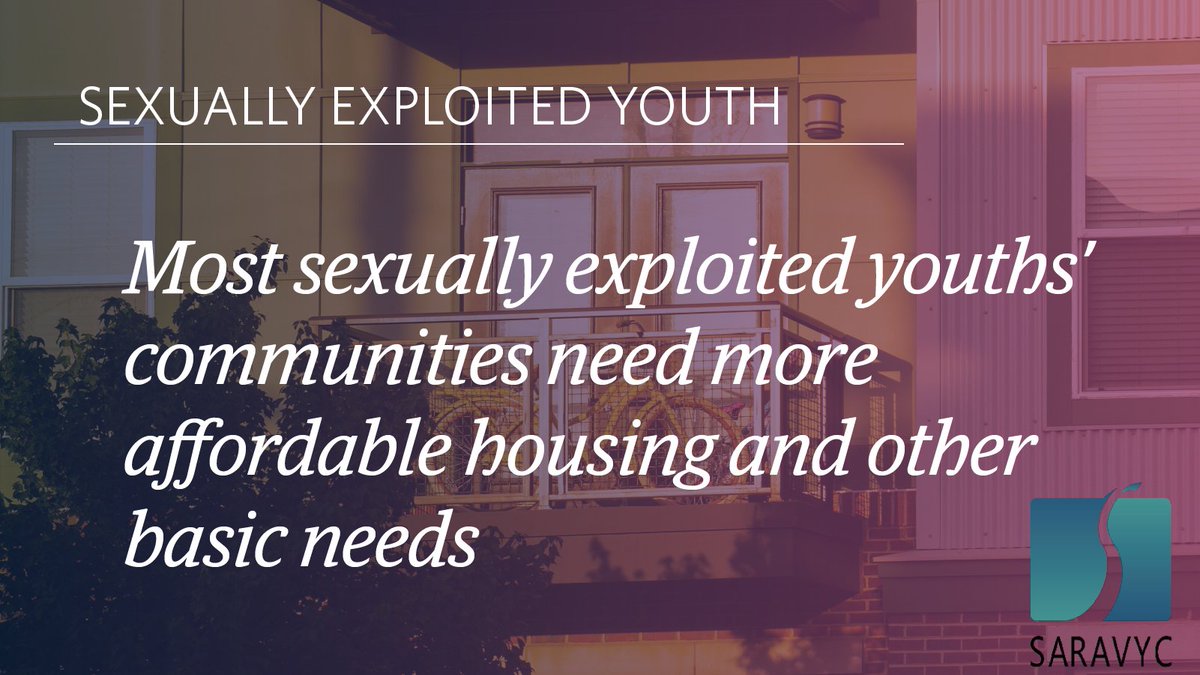
These are very basic needs. Better social services and community supports could help protect youth from sexual exploitation.
Find the full report here https://t.co/Ox9klrDfCz and more work on the challenges facing youth who are sexually exploited at https://t.co/HYfiW0igpx (2/2)
When surveyed in 2008, most sexually exploited youth said their communities needed more affordable housing, job training, and work experience. More than 75% wanted a job, though only 25% had ever held a (legal) job. (1/2)