Lisa Calvo of Sweet Amalia Oyster Farm wanted to find a better way to manage mud worms, a costly shellfish pest common to the coastal Northeast: https://t.co/IRKpLKCxFq
Iowa farmer Bob Recker challenged conventional thinking by asking whether wider corn rows could allow cover crops to thrive without sacrificing farm profitability: https://t.co/iWKHdcYnhB
This newly updated factsheet from SARE features sustainable methods for gastrointestinal nematode parasite control in sheep and goats. https://t.co/qX0eTNtTJs
Texas farmer Diana Padilla secured a Producer Grant from Southern SARE to investigate whether farm-grown moringa oleifera, a rapidly growing, drought resistant tree native to India, could serve as a practical and sustainable feed substitute: https://t.co/cfGsMEOZ67
Zachary Withers used a Western SARE Farmer/Rancher grant to examine whether applying compost could help his soil retain more rainfall, reduce erosion and improve forage production. https://t.co/wMrVBAhE66
SARE Outreach is seeking recommendations for information products that we can develop to extend practical, research-based innovations to improve the sustainability of American agriculture. Please submit your ideas by June 15th: https://t.co/q9rxsasC6x
"The goal of this project was very simple—work with farmers to figure out nitrogen fertilizer rates for dahlia, but it turned into an amazingly complex case.” https://t.co/B8Qjp8QWct
SARE’s newest bulletin provides guidance on using enterprise budgets, recordkeeping systems and partial budget analysis to evaluate management decisions for diversified farm operations: https://t.co/jKLwY7ob4P
Farmers across the United States are invited to share their insights on cover crops in the National Cover Crop Survey: https://t.co/DumCOEdyR8 @ctic_tweet@Better_Seed
SARE-funded research conducted by Peixin Fan may provide insights on microbiome-guided strategies that offer beef and dairy farmers new options for improving livestock resilience and profitability: https://t.co/r1YSuYQpMf
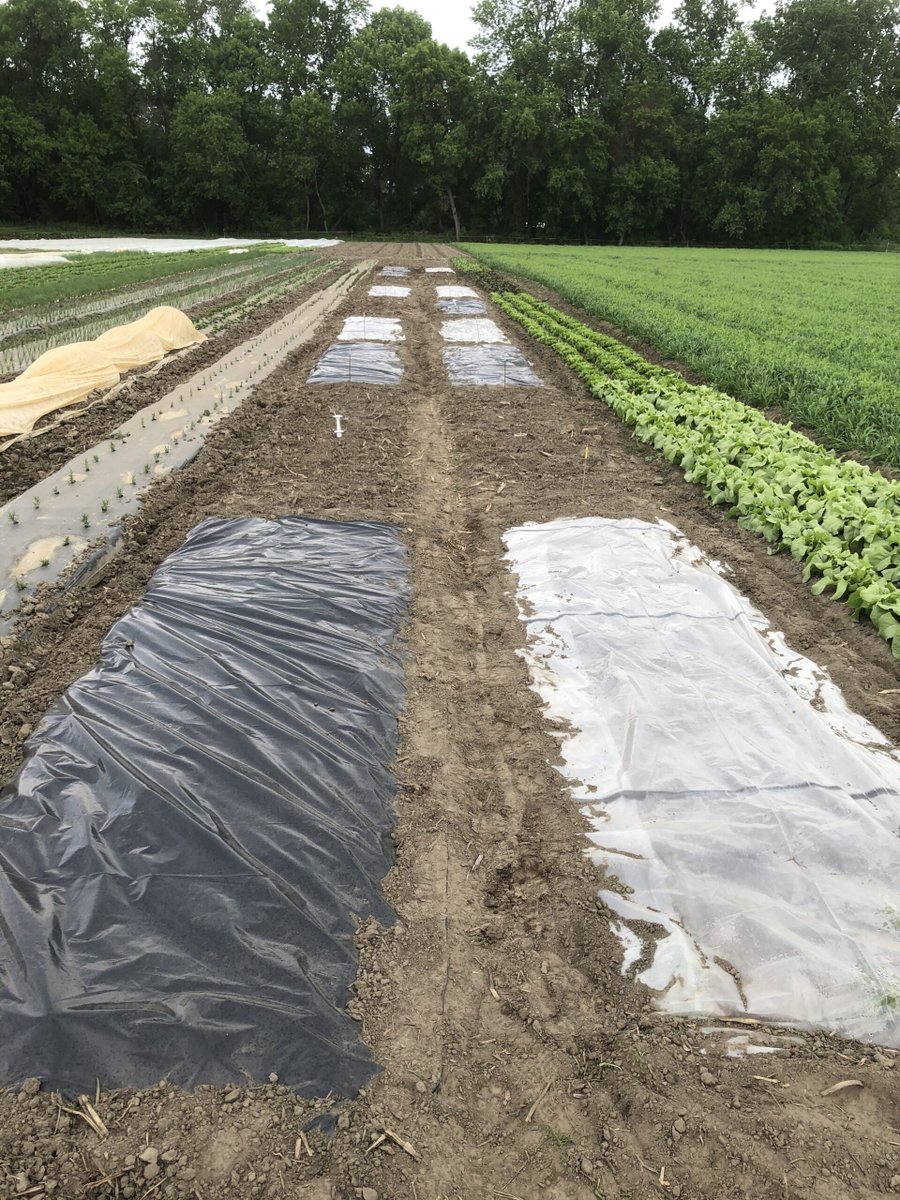
Tarping dramatically reduced weed cover (around 30% weed cover in tarped plots versus 90% in control plots) and doubled crop yields. https://t.co/MwKichP7dS
SARE has been around for nearly 40 years. The impacts that our grant and outreach programs have had on the sustainability of U.S. agriculture are because of one simple thing: Farmers and ranchers are at the center of everything we do. https://t.co/uDkQAjxEtM
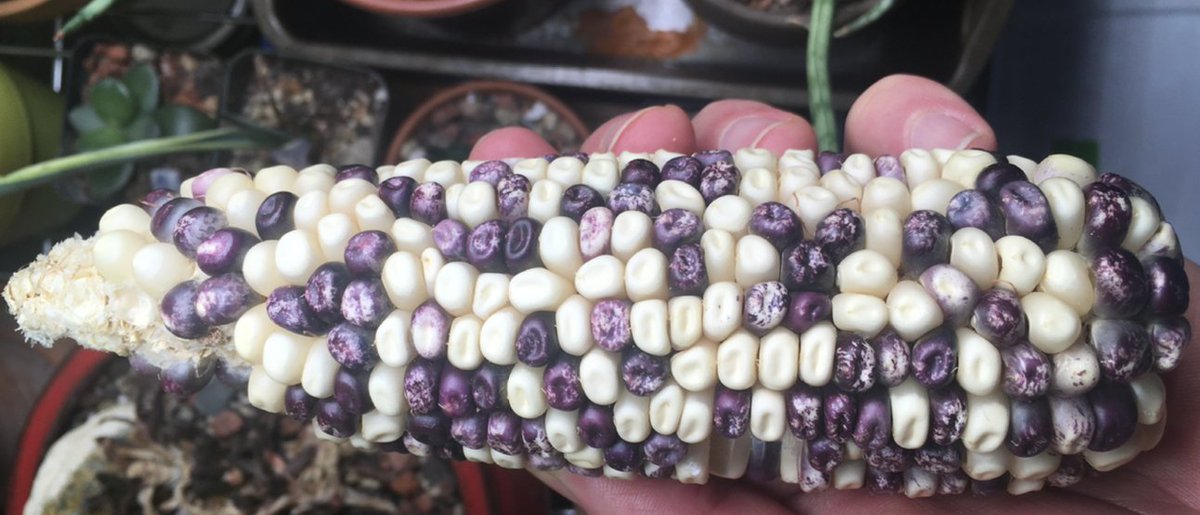
When nutritious ancestral flour corn seed varieties are available, it’s important to understand how to use modern production practices to improve their yield and production efficiency. https://t.co/U6h8OqrLbM
Farm Commons, a nonprofit based in Minnesota, helps producers build resilient agricultural businesses by training both them and educators in sustainable farm law. https://t.co/PRai2q4qiG
Heather and Alby Brandon know that raising nearly 20 acres of mixed fruit and vegetable crops requires constant experimentation and evolution: https://t.co/1qABSAIQBu
At HKJ Ranch in Cobbtown, Ga., fourth-generation cattle farmer Handy Kennedy knows firsthand how critical it is to reach out for support, especially in today’s complex and rapidly changing agricultural landscape: https://t.co/ZoFETYlTkS
In Tennessee, innovative research into biofumigant cover cropping practices has provided nursery producers with new options for managing diseases while reducing workers’ exposure to chemicals: https://t.co/vtH23QxBTd
Nearly seven million dollars in funding is now available for sustainable agriculture projects taking place in the Northeast beginning in 2026. https://t.co/zkvxln84gE