#FlashbackFriday to 2019, when PhD candidate Risa uncovered this fossil tooth on Rusinga Island in Kenya. There's nothing quite like your first fossil find of the season 🦷✨
This is a lower premolar from a fossil tragulid from the Miocene (23-5.3 million years ago)
#fossilfriday
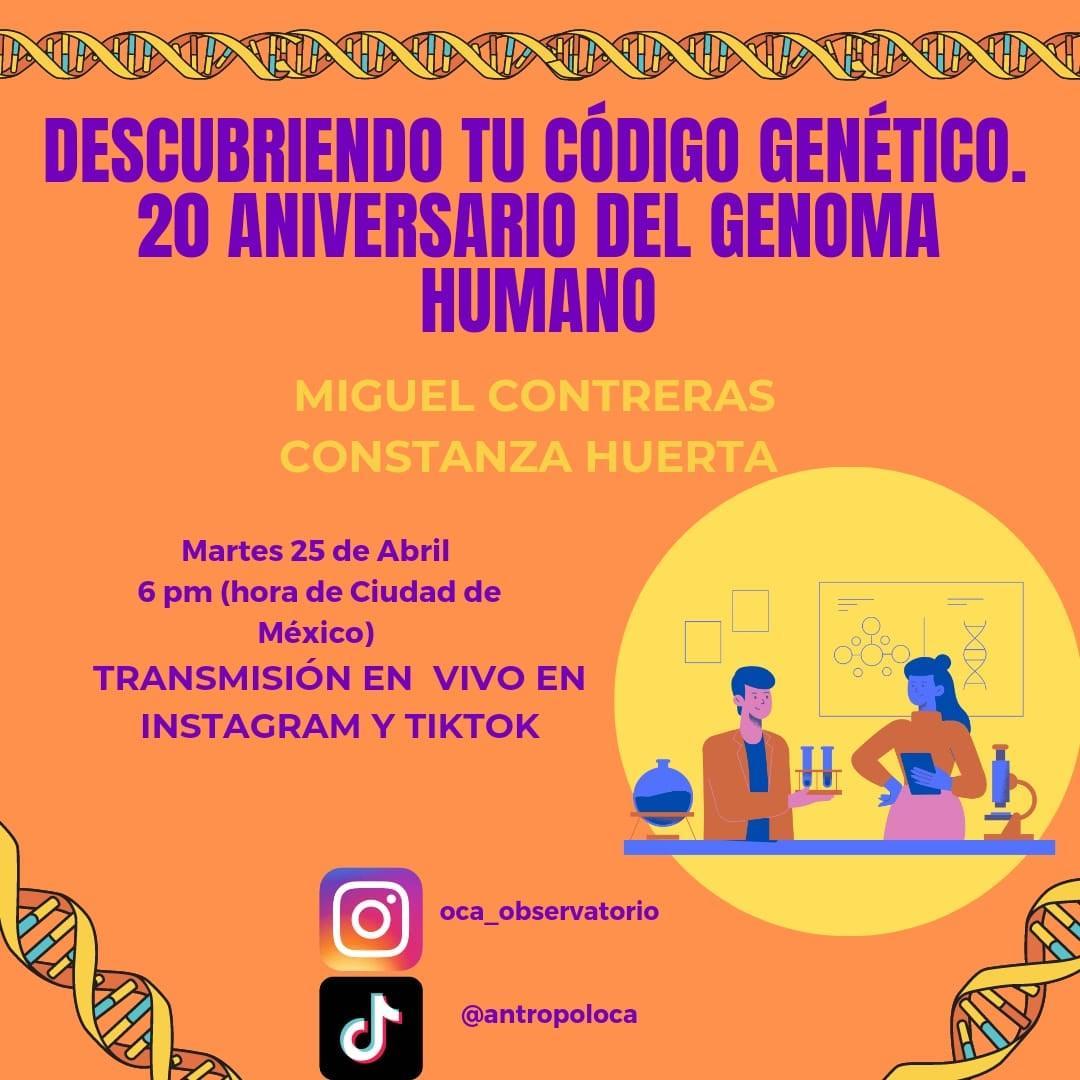
¡Celebremos los 20 años del Proyecto Genoma Humano!
Learn about DNA and genomics by tuning into tonight's live Q&A session hosted by UMN PhD student, Miguel Contreras, and his colleague, Constanza Huerta🧬
We love a reunion! This weekend a group of past, present, and adjacent UMN bio anthropologists gathered for lunch at the annual meetings of the American Association of Biological Anthropologists in Reno, and we couldn't have asked for a more beautiful day 🐒💀🧬🦍 #aaba2023
On Friday, April 14th, our co-founder, Katrina Yezzi-Woodley, met with grad students and faculty from the anth department at Rutgers to discuss building community-engaged K-12 educational programming!
The students are leading the initiative and already doing impressive work📝
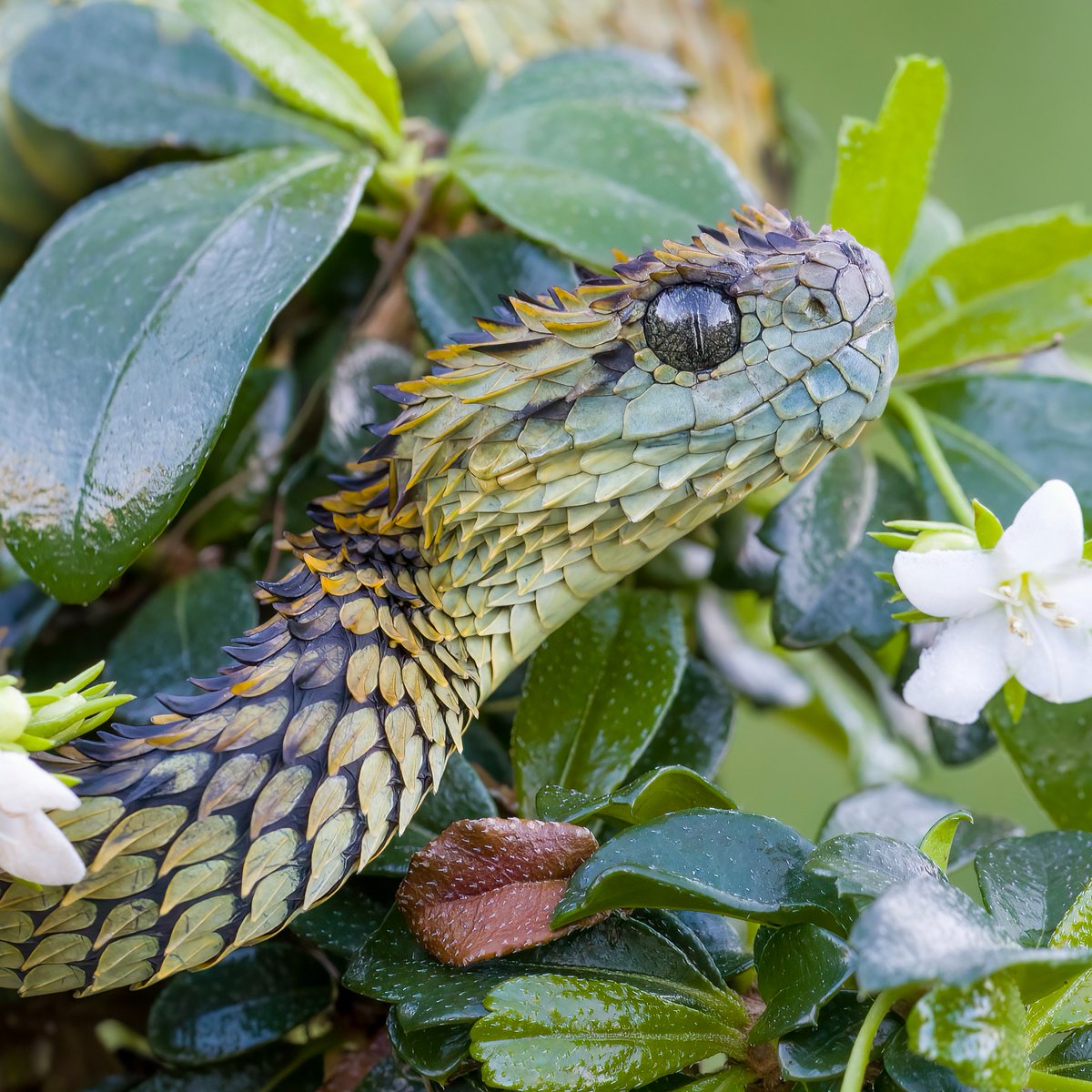
Cute but deadly 🐍
Spiny bush vipers are a part of the venomous viperidae family. These snakes live in remote locations with minimal human interaction; however, if bitten, their neurotoxic venom can be fatal to humans.
#EarthCapture by Mark Kostich via Instagram
Today is National Pet Day, which gives us the opportunity to share this image from our collections of a woman taking her pet duck for a walk in 1937. We now return you to your regularly scheduled internet.
ID: M.18.H.1 Packet 74 (Locator Number)
Link: https://t.co/kBCerr9LNR
Jeffers Petroglyphs is hosting an event to explore Indigenous astronomy, light pollution, and the dark night skies. The free event is on Friday, Apr 14, from 3-10 pm. A portion of the event will be available on Zoom. Check it out today! https://t.co/45ftkNl9KE
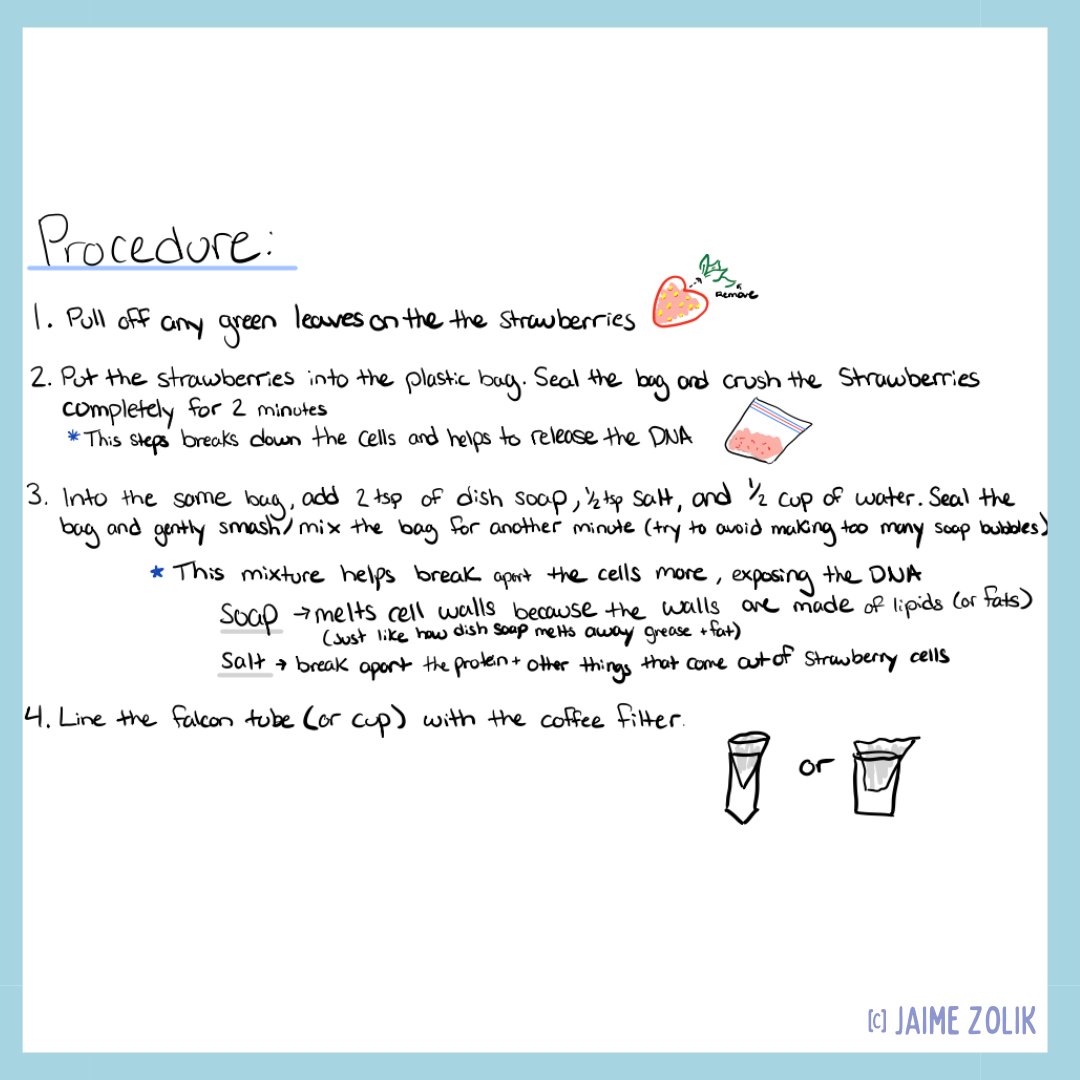
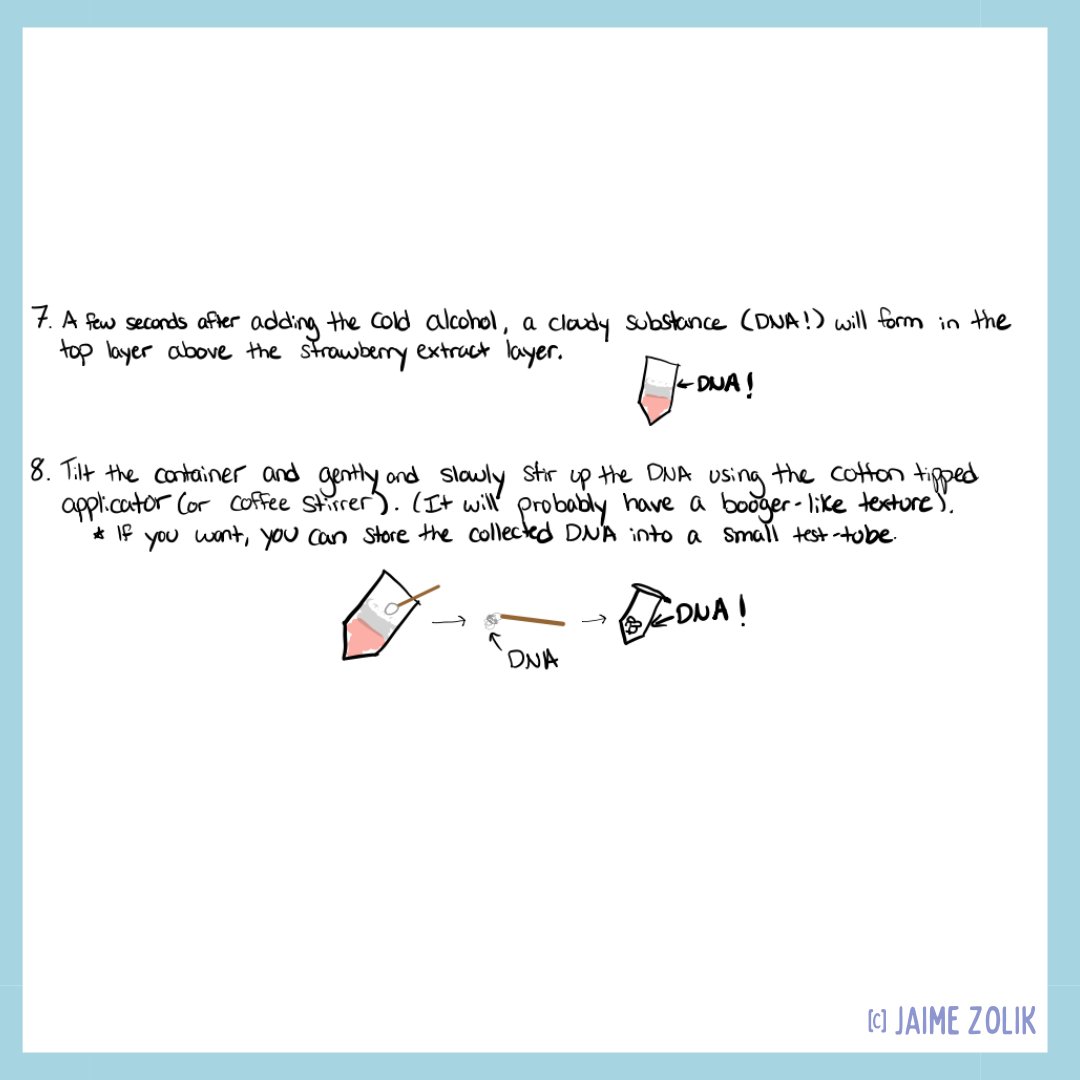
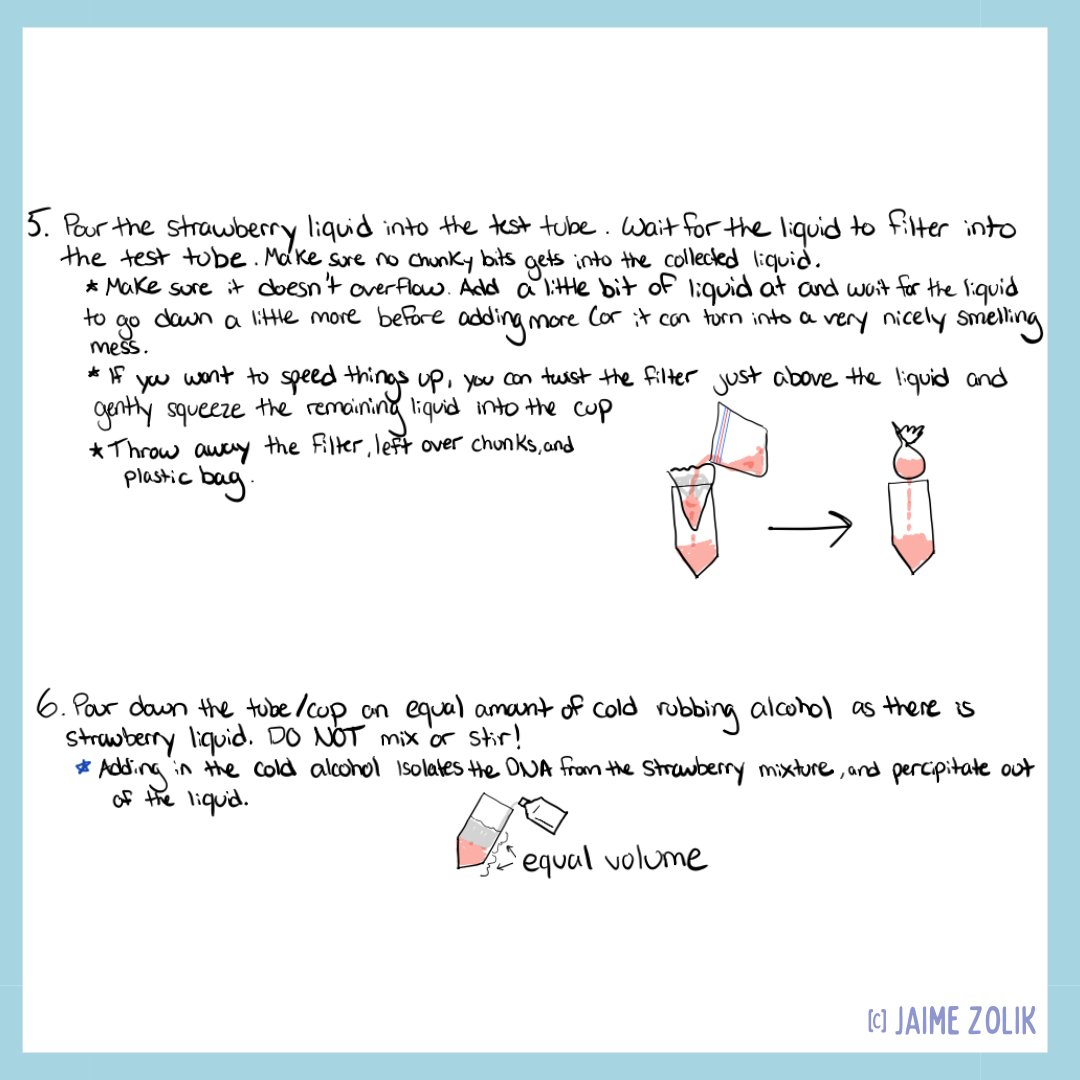
Did you know you can do #DNA experiments at home? 🧬🍓👩🏽🔬
UMN PhD student, Jaime Zolik, put together these easy instructions for extracting DNA from a strawberry, using tools you already have! You can learn more about her lab here: https://t.co/5HKfkGzUmw
#CitizenScienceMonth
Those eyes! 😍
The black panther’s emerald green eyes are incredibly strong. At night, their eyesight is six to seven times stronger than humans.
#EarthCapture by Yashas Narayan via Instagram
This #TrilobiteTuesday, a remarkable Triarthrus eatoni #trilobite from the #Ordovician Beecher Beds in #NewYork. The antennae and limbs are intact, and a few small gastropod shells are found nearby - possibly meant to be its next meal?
photo: https://t.co/JWiAmghYv7
This visualization by @nicolaraluk shows the occurrence of earthquakes on Earth between July 2017 and July 2018, but differently from other charts, this ones shows them with their depth.
Here you can find the interactive version: https://t.co/ctsei4wsDo
Why so blue?
Male southern tree agamas will change from a dull brown colour to striking blue hues when trying to attract a mate.
#EarthCapture by Moana Ghiandoni via Instagram
Let's talk about the fish with flashlight eyes.
Anomalops katoptron, the Splitfin flashlightfish, has pouches under each eye filled with bioluminescent bacteria. It has a built in reflector & shutter to direct the light or conceal it at will.
For years, we didn't know why.
March 14th day is an annual celebration of Pi, or π!
Pi is a constant mathematical value, beginning with 3.14, that represents the ratio of a circumference of a circle to its diameter. It's also Albert Einstein's birthday, so why not celebrate with a nice big slice of 🥧?
Did you know that some fossils are also considered gemstones? For National Jewel Day, let's check out one of the most famous gem fossils: Ammolite. This iridescent opal-like gemstone is made of the fossilized shells of ammonites.
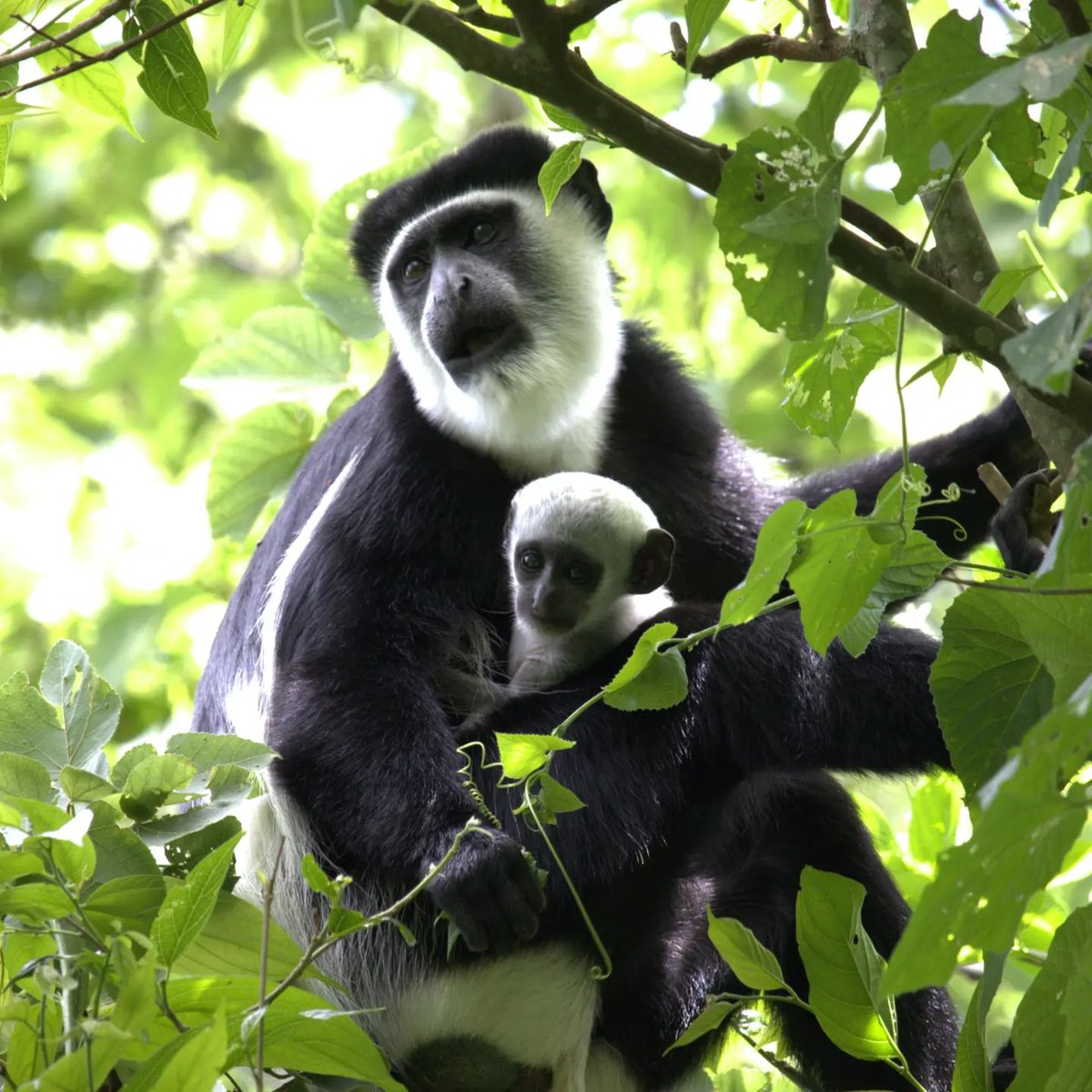
Did you know that some baby monkeys are born with entirely different color coats than their moms?
The reason for distinctive natal coats in primates is still debated amongst primatologists, but we agree that this must somehow protect the next generation!
📷&🎨: Risa Luther















![Rainmaker1973's tweet photo. A lightning strike seen from an aircraft's cockpit
[Combat Learjet: https://t.co/4Fj2HqF7bL] https://t.co/gm7IJVFIpM](https://pbs.twimg.com/media/FsFKjO9XwAICjkR.jpg)


