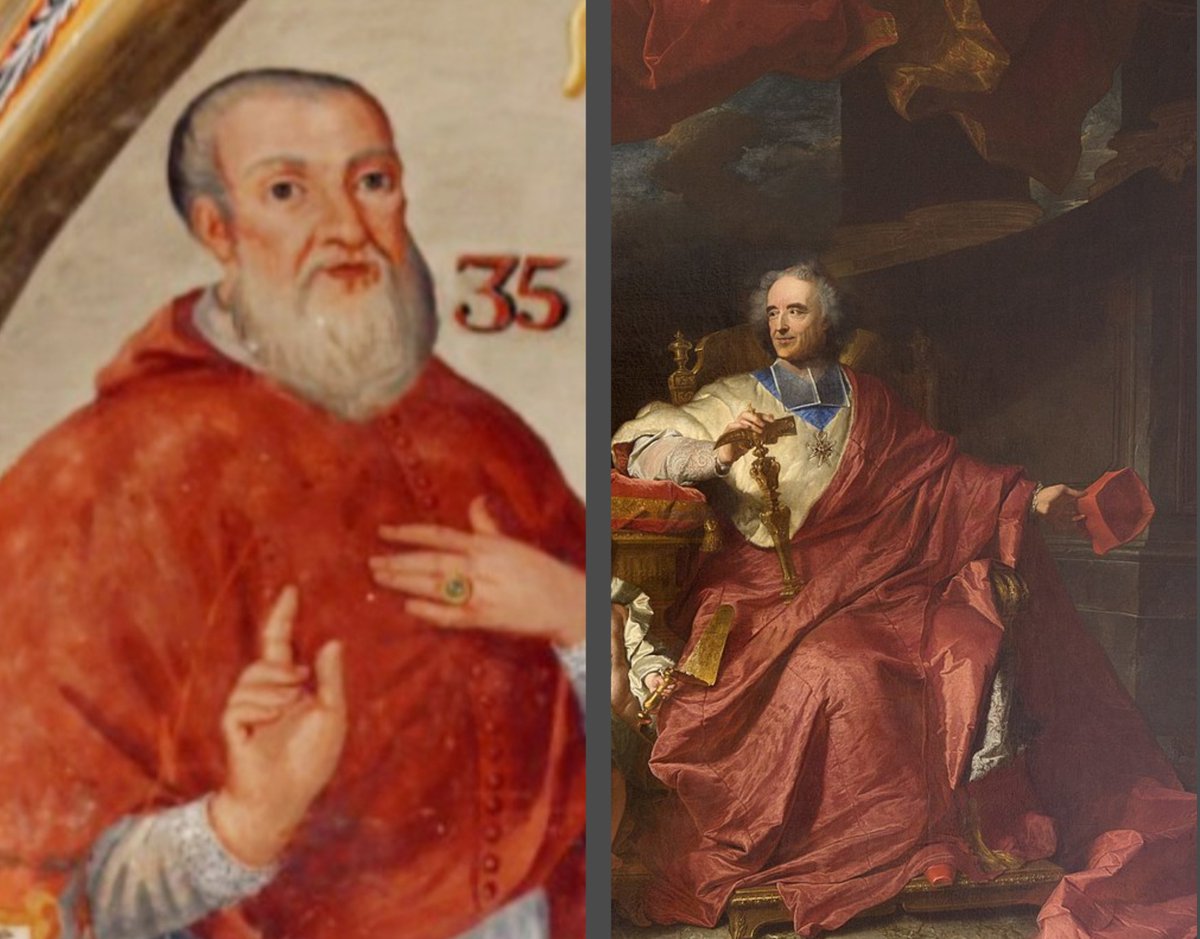
Researchers from @mpilhlt share the results of interdisciplinary work on the #LegalHistory of the Sacred Congregation of the Council #SCC. With @BenedettAlbani
We’re hiring!
We have a vacancy for a research fellow in Digital Humanities within our research group.
📍Frankfurt, Germany
🗓 Deadline: 07.07.2026
Further information and online application: https://t.co/GvSzu67aoE...
Please share this with anyone who might be interested!
What does Pope Francis @Pontifex have to say about one of our fields of study, #ChurchHistory? He recently revealed it in an official letter published on 21 November! See more about that in: https://t.co/l491O34zwF
Today Anna Clara and Yohan from our research group joined several researchers from the Department Historical Regimes of Normativity of the @mpilhlt for a Christmasy lunch at the #Weihnachtsmarkt in Frankfurt! Oh, how we love this time of the year! #SCCresearcherlife🎄
In the context of the Catholic Church – and the #SCC is no exception here – the practice of Latinising names was more than just a linguistic formality: it was a vital component of ecclesiastical identity and function. Wish to know more? Check: https://t.co/4gTFBdCJ3Y
Our research group uses @neo4j graph database, a powerful software with allows us to represent patterns in entities and their relationships in large datasets.🙂
In data-driven historical research, mapping historical sources into a structured and standardised data model is a central task.
This is what we are doing in the project 𝐒𝐂𝐂 𝐏𝐨𝐬𝐢𝐭𝐢𝐨𝐧𝐞𝐬 𝐄𝐱𝐩𝐥𝐨𝐫𝐞𝐫 https://t.co/2gOzLTM0dz .
These can then be segmented according to their semantic roles, while links between entities are represented by relationships.
Moreover, modelling data in a graph-based structure (graph data model) allows information to be related to each other in a flexible way.
Did you know that between 1846 and 1856, 𝐭𝐡𝐞 𝐒𝐞𝐜𝐫𝐞𝐭𝐚𝐫𝐢𝐚𝐭 𝐨𝐟 𝐭𝐡𝐞 𝐂𝐨𝐧𝐠𝐫𝐞𝐠𝐚𝐭𝐢𝐨𝐧 𝐨𝐟 𝐭𝐡𝐞 𝐂𝐨𝐮𝐧𝐜𝐢𝐥 was located in 𝐭𝐡𝐞 𝐂𝐨𝐥𝐥𝐞𝐠𝐞 𝐨𝐟 𝐭𝐡𝐞 𝐓𝐡𝐞𝐚𝐭𝐢𝐧𝐞 𝐅𝐚𝐭𝐡𝐞𝐫𝐬 next to this church? #jubilee2025#sccresearchlife
In preparation for the 𝐉𝐮𝐛𝐢𝐥𝐞𝐞 of 2025, 𝐑𝐨𝐦𝐞 became a major construction site in 2024. 🏗️
Many of the city's famous places, such as 𝐏𝐢𝐚𝐳𝐳𝐚 𝐍𝐚𝐯𝐨𝐧𝐚 and 𝐏𝐢𝐚𝐳𝐳𝐚 𝐑𝐢𝐬𝐨𝐫𝐠𝐢𝐦𝐞𝐧𝐭𝐨 are quite different from how we usually see them in pictures.
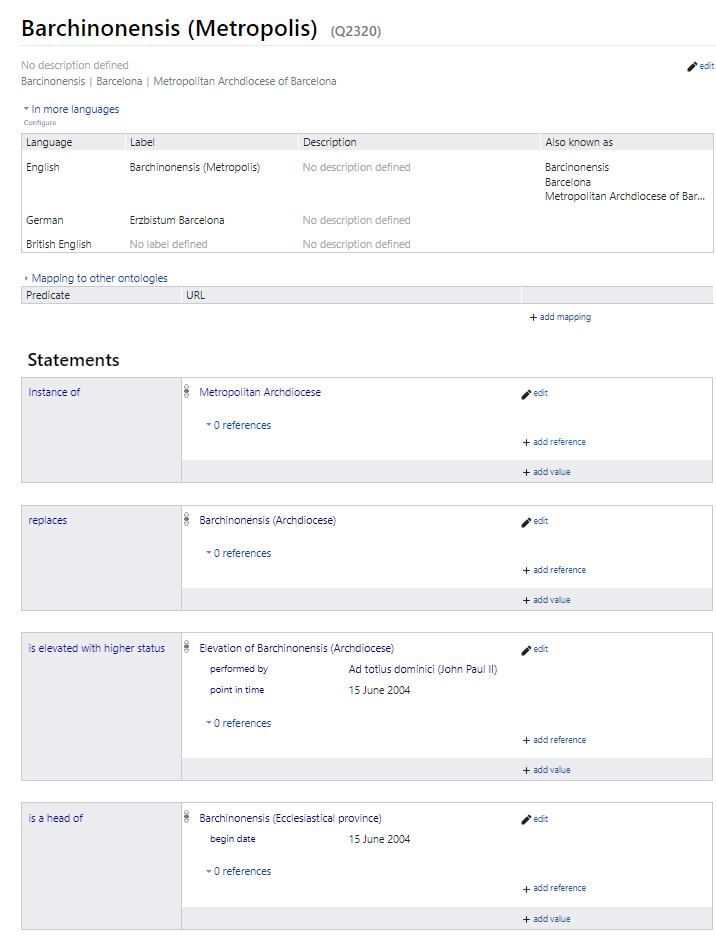
Technologies from information science such as 𝐒𝐞𝐦𝐚𝐧𝐭𝐢𝐜 𝐖𝐞𝐛, 𝐋𝐢𝐧𝐤𝐞𝐝 𝐃𝐚𝐭𝐚, 𝐨𝐧𝐭𝐨𝐥𝐨𝐠𝐢𝐞𝐬, and 𝐤𝐧𝐨𝐰𝐥𝐞𝐝𝐠𝐞 𝐠𝐫𝐚𝐩𝐡𝐬 are becoming increasingly important in Digital History research.
There are currently 6200 items on OrDi and we're expecting a launch soon. Stay tuned!
Piqued your interest in Digital Humanities, look at our previous posts on these topics!