SCI member Gheorghe Chistol & others reveal that lagging-strand #DNAreplication recruits new polymerases for each #OkazakiFragment rather than recycling enzymes, showing that leading- and lagging-strand synthesis are not directly coupled. https://t.co/4q5ZPWuGqi
SCI member @HaydenGephartMD & others find that loss of estrogen or progesterone receptor expression in #BreastCancer is associated with increased CNS metastasis, earlier leptomeningeal disease, and poorer survival. https://t.co/MhCFOUAPz9 #BrainMetastases
SCI member Gheorghe Chistol & others uncover how PRIMPOL helps restart stalled #DNAReplication, working with the CMG helicase and DNA polymerase epsilon to ensure accurate DNA synthesis and protect #GenomeStability. https://t.co/pbKNzkjRDy
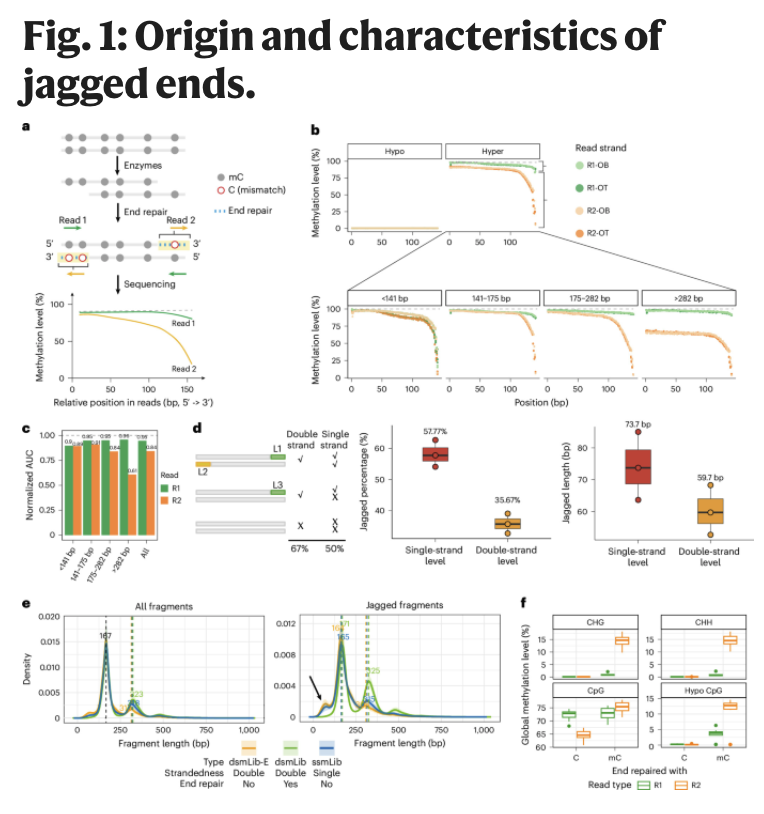
SCI member @AshAlizadeh & others introduce JEEPERS, a new method that corrects DNA sequencing errors to improve cfDNA methylation profiling, enabling more accurate cancer detection, tumor monitoring, and molecular characterization through liquid biopsies. https://t.co/w8pftXOZJS
SCI member @HaydenGephartMD & others report Phase 2 findings of QBS72S in #BreastCancer#leptomeningeal disease. The treatment reached the CSF, was generally well tolerated, & showed potential to improve symptoms & delay disease progression. https://t.co/M9x96IdlWO
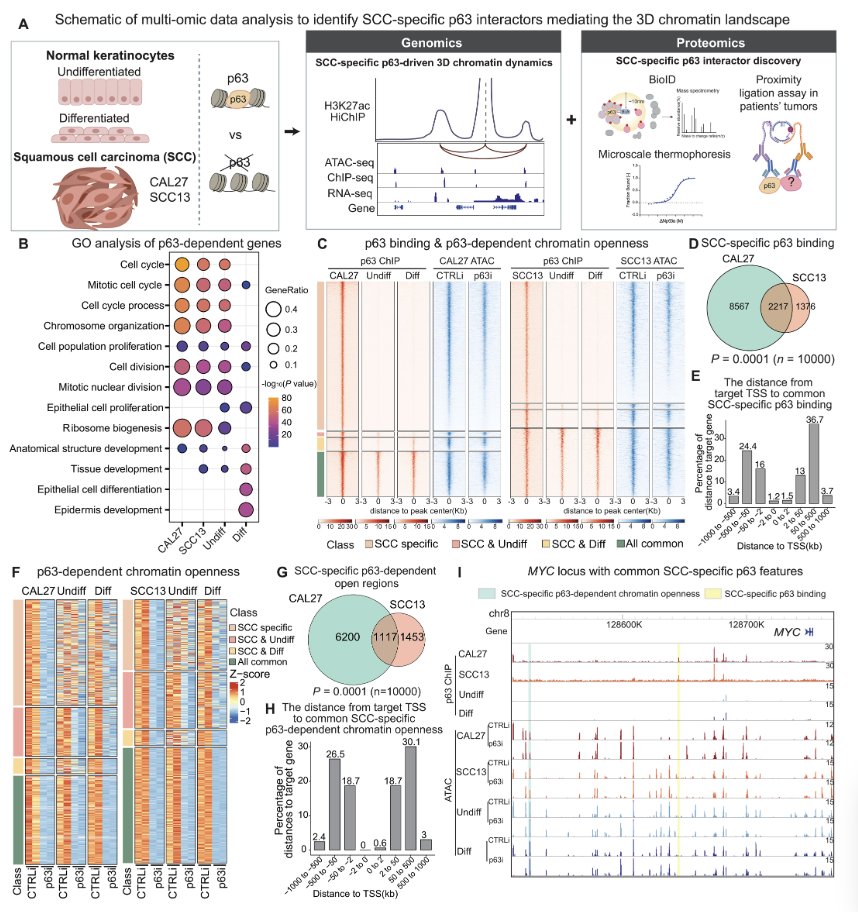
SCI member Paul Khavari & others found that p63 and FOXK1 work together to reshape DNA organization in squamous cell cancer, switching on cancer-promoting genes. This interaction was found in tumors, but not normal tissue. https://t.co/s3OoBagjbC
SCI member @HaydenGephartMD & others report QBS72S reached cerebrospinal fluid and was well tolerated in #BreastCancer leptomeningeal disease, with some patients experiencing sustained disease stability or improvement. https://t.co/R0IuQzEqp9
SCI leader Melissa Bondy & others found mental disorders were associated with higher cancer-specific mortality, with the strongest link 2–5 years after diagnosis. Findings support integrating mental health care into #CancerSurvivorship. https://t.co/2E7z3tnidX
SCI member Ansuman Satpathy & others engineered synthetic transcription factors that reprogram #CARTCells to boost cancer-killing ability, reduce exhaustion, and improve persistence, potentially making cell therapies more effective against tumors. https://t.co/PFRIOSLDuK
SCI member Michael Bassik & others mapped over 92 million enhancer-gene interactions across human cell types and tissues, improving our ability to link genetic variants to the genes they affect and understand the biology underlying disease. https://t.co/G1JeZYFoeW
SCI member @BianxiaoC & others develop GTACs, bispecific antibodies that trigger GPCR internalization and degradation, potently blocking receptor signaling. This strategy could expand therapeutic options for cancer, viral infections and immune diseases. https://t.co/KYaUZZLRma
SCI member @GarryPNolan & others map cellular states across 54 #neuroblastoma tumors, uncovering ADRN and MES tumor cells. Crucially, high MES gene expression predicts worse survival, independent of clinical risk factors. https://t.co/JLwKH7DIoC
SCI members found that urine cfRNA can noninvasively reveal #BladderCancer, track residual disease, and uncover immune signatures that predict response to BCG versus chemotherapy, potentially enabling more personalized treatment. https://t.co/COzWG0QzZZ @AshAlizadeh@liaojoe1
A new ENCODE resource maps 92M+ enhancer-gene interactions across human tissues and cell types, revealing how enhancers regulate genes and disease-linked variants. SCI members Michael Bassik, William Greenleaf & others advance gene regulation. https://t.co/7kEt7hq42u
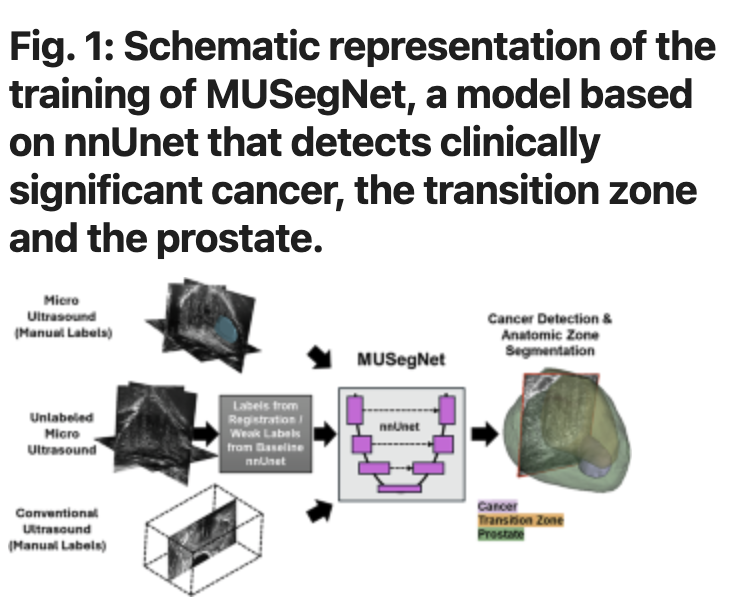
SCI member Mirabela Rusu & others developed MUSegNet, an AI tool that automatically detects clinically significant prostate cancer on micro-ultrasound. It outperformed baseline models and expert readers, with potential to improve biopsy targeting and reduce variability.
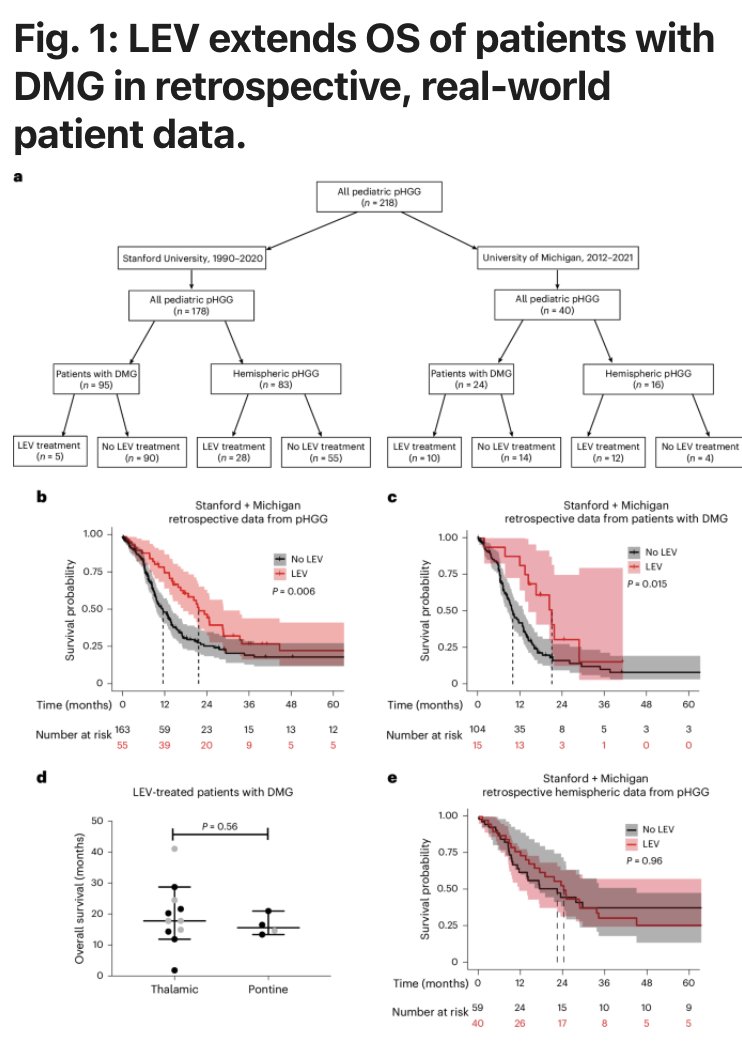
SCI member @michelle_monje and team found that levetiracetam, an anti-seizure drug, disrupts GABAergic neuron-to-glioma synapses in #DMG#DIPG, slowing tumor growth and extending survival in both mouse models and retrospective patient data. https://t.co/L1aM5OQNdp
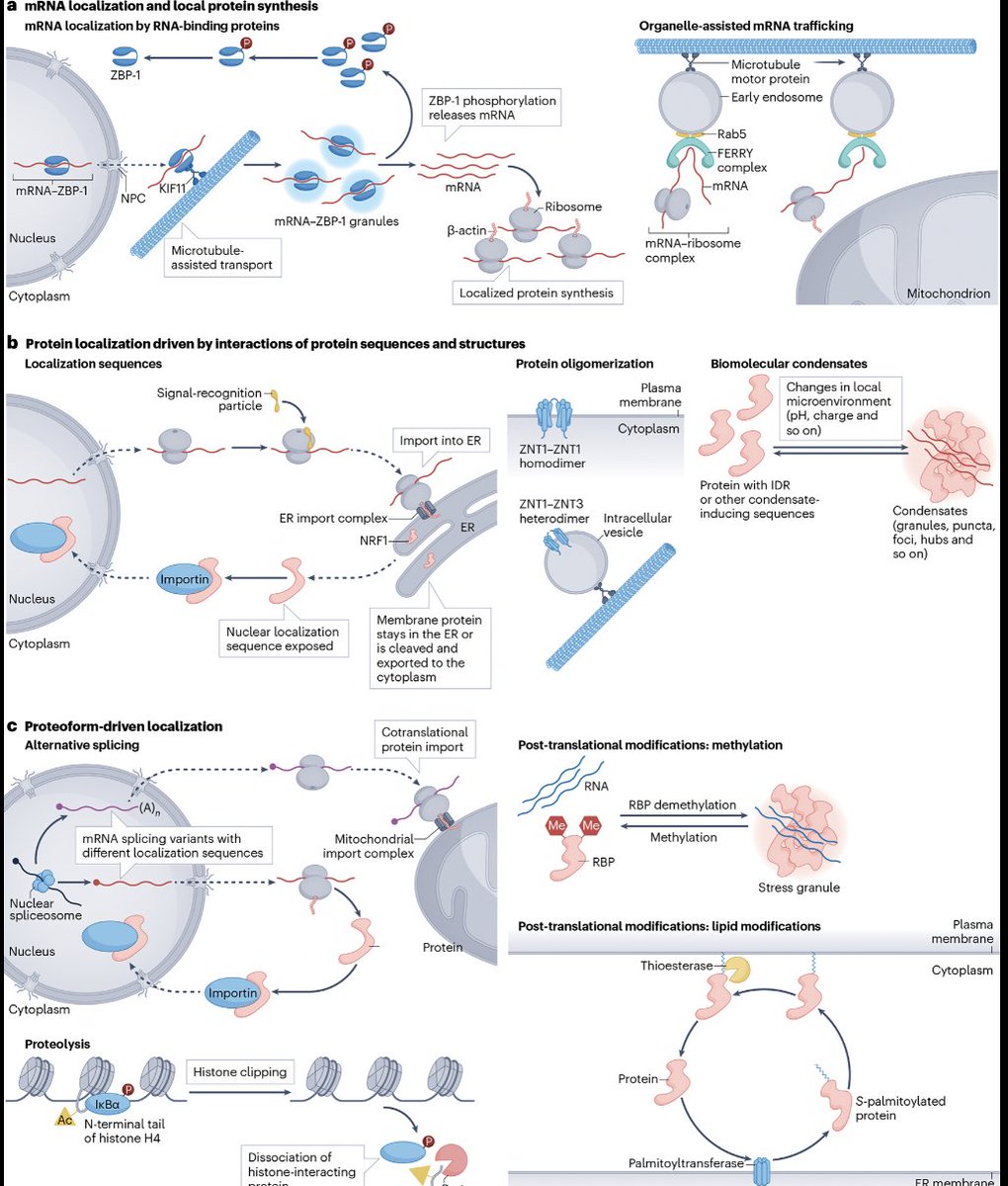
Protein location shapes protein function. A new review highlights how multilocalization enables multifunctionality, while mislocalization contributes to disease. SCI member Emma @Prof_Lundberg & others explore the future of spatial biology. https://t.co/S1t7SYCq9H
It was a pleasure to welcome the next generation of cancer researchers to Stanford today for the Comprehensive Cancer Research Training Program. Seeing the talent and curiosity of these emerging scientists gives me great optimism for the future of cancer research. #CancerResearch
SCI member Ruijiang Li & others developed ELF, an ensemble of five pathology foundation models that improves #CancerDiagnosis, biomarker detection and treatment response prediction across multiple cancers. https://t.co/m2Ezx3wOmB
SCI member @DrBetofMDPhD and others show that combining lymphodepleting chemotherapy with dual immune checkpoint blockade enhances clonal expansion of effector CD8+ TILs, delays tumor growth and improves survival. https://t.co/sJ8IfumlBe