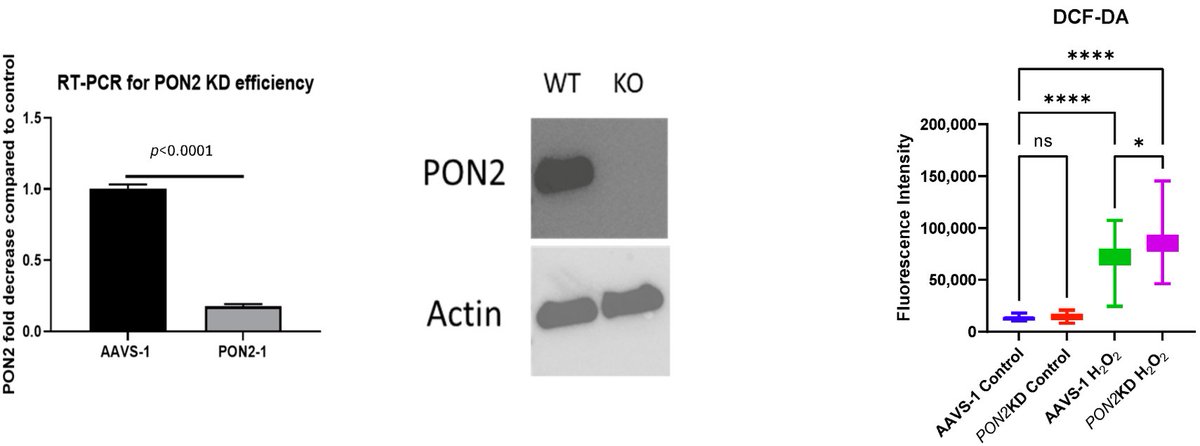
A new study published in Antioxidants sheds light on the role of Paraoxonase 2 (PON2) in defending airway epithelial cells against oxidant stress, offering potential insights for managing T2-low asthma—a challenging subtype with limited treatment options. https://t.co/eipvFaAWk0
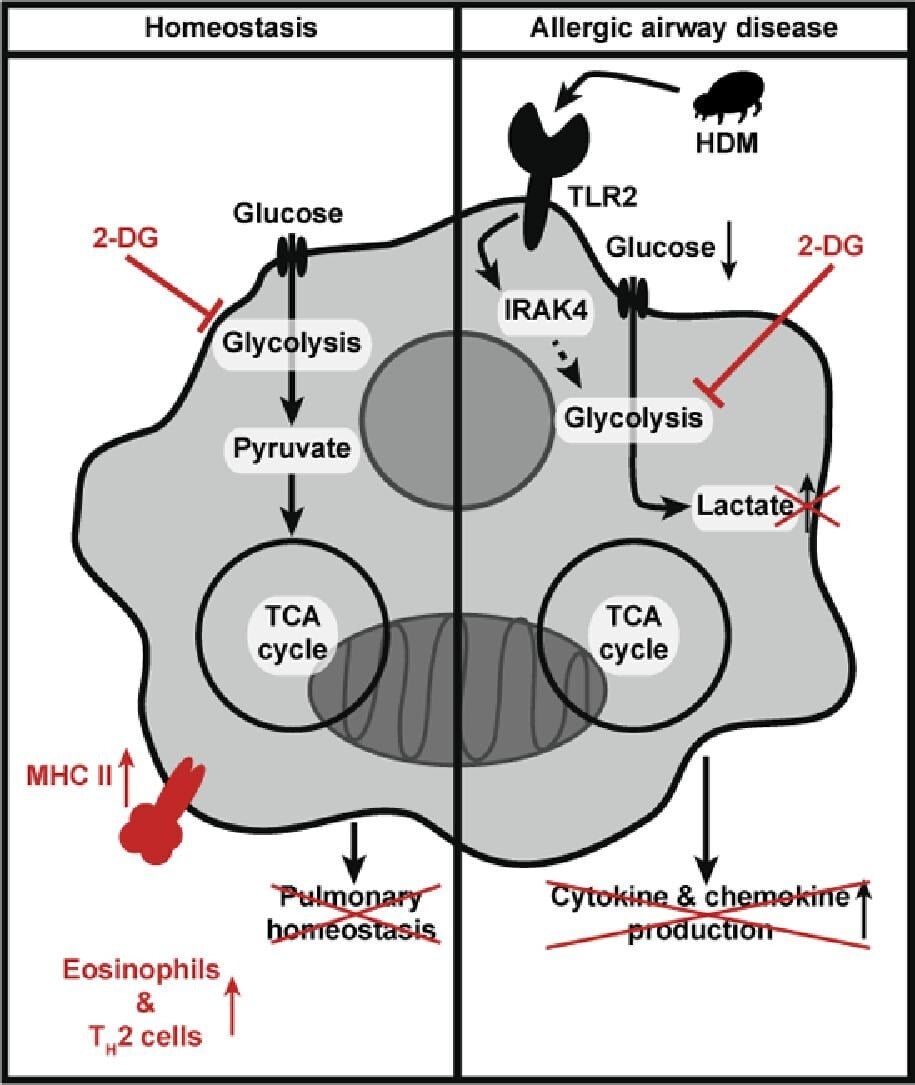
New research reveals that airway macrophages (AMs) rely on glycolysis to maintain lung function and control responses to allergens. This finding suggests that targeting AM metabolism could be a promising strategy to manage lung diseases.
https://t.co/K7Pnbz2J8k
New research in Scientific Reports from the Drs. Bill Ameredes and Ramkumar Menon labs uncovers how fetal microchimeric cells—fetal cells present in maternal tissues—impact maternal lung health after term and preterm births.
https://t.co/65GFXOo9wV
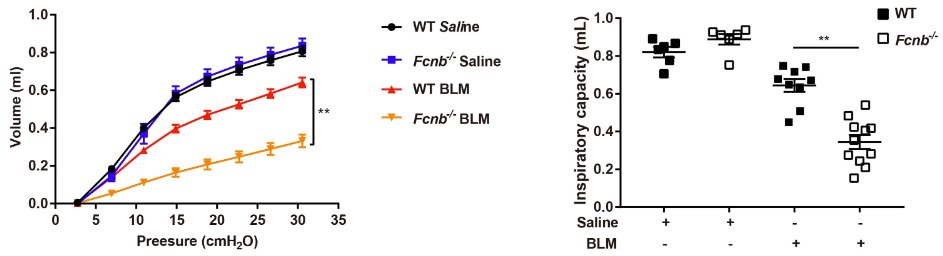
A new study published in the Journal of Translational Medicine highlights how ficolin-1 may revolutionize treatment for fibrotic lung diseases.
Read more here: https://t.co/EHdDGsE2ZR
#flexiVent#flexiVentLungFunction#PulmonaryFibrosis#IPF
I’m proud to be one of 34 international researchers (lead author @Mkg_Lehmann) who contributed to this invaluable resource informing best practice for lung research using PCLS 🫁
@atscommunity@ATS_RSF@ATS_RCMB
New research published in Pediatric Research highlights how the drug Nintedanib (NTD) may help preserve lung growth and prevent pulmonary hypertension (PH) in cases of hyperoxia-induced lung injury—a model for Bronchopulmonary Dysplasia (BPD).
https://t.co/fjyckCMouU
Recent publications by Tina Chou and by Taylor, A., et al (2024) introduce a novel method for capturing VOCs from the breath of intubated mouse models that integrates advanced sorbent tube technology with the #flexiVent system.
Read the full blog here: https://t.co/whMLRdUCJc
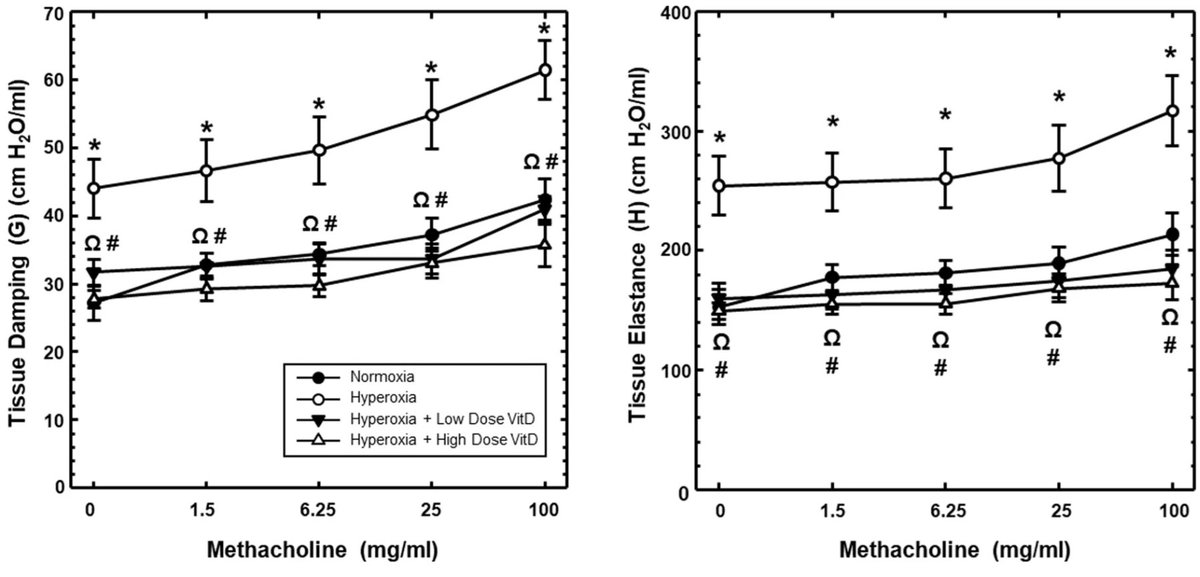
Prolonged oxygen therapy in preterm neonates can lead to Hyperoxic Acute Lung Injury (HALI), causing inflammation and impaired lung development. A recent study explores how Vitamin D (VitD) may help.
Read more here: https://t.co/2IcJFDa3WX
What an achievement! Over 400 publications, scientific presentations, and posters in 2024 alone have used the flexiVent to characterize lung function in research models.
Cheers to even more groundbreaking research and exceptional data in 2025!
You can now download the summary document of "In Vitro Methods for Risk Assessment of Inhaled Substances: Approaches and Practical Considerations," a talk presented by David Brunet at the Safety Pharmacology Society.
Get your copy here: https://t.co/9N2C3q1CKO
This blog focuses on a new publication from Gomez et al (2024) on how LFS exposure impairs respiratory and cardiac health, with a special focus on the role of the flexiVent system in measuring the respiratory function effects: https://t.co/xgVqfGX9kd
A recent publication by Boucher et al (2024) streamlines this process of quantifying airway constriction in Precision Cut Lung Slices (PCLS) by using the new physioLens automated solution for physiology and image analysis. Read the full blog here: https://t.co/1mSdRrWGrD
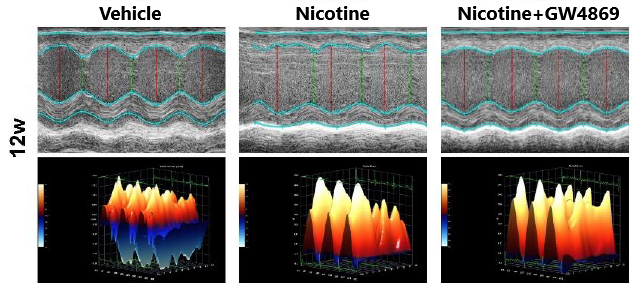
New research from the lab of Yajin Wang highlights the hidden risks of vaping on heart health. This study reveals the crucial role of EVs-ERK5 in lung-to-heart damage, underscoring vaping’s potential cardiac toxicity.
https://t.co/QM4VuXmF5K.
Today, on World Pneumonia Day, we highlight a recent study showing that combining phage therapy with antibiotics may improve recovery, reduce lung damage, and lower resistance risks in patients with ventilator-associated pneumonia (VAP): https://t.co/iLhzO2oIei