Purchase price savings tell only part of the healthcare supply chain story. Gartner’s Bruce Gilmore argues that this hidden labor burden belongs on the performance scorecard.
Read more: https://t.co/MDOIbIsXgX
#HealthcareSupplyChain#SupplyChainManagement#Automation
A supplier stops shipping and your team locates an alternative. But can production actually use it? The answer depends on more than availability. https://t.co/esh9Y5PaR9
#SupplyChain#SupplyChainResilience#Manufacturing
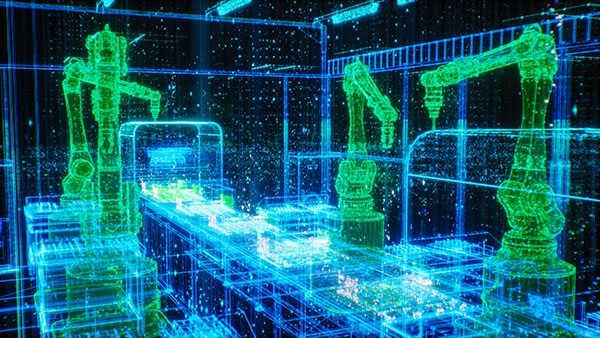
What would a port closure, demand spike or capacity shortage do to your supply chain, and which response would work best? Supply chain digital twins can help leaders test those questions before committing resources.
https://t.co/OzrIt4FWJl
#SupplyChain#DigitalTwins
Some useful supply chain tools never make it onto a technology roadmap. They address a local constraint, a recurring analysis or a decision that matters to one facility but struggle to compete for development resources.
https://t.co/4XeUF6v8VA
#SupplyChain#OperationsManagement
Geopolitical volatility leads ASCM’s supply chain trends outlook for 2027, with agentic AI and autonomous orchestration ranked second.
But the practical lesson from the CHAINge discussion extends beyond the ranking: These priorities depend on one another. https://t.co/d1mMfmpAF3
A carrier can be legit and still be the wrong carrier for the load at your dock. That reality exposes a gap in supply chain risk management: approving a provider does not establish that a specific pickup, payment change or access request is authorized. https://t.co/SMsH8IHy48
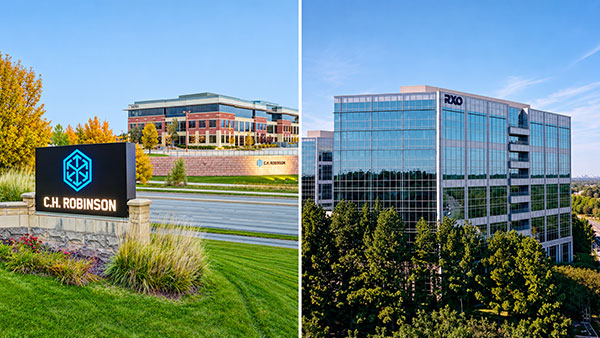
C.H. Robinson’s proposed acquisition of RXO could expand service capabilities. For customers using both firms, though, it would also bring those relationships under common ownership.
Read the analysis: https://t.co/Xpha5H0clh
#SupplyChain#SupplyChainResilience
AI can generate a planning recommendation. For instance, an AI-generated inventory increase might protect service while putting pressure on capacity and working capital. That’s where a human comes into the process. https://t.co/B4HLz01mFJ
You’ve selected a warehouse management system. The implementation reveals a process it cannot support out of the box. Do you change the process? Extend the WMS? Or customize the core product https://t.co/k81y8KfbSR
A supplier change may look like a straightforward business decision. But what happens when employees think the manager proposing it holds different political views?
https://t.co/6yXONkBu47
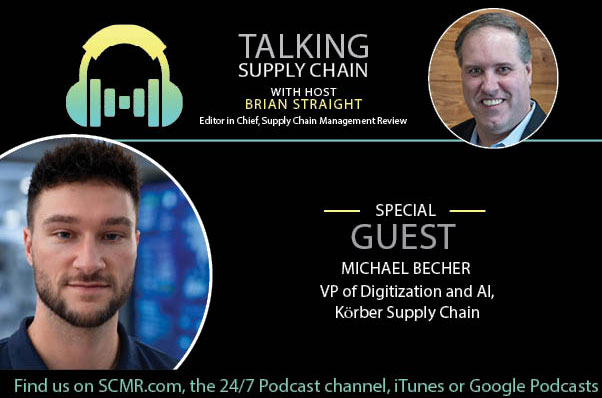
Visibility can tell you something has gone wrong, it cannot tell you why. On the latest episode of Talking Supply Chain, Michael Becher, Vice President of Digitalization and AI at Körber Supply Chain, explains how using AI to close that execution gap.
https://t.co/uWsA6T3QaX
Your biggest supply chain bottleneck may not be located at a Tier 1 supplier. In can begin several layers deeper with memory, storage controllers or specialized semiconductors suppliers that direct suppliers depend on but may not fully control. https://t.co/CXr9vuWDTV
#Truckdrivers face a difficult decision: Stop early and sacrifice driving time, or continue and risk parking in an unsafe area. New research from an MIT capstone project dives into these choices. #truckparking
https://t.co/t9YoJPPtjY
What supply chain challenge do you face? Executives and practitioners from Wayfair, Tractor Supply, Eli Lilly, Apple, Amazon, GE HealthCare, DP World, Penske Logistics, DHL Supply Chain, Mars Snacking and others will share what they are implementing. https://t.co/p7KKtNFXFz
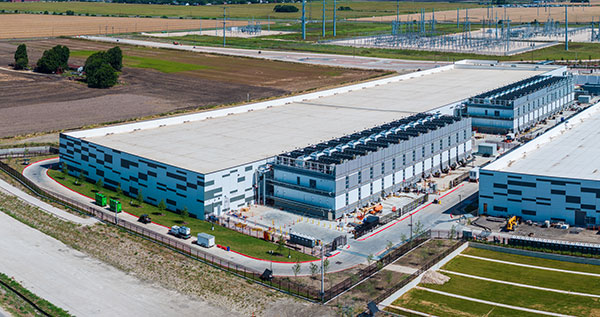
The cloud may feel invisible, but its infrastructure is anything but. As #AI accelerates demand for #datacenters, communities are confronting difficult questions about land use, electricity, water and environmental impact. https://t.co/K2GiyKTAbu
#Infrastructure#SupplyChain