Sometimes a business problem follows you outside the office. On a morning run, Long started looking at his customer search from the buyer’s side instead. A different question opened a new direction.
Where should a German fintech open its China office? The answer was Shenzhen.
Long shares why e-commerce and the local supply chain helped make the decision.
What happens when a Shenzhen perspective meets global finance?
In this episode of TiP, Long takes us through his journey from Tencent to MODIFI and the decisions that brought him into cross-border B2B.
We talk about why Shenzhen became the right place for a German fintech to build, how Chinese manufacturers are moving beyond the old “Made in China” model, what selling to Amazon really looks like, and why product development matters more than ever.
Then we get into AI: from processing invoices and monitoring risk to helping businesses decide what to sell, where to invest, and how to scale.
A conversation about Shenzhen, global commerce, manufacturing, fintech and what AI could change for businesses behind the scenes.
Sentiment around data centers in the US versus other markets is kind of insane right now.
In the US they’re increasingly becoming a political liability. Elsewhere, particularly in China, compute infrastructure is being treated much more explicitly as strategic infrastructure.
Europe feels somewhere in between.
What’s actually driving the US gap? Power prices? Water? Local economics? AI backlash? Bad policy?
Genuinely curious — what am I missing?
@JesseJenkins@profgalloway
Promptive presents: TiP a podcast about AI, told by the people building it.
What does AI actually mean for people outside the tech bubble?
That question brought our founders @lp_coder and @SCPromptive, together with @Bobbxu, to start @TiPodcastt — sponsored by @questflow & @PromptiveOne .
In our first episode, we explore why impressive tech doesn’t always solve real problems, how personal experiences shape what we build, and how people are using AI in their work and lives.
Every story finds its voice. And at Promptive, that’s what we build for, AI that tells your story.
#AITellsYourStory #PromptiveAI #TiP #MyAIAgent #Podcast
What would convince you that an AI tool actually works?
For Bob, that question led Questflow from agent payments toward financial intelligence.
He shares why testing the product matters, and why he wants evidence beyond an impressive demo.
More financial data doesn’t always make the next decision easier.
Bob shares why @questflow is working on AI agents that connect experienced investors’ strategies with individual needs and risk profiles.
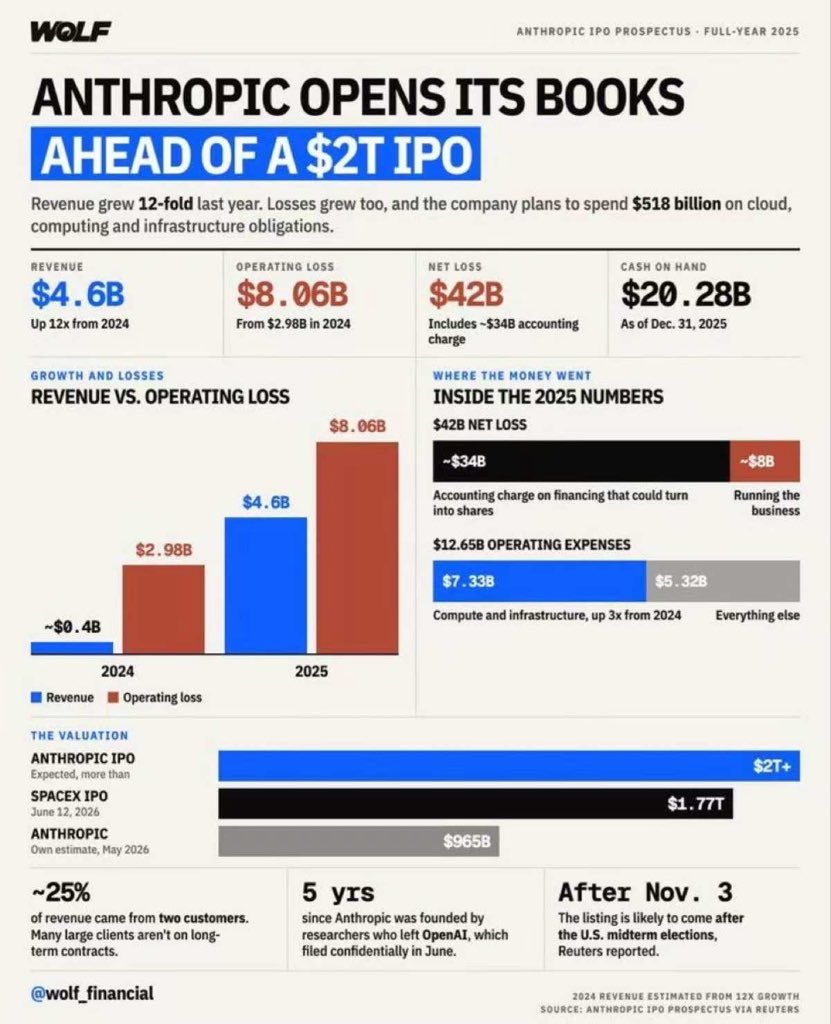
Gross margins look lovely once you leave out training costs. Ours would also look vastly more attractive with a more selective approach to costs. I’m a big ‘community adjusted’ kind of guy in general.
Meanwhile, roughly a third of the prospectus explains what could go wrong, including possible apocalypse. I appreciate the disclosure, though it does complicate the exit strategy just a smidge.
What are the odds of this IPO actually happening? @AnthropicAI
The vision of tailored financial intelligence for everyone
TiP @lp_coder sits down with @Bobbxu , founder of @questflow, to explore his bet on a “Financial Codex”: AI agents that aim to make experienced investors’ strategies more accessible.
Behind that vision? A workflow tool users didn’t stick with, a move into agent payments, and some difficult decisions about what to build next.
A conversation about finance, treasury, AI, agents and building something people actually keep using.
Watch the full conversation.
As Muun grows through partnerships, Martin is excited about having more time for people.
He sees AI taking repetitive work off the team’s plate and making room for closer connections.
What would a more human working day look like?