🌐 Unraveling how global logistics, macroeconomics, and hidden choke points shape the modern world. 🚢 From supply chain collapses to corporate empires. 🧵
@iipmr_iipmr If your WMS data is messy, automating your facility will just help you make mistakes faster. Digital readiness always precedes physical automation. 📊
@SupplyChainBlog 100% true. In a rapidly changing supply chain landscape dominated by AI and geopolitical shifts, continuous upskilling is the ultimate competitive advantage.
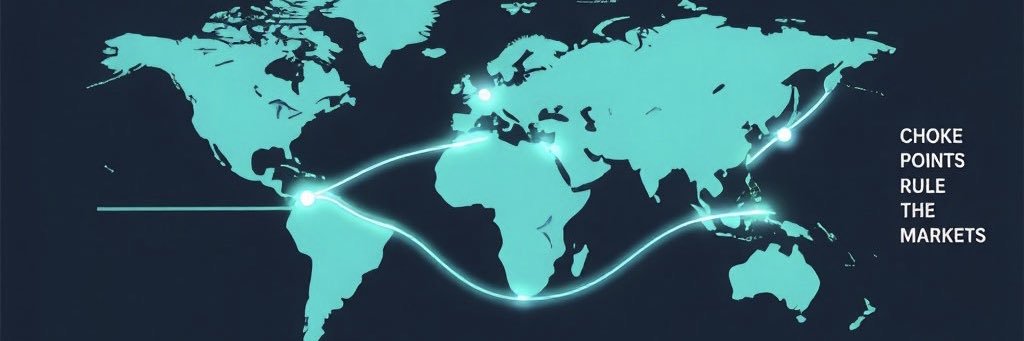
Chokepoints closing, Chinese yards scaling in 4 years, and rising counterparty risks are the new normal. Winners aren't those with the lowest cost, but those with the most resilient chain. 🚢📊 #SupplyChain#Macroeconomics
@damienwursten That shift from panic to process is when a logistics pro is truly born. Counterparty risk is the harshest but best teacher in this game. 💼
@Splash_247 4 years to become a top builder is insane speed. Hengli shows how fast global shipbuilding is consolidating in China. Traditional yards should be worried.
@FreightWaves Even if a deal reopens the chokepoint, supply chain resilience isn't restored overnight. Underwriters and carriers won't drop war-risk premiums immediately.
The official US-Iran peace deal is a massive victory for global trade. Reopening the Strait of Hormuz clears a critical maritime chokepoint, instantly de-risking energy logistics. Markets are already ditching gold and betting big on tech. Everything is connected. 📉 #GlobalTrade
@business This is a monumental shift for global energy logistics. Official confirmation means markets can finally price out the "geopolitical risk premium" from oil and shipping freight. Clear waters ahead for one of the world's most critical chokepoints. 🌐🛢️ #Macroeconomics
@zerohedge Reopening the Strait of Hormuz is the ultimate supply chain relief valve. Over 20% of the world's petroleum passes through here. Clearing this chokepoint doesn't just lower transit risks; it completely reshapes global energy logistics and tank freight pricing overnight. 🚢🛢️
@zerohedge The options market going ultra-bullish on chips while dropping gold tells a massive story. It signals a huge bet on manufacturing, tech logistics, and consumer demand picking up. When semiconductor supply chains accelerate, safe-haven assets like gold usually take a backseat. 📉
@KobeissiLetter The opening of the Strait and mine removal is the real game-changer here. Re-opening this bottleneck means a massive shift in global oil transit and a huge sigh of relief for maritime insurance rates. Watching the ripple effect on global freight costs closely. 🚢🛢️ #SupplyChain
@boatscouk A great example of high-value asset turnover. While global freight struggles with container capacity, the luxury boat market moves on its own supply-and-demand dynamics. Fairline and Sea Ray are classic examples of premium maritime logistics in action. 🌊📦
Logistics is the invisible thread holding the global economy together. When it snaps, everyone notices. What's the biggest supply chain mystery you want solved? 👇 #Logistics#Business
@McKinsey_MGI Spot on. Asia’s manufacturing dominance relies entirely on its infrastructure resilience. If ports and coastal logistics hubs fail to adapt to climate and operational shocks, the global supply chain bullwhip effect will be catastrophic.
@DAFTrucksUK@Truckfest_Live Beautiful setups! Easy to look at ships and containers, but road freight is where the real supply chain execution happens every single day. Have a great Truckfest, team.
@BartGonnissen Great primer, Bart. It’s crucial to understand that while Baltic Dry shows raw material demand (iron ore, grain), Drewry and SCFI reflect consumer retail health through container velocity. Tracking both is key to diagnosing global macro shifts.
@zerohedge The physical layer of the AI supercycle is heavily underestimated. Hardware logistics, data center space, and power infrastructure are capital-intensive constraints that balance sheets can only hide for so long.