Official Twitter Account of 2025 2A District 11 Champions 🏆 Somerset Canyons Football Located In Boynton Beach FL. Head Coach: @coach_gonzo1357 #MUDITA
Somerset Canyons (FL) 31’ WR Zayden Gillyard
Gillyard made an immediate impact, scoring his first varsity touchdown in his very first game as a 7th grader.
Gillyard, who attends Rise Preparatory Academy, has already earned an early Power 4 offer from the University of Miami — a major sign of his potential at such a young age.
@__backendd0x@SCanyonsFB
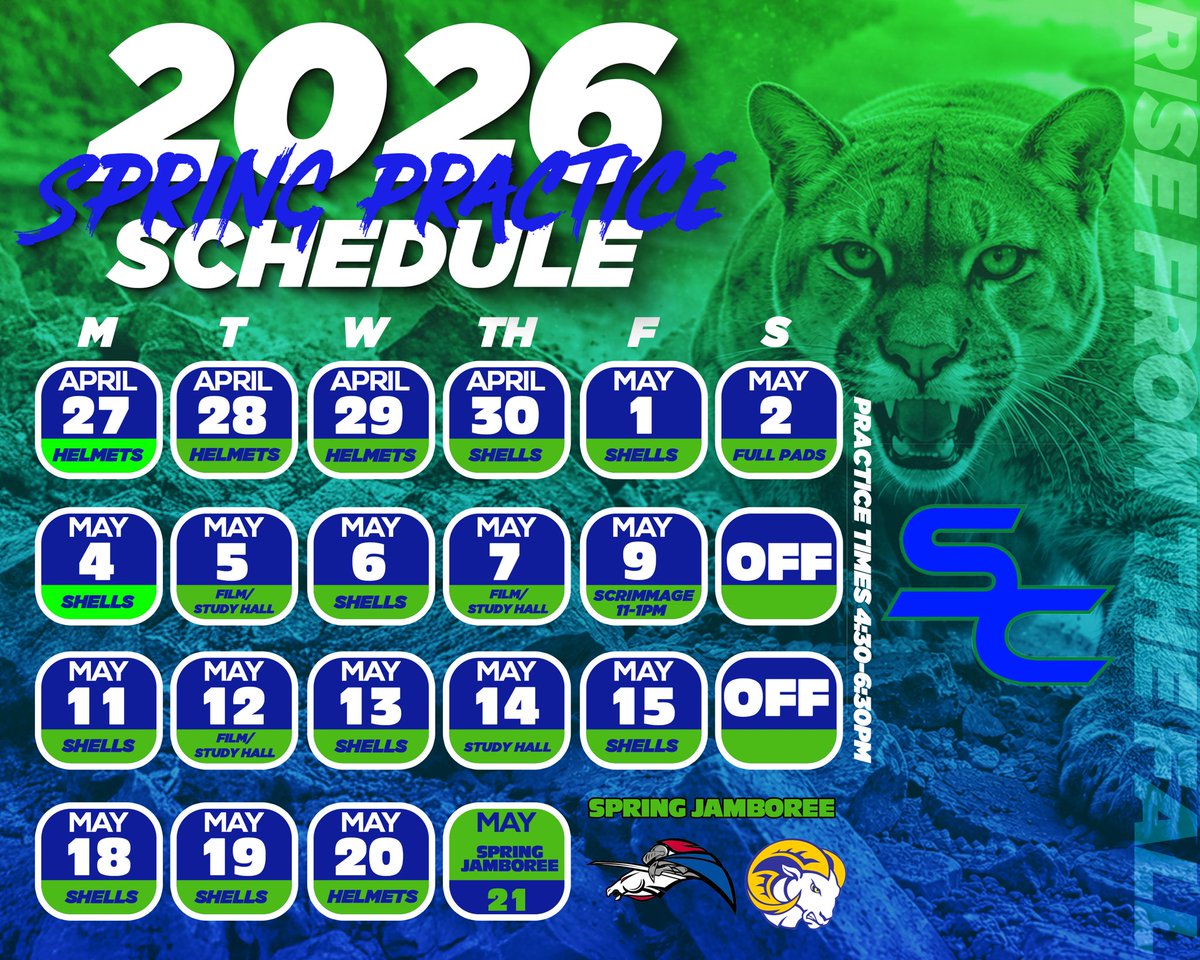
Next Thursday May 21st we’re back in action!!! Spring Jamboree kicks off at 6PM!!
🆚 North Miami Beach & Specially Fit Academy
@nmbchargersfoo1@SFA_RAMS
Come out and support as we continue to build and compete this spring! #PackTheSet
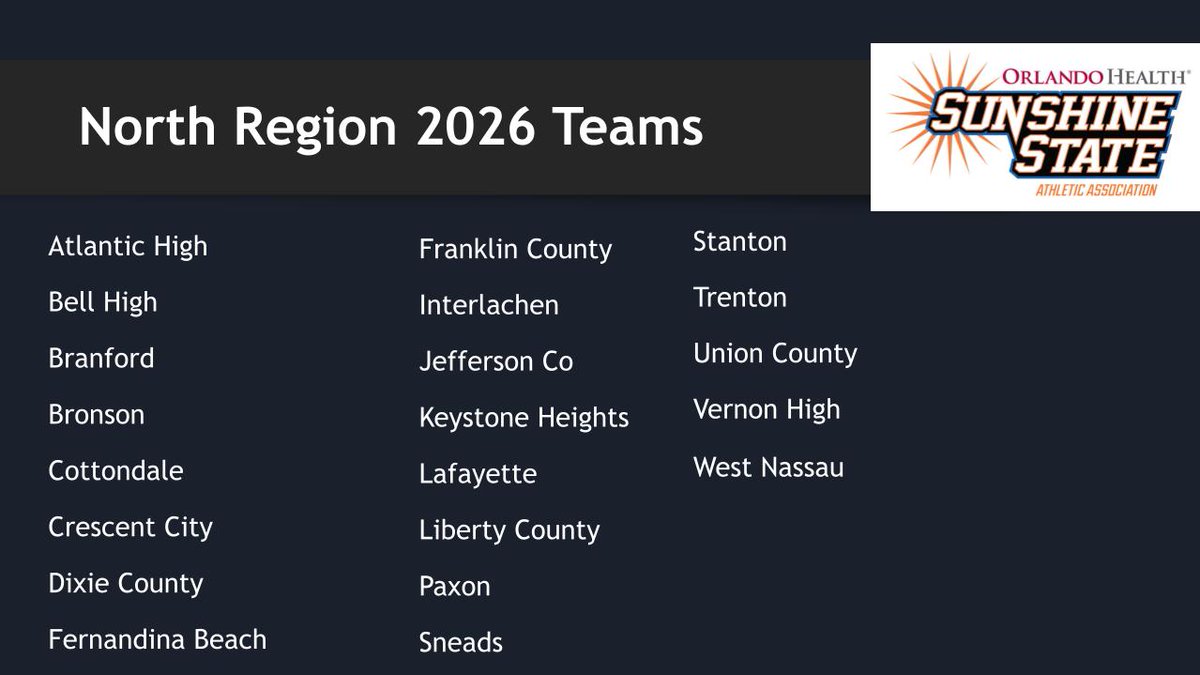
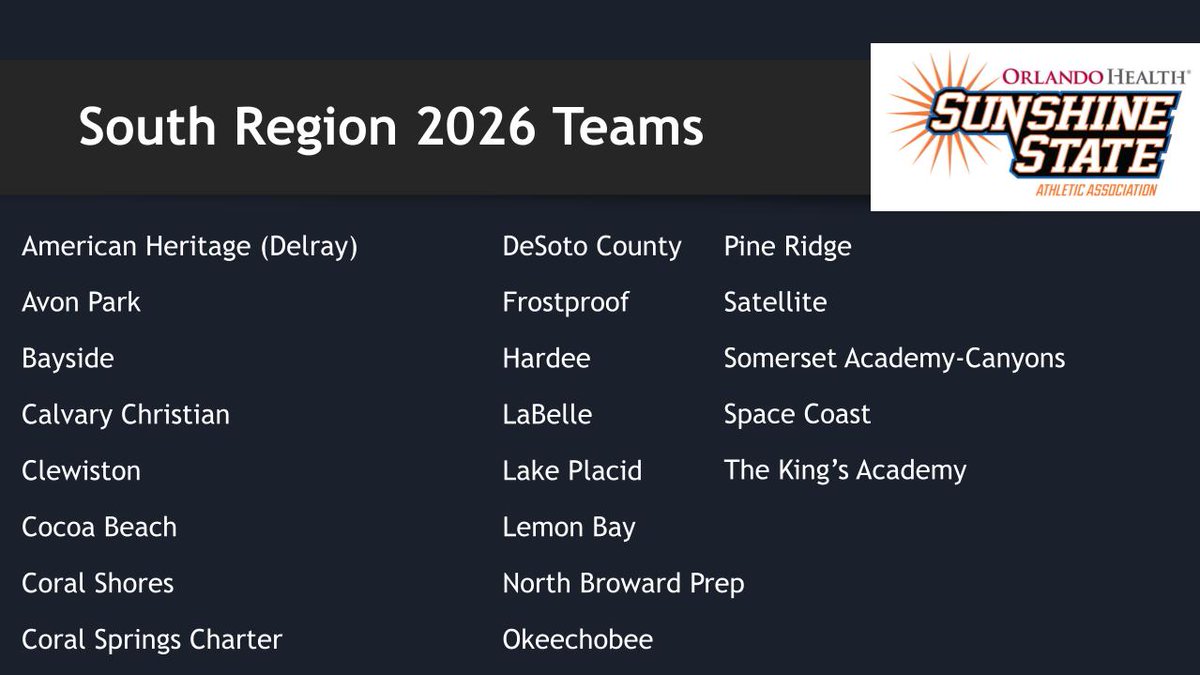
The dust has settled and the SSAA Atlantic League is set. 42 teams after having 20 last season. Playoff structure is being voted on but here are the schools.
@FlaHSFootball@ByCoreyDavis@CenFLAPreps
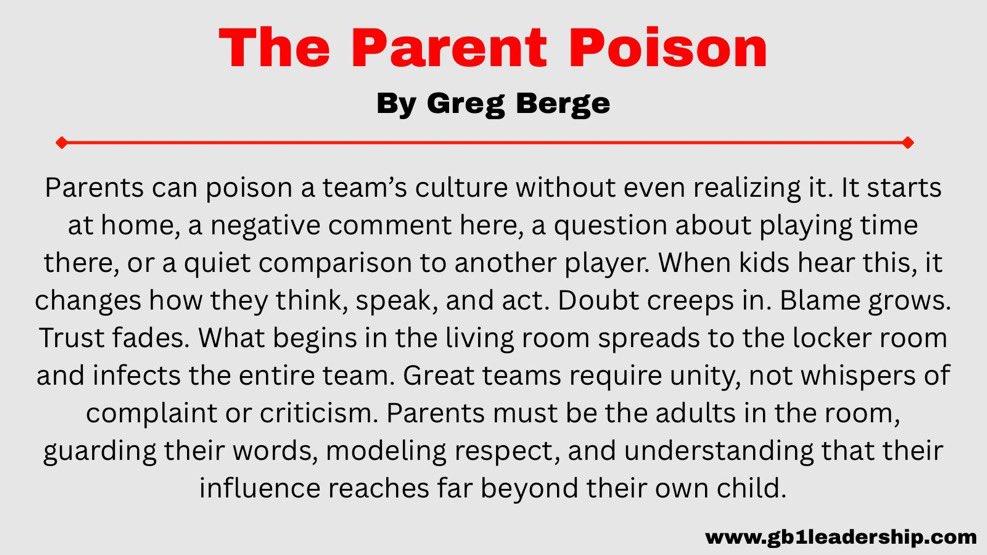
The Parent Poison…
Most parents want the best for their kids.
But sometimes, without realizing it, they slowly poison the very team their child is part of.
It rarely starts with something dramatic.
It starts small.
A comment in the car ride home.
“Why didn’t the coach play you more?”
A comparison.
“You’re better than that kid.”
A quiet complaint at the dinner table.
“That coach doesn’t know what he’s doing.”
Kids hear everything.
And when they hear it, something changes.
Doubt creeps in.
Blame grows.
Trust fades.
The mindset shifts from team first to me first.
What begins in the living room eventually shows up in the locker room.
You see it in body language.
You hear it in conversations.
You feel it in the culture.
Instead of unity, there are whispers.
Instead of accountability, there are excuses.
Instead of growth, there is resentment.
Great teams cannot survive that environment.
Because the best teams are built on three things:
Trust.
Sacrifice.
Shared purpose.
When players start believing the problem is everyone else, those things disappear.
Parents play a powerful role in a team’s culture whether they realize it or not.
The healthiest teams have parents who:
Support the program.
Encourage resilience.
Teach their kids to handle adversity.
They remind their children:
Work harder.
Be a great teammate.
Control what you can control.
They don’t feed excuses.
They build character.
And here’s the truth most people miss:
A parent’s influence extends far beyond their own child.
It affects the locker room.
It affects the culture.
It affects the entire team.
Great teams require unity, not whispers of criticism.
So the challenge for parents is simple.
Be the adult in the room.
Guard your words.
Model respect.
Support the team.
Because what starts at home always finds its way onto the court, the field, or the locker room.
And the best parents don’t poison the culture.
They protect it.
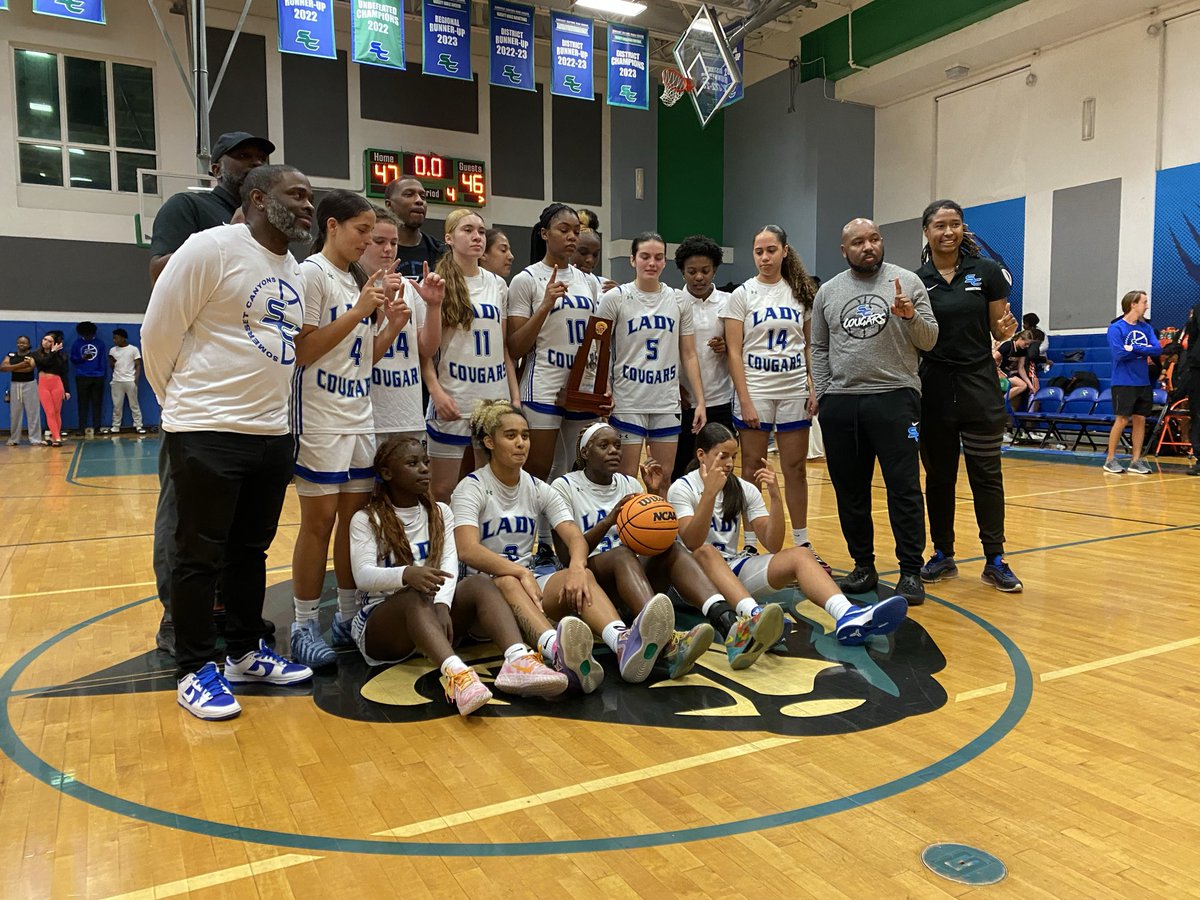
COUGARS ARE BACK TO STATES!!
@sacwbb_ comes back by 10 points in the second half to win 47-46 against Lincoln Park Academy and are going back to the State Semis!!